

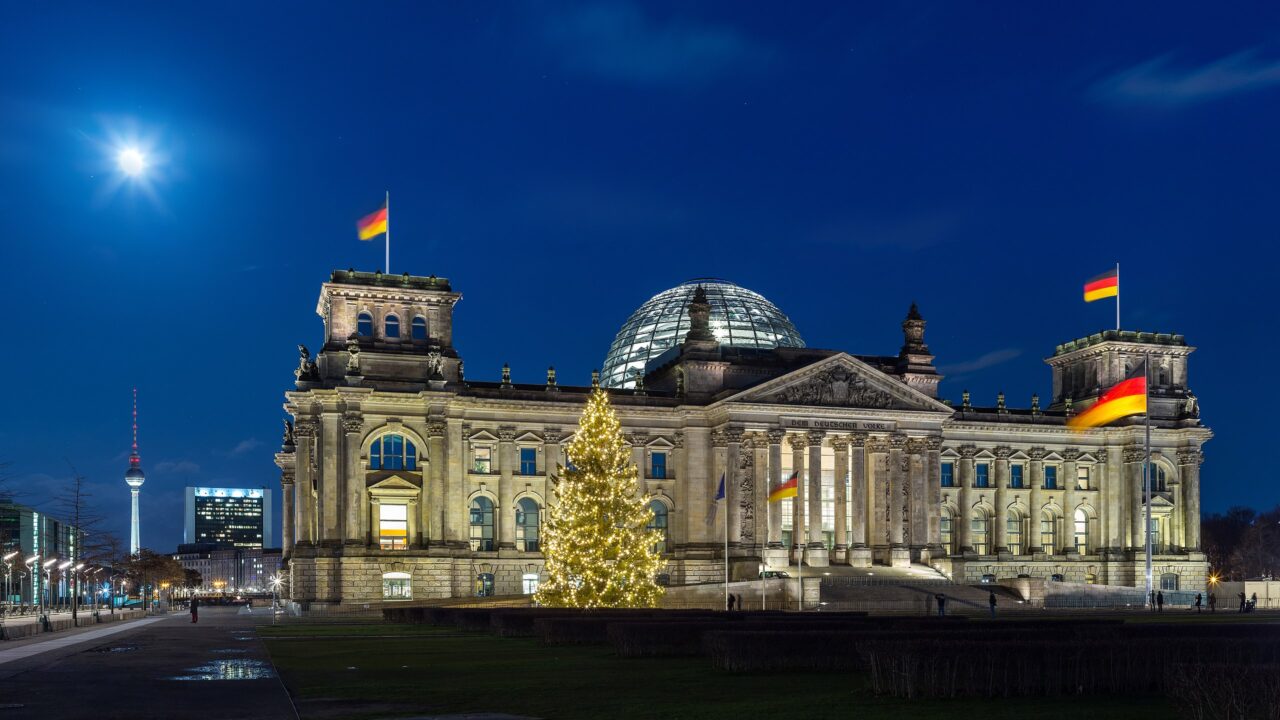
Germany serves as the historical and cultural epicenter of many Western Christmas traditions, transforming its urban centers and rural landscapes into a hub of seasonal activity that draws millions of international visitors annually. From the architectural grandeur of Berlin and Munich to the medieval charm of Rothenburg ob der Tauber, the country leverages centuries of heritage to create a winter tourism sector that is both economically significant and culturally profound. As the birthplace of the Christmas tree and the traditional holiday market, Germany provides an immersive experience that integrates historical authenticity with modern travel infrastructure.
The Historical Evolution of the German Christmas Market
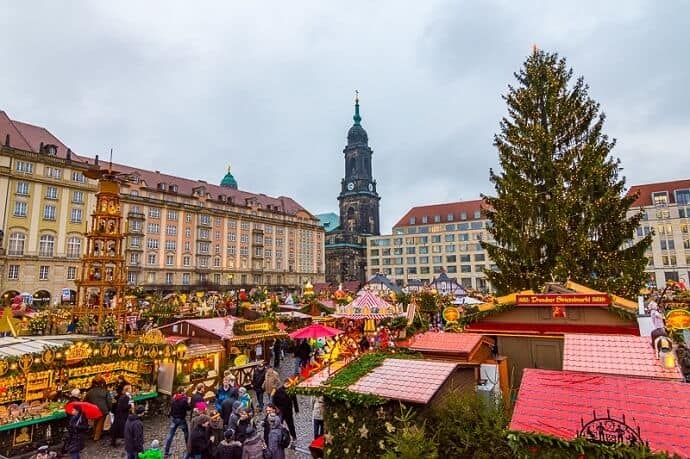
The German Christmas market, or Weihnachtsmarkt, is not merely a commercial event but a cultural institution with roots stretching back to the Late Middle Ages. The Dresden Striezelmarkt, widely considered the oldest in the country, was first established in 1434 as a one-day meat market. Over the centuries, these gatherings evolved into multi-week festivals featuring artisanal crafts, regional delicacies, and communal celebrations.
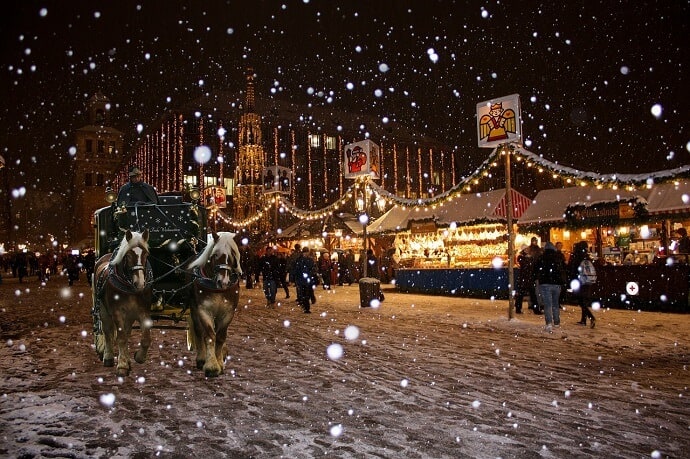
Today, Germany hosts approximately 2,500 to 3,000 Christmas markets each year. Major cities like Nuremberg, which hosts the world-famous Christkindlesmarkt, maintain strict regulations on the types of goods sold to ensure that the historical integrity of the event remains intact. The preservation of these traditions serves a dual purpose: it maintains a link to Germany’s guild-based history and provides a stable foundation for the nation’s winter economy. According to data from the German Retail Association (HDE), Christmas markets generate billions of euros in revenue, supporting thousands of small-scale artisans and local vendors.
A Chronology of the German Advent Season
The German holiday season follows a structured timeline that begins well before December 25, dictating the rhythm of life for both locals and tourists.
- The First Sunday of Advent: Typically falling in late November, this marks the official beginning of the season. Many households and public squares light the first candle on the Adventskranz (Advent wreath).
- Late November: Christmas markets across the country open their gates. This period marks the start of peak winter tourism.
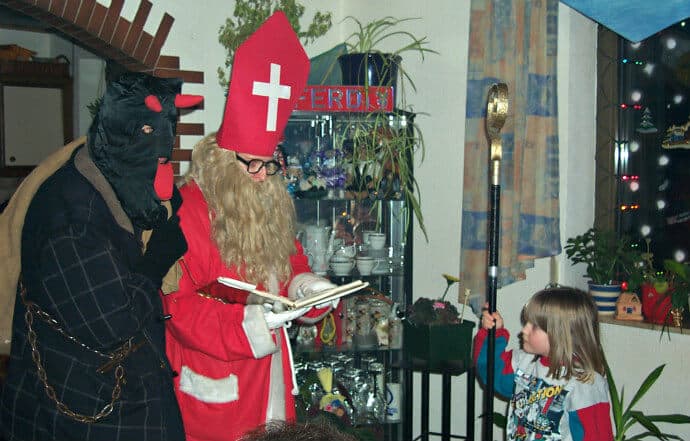
- December 5–6 (Nikolaustag): On the evening of December 5, children place their boots (Nikolaus-Stiefel) outside their doors. On the morning of December 6, St. Nicholas is said to fill the boots of well-behaved children with sweets and small gifts. In some southern regions, this is accompanied by the appearance of Krampus, a folkloric figure who serves as a foil to St. Nicholas.
- December 24 (Heiligabend): Unlike many English-speaking countries, the main celebration in Germany occurs on Christmas Eve. This is when the Christmas tree is traditionally decorated and gifts are exchanged (Bescherung).
- December 25–26: These are public holidays dedicated to family gatherings and religious services, known as the First and Second Days of Christmas.
Regional Variations in Festive Gastronomy
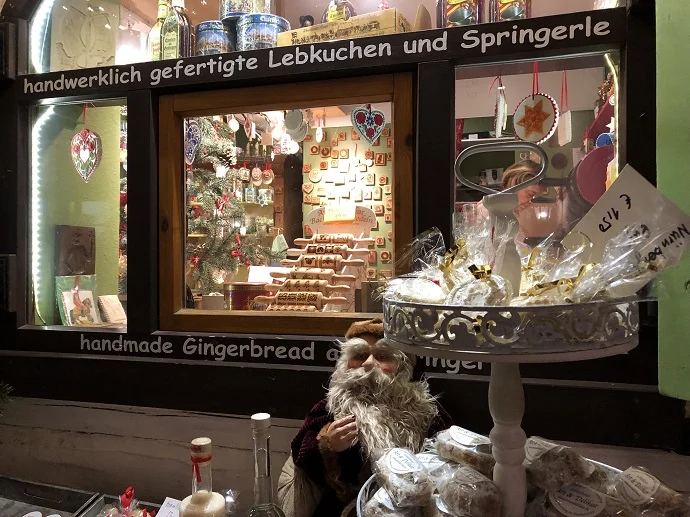
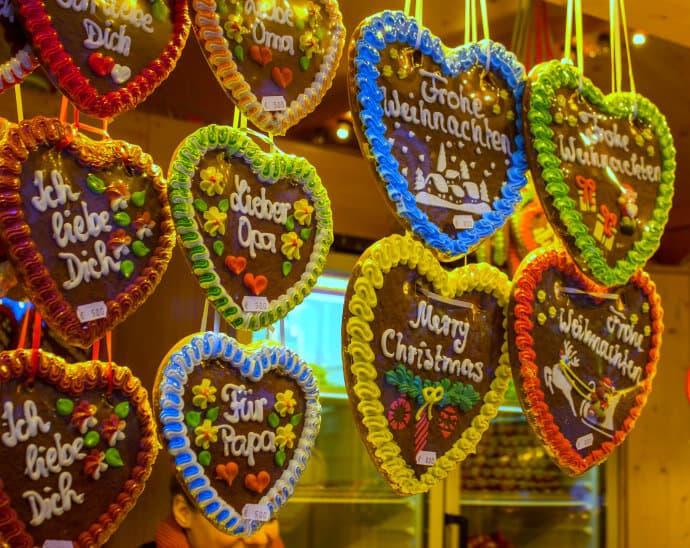
German holiday cuisine is a reflection of the country’s diverse regional identities. While Lebkuchen (gingerbread) is a ubiquitous staple, particularly from Nuremberg, other regions offer distinct culinary contributions that define the season.
In Saxony, the Dresdner Christstollen remains a protected geographical indication; only bread produced in the Dresden area can carry the official name. This heavy, fruit-filled bread dates back to the 15th century and was originally a fasting bread. In the south, particularly in Bavaria, the focus shifts toward hearty communal meals featuring roast goose (Weihnachtsgans), red cabbage, and potato dumplings.
Street food culture at the markets also plays a critical role in the seasonal experience. Vendors offer Bratwurst, Maroni (roasted chestnuts), and Reibekuchen (potato pancakes). The social centerpiece of the market is Glühwein, a mulled wine infused with cinnamon, cloves, and star anise. The German National Tourist Board notes that the culinary aspect of the holidays is one of the primary drivers for international visitors, as it offers a sensory connection to German heritage.
Folklore and the Dual Nature of German Traditions
Germany’s holiday season is characterized by a unique blend of religious piety and pre-Christian folklore. The figure of St. Nicholas is a central pillar, representing the charitable spirit of the season. However, in Alpine regions and parts of Bavaria, the tradition of Krampusnacht introduces a more complex narrative. Krampus, a horned, anthropomorphic figure, is said to punish children who have misbehaved, providing a stark contrast to the benevolent St. Nicholas.
Furthermore, the Christkind (Christ Child) is a traditional gift-bringer in many parts of southern and western Germany. Introduced by Martin Luther during the Reformation to steer away from the veneration of saints, the Christkind is often depicted as a young woman with golden hair and angelic wings. These figures often open the local Christmas markets, delivering speeches that emphasize peace and community, reinforcing the idea that the holidays are a time for social cohesion.
Modern Connectivity and Tourism Logistics
The German tourism industry has adapted to the digital age, making the navigation of these historic events more accessible to a global audience. For international travelers, the logistics of moving between major hubs like Berlin, Hamburg, Munich, and Cologne have been streamlined through integrated transport networks and digital solutions.
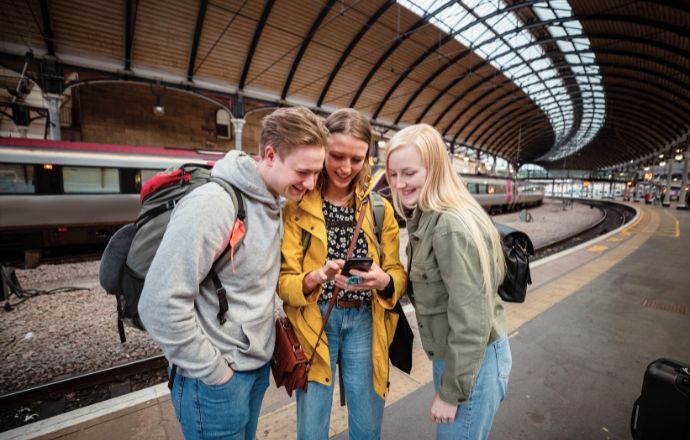
One significant advancement in travel logistics is the widespread adoption of eSIM technology. Travelers can now secure a dedicated Germany eSIM prior to arrival, ensuring instant access to navigation, translation services, and real-time updates on market schedules. This connectivity is essential for managing travel via the Deutsche Bahn (DB), the national railway system, which offers extensive regional and high-speed connections between festive sites.
Reliable mobile data also allows visitors to access digital walking tours and booking platforms for seasonal concerts, which are frequently held in historic cathedrals and town halls. While Germany remains a country that deeply values its analog traditions, its infrastructure is designed to support the modern, connected traveler.
The Economic and Environmental Impact of Winter Tourism
Winter tourism is a vital component of the German economy. The German National Tourist Board (GNTB) has consistently highlighted the importance of the "Magic Cities" and traditional regions in attracting high-spending international tourists during the fourth quarter. In 2023, tourism officials reported a significant recovery in visitor numbers, with Christmas markets serving as a primary catalyst for hotel occupancy and retail growth.
However, the surge in tourism has also prompted a discussion regarding sustainability. Many German cities are now implementing "Green Market" initiatives. For example:
- Waste Reduction: Most markets use a deposit system (Pfand) for mugs and plates, significantly reducing single-use plastic.
- Energy Efficiency: The transition to LED lighting for city-wide decorations has drastically lowered energy consumption.
- Local Sourcing: Preference is increasingly given to vendors who source materials and ingredients from within the region, reducing the carbon footprint associated with transport.
These measures reflect a broader national commitment to environmental stewardship, ensuring that the country’s traditions do not come at the expense of its ecological goals.
Strategic Planning for International Visitors
For those seeking to experience Christmas in Germany, officials and travel experts recommend a strategic approach to maximize the experience while managing costs.
- Timing: Mid-week visits to popular markets like Nuremberg or the Cologne Cathedral market are advised to avoid the heavy crowds of the weekends.
- Transportation: Utilizing the Deutschland-Ticket or regional rail passes provides a cost-effective way to explore smaller, "hidden gem" towns such as Goslar or Quedlinburg, which offer a more intimate atmosphere.
- Budgeting: Most Christmas markets are free to enter, making them an accessible form of entertainment. Budgeting for high-quality, handcrafted ornaments—such as those from the Erzgebirge region—is often a priority for visitors seeking authentic souvenirs.
Broader Cultural Implications and Global Influence
The influence of German Christmas traditions extends far beyond its borders. The concept of the Christmas tree (Tannenbaum) was popularized globally in the 19th century, largely due to its adoption by the British Royal Family, who had German roots. Similarly, the structure of the modern Christmas market has been exported to cities worldwide, from New York to Tokyo.
By visiting Germany during the holiday season, travelers are not just observing a local festival; they are engaging with the source material of a global cultural phenomenon. The German commitment to maintaining the "gemütlichkeit"—a state of warmth, friendliness, and good cheer—ensures that the country remains the premier destination for those seeking a meaningful and historically grounded Christmas experience. As the nation continues to balance its rich past with a forward-looking approach to tourism and sustainability, the German Christmas remains a cornerstone of European cultural heritage.

