

A specialized yoga sequence, developed by registered yoga teacher and psychotherapist Lisa Sanfilippo, M.Sc., R.Y.T., offers a scientifically-backed approach to improving sleep quality and mitigating the effects of daily stress. This practice, detailed in her book "Sleep Recovery," aims to re-establish a harmonious connection between the body, breath, and brain, empowering individuals to better understand and respond to their physiological needs. The gentle, yet effective, series of movements is designed to reduce physical tension, lower heart rate, and decrease the levels of stress hormones such as cortisol, thereby preparing the body and mind for restful sleep. By incorporating this routine into one’s bedroom environment, the space itself can become a sanctuary for relaxation and rejuvenation.
The efficacy of this yoga sequence lies in its ability to target key areas of the body essential for initiating and sustaining sleep. Sanfilippo’s methodology emphasizes a holistic approach, integrating mindful movement with conscious breathing techniques. When practiced consistently, this routine, which takes approximately 20-25 minutes for beginners and can be condensed to 10-12 minutes for seasoned practitioners, not only maintains its effectiveness but often enhances it, leading to deeper and more restorative stretching. The sustained practice cultivates greater body awareness, a crucial component in managing stress and improving sleep hygiene.
The Science Behind the Sleep Sequence
The cornerstone of Sanfilippo’s sleep preparation practice is the deliberate cultivation of a calm and regulated nervous system. This is achieved through a combination of specific yoga poses and a foundational breathing technique known as the "Basic Yoga Breath." This breathwork, characterized by a gentle tone in the throat and an extended exhale, directly activates the parasympathetic nervous system, often referred to as the "rest and digest" mode. This activation is critical for counteracting the chronic stress response that can disrupt sleep patterns.
Research has increasingly highlighted the profound impact of the parasympathetic nervous system on overall health and well-being. Studies published in journals such as Nature Human Behaviour have demonstrated that mindful breathing practices can lead to measurable reductions in physiological markers of stress, including heart rate variability and electrodermal activity. By engaging the parasympathetic response, the yoga sequence facilitates a natural transition from a state of heightened arousal to one of deep relaxation, making it an ideal pre-sleep ritual.
Furthermore, the physical postures included in the sequence are not merely for stretching; they are strategically chosen to release tension held in common areas of the body that can contribute to sleeplessness. The interplay between breath and movement in these poses helps to synchronize bodily rhythms, promoting a sense of calm and grounding. This integrated approach addresses both the physical and psychological components of sleep disturbance, offering a comprehensive solution for individuals struggling with insomnia or stress-related sleep issues.
A Chronology of Relaxation: The Four-Pose Sequence
Sanfilippo’s practice is structured around a series of four key movements, each contributing uniquely to the overall relaxation response:
1. Basic Yoga Breath (Ujjayi Breath)
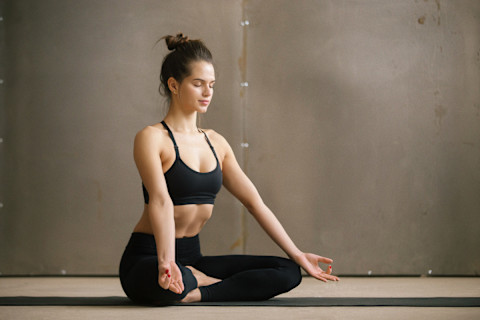
While not a pose in itself, the Basic Yoga Breath, also known as Ujjayi breath, is the foundational element of this entire sequence. This technique involves constricting the back of the throat slightly to create a soft, oceanic sound during inhalation and exhalation. The primary benefit of Ujjayi breath is its ability to regulate breathing and activate the parasympathetic nervous system.

The slow, controlled breathing pattern associated with Ujjayi breath signals to the brain that it is safe to relax. This is particularly effective in mitigating the effects of fight-or-flight responses triggered by stress. By focusing on the sensation and sound of the breath, practitioners can disengage from distracting thoughts and anxieties, fostering a state of present-moment awareness. This mindful focus is crucial for dislodging the mental loops that often keep individuals awake at night.
The physiological impact of extended exhales, a hallmark of Ujjayi breath, has been well-documented. Research indicates that lengthening the exhalation phase of breathing can significantly reduce heart rate and blood pressure, further promoting a state of calm. This deliberate slowing of respiration directly counters the shallow, rapid breathing patterns often associated with stress and anxiety.
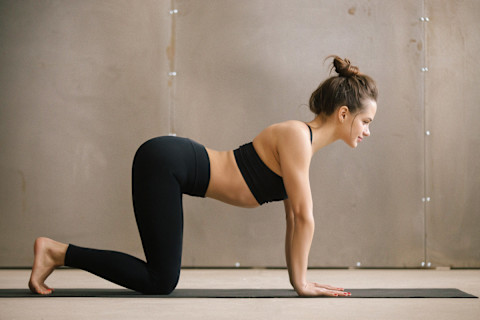
2. Cat Pose and Cow Pose (Marjaryasana-Bitilasana)
This dynamic duo of poses, performed on all fours, is designed to gently mobilize the spine and release tension in the back and shoulders. The sequence begins with Cow Pose, where the belly drops, the chest lifts, and the gaze moves upward on an inhale. This is followed by Cat Pose, where the spine rounds towards the ceiling, the chin tucks towards the chest, and the gaze moves towards the navel on an exhale.
Beyond the physical stretching of the intercostal muscles between the ribs, which enhances lung capacity and facilitates deeper breathing, these poses are believed to stimulate the vagus nerve. The vagus nerve is a critical component of the parasympathetic nervous system, extending from the brainstem to various internal organs, including the heart, lungs, and digestive system. Its role in regulating heart rate, digestion, and the inflammatory response makes it a key player in the body’s relaxation response.
The rhythmic undulation of the spine in Cat-Cow pose, synchronized with the breath, sends soothing messages throughout the nervous system. This gentle movement helps to release accumulated tension in the back and neck, common areas where stress manifests physically. By promoting flexibility and reducing muscular tightness, these poses create a more comfortable physical foundation for sleep. The act of coordinating breath with movement also serves to anchor the mind, preventing rumination and promoting a sense of ease.
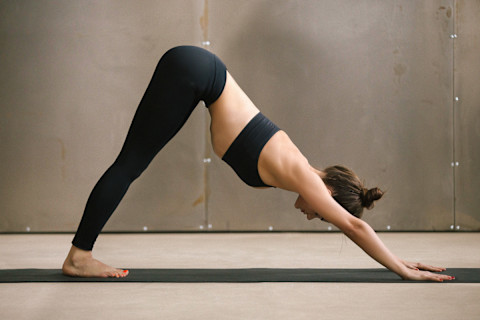
3. Downward-Facing Dog Pose (Adho Mukha Svanasana)
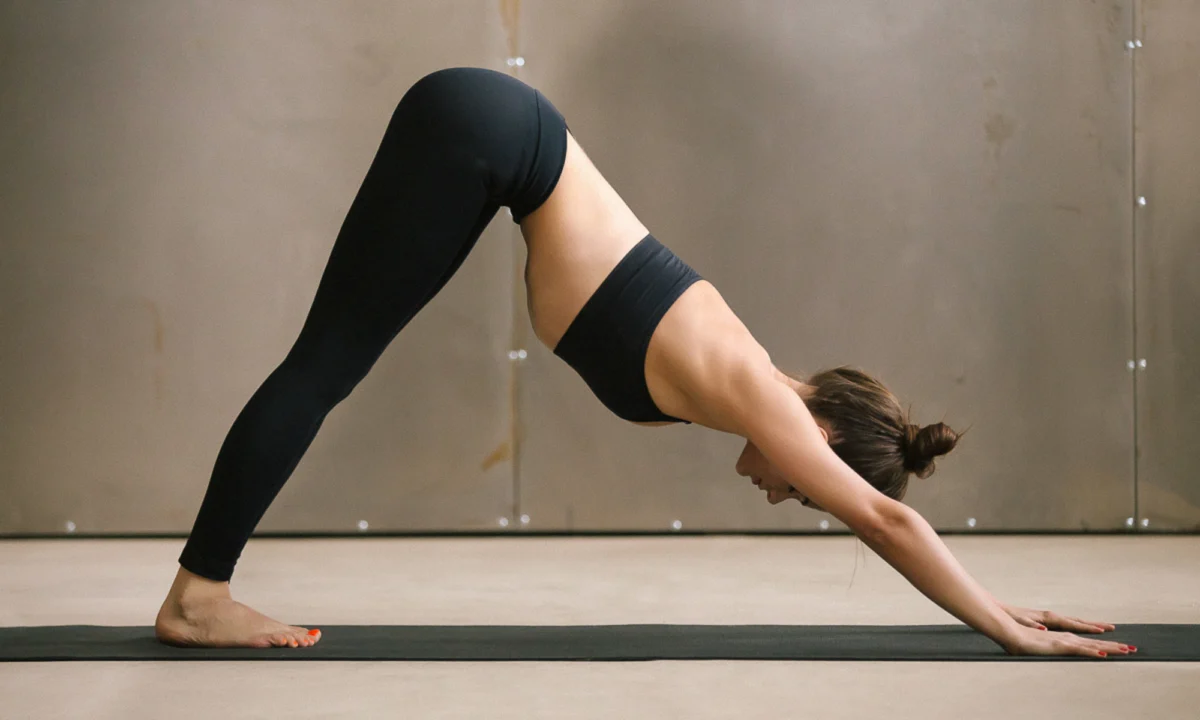
Downward-Facing Dog is a foundational yoga pose that offers a comprehensive stretch for the entire body. From a tabletop position, practitioners lift their hips towards the sky, creating an inverted V-shape. This pose engages and lengthens the hamstrings, calves, shoulders, and the muscles supporting the spine.
A key benefit of this pose for sleep preparation is its mild inversion. By placing the head below the heart, it encourages blood flow towards the brain, which can have a calming effect on the mind. This gentle inversion helps to reduce mental chatter and promote a sense of grounding. The physical elongation of the spine also helps to decompress the vertebrae and release tension held in the back and neck.
The widespread stretching action of Downward-Facing Dog addresses tightness in the longest muscles of the body, which can often contribute to discomfort and restlessness. By improving circulation and releasing tension in these key muscle groups, the pose prepares the body for a state of ease and stillness. The emphasis on deep, conscious breathing within the pose further amplifies its relaxation benefits, ensuring that the body receives ample oxygen while simultaneously calming the nervous system.
4. Child’s Pose (Balasana)
Child’s Pose is a resting posture that offers profound calming and restorative benefits. It is typically performed by kneeling on the floor, bringing the big toes to touch, and spreading the knees wide apart or keeping them together. The torso is then lowered between the thighs, and the forehead rests on the mat, with arms extended forward or resting alongside the body.
This pose is particularly effective in lengthening the muscles of the back, hips, and pelvis, providing a gentle release of tension. The gentle compression of the abdomen against the thighs can also stimulate the parasympathetic nervous system, promoting a sense of deep relaxation. For many, Child’s Pose evokes a feeling of security and comfort, reminiscent of childhood states of being when feeling overwhelmed.
The meditative quality of Child’s Pose makes it an ideal posture for quieting the mind. By cradling the body in a protected position, it encourages a sense of surrender and allows for introspection without agitation. The sustained, gentle stretch of the back muscles can alleviate any residual discomfort from the day’s activities, paving the way for a more comfortable and peaceful transition into sleep. This pose serves as a powerful anchor for relaxation, allowing individuals to reconnect with their inner sense of calm.
Broader Implications for Stress Management and Well-being
The integration of this yoga sequence into daily life extends beyond mere sleep improvement. It represents a proactive approach to stress management, offering a tangible tool for individuals to reclaim control over their physiological and emotional states. In an era characterized by high levels of chronic stress and its associated health consequences, practices that promote nervous system regulation are increasingly vital.
The American Psychological Association’s "Stress in America" survey consistently reports high levels of stress among the population, with significant impacts on physical and mental health. Sleep disturbances are a common sequela of chronic stress, creating a detrimental cycle where lack of sleep exacerbates stress, and stress further disrupts sleep. Sanfilippo’s yoga sequence offers a natural and accessible intervention to break this cycle.
By cultivating body awareness and teaching individuals to consciously regulate their breath and nervous system, this practice empowers them with skills that can be applied in various stressful situations. The ability to access a state of calm and relaxation on demand can lead to improved resilience, enhanced cognitive function, and a greater overall sense of well-being.
The accessibility of the sequence, requiring no special equipment and adaptable to various fitness levels, makes it a valuable resource for a wide demographic. Its inclusion in therapeutic settings, workplaces, and educational institutions could offer significant benefits in promoting mental health and reducing the prevalence of stress-related ailments. The underlying principles of mindful movement and breathwork are consistent with evidence-based therapeutic interventions for anxiety and depression, underscoring the broader applicability of this yoga practice.
Expert Endorsement and Future Outlook
Lisa Sanfilippo’s extensive background as a registered yoga teacher and psychotherapist lends significant credibility to her work. Her ability to synthesize principles from both yoga philosophy and psychological science results in a practice that is both deeply effective and grounded in empirical understanding. The adaptation of her teachings from "Sleep Recovery" reflects a growing recognition within the wellness community of the profound connection between physical movement, breath, and mental health.
As research continues to explore the intricate relationship between the body and mind, practices like Sanfilippo’s yoga sequence are likely to gain further prominence. The emphasis on self-care and the development of internal regulation skills aligns with a societal shift towards preventative health and holistic well-being. The long-term implications of widespread adoption of such practices could include a reduction in stress-related illnesses, improved mental health outcomes, and enhanced overall quality of life. The systematic application of these mindful movements offers a powerful pathway to a more balanced and resilient existence.

