

The concept of "mindfulness" often conjures images of intense effort and a striving to attain a desired state. However, according to spiritual teacher Ajahn Sumedho, this perception misses the mark. He argues that mindfulness is not something to be acquired, but rather a natural mode of being receptive. This perspective is explored in detail in his teachings, offering a nuanced understanding that moves beyond superficial interpretations.
The Natural Inclination Towards Mindfulness
Ajahn Sumedho illustrates this point with the common act of driving a car. "When we drive a car we have to be mindful, unless we are drunk or in a really terrible state," he explains. "We don’t think, ‘I’ve got to try to be mindful.’ If we are not a very disturbed, heedless, and foolish kind of person, we just are mindful, because it is quite apparent that when driving a car we have a dangerous machine under our control." The inherent awareness of potential danger, the desire for self-preservation, and the respect for the lives of others naturally foster a state of mindfulness. This suggests that mindfulness is not an external imposition but an innate response to situational awareness and responsibility.
This natural inclination extends beyond mere self-protection. It is a fundamental aspect of engaging with the world. When performing any task that carries inherent risks or requires careful execution, a degree of mindful attention is automatically engaged. This intrinsic quality allows for effective navigation of daily life, from crossing a street to preparing a meal. The absence of mindfulness, conversely, is often marked by carelessness, accidents, and a lack of awareness of the surrounding environment and its potential consequences.
Misconceptions in Spiritual Practice
The misconception of mindfulness as something to be "got" or "developed" can be particularly pervasive in spiritual or monastic contexts. Ajahn Sumedho observes that in monastic life, if one views mindfulness as a practice to be cultivated, it can lead to a self-conscious and ultimately counterproductive approach. "If we are mindful we are aware of the whole way of thinking: ‘I’ve got to be more mindful—I must develop mindfulness in order to get out of the death-bound state and become an enlightened person.’" This internal dialogue, while seemingly aimed at mindfulness, can itself become a distraction.
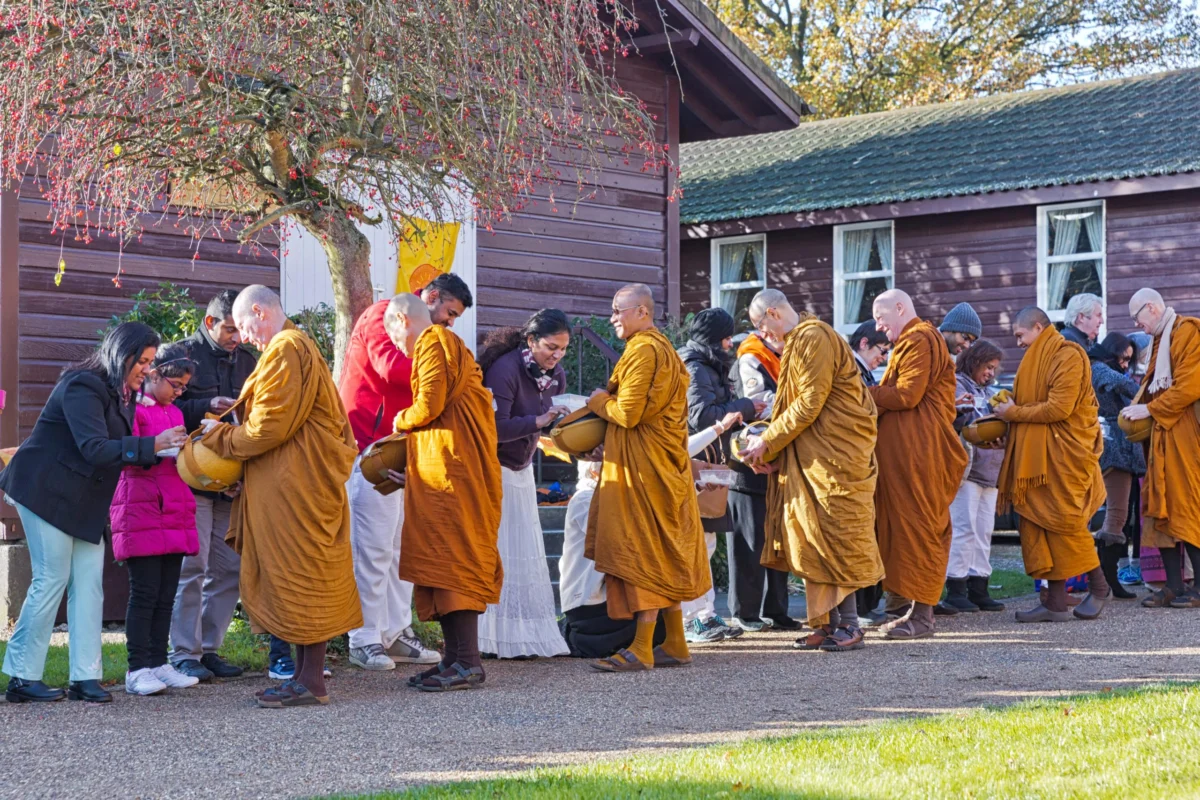
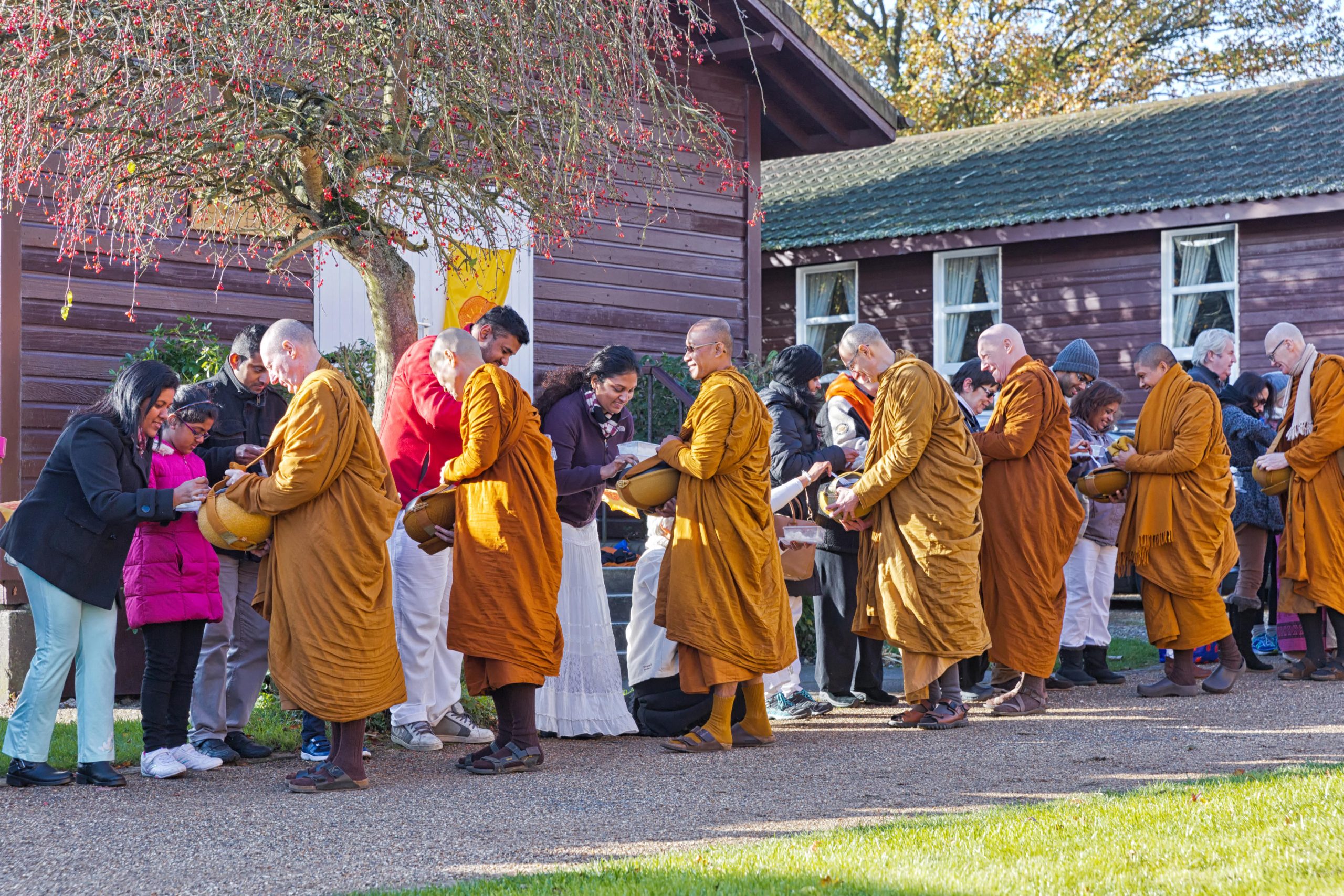
The danger lies in focusing on the idea of being mindful rather than the experience of it. Ajahn Sumedho recounts an anecdote from his time at Wat Pah Pong, a Buddhist monastery in Thailand, that vividly illustrates this pitfall. During an alms round, he reminded himself, "You must be mindful, Sumedho, and when you come back from your alms-round you must remember your umbrella. Remember where it is so that you can take it back to the monastery." Despite this mental directive, he returned to the monastery having forgotten the umbrella. His concentration on the act of walking mindfully had not translated into broader awareness of his surroundings or the task at hand.
This experience highlights a critical distinction: concentration and mindfulness are not synonymous. Concentration can be a focused effort on a specific object or activity, while mindfulness encompasses a broader, more open awareness of the present moment. As Ajahn Sumedho puts it, "when one just concentrates on walking in a certain way or doing something else, one is not necessarily mindful." True mindfulness involves noticing "the way it is, where we are, the time, and the place."
The Perils of Fixed Ideas and Willpower
Further examples from Ajahn Sumedho’s teachings underscore the limitations of approaching mindfulness through rigid adherence to techniques or sheer willpower. He describes a painful experience while walking barefoot on a bumpy, rooty path, repeatedly reminding himself to "be mindful." In his intense effort to be mindful, he ended up stubbing his toe multiple times. His internal monologue, "You’re not being mindful at all! You’re just a hopeless case!" reveals how his fixation on trying to be mindful paradoxically led to heedlessness.
This tendency to develop "fixed ideas about following certain meditation techniques or special practices" without considering the broader context is a common human error. It overlooks the inherent limitations of the human body, the specific circumstances of time and place, and the interplay of various factors.
An instance from a meditation monastery where practitioners were encouraged to do everything "incredibly slowly" serves as a cautionary tale. When an important meeting was scheduled, the slow pace of some individuals led to a significant delay, forcing everyone to wait for forty-five minutes. Ajahn Sumedho found this approach to be neither wise nor considerate. He posits that true wisdom lies in adapting one’s actions to the demands of the situation. If punctuality is required, one might need to set off earlier or adjust one’s pace accordingly. This requires "wisdom rather than just mere willpower or blind grasping of conditions."
Mindfulness in Community and the Importance of Wisdom
The teachings then shift to the practical application of mindfulness within a community setting, specifically in a monastery. Ajahn Sumedho emphasizes the importance of being mindful of the community’s established rules, customs, and traditions, referred to as vinaya. In a sangha (monastic community), agreement to live by certain principles is paramount. Deviating from these norms or acting solely according to personal desires can lead to discord and a lack of joy.
The essence of community life, he argues, lies in sensitivity, care, consideration, and thoughtfulness towards others. A life devoid of generosity, respect, and giving is described as a "joyless life." This is directly contrasted with selfishness, which is deemed "nothing more joyless." The pursuit of personal gain and the assertion of one’s will within a community, even if achieved through seniority or physical presence, ultimately fail to bring true happiness. Instead, they hinder the attainment of peacefulness, equanimity, and serenity.
As one gains seniority within the sangha, the responsibility to look after juniors and assist seniors grows. A community where members are self-centered and inattentive – failing to notice needs, ask questions, or take initiative – is described as frustrating and depressing. This is where the concept of "growing up" becomes relevant, implying a maturation of perspective that moves beyond self-interest.
The Allure and Illusion of Solitary Practice
The narrative then delves into the potential for spiritual practitioners, particularly Buddhist monks in Thailand, to succumb to a form of subtle selfishness under the guise of spiritual pursuit. The deep generosity of lay people in Thailand often provides monks with comfortable living conditions and abundant support. This can create an environment where a monk might rationalize a self-centered focus on personal enlightenment, believing "I must get enlightened and nobody else matters but me." Ajahn Sumedho labels this a "joyless and dry way to live," a "narrow-minded way" that becomes "increasingly dreary."
Ajahn Sumedho himself experienced a turning point when Ajahn Chah, his spiritual teacher, pushed him into more responsible positions. Initially resistant to teaching or taking on duties, Ajahn Sumedho harbored romantic notions of solitary spiritual pursuits, such as living in a cave or developing magical powers. He admits to finding the idea of thinking about others "not very attractive," drawing parallels to his less-than-ideal married life. He was even praised for being a seemingly "good monk" by being solitary and self-focused.
However, life’s circumstances, guided by Ajahn Chah’s influence, forced a shift in perspective. He began to realize that this self-centered path would lead to misery and unhappiness. This realization spurred a change in his outlook, prompting him to ask, "How can I help? What can I do?"
Gratitude and the Service of Others
A pivotal experience occurred in 1974 during a visit to India, where Ajahn Sumedho felt a profound sense of gratitude – kataveda – towards the Buddha, Ajahn Chah, Thailand, and the lay supporters. This sense of appreciation, coupled with numerous opportunities for further spiritual exploration in idyllic settings, led him to a significant decision: to return to Thailand and serve Ajahn Chah.
He recognized that his ability to translate Thai for the growing number of Westerners at Wat Pah Pong was a valuable service. He chose to return not to escape the Westerners, but to offer his skills. This marked a conscious commitment to being a "non-complaining monk," willing to undertake any task or go to any monastery, even the most challenging, without seeking personal advantage.
He specifically recalls volunteering for Wat Suan Gluay, known as "Banana Garden Monastery," a difficult and unattractive place with coarse villagers and poor food. His motivation was to assist Ajahn Chah by taking on a role that few others desired. Although his initial request to go there was denied, this underlying willingness to serve laid the groundwork for future responsibilities. He later found himself responsible for a new monastery, humorously dubbed "Wat Pah America" due to the predominantly American composition of its early monks.
The Collective Responsibility of Community
The health and effectiveness of any community, Ajahn Sumedho asserts, are directly proportional to the contributions of its members. "One person can’t make this community good by himself." The cultivation of a truly beneficial monastery requires collective effort and a willingness to "give ourselves to it by opening our hearts and taking on responsibilities." This involves being sensitive to the needs of others, the prevailing circumstances of time and place, and the cultural context – all integral aspects of mindful practice.
The act of offering one’s services and demonstrating eagerness to help is highly commendable and essential for community well-being. It is not always about doing what is personally desired, but about recognizing the importance of contributing to the collective good. In a monastery, members are encouraged to "reflect wisely on how to support and help the whole community in the position where [they] find [themselves]."
The Abbot’s Reflection and the Junior’s Contribution
Ajahn Sumedho uses his own position as abbot at Amaravati to illustrate this principle. Instead of asserting authority or seeking personal gain, a wise abbot reflects on how to utilize their position for the welfare of the entire community. This stands in stark contrast to a tyrannical approach, which prioritizes personal rights and privileges.
This principle extends to all members of the community, regardless of their seniority or role. From the most junior anagarika (a lay monastic aspirant) to the guests, each individual is encouraged to consider, "In my position, what can I do for the welfare and happiness of the community?" Whether a new, middling, or senior bhikkhu, a samanera, an anagarika, or a visitor, the question remains: "How can I best serve this community with my talents and abilities, and the limitations I have?" Such a collective mindset fosters a harmonious community where everyone contributes to its support.
Moving Beyond Rights to Service
The teachings advocate for a shift from a mindset of demanding rights and privileges to one of offering service. This involves recognizing that grasping for personal gain or expecting entitlements based on seniority or experience is an inferior attitude. The pursuit of "rights" – such as what perks one receives after a certain number of vassa (monastic years) – is contrasted with a more mature, dhamma-aligned attitude of offering service. The core question for all members should be, "How can I best help and serve this community?"
The tradition of tudong (wandering ascetic practice), often undertaken after five vassa, is presented not as inherently problematic, but as a potential hindrance if viewed as an entitlement. The danger lies in rigidly holding onto such ideas without critical self-reflection. Being dishonest with oneself, demanding rights, and clinging to personal views and opinions are seen as obstacles to understanding the dhamma and ultimately to realizing nibbana (enlightenment).
The Ultimate Goal: Freedom from Suffering
The article concludes by reiterating the fundamental nature of selfishness, self-concern, and grasping as sources of pain (dukkha). These states do not lead to peace, clarity, or the cessation of suffering that is the ultimate aim of Buddhist practice. The realization of nibbana, characterized by desirelessness and the letting go of these afflictive states, is presented as the true purpose of the spiritual path. The teachings, therefore, offer a profound reorientation, moving the focus from personal acquisition of mindfulness to a natural, wise, and compassionate engagement with life and community, ultimately guiding practitioners towards the cessation of suffering.

