

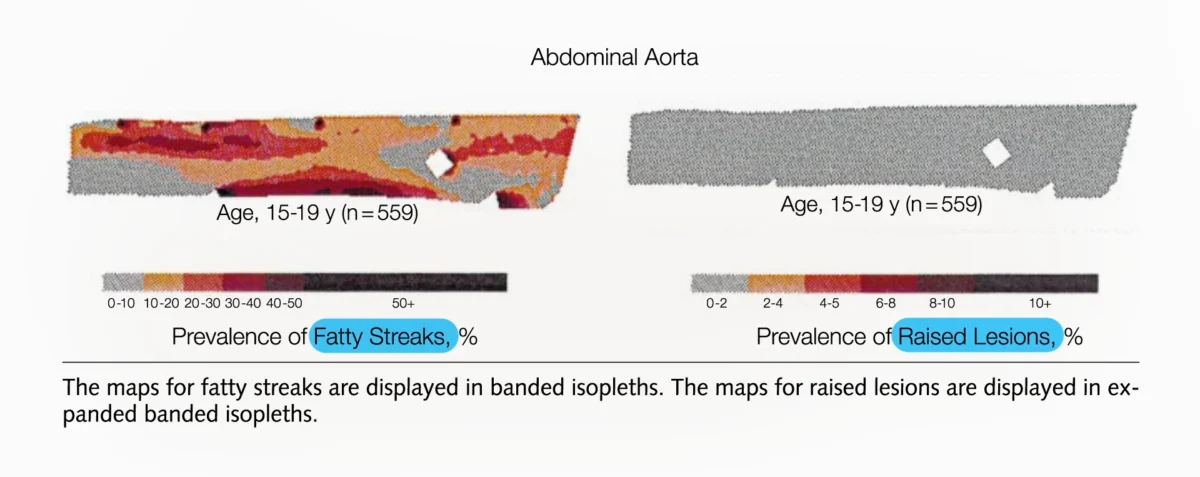
The stark reality of heart disease, a leading cause of mortality worldwide, begins not in the twilight years of life, but often in the formative stages of adolescence. Emerging research and extensive studies paint a concerning picture: the very foundations of cardiovascular health are laid, or tragically undermined, during youth, suggesting that lifestyle interventions implemented early could dramatically outshine the efficacy of pharmaceutical approaches later in life. This comprehensive analysis delves into the alarming onset of atherosclerosis, the progressive hardening and narrowing of arteries, and explores the profound implications of adopting healthy lifestyle choices from an early age to combat this pervasive threat.
The Early Onset of Arterial Disease
Atherosclerosis, the primary culprit behind heart attacks and strokes, has been observed to commence in the arteries of individuals as young as their teenage years. A significant body of research, including investigations that examined approximately 3,000 sets of coronary arteries and aortas from individuals aged 15 to 34, reveals a disturbing trend. These studies, often conducted on victims of accidental death, homicide, or suicide, provide a unique window into the preclinical stages of cardiovascular disease.

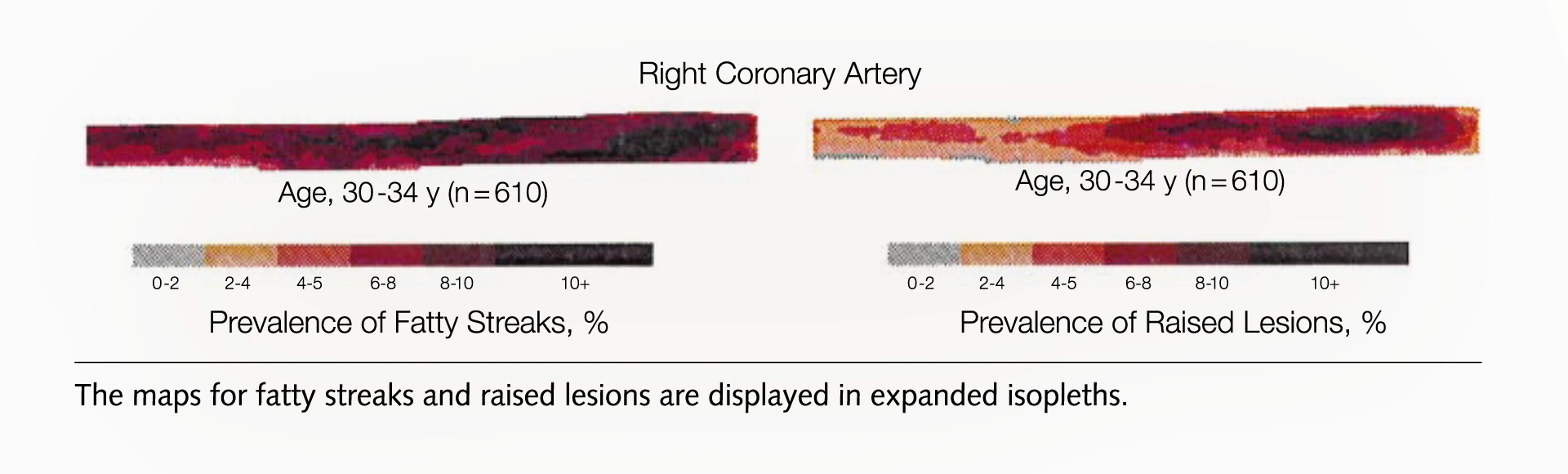
The findings indicate that fatty streaks, the earliest visible indicators of atherosclerosis, can be present in the arteries of teenagers. These initial deposits, often asymptomatic and undetected, progress into more complex atherosclerotic plaques in individuals in their twenties. As these individuals enter their thirties, these plaques tend to enlarge and calcify, significantly impeding blood flow. The consequences of this arterial stiffening are dire, leading to potentially fatal events such as heart attacks when the coronary arteries supplying the heart muscle become obstructed, or strokes when blood flow to the brain is compromised. The progression can be visualized through imaging studies, highlighting the gradual encroachment on arterial lumen by these pathological developments.
A Disturbing Prevalence in Young Adults
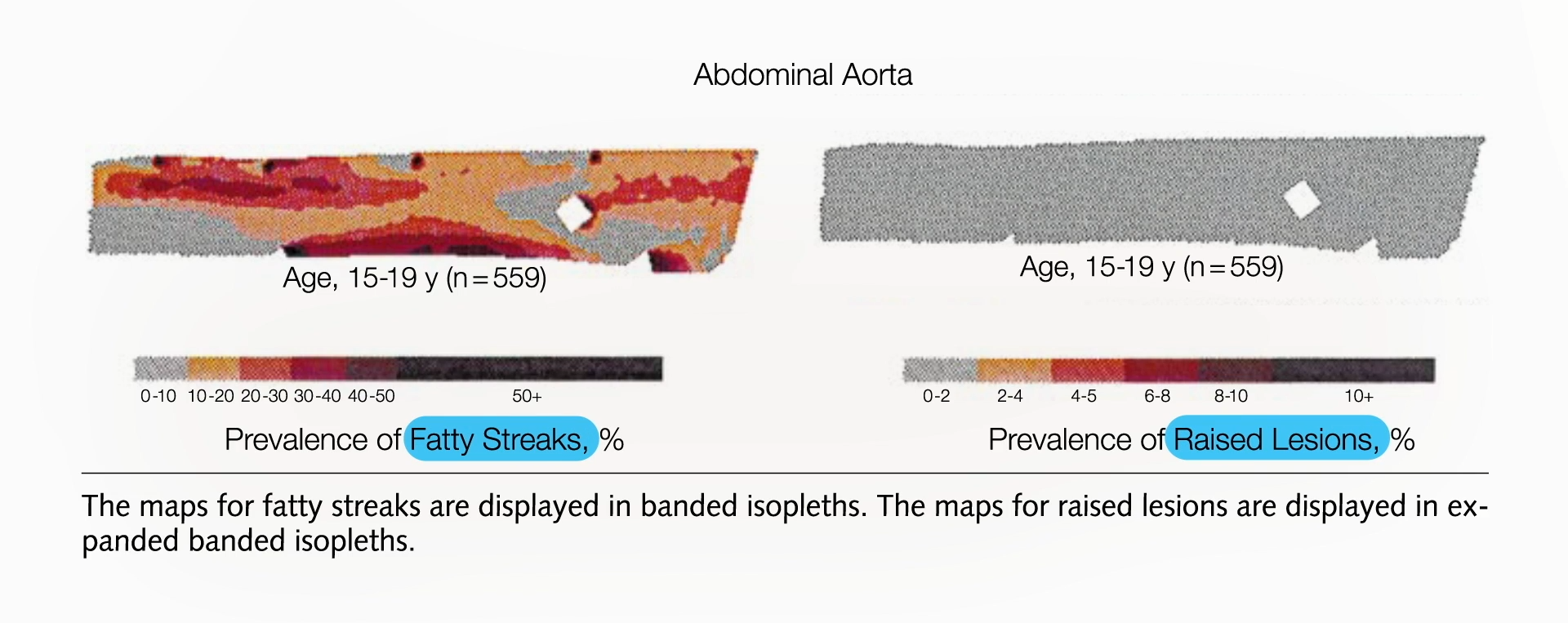
The prevalence of these early arterial changes is alarmingly high. Studies have consistently reported that 100% of adolescents examined in certain cohorts exhibited fatty streaks within their arteries. By their early twenties, a substantial proportion of individuals already present with these streaks evolving into atherosclerotic plaques. This transformation is particularly noted in the abdominal aorta, the body’s main artery responsible for distributing oxygenated blood from the heart to the lower body.
The timeline of this progression is critical:
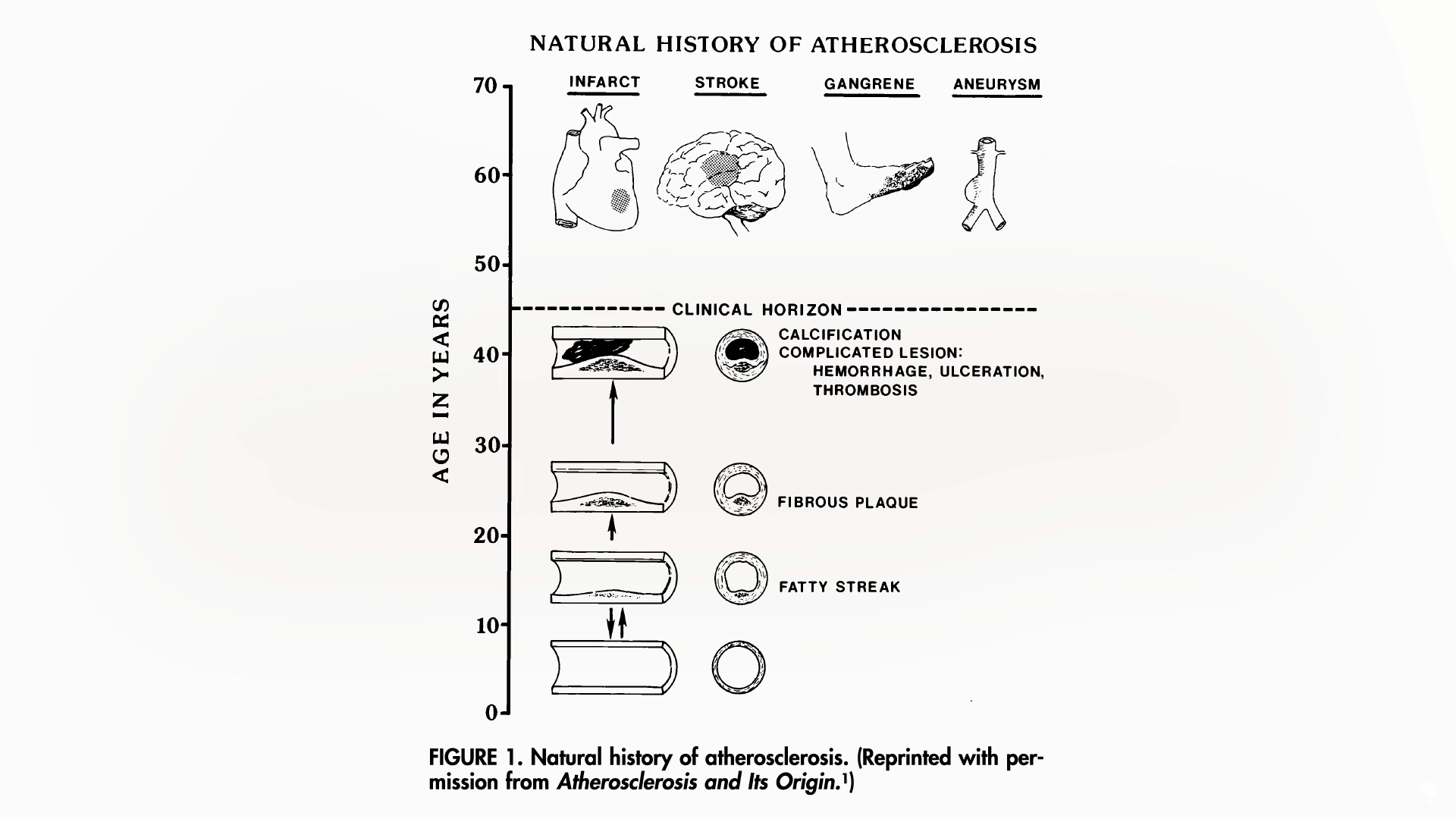
- Adolescence (15-19 years): Fatty streaks are widely observed throughout the aorta. At this stage, the development of frank atherosclerotic plaques is less common, but the underlying inflammatory processes are clearly at play.
- Early Twenties: Plaques begin to appear, primarily in the abdominal aorta. Fatty streaks continue to be prevalent.
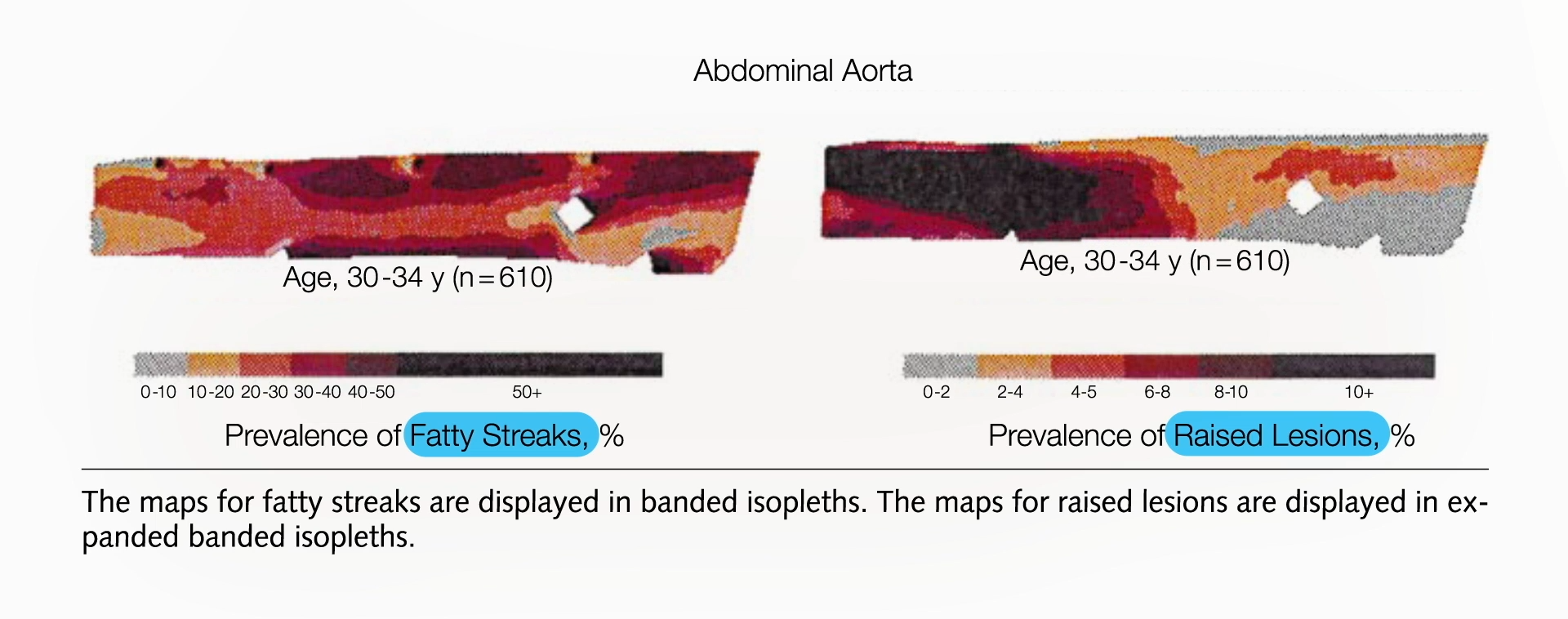
- Late Twenties: The process accelerates, with plaques becoming more widespread and significant in the abdominal aorta. Fatty streaks have infiltrated more extensively.
- Early Thirties: Arterial health has demonstrably deteriorated. By this age, a majority of individuals present with noticeable atherosclerotic plaques in their coronary arteries, the vessels that nourish the heart muscle itself.
This chronicity underscores a fundamental challenge in cardiovascular health: the disease process is well underway long before any symptoms manifest, making early intervention and prevention paramount. The implications of this early onset suggest that standard medical interventions, often initiated only after the disease has progressed significantly, may be playing catch-up rather than preventing the initial damage.
The Power of Lifestyle: A Near 90% Risk Reduction
The question then arises: why do healthy lifestyle choices appear to possess a far greater capacity to mitigate heart attack risk (potentially up to 90%) compared to pharmaceutical interventions (typically offering a 20% to 30% reduction)? The answer lies in the duration and fundamental impact of these choices on the underlying disease process.
A groundbreaking insight comes from studies of individuals with a specific genetic mutation in the PCSK9 gene. Approximately 1 in 50 individuals of African American descent are born with this mutation, which naturally leads to a lifelong reduction in LDL cholesterol levels by about 40%. These individuals exhibit dramatically lower rates of coronary heart disease, experiencing an 88% reduction in risk compared to those without the mutation, even when other cardiovascular risk factors, such as high blood pressure, overweight, smoking, and diabetes, are present. This phenomenon highlights the potent protective effect of sustained low LDL cholesterol.
The average LDL cholesterol level in individuals with this protective mutation was found to be around 100 mg/dL, compared to 138 mg/dL in those without it. This suggests that a lifelong maintenance of LDL cholesterol below 100 mg/dL, achieved through natural means, can confer extraordinary protection against heart disease. The key differentiator appears to be the duration of sustained low LDL levels. A genetic predisposition for lifelong low LDL cholesterol, even with less than ideal lifestyle habits, confers a near 90% reduction in risk. This contrasts sharply with the more modest risk reductions offered by statin medications, which, while effective in lowering LDL, are often initiated later in life and may not replicate the profound, long-term benefits of naturally occurring low cholesterol.
The Crucial Role of Early Intervention
The understanding that atherosclerosis begins in youth and that lifelong low LDL cholesterol offers substantial protection leads to a critical conclusion: the most effective strategy for preventing heart disease is not reactive, but proactive and deeply ingrained from the earliest stages of life. Waiting until heart disease becomes symptomatic is akin to waiting for a house to burn down before addressing faulty wiring.
Implications for Public Health Policy and Personal Choices:
- Primordial Prevention: The concept of "primordial prevention"—preventing the risk factors for disease from ever developing—takes on heightened importance. This emphasizes the need for public health initiatives and educational programs that promote healthy eating habits from infancy and early childhood.
- Dietary Focus: Lowering LDL cholesterol is a primary target for preventing atherosclerosis. This is most effectively achieved through a diet low in saturated fat and cholesterol. Such a diet typically emphasizes whole, plant-based foods and limits the consumption of eggs, red meat, dairy products, and processed "junk" foods.
- Addressing the "Radical" Proposal: The notion of fundamentally altering dietary habits from infancy might seem "radical" to some, but the scale of the problem—atherosclerosis as the leading cause of death—warrants such a profound shift. The success in reducing smoking rates and subsequent lung cancer incidence serves as a powerful precedent, demonstrating that significant behavioral changes are achievable and can yield dramatic public health benefits.
- Safety and Efficacy of Plant-Based Diets: Organizations like the Academy of Nutrition and Dietetics affirm the safety and appropriateness of strictly plant-based diets for all stages of life, including pregnancy. This scientific consensus debunks any myths about the necessity of animal products for optimal health and strengthens the case for dietary shifts.
Pharmaceutical Interventions: A Different Paradigm
While medications like statins have a proven track record in reducing cardiovascular risk, their efficacy is often understood within a different context. When used later in life to halt the progression of established coronary atherosclerosis, LDL levels may need to be significantly lowered, often below 70 mg/dL, to achieve a meaningful impact. For individuals attempting to reverse the consequences of a lifetime of poor dietary choices, even more aggressive LDL reduction, potentially down to 55 mg/dL or even 30 mg/dL, might be necessary to stabilize existing plaques and prevent future events.
The fact that a genetic predisposition for lifelong low LDL can reduce risk by nearly 90% while statins offer a 20-30% reduction points to a crucial difference in the duration of the intervention. The body’s response to a consistently low-cholesterol environment over decades is fundamentally different from a later-life intervention with medication, even if the absolute LDL levels achieved are similar. This suggests that pharmaceutical interventions, while vital for many, may not fully replicate the protective mechanisms afforded by a lifetime of healthy habits.
Broader Impact and Future Directions
The evidence unequivocally points towards a paradigm shift in cardiovascular disease prevention. The focus must move from treating established disease in middle age and beyond to cultivating lifelong cardiovascular health, starting in childhood.
Key Takeaways and Future Research Avenues:
- Public Health Imperative: Policymakers and public health organizations must prioritize initiatives that promote healthy eating from the earliest years of life. This includes robust nutritional education in schools, accessible healthy food options, and clear public messaging about the risks of early arterial disease.
- Individual Responsibility: Individuals must understand that their dietary choices today have a direct and profound impact on their future cardiovascular health. Proactive engagement with healthy eating, even when asymptomatic, is the most powerful tool available.
- Longitudinal Studies: Continued longitudinal studies are crucial to further elucidate the long-term effects of various dietary patterns and lifestyle interventions on atherosclerosis progression and cardiovascular outcomes across the lifespan.
- Personalized Medicine: While the broad strokes of healthy eating apply to all, future research may also focus on personalized approaches to nutrition and lifestyle based on individual genetic predispositions and metabolic profiles.
The journey toward a heart-healthy life begins not with a prescription, but with a plate. By embracing a lifestyle that prioritizes nutrient-rich, whole foods from infancy, we can effectively combat the silent epidemic of atherosclerosis, potentially wiping out the vast majority of our risk for heart attack and paving the way for a healthier future. The choice is clear: invest in lifelong health early, or face the escalating costs of managing disease later. The scientific consensus is building, and the message is undeniable: the power to prevent heart disease lies largely within our daily dietary decisions, starting from the earliest moments of life.

