

The prevailing narrative surrounding cancer has long been dominated by the pursuit of cures, a focus that has consumed vast resources and research efforts for decades. However, a growing body of scientific inquiry suggests that the true foundation of cancer prevention lies not in pharmaceutical interventions, but in the fundamental building blocks of a plant-based diet. This perspective challenges the decades-old "war on cancer" strategy, which, despite significant advancements in treatment, has seen mortality rates from common cancers remain stubbornly high.
The Long Latency of Cancer: A Hidden Battle
The notion that cancer strikes suddenly is a misconception, according to leading researchers. The majority of common epithelial cancers, including those of the lung, colon, breast, prostate, pancreas, and ovary, are characterized by a protracted latency period. This means that the disease can be developing within the body for 20 years or more before detectable symptoms emerge. This extended timeline underscores the critical importance of early intervention and preventive measures, as the pathological processes leading to cancer are well underway long before a diagnosis is made.
This extended incubation period has led to a "bizarre misperception that people are ‘healthy’ until they have actual symptoms of invasive cancer," as one prominent pharmacology professor noted. However, this perspective overlooks the insidious nature of cellular damage and transformation. The analogy of a barn smoldering before it ignites serves as a stark reminder: a seemingly healthy exterior can mask underlying, progressive deterioration.
The Pharmaceutical Approach: Chemoprevention and Its Limitations
In light of the long latency of cancer, the pharmaceutical industry has increasingly explored chemoprevention – the use of drugs to prevent disease. This strategy is well-established in cardiovascular health, where statins and blood thinners are widely prescribed to ward off heart disease and strokes. The logical extension of this approach, proponents argue, is to offer daily, lifelong medication for cancer prevention.
However, the efficacy and broad applicability of such an approach for cancer face significant challenges. Cancer is not a monolithic disease; it encompasses over 200 distinct types, each with its own unique biological mechanisms. While pharmaceutical interventions may target specific pathways or genetic mutations associated with certain cancers, the development of drugs capable of addressing the multifaceted nature of all cancer types remains an immense hurdle.

The Ten Hallmarks of Cancer: A Unified Framework
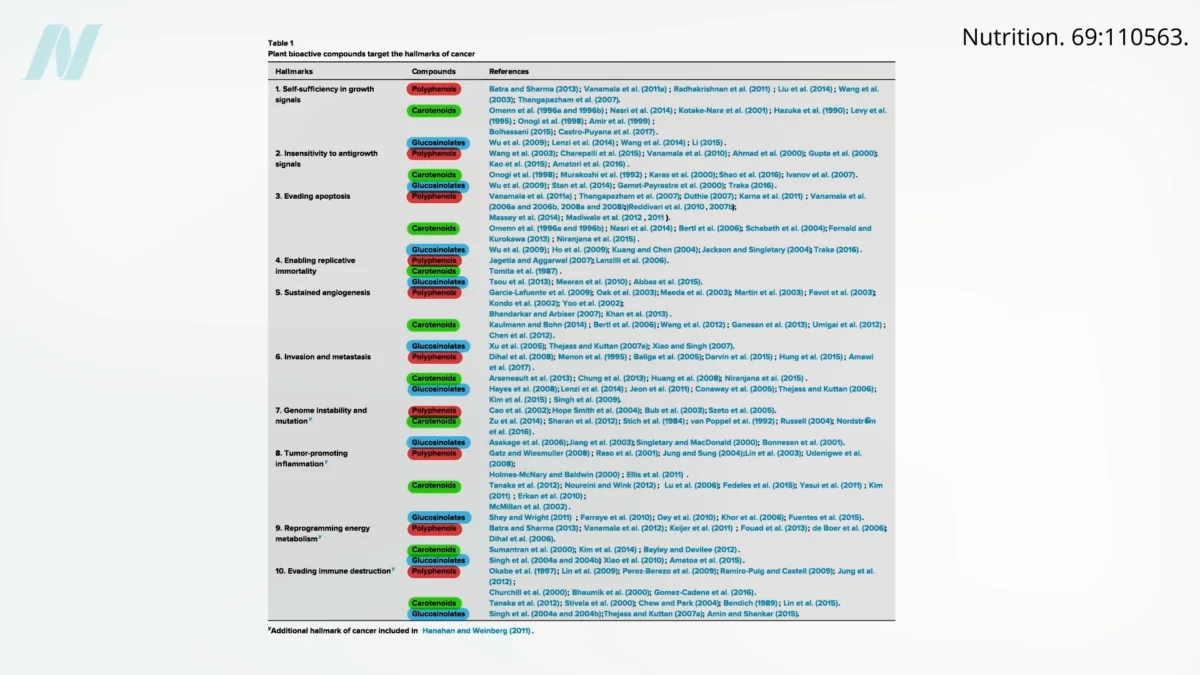
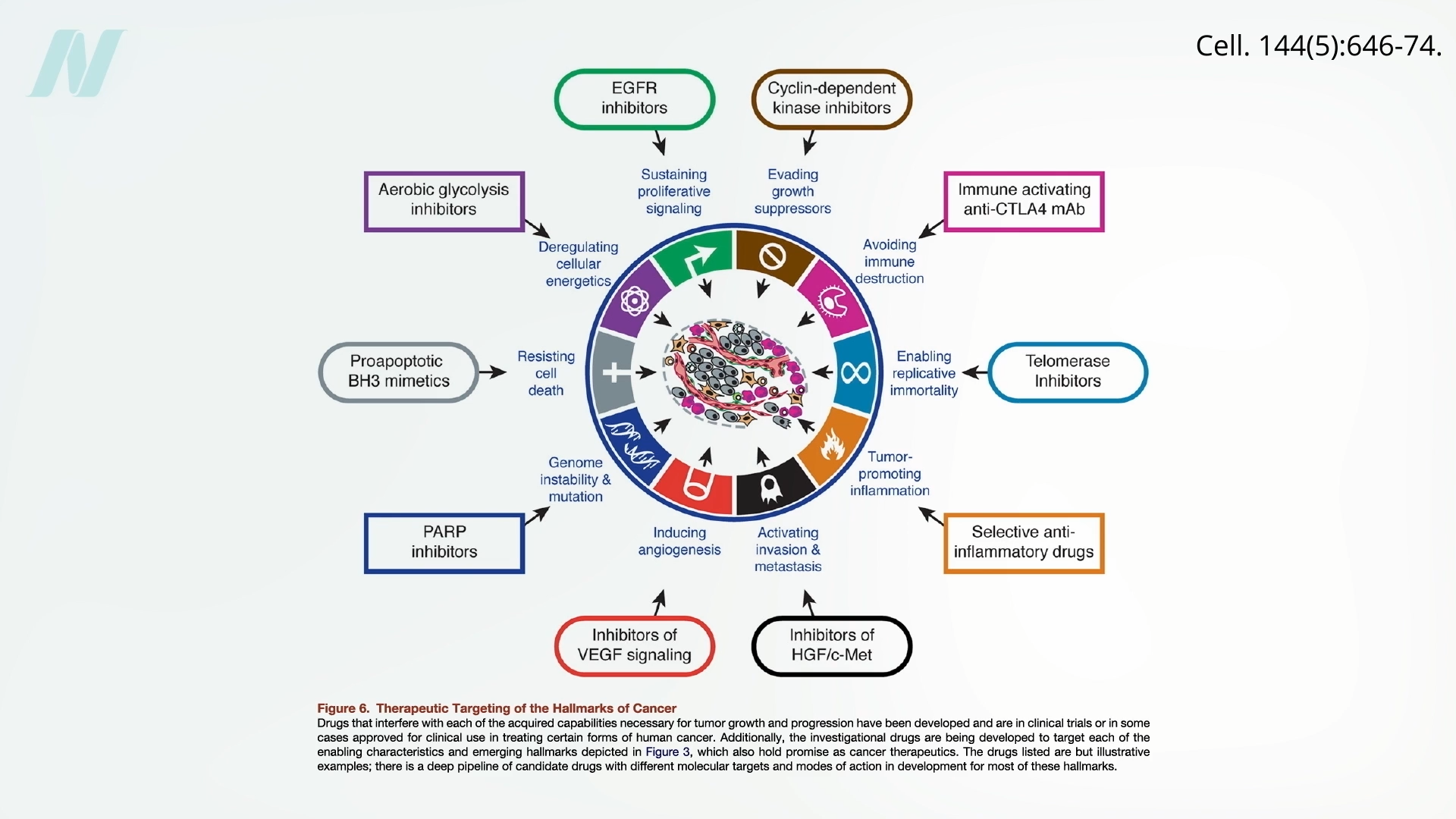
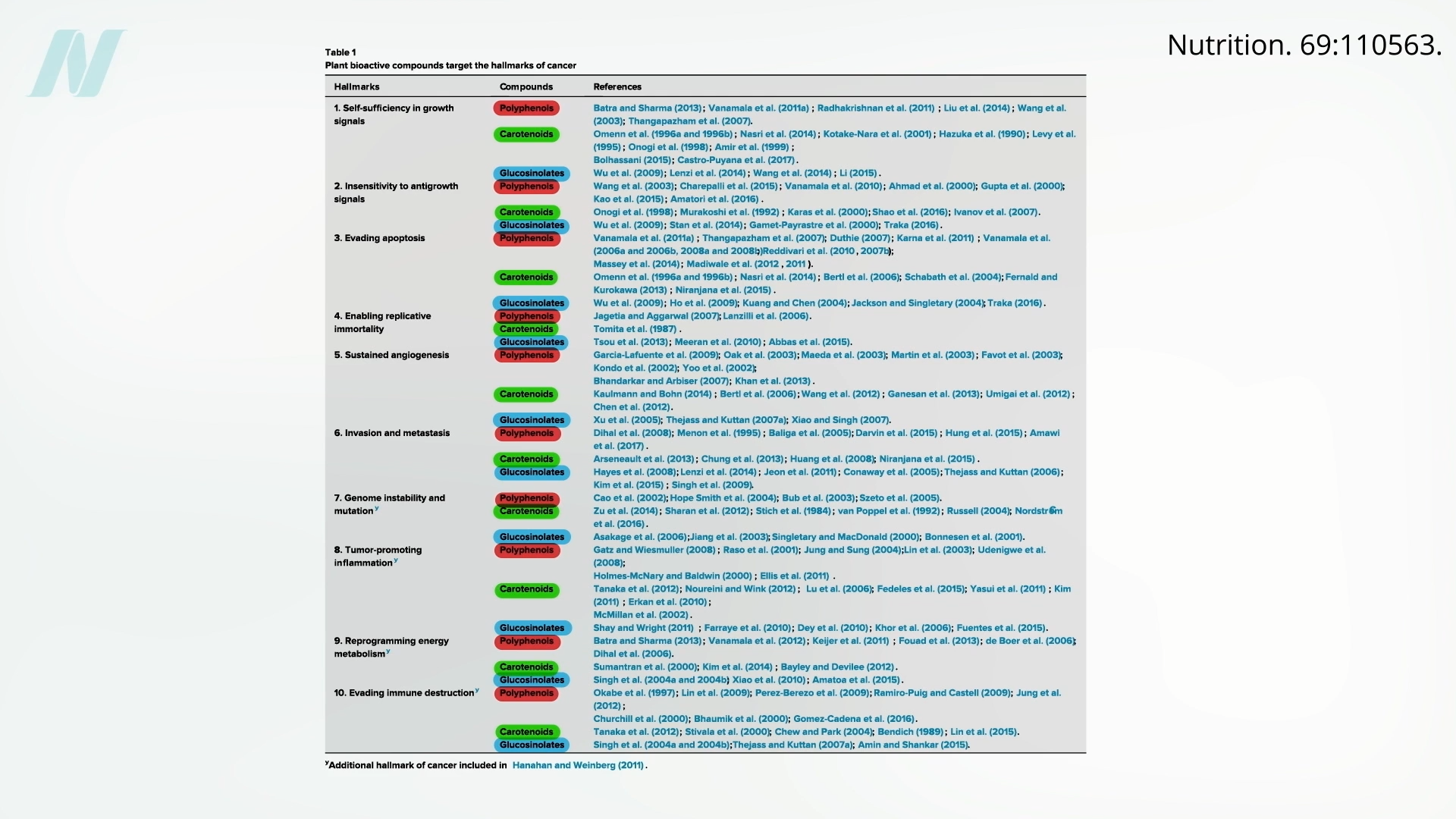
Despite the diversity of cancer types, research has identified ten fundamental characteristics, or "hallmarks," that are common to virtually all malignant tumors. These hallmarks represent the core capabilities that cancer cells acquire to grow, proliferate, and evade the body’s defenses. They include:
- Sustaining proliferative signaling: Cancer cells can generate their own growth signals, overriding normal regulatory mechanisms.
- Evading growth suppressors: They resist signals that normally halt cell division.
- Resisting cell death: Cancer cells can avoid programmed cell death (apoptosis).
- Enabling replicative immortality: They can divide indefinitely, overcoming the normal limits of cell division.
- Inducing angiogenesis: Tumors can stimulate the formation of new blood vessels to supply themselves with nutrients and oxygen.
- Activating invasion and metastasis: Cancer cells can spread to distant sites in the body.
- Deregulating cellular energetics: They can reprogram their metabolism to fuel rapid growth.
- Avoiding immune destruction: Cancer cells can evade detection and elimination by the immune system.
- Genome instability and mutation: They accumulate genetic errors that drive further evolution and resistance.
- Tumor-promoting inflammation: Chronic inflammation can create a microenvironment that supports cancer growth.
Traditionally, chemotherapy agents have been developed to target these hallmarks individually, akin to a piecemeal approach to a complex puzzle. While these targeted therapies have yielded significant improvements in outcomes for specific cancers, the development of drugs that can simultaneously counteract multiple hallmarks remains a significant challenge for pharmaceutical development.
The Power of Plants: A Holistic Approach to Cancer Prevention
This complexity has led many researchers to advocate for the investigation of plant-based foods as a more holistic and potentially more effective strategy for cancer prevention and treatment. The rationale is compelling: whole plant foods contain a vast array of bioactive compounds that can act in concert to target multiple hallmarks of cancer simultaneously.
Consider the synergy observed in studies. Research has demonstrated that individual plant compounds, when tested in isolation, may show limited efficacy against cancer cells. However, when these same compounds are combined at levels achievable through dietary intake of fruits, vegetables, and other plant-based foods, they can exhibit remarkable potency.
Case Study: The Phytochemical Supercocktail
A compelling study investigated the effects of a "phytochemical supercocktail" on breast cancer cells. In this research, six different plant compounds, typically found in foods such as broccoli, grapes, soybeans, and turmeric, were administered individually and then collectively to two breast cancer cell lines. The results were striking:
- Individual compounds were largely ineffective.
- The combined cocktail significantly suppressed breast cancer cell proliferation by over 80%.
- It inhibited cancer cell invasion and migration, effectively halting the spread of the disease.
- The cocktail induced cell cycle arrest, stopping cancer cells in their tracks.
- Ultimately, it led to the complete elimination of the cancer cells.
Crucially, these potent effects were achieved without causing any discernible harm to normal, non-cancerous cells used as controls. This selectivity, targeting cancerous cells while sparing healthy ones, is a hallmark of an ideal chemopreventive agent.
The Ideal Chemopreventive Agent: Nature’s Design
When envisioning the perfect candidate for cancer prevention, several key attributes come to mind:
- Selectivity: The agent should preferentially target cancerous or precancerous cells, leaving healthy cells unharmed.
- Safety: It should be free of significant side effects.
- Broad Spectrum: It should be effective against a wide range of cancer types.
- Dietary Integration: It should be easily incorporated into a daily diet.
- Accessibility: It should be readily available to most populations.
- Affordability: It should be cost-effective.
Plant-based foods, when consumed as whole foods, meet all these criteria. This inherent alignment with the principles of effective cancer prevention is a primary reason why individuals who consume more plant-based diets tend to exhibit lower cancer rates.
Food Synergy: The Whole is Greater Than the Sum of its Parts
The scientific community’s historical tendency to focus on single dietary components – a reductionist approach – has provided valuable insights into the role of individual nutrients. However, this approach often overlooks the profound concept of food synergy. This principle posits that the combined effect of various components within a whole food, or a diet composed of multiple whole foods, can be far greater than the sum of their individual contributions.
The thousands of substances present in plant foods interact in complex ways, creating a rich tapestry of bioactive compounds that can work synergistically to promote health and combat disease. This is in stark contrast to the singular action of isolated phytochemicals or synthetic drugs.
A Shift in Focus: From Pharmaceuticals to the Plate
The implications of this paradigm shift are profound. It suggests that a fundamental reorientation of cancer research and public health initiatives is necessary. Instead of solely relying on the development of new pills and treatments, a greater emphasis must be placed on promoting dietary patterns that harness the preventative power of whole plant foods.
This perspective is supported by extensive research and global health organizations. For instance, updates from major reports on diet and cancer, such as those from the World Cancer Research Fund (WCRF), consistently highlight the foundational role of plants in cancer prevention.
Recommendations for a Plant-Centric Diet
Translating this scientific understanding into actionable advice for the public involves a clear message:
- Reduce consumption of alcohol, sugary drinks, red meat, and processed foods. These items have been linked to increased cancer risk and can detract from overall health.
- Center the diet around whole grains, a diverse array of vegetables, fruits, and legumes (beans and lentils). These food groups are rich in the essential nutrients, fiber, and bioactive compounds that contribute to cancer prevention.
This approach is not about taking supplements containing isolated extracts or purified phytochemicals, but rather about embracing a food system-based strategy. By prioritizing whole plant foods, individuals can access a natural "cocktail" of protective compounds that work in concert to bolster the body’s defenses against cancer.
The Historical Context: The "War on Cancer" and Its Unfulfilled Promise
President Richard Nixon’s declaration of a "war on cancer" in 1971 marked a significant escalation in national efforts to combat the disease. This initiative spurred considerable investment in research, leading to breakthroughs in understanding cancer biology and the development of more sophisticated treatment modalities, including chemotherapy, radiation therapy, and immunotherapy.
However, despite these advancements, the mortality rates from many common cancers in the United States have not experienced the dramatic decline that many had hoped for. This enduring challenge underscores the limitations of a solely treatment-focused approach and highlights the urgent need to bolster preventive strategies. The nearly 55 years since Nixon’s declaration have provided a stark lesson: while fighting cancer is essential, preventing it in the first place may be a more attainable and impactful goal.
Broader Impact and Future Implications
The growing recognition of plants as the foundation of cancer prevention has far-reaching implications for public health policy, agricultural practices, and individual lifestyle choices.
- Public Health Initiatives: Governments and health organizations may need to recalibrate their messaging and resource allocation to prioritize nutrition education and promote plant-based dietary patterns.
- Agricultural Policy: Policies could shift to encourage the production and accessibility of a wider variety of fruits, vegetables, and whole grains, making these healthier options more affordable and readily available.
- Healthcare Provider Education: Medical professionals will need to be equipped with up-to-date knowledge on the role of diet in cancer prevention and be able to provide evidence-based dietary recommendations to their patients.
- Individual Empowerment: For individuals, this shift offers a powerful sense of agency. By making informed dietary choices, they can actively participate in reducing their personal risk of developing cancer.
The scientific evidence increasingly points towards a future where cancer prevention is not primarily a pharmaceutical endeavor, but a dietary one. By embracing the power of plants, we can cultivate a healthier future, one meal at a time. The path forward lies in recognizing that the most potent weapons in the fight against cancer may not be found in a prescription bottle, but on our dinner plates.

