

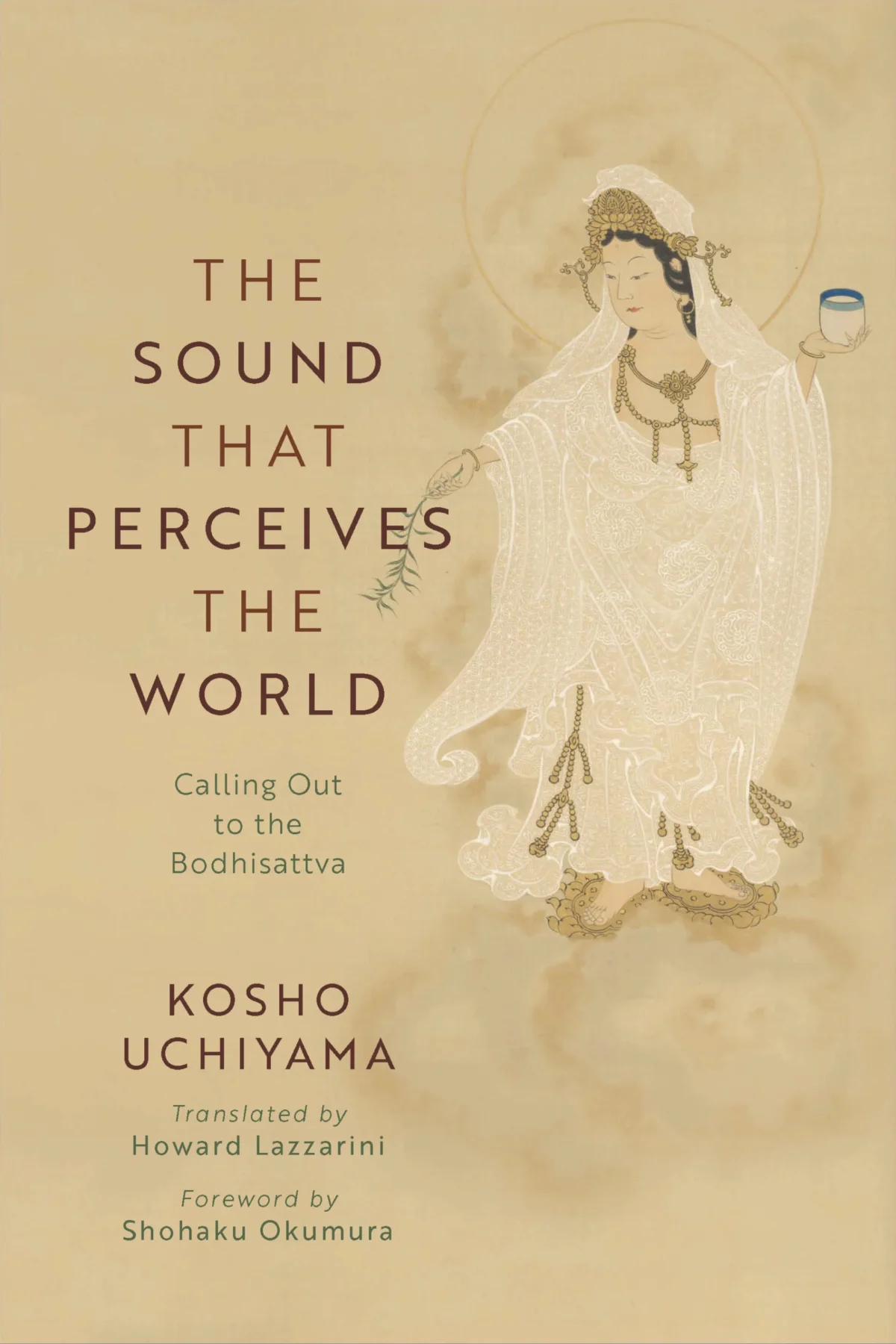
The persistent hum of modern life, often described as noise pollution, is a well-documented byproduct of the 20th century’s relentless progress and accompanying societal shifts. However, a more insidious form of pollution, one that resonates within the very architecture of our minds, frequently goes unexamined. This internal cacophony, a relentless stream of thoughts and feelings, often manifests as a linguistic echo chamber, shaping our perceptions and dictating our emotional responses. As explored in recent theological and philosophical discourse, understanding this internal soundscape is crucial to cultivating a more peaceful and meaningful existence.
The Linguistic Prison of Thought
At the core of this internal noise lies the fundamental human reliance on language to articulate and process thoughts. Our cognition, deeply intertwined with the linguistic frameworks we acquire, tends to translate abstract ideas into verbal constructs. For an individual raised speaking Japanese, their internal monologue will likely be articulated in Japanese, while for an English speaker, the same internal dialogue will unfold in English. This linguistic encoding is so profound that instances have been noted of individuals who have lived in multilingual environments for extended periods exhibiting bilingualism even in their sleep, a testament to the deep integration of language into the subconscious.
While languages serve as diverse vessels, they are ultimately designed to carry underlying meaning. Thoughts, being inherently meaningful ideas, find their clearest expression and organization within these linguistic structures. However, the spoken word, by its very nature, is a form of sound. Consequently, when thoughts arise spontaneously, the auditory imagery associated with these words invariably shapes the mental landscape, constructing internal representations that are both heard and felt.
This process can be observed in the common, internal dialogues that populate our minds: the hesitant inquiries, the speculative pronouncements, the reassurances, the frustrations, and the desires. Phrases like "What should I do?" or "Maybe it’s like this?" or "I don’t like that guy" or "I’m tired of living" are not merely abstract concepts. They are sounds, clothed in words, that form a persistent narrative within our heads. Even when these internal utterances do not manifest as fully formed words or distinct sounds, they coalesce into meanings that are invariably shaped by the agreed-upon forms and conventions of language.
The Dualistic Symphony of Discrimination
The sonic architecture of our internal world is profoundly shaped by our inherent capacity for discernment and evaluation. The sounds that arise within our minds are frequently characterized by a fundamental duality: grasping and rejecting, picking and choosing, loving and hating. These are the sounds of our engagement with the world, filtered through the "human yardstick" of our subjective experiences, preferences, and biases. This constant evaluation, this incessant measuring and categorizing, forms the bedrock of our individual realities.
This process of internal discrimination is not merely an intellectual exercise; it carries significant emotional weight. Our thoughts, when interpreted through this dualistic lens, become the "voice of our human nature calling out," constantly seeking to categorize and react to the external world based on our ingrained patterns of preference and aversion. This internal commentary, driven by a desire for satisfaction and an aversion to discomfort, can lead to a profound sense of dissatisfaction and unhappiness.
Seeking Refuge in the Perceiving Sound: The Practice of Kanzeon
In contrast to this often tumultuous internal discourse, many spiritual traditions offer practices designed to transcend the limitations of dualistic thinking. The chanting of the name Kanzeon Bosatsu (Avalokitesvara, the Bodhisattva Who Perceives the Sounds of the World) is presented as a profound act of taking refuge not in a deity, but in the very essence of pure perception.
True perception, as distinguished from our habitual forms of grasping and rejecting, operates at a level prior to the imposition of our personal "yardsticks." The sound that perceives the world, in this context, is the sound that exists before our discriminating mind begins its work. It is a state of being that aligns with the unity of mind and body, a profound trust in the present moment.
Chanting "Namu Kanzeon" is not simply the utterance of a mantra; it is an act of surrendering to this perceiving sound, of becoming one with it. This practice transcends the limitations of our individual desires and ego-driven narratives. The tradition suggests that other devotional chants, such as "Namu Kie Sanbo" (taking refuge in the Three Treasures: Buddha, Dharma, Sangha) or "Namu Amida Butsu" (taking refuge in Amida Buddha), can serve a similar purpose, provided the underlying intention is free from selfish desires. The 108 recitations of the Lotus Sutra serve as a powerful example, defining Kanzeon as the "Perceiver of the Cries of the World," a name earned through an attitude of selfless compassion.
Beyond Devotion: Kanzeon in Art and Everyday Life
The concept of Kanzeon extends beyond formal religious practices, encompassing elements of art and aesthetic appreciation that resonate with the human spirit. The timeless appeal of poetry and music, which often offer solace and a sense of understanding, can be seen as manifestations of this "sound that perceives the world." A common Japanese poetic sentiment, "Keep sunshine in your heart and a song on your lips," speaks to the inherent human need for beauty and emotional expression that can counteract internal turmoil.
However, the pervasive tendency to measure all experiences through the lens of personal satisfaction and self-interest can lead to a cycle of unhappiness. When individuals lament their perceived misfortunes or feel resentful towards others, they are often caught in a feedback loop of self-created dissatisfaction. This internal noise, fueled by attachment to egoic desires, can manifest as anger, vengefulness, or obsessive longing.
The Transformative Power of Sound and Stillness
The contrast between this self-generated noise and the peace found in practices like chanting is stark. When faced with overwhelming emotions or unfulfilled desires, engaging in activities that cultivate stillness and focus can provide a vital counterpoint. This can include listening to quiet music, singing hymns, or participating in traditional recitations, such as those found in Japanese Bunraku theater. These activities, when approached with a genuine desire for inner peace, act as a powerful antidote to the discriminating mind’s relentless chatter. They are, in essence, an embodiment of taking refuge in Kanzeon.
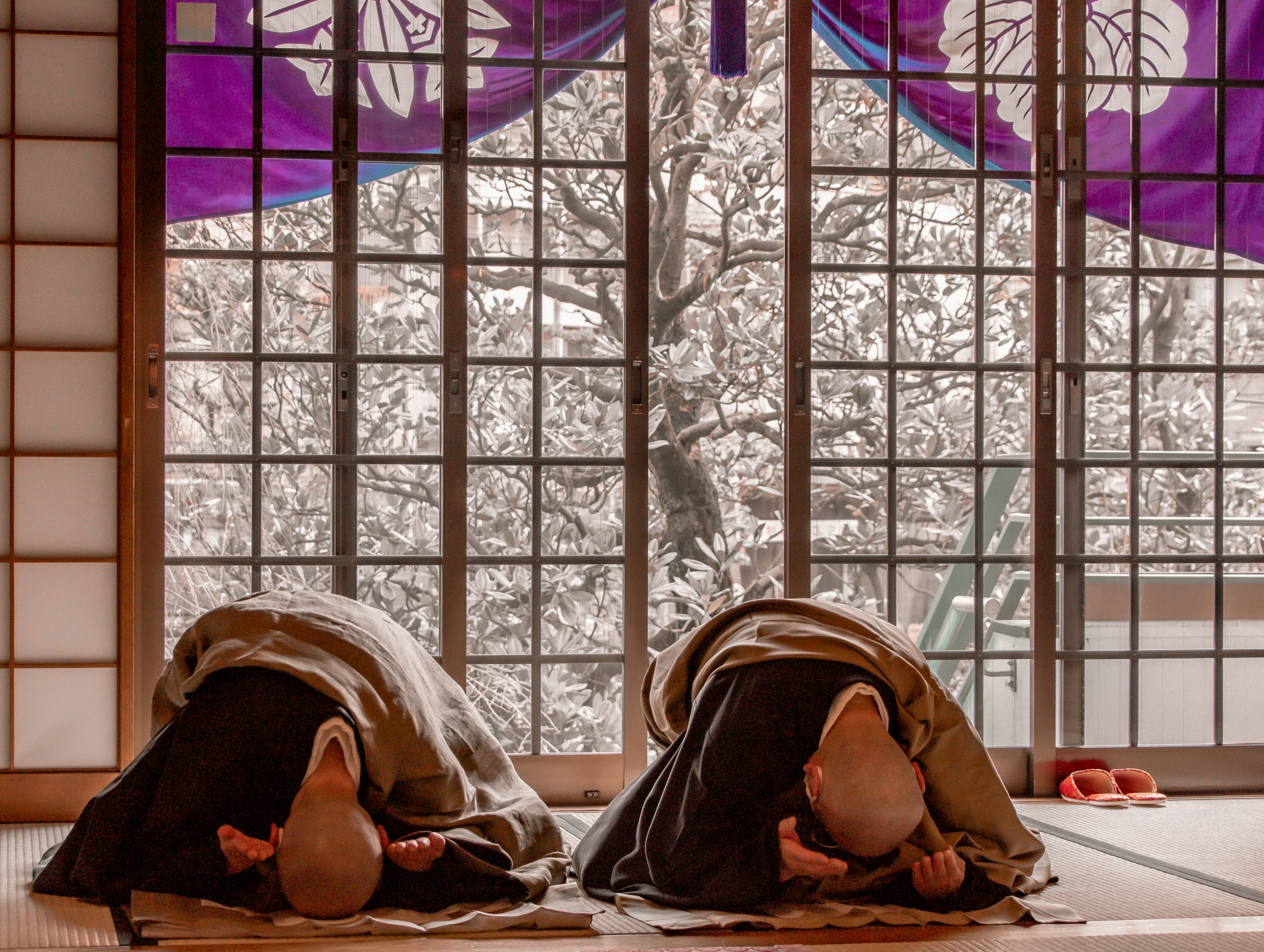
The distinction is crucial: if singing or engaging in art is solely contingent on a state of happiness, then its power to soothe during times of distress is lost. This is not the "religion of Kanzeon," which addresses the fundamental nature of the self, but rather a pleasant diversion. The true self, it is argued, is not found amidst the cacophony of conflicting emotions but within the quiet space of pure perception.
The Deeper Meaning of Practice: Beyond the Hobbyist
The attitude with which one approaches any practice, be it religious or artistic, determines its transformative potential. While hymns, symphonies, or even the practice of zazen (seated meditation) can serve as the "sound that perceives the world" or the "posture that perceives the world," they can also devolve into mere hobbies if the underlying intention is superficial. Those who express a casual appreciation for religion or spiritual practices, describing them as "cool" or enjoyable, may be missing the profound existential inquiry at their heart. Genuine practitioners, it is suggested, are characterized by a deeper engagement with the issues of the self, rather than treating spirituality as a pastime.
From a religious standpoint, an understated and plain approach is often favored over the ostentatious or garish. Flashy hobbies and superficial amusements can easily obscure the fundamental principles of spiritual practice. For instance, the chanting of Buddhist sutras is considered more effective in freeing individuals from conditioned thinking and the propensity for prejudice than the energetic dissonance of heavy metal music.
Echoes of Home: The Nostalgic Power of Pure Sound
The profound impact of pure, heartfelt sound on the human psyche is often experienced in moments of unexpected solace. The solitary echo of a hymn from a church or the quiet chanting of a sutra from a temple can evoke a deep sense of nostalgia, a connection to something fundamental and perhaps long-forgotten. This sentiment is eloquently captured in a classic Japanese poem:
"Although it is not yet snowing,
I am saddened by the snow-laden sky in this desolate wintry
scene,
from inside a window,
I hear a solitary voice chanting a sutra."
This experience highlights the mysterious and often inexplicable power of sound to touch our deepest emotional cores, offering a sense of comfort and connection even in moments of personal desolation.
The Body as a Vessel for Transformation
Beyond the realm of sound, the practice of managing one’s physical posture is also presented as a means to channel and transform internal energies. Just as a restless animal benefits from freedom of movement to dissipate excess energy, humans can utilize physical activity to manage their inherent "passions, carnal desires, and wild ideas."
This principle is evident in the ancient Greek sporting events, originally consecrated to the gods, and in the religious origins of music in many cultures. Practices like the tea ceremony and flower arranging, initially offered as tributes to the Buddha, served as ways to divert the mind from its inherent delusions through physical action.
However, the true meaning of practice lies not in viewing the body as a mere tool for achieving spiritual health or overcoming delusions. Instead, the practice itself—whether it is the sound of Kanzeon or the meditative posture of zazen—becomes an expression of the universe’s inherent nature. The body, when engaged in such practices, becomes a dignified and pious vessel that penetrates the entirety of existence.
The Self Discovered: Returning to True Form
When we approach practice with the sole intention of satisfying our ego or achieving personal goals, we lose sight of its deeper purpose. The goal is not simply to "transform delusions" but to embody the "Sound That Perceives the World" or the "Zazen Posture That Perceives the World." These practices are not about personal gain but about aligning with the fundamental rhythm of the universe.
The ultimate aim of wholeheartedly chanting the name of Kanzeon or engaging in shikantaza (just sitting) is to return to the true form of the self. This practice involves a profound understanding that Kanzeon, the perceiving sound, is functioning within us, whether we consciously perceive it or not. The act of chanting, therefore, is an expression of this inherent interconnectedness.
In this profound practice, human sentiment is not suppressed but transformed. The ego’s desires and emotional fluctuations are transmuted into the universal sound and the dignified posture that emanates from the cosmos. It is a return to a state of being where the self is simply the self, unburdened by the internal noise of judgment and desire, fully integrated with the vast and mysterious symphony of existence.

