

The stark contrast between the preventative power of healthy lifestyle choices and the more limited efficacy of pharmaceutical interventions in combating heart disease has emerged as a critical public health concern. While medications may offer a modest reduction in heart attack risk, typically between 20% and 30%, adopting a healthy lifestyle has been shown to potentially mitigate up to 90% of this risk. This significant disparity underscores the profound impact of our daily habits on cardiovascular health, particularly in light of research revealing the surprisingly early onset of arterial hardening.
The Silent Invasion: Atherosclerosis Begins in Adolescence
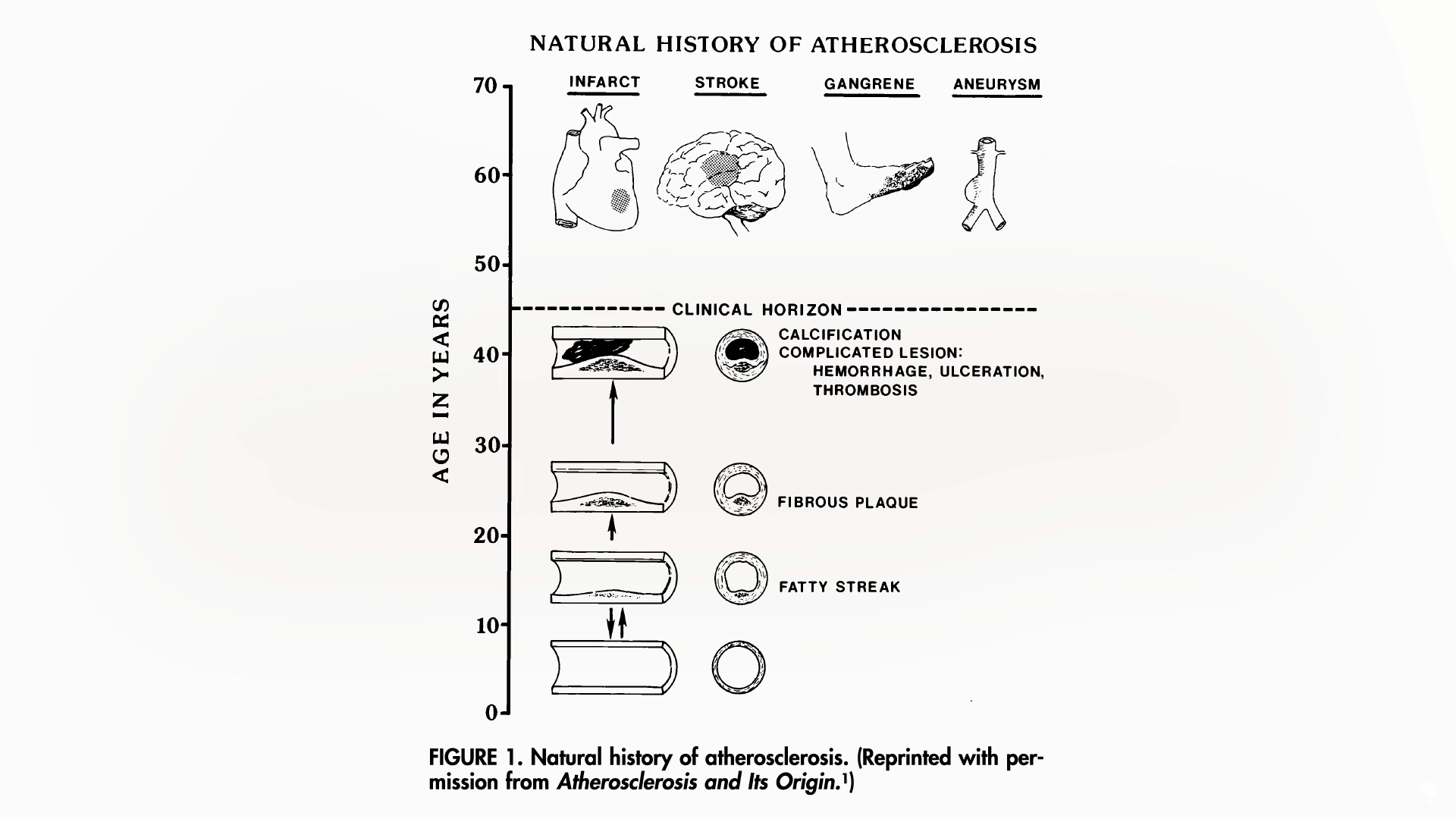
Atherosclerosis, commonly known as the hardening of the arteries, stands as the leading cause of mortality for both men and women globally. Disturbingly, evidence suggests that the genesis of this life-threatening condition can be traced back to the teenage years. Investigative studies examining approximately 3,000 sets of coronary arteries and aortas from individuals aged 15 to 34, who tragically died from accidental causes, homicides, or suicides, have provided compelling insights. These autopsies revealed the presence of fatty streaks within the arteries of adolescents, a precursor to the more advanced atherosclerotic plaques that can develop in one’s twenties and worsen significantly by the thirties. These plaques, if left unchecked, can lead to catastrophic events such as heart attacks and strokes.
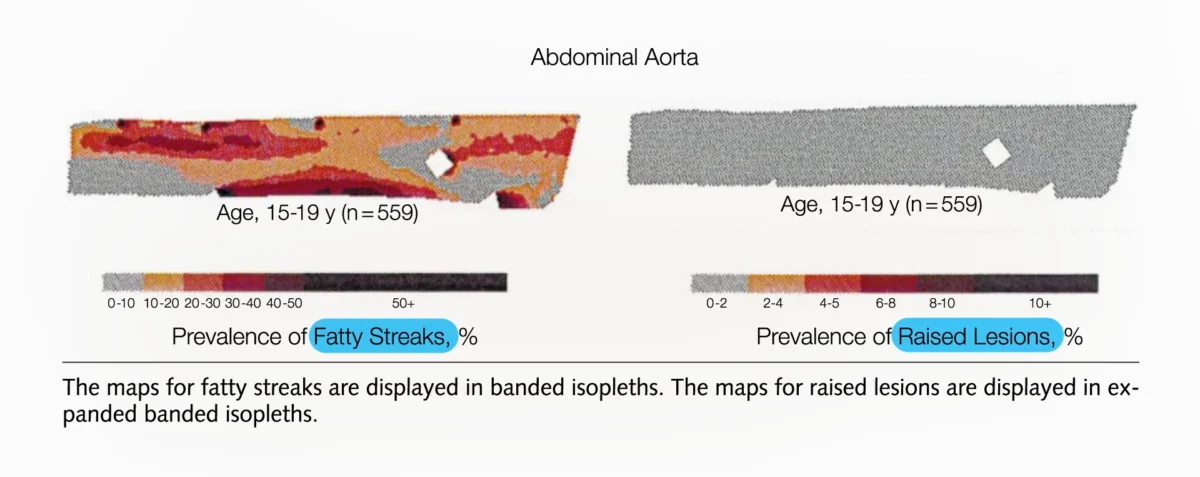
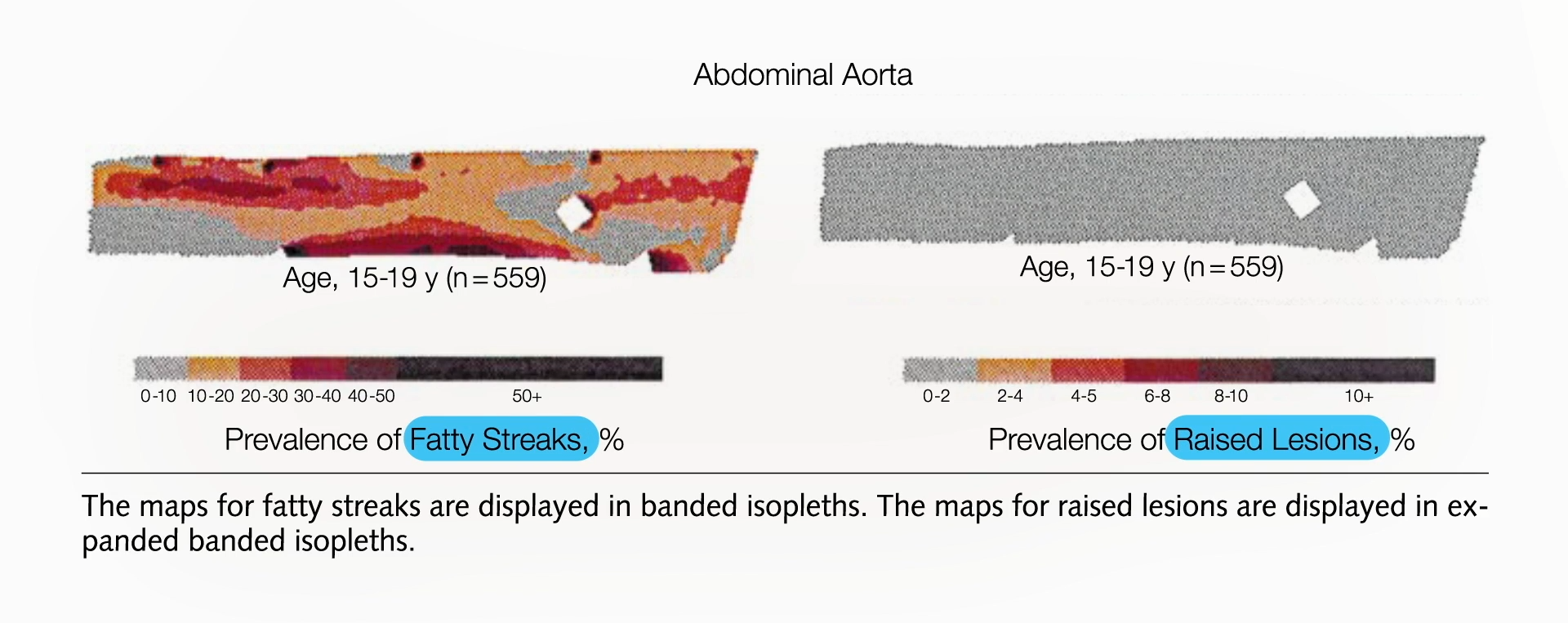
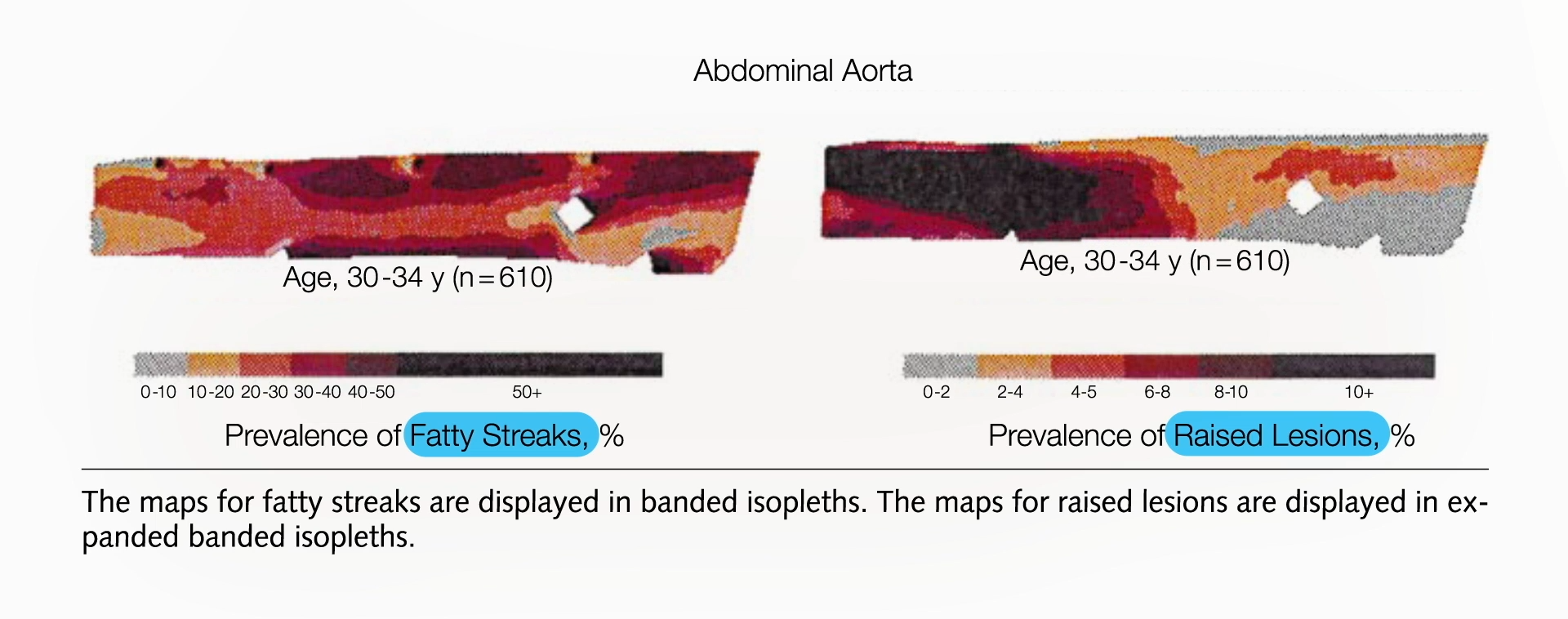
Visualizations of this progression, as presented in accompanying materials, illustrate how these fatty streaks, initiated in the teenage years, transform into more substantial plaques that narrow and stiffen the arterial walls. By the early twenties, these initial signs begin to manifest as more discernible lesions, particularly in the abdominal aorta. This crucial artery, responsible for distributing blood throughout the torso, shows an increasing burden of atherosclerotic changes throughout the twenties, with fatty streaks becoming more pervasive and plaques beginning to bulge into the arterial lumen.

A Disturbing Trend: Arterial Damage by Early Adulthood
The research further highlights the alarming prevalence of these arterial changes. In a comprehensive examination of young individuals, 100% of the teenagers studied exhibited fatty streaks within their arteries. This universal presence of early-stage arterial damage points to a widespread issue rooted in contemporary lifestyle and dietary patterns. As these individuals progressed into their early thirties, the findings indicated that a significant majority already harbored atherosclerotic plaques that had progressed beyond the initial fatty streak stage.
The progression of these arterial lesions was systematically documented across different age groups. During adolescence (15-19 years), fatty streaks were found to be widespread throughout the aorta. However, by the early twenties, the abdominal aorta began to show the formation of atherosclerotic plaques. This process intensified through the late twenties, with plaques becoming more prevalent and fatty streaks continuing to infiltrate the arterial lining. By the early thirties, the arteries of these young adults were frequently described as being in a compromised state, indicating a substantial accumulation of atherosclerotic damage.
Crucially, this pathological process is not confined to the major arteries of the torso. Similar patterns of arterial deterioration were observed in the coronary arteries, which are responsible for supplying oxygenated blood to the heart muscle. Researchers identified the same sequence of events: the emergence of fatty streaks in adolescence, the nascent development of plaques in the early twenties, and a significant increase in plaque burden by the early thirties. This consistent finding across different arterial systems underscores the systemic nature of atherosclerosis and its deep roots in early life.
The Critical Juncture: When Prevention Becomes Imperative
The early onset of atherosclerosis, beginning as early as adolescence, presents a compelling argument against delaying cardiovascular disease prevention until symptoms manifest. Just as one would not postpone treatment for a cancerous tumor or the complications of diabetes until they become severe, addressing atherosclerosis necessitates a proactive approach, ideally initiated during youth. The question then becomes, how can this formidable foe be effectively countered?
The scientific consensus points towards a significant reduction in LDL cholesterol as a cornerstone of atherosclerosis management. This reduction is most effectively achieved through dietary modifications that emphasize a diet low in saturated fat and cholesterol. Such a dietary approach typically involves minimizing the consumption of foods like eggs, red meat, dairy products, and processed or "junk" foods, which are often high in these detrimental components.
A Call for Radical Change: Lifestyle as the Ultimate Intervention
The imperative to alter lifestyle choices to combat this epidemic is profound, with recommendations for such changes extending even to infancy and early childhood. While the notion of such a "radical proposal" might seem daunting, the potential rewards – preventing the leading cause of death – are immense. The success seen in reducing smoking rates and subsequent lung cancer incidence offers a precedent for achieving significant behavioral change for the sake of public health.
The safety and efficacy of adopting healthier dietary patterns, including strictly plant-based diets, have been validated by organizations such as the Academy of Nutrition and Dietetics. These professional bodies affirm that such diets are appropriate for all stages of life, commencing even during pregnancy. This endorsement provides a strong foundation for promoting widespread dietary shifts.
The Unlocking of Potential: Genetic Insights into Lifelong Prevention
A pivotal study published in the Journal of the American College of Cardiology articulated a compelling vision: "Curing Atherosclerosis Should Be the Next Major Cardiovascular Prevention Goal." This aspiration is supported by compelling evidence derived from the study of individuals with a rare genetic mutation in the PCSK9 gene. Approximately 1 in 50 individuals of African American descent are born with this mutation, which confers a lifelong reduction in LDL cholesterol levels by around 40%.
Remarkably, these individuals exhibit significantly lower rates of coronary heart disease – an astounding 88% reduction in risk compared to those without the mutation. This protective effect persists even in the presence of other adverse cardiovascular risk factors, such as high blood pressure, obesity, smoking, and diabetes, which were prevalent in a substantial portion of the study group. This phenomenon powerfully illustrates how a sustained, lifelong history of low LDL cholesterol can dramatically mitigate the risk of coronary heart disease, even when multiple risk factors are present.
Duration Matters: The Key to Lifestyle’s Superiority
The observed near-90% reduction in events like heart attacks and sudden cardiac death occurred in individuals with an average LDL cholesterol level of 100 mg/dL, contrasted with 138 mg/dL in those without the genetic anomaly. This finding strongly suggests that LDL cholesterol levels can be effectively and safely maintained below 100 mg/dL.
The critical question arises: why does a genetically driven reduction in LDL cholesterol by approximately 40 mg/dL yield an almost 90% reduction in coronary heart disease risk, while a similar reduction achieved through statin drugs typically results in only a 20% to 30% decrease? The most plausible explanation centers on the factor of duration. When it comes to lowering LDL cholesterol, the longevity of maintaining these lower levels appears to be as, if not more, important than the absolute reduction itself.
This principle of sustained low LDL levels through healthy lifestyle choices is what allows them to potentially eliminate up to 90% of heart attack risk, a far greater impact than that offered by medications. When individuals rely on pharmaceutical interventions later in life, achieving a comparable level of risk reduction may necessitate lowering LDL cholesterol to below 70 mg/dL to halt disease progression.
The Long Game: Early Intervention vs. Late-Stage Treatment
For those who have already experienced a heart attack and are seeking to prevent subsequent events, aggressive LDL reduction may be necessary. In such cases, LDL levels might need to be lowered to approximately 55 mg/dL to significantly reduce the risk of further cardiac incidents. For individuals with severe heart disease, pushing LDL levels down to around 30 mg/dL could not only prevent the formation of new atherosclerotic plaques but also stabilize existing ones, reducing their likelihood of rupturing and causing further harm.
However, the critical distinction lies in the proactive adoption of healthy habits from an early age. By consistently maintaining healthier lifestyle choices, achieving an LDL cholesterol level of 100 mg/dL may be sufficient for most individuals to significantly reduce their cardiovascular risk. This aligns with epidemiological data suggesting that heart disease mortality rates tend to stabilize at population-wide average LDL cholesterol levels of approximately 100 mg/dL.
The challenge, therefore, is to maintain these lower LDL cholesterol levels throughout one’s life. While the safety of extremely low cholesterol levels is a subject of ongoing research, the evidence from individuals with lifelong low LDL suggests a highly protective effect against cardiovascular disease. This reinforces the message that prioritizing a heart-healthy lifestyle from youth is not merely a recommendation but a powerful strategy for potentially eradicating the vast majority of heart attack risk, a feat that pharmacological interventions alone struggle to achieve. The focus must shift from treating advanced disease to preventing its insidious onset, a goal that achievable through consistent, informed lifestyle choices.

