

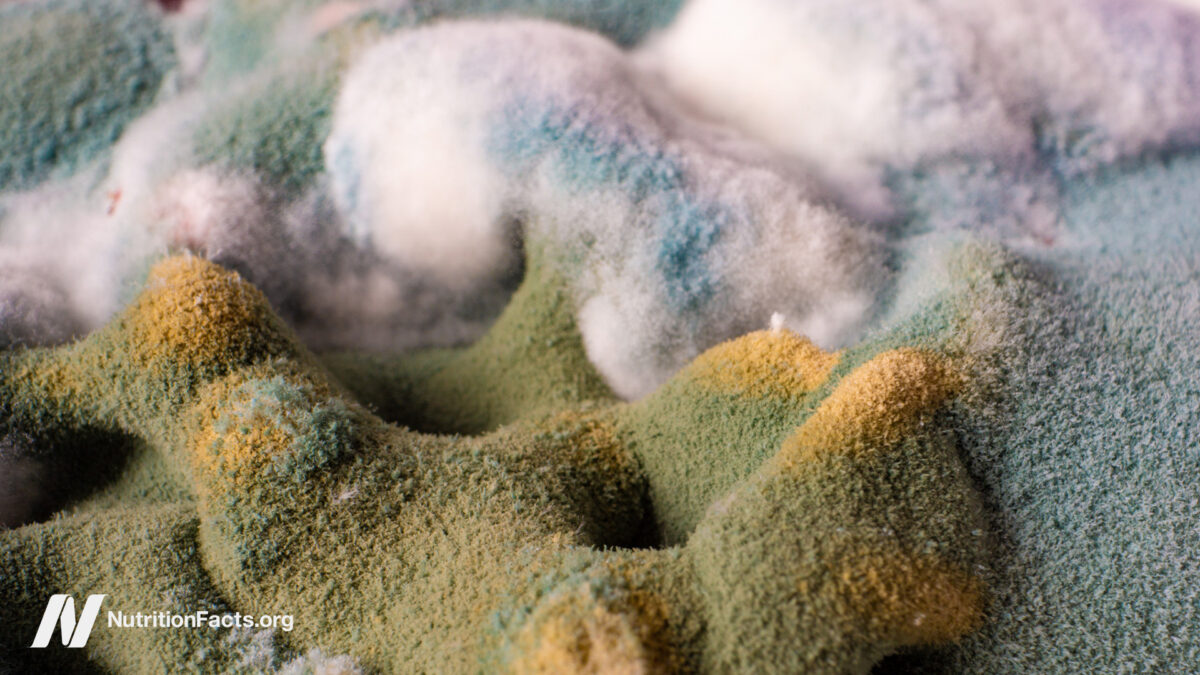
The potential health implications of mycotoxins, a group of toxic compounds produced by fungi, have been a subject of ongoing scientific scrutiny. Among these, ochratoxin has garnered particular attention due to its association with a range of adverse effects in animal studies, including toxicity to the immune system, developing fetus, kidneys, and nervous system, as well as its carcinogenic potential. However, translating these animal findings to human health risks presents a complex challenge, with limited documented evidence of direct adverse effects in humans. This distinction is crucial in how ochratoxin is regulated and perceived, with current classifications often labeling it as only a "possible human carcinogen."
Understanding Ochratoxin and its Regulatory Landscape
Ochratoxin A (OA) is a mycotoxin produced by several species of Aspergillus and Penicillium fungi. These fungi can contaminate a wide variety of agricultural commodities, including cereals, coffee beans, dried fruits, wine grapes, and spices, during pre-harvest, harvest, and storage stages. The presence of ochratoxin in food products is a global concern, prompting regulatory bodies worldwide to establish maximum permissible levels to protect public health.
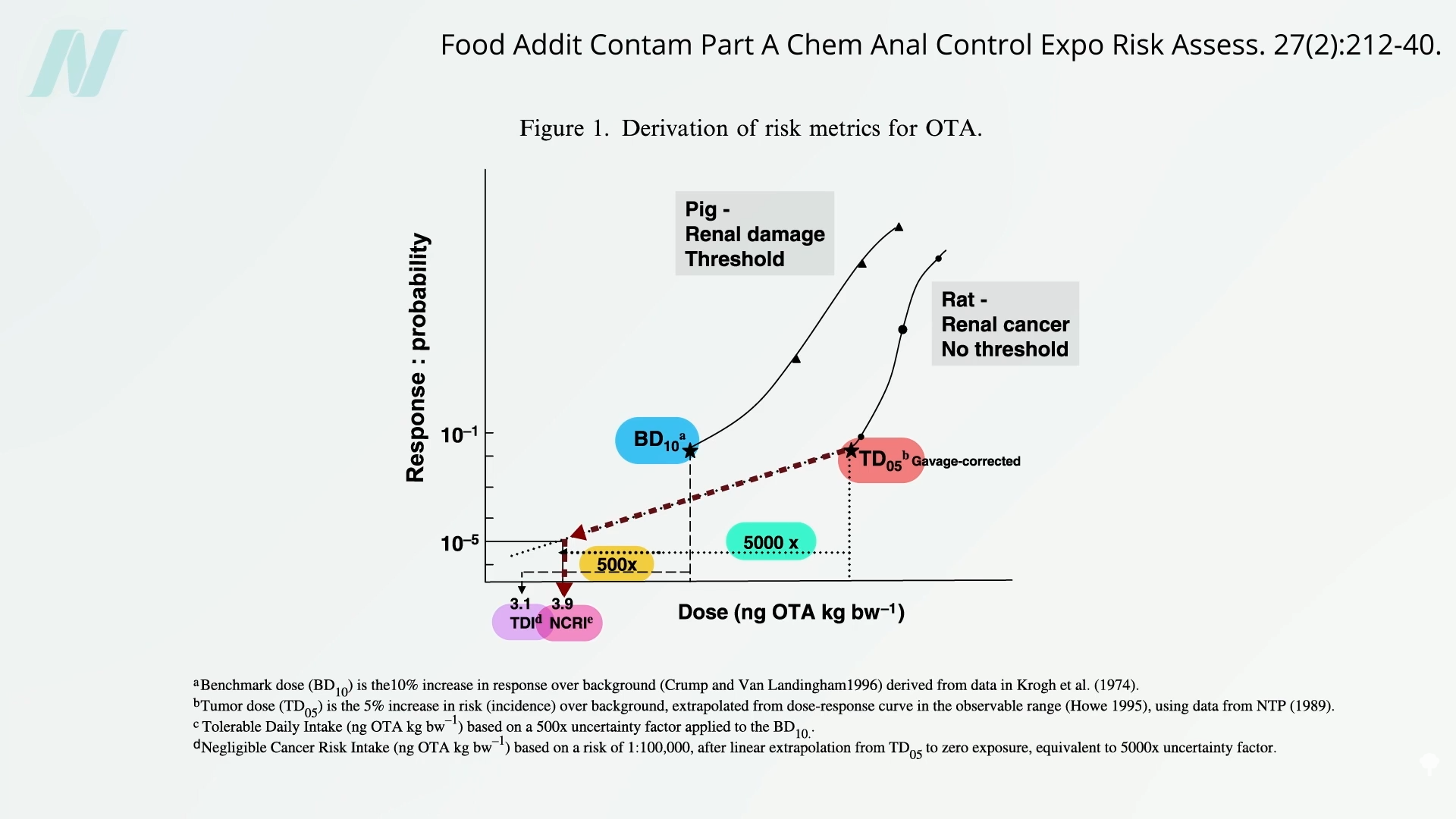
The assessment of these regulatory standards often involves complex scientific evaluations, drawing heavily on toxicology studies conducted in laboratory animals. For instance, the "benchmark dose" in animals, defined as the dose causing a 10% increase in pathological effects, is a key metric. Regulatory agencies then typically apply substantial safety factors, often dividing this benchmark dose by a factor of 500, to derive a "tolerable daily intake" (TDI) for humans. For carcinogenic risks, a similar approach is employed, identifying a "tumor dose" – the dose that increases tumor incidence in lab animals by 5% – and extrapolating downwards to estimate a "negligible cancer risk intake." This process usually incorporates an even larger safety factor, around 5,000-fold, to ensure a wide margin of safety.

Industry Assurances and Public Perception
Representatives from the agricultural industry often assert that current ochratoxin levels in consumed foods are safe, even for individuals with high dietary intake of potentially contaminated products. They point to the rigorous safety factors employed in risk assessments as evidence that the established limits provide ample protection. Even in scenarios involving young children consuming significant quantities of oat-based cereals, which can be a source of ochratoxin, industry spokespersons have suggested that the lifetime cancer risk remains "negligible."
However, critics question the basis for such optimistic projections and the methodologies used to derive these "safe" levels. The substantial safety margins, while intended to err on the side of caution, can lead to scenarios where individuals might theoretically consume very large quantities of certain foods without exceeding the TDI. For example, arguments against stringent regulatory standards have posited that individuals could consume upwards of 42 cups of oatmeal daily without significant health concerns, prompting questions about the origins of these expansive estimates and the underlying assumptions.
Scientific Inquiry: Bridging the Gap Between Animal Data and Human Health
The divergence between the strong toxicological signals from animal studies and the limited direct evidence of harm in human populations highlights a critical area of scientific investigation. While intentional human exposure studies are ethically impossible, researchers utilize observational epidemiological studies to explore potential associations between dietary patterns and health outcomes.
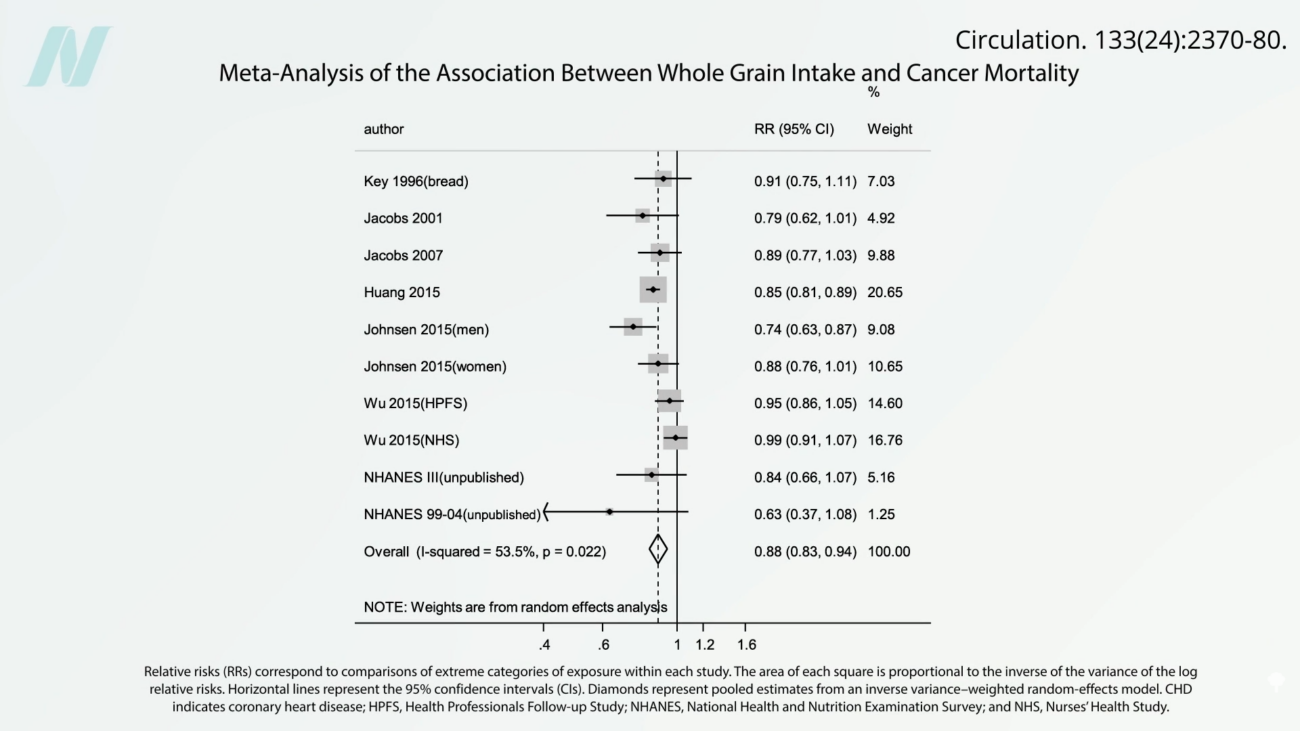
One significant area of inquiry focuses on the consumption of whole grains, such as oats, which can be susceptible to ochratoxin contamination. A growing body of research has examined the relationship between whole grain intake and mortality from various causes. Studies have indicated that increased consumption of whole grains is associated with a reduced risk of cancer mortality and overall mortality. These findings, derived from large-scale epidemiological analyses and meta-analyses of major cancer studies, consistently trend towards a lower cancer risk with higher whole grain intake. This suggests that the beneficial components of whole grains may play a protective role, potentially counteracting or mitigating the effects of contaminants like ochratoxin.
Analysis of Implications: The Protective Power of a Healthy Diet
The absence of confirmed adverse effects in population studies, despite the known toxicological profile of ochratoxin in animals, leads to a nuanced understanding of its real-world impact on human health. While it cannot be definitively concluded that ochratoxin is entirely harmless, the evidence suggests that any potential risk it poses may be outweighed by the well-established benefits of consuming whole grains.
The healthy constituents inherent in whole grains, including potent antioxidants, may play a direct role in neutralizing the damaging effects of mycotoxins at the cellular level. This suggests that a diet rich in fruits and vegetables, which are also packed with antioxidants and other protective compounds, could similarly contribute to mitigating the risks associated with mycotoxin exposure from grain consumption. Therefore, an overall healthy dietary pattern emerges as a significant factor in buffering the potential negative impacts of contaminants present in food.
Comparative Risk: Ochratoxin in Different Food Matrices
The impact of ochratoxin is not uniform across all food categories. While healthy foods like whole grains may be slightly compromised by its presence, the issue becomes more pronounced when considering less healthful foods. For instance, ochratoxin has been detected in a significant percentage of tested pork products, with some reports indicating its presence in as high as 44% of samples. In such cases, the mycotoxin exacerbates the inherent health concerns associated with the consumption of these foods.
This comparative analysis underscores the principle that the overall cost-benefit ratio of mycotoxin exposure is heavily dependent on the specific food item contaminated. While efforts to minimize mycotoxin levels in all food products remain important, focusing on diets rich in nutrient-dense, whole foods offers a robust strategy for promoting health and resilience against potential dietary contaminants.
Broader Context: A Series on Mold Toxins
This exploration of ochratoxin’s impact is part of a broader series examining the effects of mold toxins on human health. Previous installments have delved into the presence of ochratoxin in breakfast cereals and its association with herbs, spices, and wine. The upcoming segment will shift focus to aflatoxins, another class of potent mycotoxins, to provide a comprehensive overview of the risks and mitigation strategies related to fungal contaminants in our food supply.
Doctor’s Note
The ongoing research into mycotoxins like ochratoxin underscores the complex interplay between dietary choices, environmental contaminants, and human health. While regulatory bodies establish safety thresholds based on extensive toxicological data, epidemiological studies provide crucial real-world insights into the actual impact on human populations. The consistent findings linking whole grain consumption to improved health outcomes suggest that a balanced, nutrient-rich diet is a powerful defense mechanism against a range of potential dietary risks, including those posed by mycotoxins. Continued investigation into these areas will be vital for refining public health recommendations and ensuring food safety standards remain robust and scientifically informed.
Key Takeaways
- Ochratoxin, a mycotoxin found in various foods, shows toxic effects in animal studies but has limited documented adverse effects in humans, leading to its classification as a "possible human carcinogen."
- Regulatory standards for ochratoxin are based on animal toxicology data and incorporate significant safety factors to determine tolerable daily intake levels.
- Industry assurances suggest current ochratoxin levels are safe, even with high consumption of contaminated foods.
- Epidemiological studies indicate that increased whole grain consumption is associated with reduced cancer and overall mortality, suggesting a protective effect against contaminants.
- The healthy components of whole grains, such as antioxidants, may mitigate the impact of mycotoxins.
- Ochratoxin’s risk is compounded in less healthful foods like pork, where its presence exacerbates existing health concerns.
- A healthy diet rich in fruits, vegetables, and whole grains plays a significant role in mitigating the risks associated with dietary contaminants.

