


The European continent continues to solidify its position as the primary engine of the global culinary and enological tourism industry, driven by a sophisticated infrastructure of historical vineyards, regional protected designations, and a high density of Michelin-starred establishments. According to a comprehensive market analysis report by Grand View Research, European wine tourism currently dominates the international scene, accounting for more than 50% of the total global revenue generated by wine-related travel. This dominance is not merely a product of historical longevity but is the result of strategic investments by national tourism boards to capitalize on the growing consumer demand for "experiential" travel, where food and beverage consumption is the primary motivator for destination selection.
The Economic and Cultural Landscape of European Gastronomy
The shift in traveler behavior toward high-value gastronomic experiences has transformed the economic landscape of rural and urban Europe alike. Data indicates that culinary travelers spend, on average, 20% to 30% more than the typical leisure traveler, directing funds toward local producers, specialized boutique hotels, and high-end dining. This influx of capital has revitalized regions that were previously overlooked, such as the Douro Valley in Portugal and the Peloponnese in Greece.
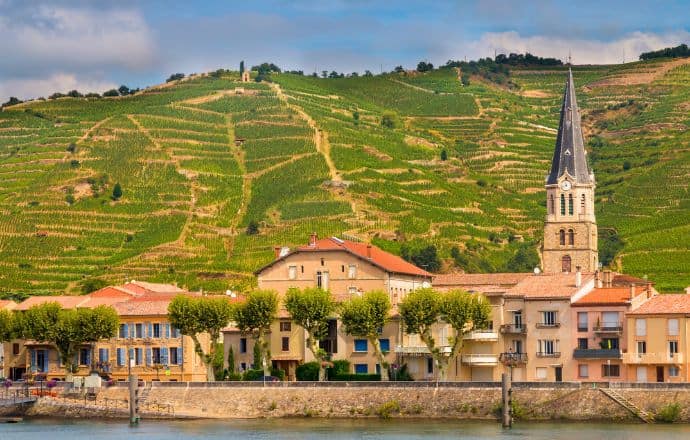
From a regulatory perspective, the European Union’s Protected Designation of Origin (PDO) and Protected Geographical Indication (PGI) systems have provided a framework for quality control that ensures the authenticity of regional products. These systems protect the intellectual property of local farmers and winemakers while providing travelers with a reliable "syllabus in flavor" that guarantees a specific standard of production. This intersection of heritage and regulation has turned the continent into a premier destination for those seeking to understand the relationship between terroir—the environmental factors that affect a crop’s phenotype—and the final culinary product.
France: The Benchmark of Viticulture and Culinary Technique
France remains the central pillar of global gastronomy, with its regional diversity offering a comprehensive study in both traditional and modern culinary arts. The region of Burgundy (Bourgogne) serves as a focal point for enophiles, where the intricate classification of "climats"—specifically delimited vineyard plots—was recognized as a UNESCO World Heritage site in 2015. The limestone-rich soils of the Côte d’Or produce Pinot Noir and Chardonnay that set the international standard for these varietals.
In Lyon, often cited as the "gastronomic capital of the world," the traditional bouchon culture provides a historical link to the city’s silk-weaving past. These establishments focus on hearty, meat-centric dishes such as quenelles de brochet and andouillette, emphasizing the nose-to-tail philosophy that has seen a resurgence in modern sustainable cooking. Further north, the regions of Normandy and Brittany offer a contrast with their focus on cider production and maritime bounty, specifically the Belon oysters, which are prized for their unique metallic finish.
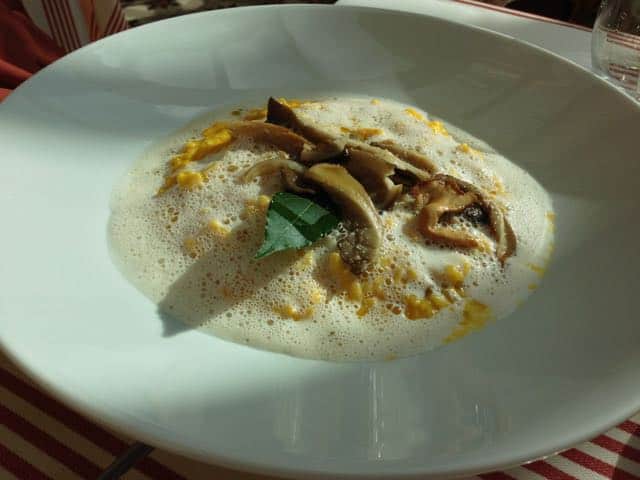
Industry experts note that the French wine tourism sector has adapted to modern demands by introducing "new-wave" urban wine bars in cities like Bordeaux, bridging the gap between the formal atmosphere of grand châteaux and the preferences of younger, mobile-first travelers.
Italy: Regionalism and the Legacy of the Slow Food Movement
Italy’s contribution to food and wine tourism is characterized by a fierce regionalism and a deep-seated commitment to ingredient purity. The "Slow Food" movement, founded by Carlo Petrini in the 1980s, originated in Italy as a protest against the homogenization of global food systems. This philosophy remains evident in regions like Piedmont, where the harvest of white truffles and the production of Nebbiolo-based wines (Barolo and Barbaresco) drive a seasonal tourism peak that is vital to the local economy.
In the south, Sicily has emerged as a major player in the volcanic wine market. The fertile slopes of Mount Etna provide a unique mineral profile for grapes like Nerello Mascalese and Carricante. Meanwhile, the region of Emilia-Romagna continues to be the industrial heart of Italian food production, housing the manufacturing centers for Parmigiano-Reggiano, Prosciutto di Parma, and traditional balsamic vinegar of Modena.
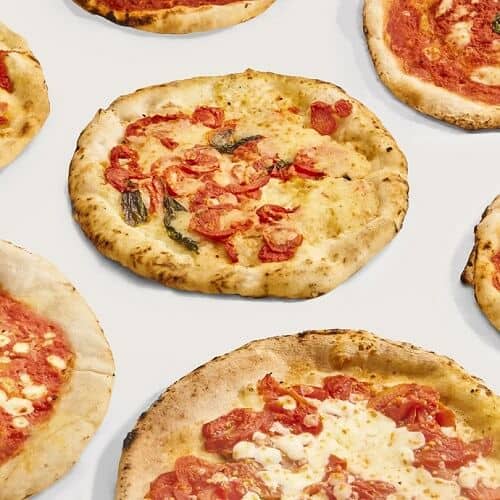
Official tourism statistics from ENIT (the Italian National Tourist Board) suggest that the "agriturismo" sector—where working farms provide accommodation and dining—has seen a 15% year-on-year increase in international bookings, reflecting a desire for authentic, slow-paced culinary immersion.
Spain: Innovation in Tapas and the Evolution of Sherry
Spain has successfully leveraged its traditional food culture into a modern, high-tech culinary industry. In the Basque Country, specifically San Sebastián, the concentration of Michelin stars per square meter is among the highest in the world. The local pintxos culture, however, remains the primary draw for many, showcasing a high-frequency dining model that encourages movement between multiple venues.
The Spanish wine industry is currently experiencing a period of significant diversification. While the Rioja region maintains its status as a global leader in oak-aged Tempranillo, the Marco de Jerez (the Sherry Triangle) is undergoing a renaissance. Once viewed as a niche or outdated product, Sherry is being reframed by sommeliers as a sophisticated, terroir-driven wine. In Madrid, the modernization of traditional markets like San Miguel and Antón Martín has turned them into "gastronomic hubs" that combine retail with on-site consumption, catering to the "grazing" style of dining that has become popular globally.
Portugal and Greece: The Rise of Indigenous Varietals
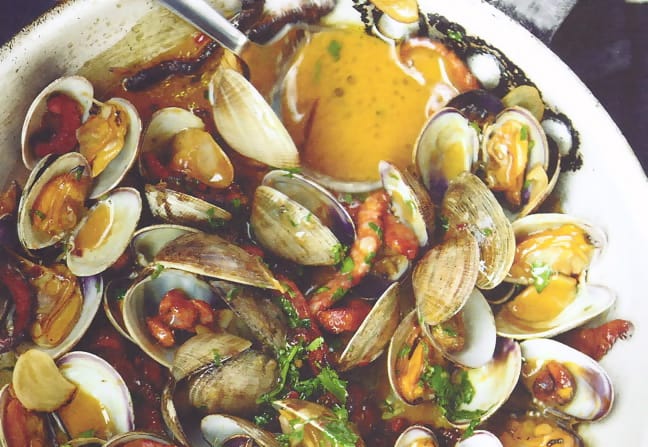
Portugal and Greece represent the "new frontiers" of European culinary travel, though their traditions date back millennia. Portugal’s Douro Valley, the world’s first formally demarcated wine region (established in 1756), has transitioned from being primarily a producer of fortified Port wine to a major source of high-quality dry red and white wines. The southern Alentejo region is gaining recognition for its sustainable pork production and vast cork forests, which are essential to the global wine supply chain.
In Greece, the focus has shifted toward indigenous grape varieties that offer flavor profiles distinct from international grapes like Cabernet Sauvignon. On the island of Santorini, the Assyrtiko grape, grown in unique "kouloura" (basket) vines to protect them from high winds, produces a highly acidic, mineral-driven wine that is increasingly sought after in the North American and Asian markets. The Greek government has recently invested in "thematic tourism," promoting the health benefits of the Mediterranean diet as a way to attract wellness-focused travelers.
Chronology of the European Culinary Travel Evolution
The trajectory of food and wine tourism in Europe has evolved through several distinct phases:
- The Grand Tour Era (17th–19th Century): Culinary experiences were secondary to the study of art and architecture, primarily reserved for the aristocracy.
- The Rise of the Guidebook (Early 20th Century): The 1900 launch of the Michelin Guide began the formalization of gastronomic standards, initially intended to help motorists find reliable meals and lodging.
- The Post-War Boom (1950s–1980s): Increased mobility and the rise of commercial aviation made European wine regions more accessible to the burgeoning middle class.
- The Digital and Experiential Shift (2000s–Present): Social media and digital platforms have democratized access to "insider" information, shifting the focus from passive consumption to active participation (e.g., cooking classes, truffle hunting, and harvest volunteering).
Market Data and Supporting Statistics
The financial implications of this sector are substantial. Market researchers highlight several key data points:
- Market Valuation: The global wine tourism market was valued at approximately $8.7 billion in 2022 and is projected to expand at a compound annual growth rate (CAGR) of 13.1% through 2030.
- Visitor Demographics: While historically skewed toward older demographics, there has been a 25% increase in travelers aged 25-40 booking wine-centric itineraries over the last five years.
- Infrastructure Impact: High-speed rail networks, such as the TGV in France and the AVE in Spain, have significantly reduced the "palate cleanser" time between culinary regions, allowing for multi-destination food tours within a single week.
Broader Impact and Industry Implications
The growth of culinary tourism is not without its challenges. "Over-tourism" in cities like Barcelona and Venice has led to local pushback against the "Disneyfication" of traditional food markets. In response, many regional governments are shifting their focus toward "dispersal strategies," encouraging tourists to visit lesser-known areas to balance the economic benefits and environmental impact.
Furthermore, the rise of premium travel options, including business class flight availability, has altered the arrival state of international visitors. Industry analysts suggest that well-rested travelers are more likely to engage in high-value evening dining and tasting events upon arrival, rather than requiring a recovery period. This has led to a synergy between airlines and tourism boards to promote "seamless" luxury experiences that begin at the airport.
Strategic Planning for the Culinary Traveler
For those planning a focused gastronomic itinerary, industry experts recommend several strategic approaches:
- Seasonal Synchronization: Aligning visits with harvest festivals (September–October) or truffle seasons (November–January) provides a more immersive experience, though it requires booking several months in advance.
- Direct Producer Engagement: Many of Europe’s most prestigious small-scale producers do not have public-facing tasting rooms. Securing private appointments is increasingly necessary for serious collectors and enthusiasts.
- The "Shoulder Season" Advantage: Traveling in late spring or early autumn offers a balance of favorable weather and reduced crowds in popular regions like Tuscany or the Wachau Valley in Austria.
The future of European food and wine tourism appears to be trending toward deeper specialization. As travelers become more educated, the demand for hyper-local experiences—such as exploring the specific volcanic soils of the Azores or the ancient "buried" wine vessels (qvevri) techniques being revitalized in Eastern Europe—will continue to drive the market forward. Europe’s ability to blend its prehistoric agricultural roots with cutting-edge hospitality ensures its continued status as the global epicenter for those who view travel as a sensory pursuit.

