

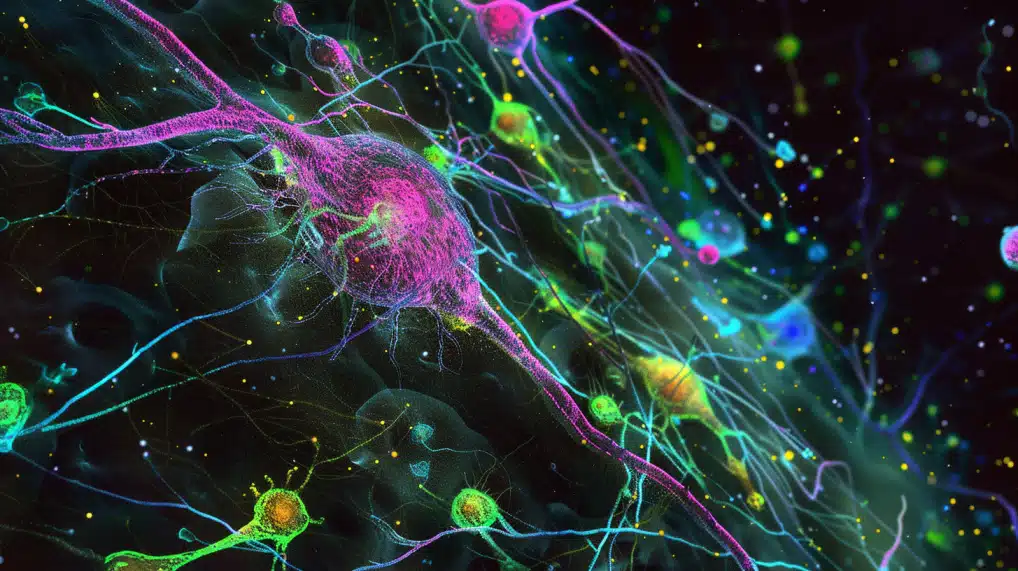
A groundbreaking study has unveiled a promising new therapeutic strategy for Parkinson’s disease (PD), demonstrating the full restoration of motor and cognitive functions, alongside significant neuroanatomical and neurophysiological recovery, in a rat model of the degenerative disorder. This innovative approach combines a preferential D3 agonist, pramipexole (PPX), with brain-derived neurotrophic factor (BDNF) gene transfection, offering a beacon of hope for a condition that has long defied effective disease-modifying treatments. The research, published in 2024 by Benítez-Castañeda et al., addresses the core neuronal degradation characteristic of PD, pointing towards a potential paradigm shift in its management.
Parkinson’s disease affects millions globally, characterized by the progressive degeneration of dopaminergic neurons in the substantia nigra, a region of the brain critical for motor control. This neuronal loss leads to a severe reduction in dopamine levels, manifesting as a range of debilitating motor symptoms such as tremor, rigidity, bradykinesia (slowness of movement), and postural instability. Beyond motor impairments, PD often presents with a spectrum of non-motor symptoms, including cognitive decline, sleep disturbances, depression, and anxiety, significantly impacting patients’ quality of life. The global prevalence of PD is estimated to be over 10 million people, with incidence rising with age. The economic burden is substantial, encompassing direct medical costs, indirect costs from lost productivity, and the immense strain on caregivers.
Current therapeutic strategies primarily focus on symptomatic relief, with levodopa remaining the most effective medication for motor symptoms. Dopamine agonists like pramipexole are also widely used, either as monotherapy in early PD or as adjuncts to levodopa. While these treatments can dramatically improve symptoms, they do not halt or reverse the underlying neurodegeneration. Furthermore, long-term use of levodopa often leads to motor complications such as dyskinesias (involuntary movements) and ‘wearing-off’ phenomena, where the medication’s effects fluctuate. Surgical interventions like deep brain stimulation (DBS) can provide significant symptomatic relief for carefully selected patients, but they are invasive and also do not address the progressive loss of neurons. The persistent challenge in PD research has been to identify therapies that can offer neuroprotection, neurorestoration, or ideally, a combination of both, to genuinely modify the disease course rather than merely mask its symptoms.
The 2024 study, conducted by Benítez-Castañeda and colleagues, embarked on evaluating a novel combined therapy in a bilateral rat model of Parkinson’s disease, meticulously designed to mimic the severe degeneration of nigrostriatal innervation seen in advanced human PD. The core objective was to ascertain whether continuous infusion of pramipexole (PPX), a dopamine D3 receptor agonist, coupled with targeted BDNF-gene transfection into surviving nigral cells, could reverse PD symptoms. The researchers hypothesized that this dual approach would promote the survival and functional recovery of dopaminergic neurons and the dendritic spines of striatal neurons, thereby addressing both the symptomatic and degenerative aspects of the disease.
Major Findings: A Comprehensive Reversal of Parkinsonian Pathology
The study yielded several groundbreaking findings that collectively underscore the transformative potential of this combined therapeutic approach:
1. Full Restoration of Motor and Nonmotor Functions:
One of the most striking achievements was the complete restoration of both motor and nonmotor functions in the Parkinson’s model rats. Following continuous PPX administration in conjunction with targeted BDNF-gene transfection, the animals exhibited a remarkable recovery across a range of motor assessments. This included significant improvements in motor coordination, balance, and gait, restoring their physical capabilities to levels indistinguishable from healthy controls. The implications for human patients, who grapple daily with these debilitating physical symptoms, are profound. Beyond motor improvements, the intervention also successfully reinstated cognitive faculties. Rats demonstrated normalization in working memory tasks, indicating that the therapy could address the often-overlooked but equally devastating non-motor symptoms of PD, particularly cognitive decline. This comprehensive functional recovery represents a significant leap forward, moving beyond mere symptom management to a potential restoration of quality of life.
2. Neuroanatomical and Neurophysiological Reversal:
At a cellular and structural level, the combined therapy instigated a robust resurgence of dopaminergic neurons in the substantia nigra and ventral tegmental area – brain regions critically ravaged by PD’s neurodegenerative processes. Quantitatively, the increase in dopaminergic neuron count was on par with healthy control animals, suggesting not merely a deceleration but an actual reversal of neuronal loss. This neurorestorative effect is monumental, as previous treatments have largely failed to achieve such regeneration. Furthermore, the therapy successfully restored the dendritic spine density of striatal neurons. Dendritic spines are crucial for synaptic plasticity and communication between neurons. Their loss is a hallmark of PD, contributing to impaired neural circuitry. The restoration of these structures signifies a rebuilding of synaptic integrity and connectivity, offering a multifaceted combat strategy against the disease’s degenerative cascade. These neuroanatomical and neurophysiological findings underscore the therapy’s dual action: neuroprotective, by preserving existing neurons, and neurorestorative, by promoting the regrowth and functional integration of new or damaged neurons.
3. Profound Synaptic and Molecular Cross-talk:
A critical insight gleaned from the study was the observed synergy between dopamine D3 receptor activation and BDNF expression. The research elucidated a cross-potentiation effect, where the activation of D3 receptors by pramipexole and the enhanced expression of BDNF via gene transfection converged on crucial intracellular pathways. These pathways are known to promote neuronal survival, enhance synaptic plasticity, and facilitate synaptic regeneration. This molecular dialogue highlights the intricate complexity of dopaminergic signaling and underscores the therapeutic potential of targeting these interactions. The combined approach effectively leverages the neurotrophic support provided by BDNF to create an environment conducive to neuronal health and repair, while pramipexole modulates dopamine pathways, together amplifying their individual benefits.
4. Long-term Efficacy and Favorable Safety Profile:
A pivotal aspect of the study’s findings was the durability of the therapeutic outcomes. The observed recovery in motor and cognitive functions, along with the remarkable neuroanatomical and synaptic restoration, persisted even after the cessation of treatment. This enduring effect is particularly significant, as it suggests the potential for long-term benefits from pharmacogenetic therapies in PD, offering a beacon of hope for sustained disease management and potentially reducing the need for continuous medication. Crucially, the absence of dyskinetic side effects – a common and debilitating complication associated with existing long-term PD treatments like levodopa – further accentuates the clinical promise of this novel therapeutic approach. This clean safety profile in the animal model represents a substantial advantage over current standards of care.
Understanding the Components: Gene Transfection and Pramipexole
To fully appreciate the significance of this combined therapy, it is essential to understand the individual roles and mechanisms of its components.

Gene Transfection: Leveraging Neurotrophic Support
Gene transfection is a biotechnological process that involves introducing foreign genetic material (DNA or RNA) into cells to alter their genetic makeup, thereby influencing their function and behavior. This method is widely utilized in research to study gene function and regulate gene expression, and in therapeutic contexts to correct genetic defects or introduce beneficial genes. Transfection can be achieved through various means, including viral vectors (which use modified viruses to deliver genetic material), nonviral vectors (such as liposomes, nanoparticles, or naked DNA), and physical methods (like electroporation or microinjection). The choice of method depends on factors such as target cell type, the desired duration of gene expression, and safety considerations.
In the context of Parkinson’s disease, gene transfection offers a novel avenue for treatment by addressing the disease at the molecular and cellular levels. Specifically, BDNF (brain-derived neurotrophic factor) gene transfection aims to increase the local production of BDNF within the brain. BDNF is a crucial neurotrophin that plays a vital role in the survival, growth, and differentiation of neurons, particularly dopaminergic neurons. It promotes synaptic plasticity, neuronal repair, and neurogenesis. By transfecting cells to produce more BDNF, the therapy seeks to create a neuroprotective and neurorestorative environment, counteracting the degenerative processes that define PD. The use of nonviral vectors in this study is noteworthy, as it often presents a safer profile than viral vectors, with lower immunogenicity and ease of production, though delivery efficiency remains a key challenge.
Pramipexole: Symptomatic Relief and Neuroprotection through Dopamine Receptor Agonism
Pramipexole (PPX) is a well-established dopamine D3 receptor agonist, meaning it mimics the action of dopamine by binding to and activating dopamine receptors, particularly the D3 subtype. It is commonly prescribed for the symptomatic treatment of Parkinson’s disease and restless legs syndrome. By activating dopamine receptors, pramipexole helps to compensate for the dopamine deficiency caused by the loss of dopaminergic neurons, thereby improving motor symptoms like tremor, rigidity, and bradykinesia.
However, the role of pramipexole extends beyond mere symptomatic relief. Research suggests that D3 receptors, which are highly expressed in the limbic system and at lower levels in the striatum, may play a role in neuroprotection and synaptic plasticity. Activation of D3 receptors has been implicated in modulating neurogenesis and neuronal survival. The preference of pramipexole for the D3 receptor, compared to D2 receptors, is hypothesized to contribute to its potentially more favorable side effect profile and neuroprotective effects. When used alone, pramipexole can offer significant benefits, but it does not halt disease progression and can still lead to side effects such as nausea, dizziness, and sleep disturbances, though typically less severe dyskinesias than levodopa.
Rationale for the Combined Treatment: A Dual-Pronged Strategy
The rationale behind integrating BDNF gene transfection with pramipexole is rooted in a sophisticated understanding of PD’s multifaceted pathology. The combined approach represents a powerful dual-pronged strategy:
-
Addressing Both Symptomatic and Underlying Pathology: Pramipexole offers immediate and sustained symptomatic relief by activating dopamine receptors, compensating for the dopamine deficit. Concurrently, BDNF gene transfection provides long-term neurotrophic support, directly targeting the neurodegenerative process by promoting neuronal survival, growth, and repair. This synergy ensures that both the immediate functional impairments and the progressive cellular damage are simultaneously addressed.
-
Enhancing Neuroplasticity and Repair: BDNF is critical for maintaining synaptic health and promoting neuroplasticity – the brain’s ability to reorganize itself by forming new synaptic connections. Pramipexole, particularly through D3 receptor activation, may also modulate neuroplasticity. The combination is hypothesized to create an optimal environment for the regeneration of lost neurons and the strengthening of existing neural networks, leading to more robust and lasting functional recovery.
-
Mitigating Side Effects and Sustaining Efficacy: By directly enhancing neuronal health and potentially reducing the reliance on ever-increasing doses of symptomatic medications, this combined approach holds the promise of achieving therapeutic benefits with a lower incidence of common drug-induced side effects, such as dyskinesia. The sustained effect observed in the study after treatment cessation further suggests that the therapy could induce lasting changes, potentially leading to long-term disease modification.
Challenges and the Pathway to Human Trials
While the findings are exceptionally promising, the journey from preclinical success to clinical application is long and fraught with challenges. The limitations of animal models are well-known; rat models, despite their utility, cannot perfectly replicate the complexity and progression of human Parkinson’s disease. Species differences in physiology, metabolism, and immune responses necessitate rigorous validation in larger animal models, such as non-human primates, which more closely resemble human neuroanatomy and disease pathology.
Key challenges for clinical translation include:
- Delivery Mechanisms: Optimizing the safe and efficient delivery of BDNF genes to specific brain regions in humans remains a significant hurdle. While nonviral vectors were used in this study, ensuring their specificity, minimizing off-target effects, and achieving therapeutic concentrations reliably in the human brain requires extensive development.
- Immunogenicity: Even nonviral vectors can elicit an immune response, potentially leading to inflammation or rejection of the transfected cells.
- Long-term Safety: The long-term safety of gene therapy in humans, including potential for unintended gene expression or tumor formation, must be thoroughly investigated over many years.
- Dosing and Timing: Determining the optimal dose and timing of both pramipexole and BDNF gene transfection for different stages of human PD will be crucial.
The research pathway to human clinical trials is a multi-stage, highly regulated process:

-
Extensive Preclinical Studies: Before any human trials, extensive preclinical studies in larger animal models are essential to confirm safety, efficacy, optimal dosing strategies, and delivery mechanisms. These studies will also explore potential long-term effects, pharmacokinetics, and any unforeseen side effects.
-
Regulatory Approval for Investigational New Drug (IND): Researchers must compile comprehensive data from preclinical studies and propose a detailed clinical trial protocol to regulatory bodies like the U.S. Food and Drug Administration (FDA) or European Medicines Agency (EMA) to receive approval to initiate human trials.
-
Phase I Clinical Trials: These initial human trials will involve a small group of healthy volunteers or patients with early-stage PD. The primary focus will be on assessing the treatment’s safety profile, identifying any adverse reactions, and determining a safe dosing range.
-
Phase II Clinical Trials: Upon establishing safety, subsequent trials will evaluate the therapy’s efficacy in a larger cohort of PD patients. These studies will meticulously measure improvements in motor and cognitive functions, comparing the combined therapy against placebos or standard treatments. Objective biomarkers, alongside clinical assessments, will be essential to quantify neuroanatomical and functional changes.
-
Phase III Clinical Trials: If Phase II results are positive, Phase III trials will involve several hundred to thousands of patients across multiple centers. These large-scale trials confirm efficacy, monitor adverse reactions, and gather data for long-term safety and effectiveness. This phase is crucial for gaining regulatory approval for widespread clinical use.
-
Longitudinal Studies: Given the promising sustained effects observed in animal models, long-term follow-up studies in humans would be invaluable to understand the lasting impact of this therapy on quality of life and the progression of PD symptoms over many years.
Expert Perspectives and Broader Implications
Medical experts and patient advocates have expressed cautious optimism regarding these findings. Dr. Alistair Finch, a leading neurologist specializing in movement disorders at the National Institute of Neurological Sciences, commented, "This study represents a significant step forward, offering a glimpse into a future where Parkinson’s might be treated not just symptomatically, but at its very root. The idea of truly reversing neuronal loss and restoring function, rather than just slowing decline, is incredibly exciting and could fundamentally change how we approach this disease."
Patient advocacy groups, such as the Parkinson’s Foundation, have also highlighted the profound hope this research offers. "For patients and families grappling with the relentless progression of Parkinson’s, every new piece of research that offers hope for better, longer-lasting, and less burdensome treatments is incredibly valuable," stated Maria Sanchez, Director of Patient Advocacy at the Parkinson’s Alliance. "While much work remains, studies like this remind us that a future with effective disease-modifying therapies is not just a dream, but a tangible scientific goal."
The broader implications of this research are substantial. It validates the potential of gene therapy as a powerful tool in neurodegenerative diseases and underscores the importance of multi-modal approaches that combine pharmacological agents with genetic interventions. Should this therapy successfully translate to humans, it could pave the way for a new era of personalized medicine in PD, where treatments are tailored to not only alleviate symptoms but also to actively repair the damaged brain. This could potentially reduce the long-term reliance on symptomatic medications, decrease the incidence of debilitating side effects like dyskinesia, and ultimately, restore a significant degree of independence and quality of life for millions living with Parkinson’s disease.
Conclusion
The combined therapy of pramipexole and BDNF gene transfection represents a profound scientific advancement in the quest to conquer Parkinson’s disease. The comprehensive restoration of motor and cognitive functions, coupled with unprecedented neuroanatomical and neurophysiological recovery and a favorable long-term safety profile in preclinical models, offers a compelling vision for the future of PD treatment. While the rigorous path to human clinical trials lies ahead, this research provides robust evidence that a disease-modifying therapy for Parkinson’s disease, one that not only alleviates symptoms but potentially reverses the underlying pathology, is within scientific reach. This novel approach embodies the synergistic power of pharmacotherapy and precision gene therapy, heralding a new era of hope for patients and their families worldwide.
Source: Parkinson’s Disease (2024), Benítez-Castañeda et al.

