

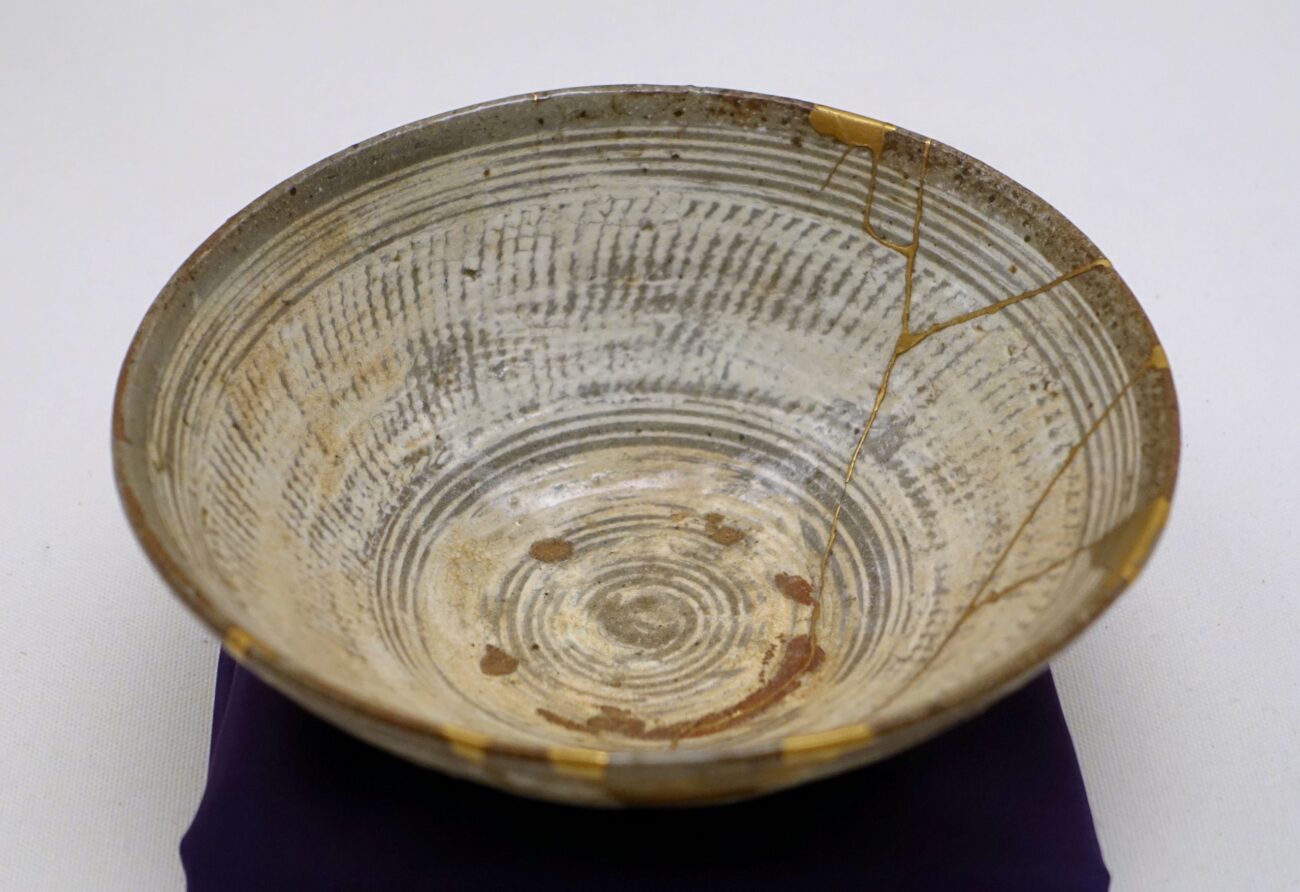
The journey to finding a new life in the Alaskan wilderness, marked by profound darkness and eventual spiritual awakening, illustrates a powerful truth: brokenness, when confronted rather than avoided, can become the very source of healing and a pathway forward. This narrative, which began with an individual’s struggle against alcohol abuse and despair, ultimately led to a deep engagement with Zen Buddhism and recovery principles, highlighting the transformative potential of acknowledging and integrating past experiences. The story unfolds as a testament to the human capacity for resilience, the universal need for community, and the profound wisdom found in embracing imperfection.
A Descent into Darkness in the Alaskan Frontier
The author’s initial arrival in Juneau, Alaska, in early May was met with the surreal spectacle of daylight at eleven o’clock at night. Drawn by a desire to forge a new life, experience the untamed wilderness, and establish a livelihood, the initial days were characterized by a stark simplicity. Home became a canvas tent erected on a platform deep within the woods. The rhythm of life involved diligent house cleaning by day, followed by evenings spent in the convivial, albeit sometimes heavy, atmosphere of local establishments like the Red Dog Saloon and the Dreamland, where drinks like White Russians and rum and coke were common.
However, as the months wore on and the relentless darkness of the Alaskan winter descended, a profound shift occurred. The author found themselves in a remote cabin, enveloped by snow and a deep sense of despair that led to thoughts of ending their life. It was in this moment of utter darkness that an inner voice offered a crucial reminder: "If you do, you will never know what might have been." This pivotal thought, though born from the depths of despair, ignited a flicker of hope and a recognition that something was deeply amiss, necessitating a fundamental change in the way of living.
The Dawn of Recovery and Zen Practice
This near-fatal nadir marked the beginning of a transformative path toward recovery and Zen practice. It was through this challenging period that the author began to grasp a core principle that would resonate throughout their journey: the idea that brokenness, when faced directly and not shied away from, holds the potential for healing and serves as a catalyst for forward movement. This realization was not instantaneous but rather a gradual unfolding that began to take root.
Upon returning to San Francisco, the process of recovery from the "chaos of alcohol abuse" commenced tentatively. The decision to abstain from drinking was a significant step, leading the author to explore the path of Buddhist practice. This exploration offered a much-needed sense of rigor and vitality, characterized by engaging teachers, the profound prescriptions for living offered by the Buddha, and the burgeoning sense of community, or sangha, found at the San Francisco Zen Center. Reflecting on the time spent in Juneau, the author came to conceptualize it as "the heart of darkness"—a descent into an underworld that ultimately led to an emergence into the light, bearing invaluable insights, akin to precious jewels.
The Wisdom of Dogen Zenji: Inherent Wholeness
The teachings of Dogen Zenji, the 13th-century sage credited with bringing Zen from China to Japan, provided profound encouragement during this period of reorientation. Dogen’s assertion that "To have faith means to believe that one is already inherently in the Way, and not lost, deluded or upside down, and no increase, and no decrease, and no mistake" resonated deeply. This perspective offered a crucial shift in understanding: the life lived before formal practice was not separate from the practice itself. There was no distinct "before and after." Instead, the author realized that, inherently, they had always been "in the Way," even during moments of profound feeling of being lost. The only requirement was to move forward with an intention to be true to oneself.
The Art of Kintsugi: Embracing Imperfection
A poignant parable that encapsulates this philosophy of embracing brokenness is the story of the Zen tea master Sen no Rikyu and the antique jar. During a visit to a host eager to impress him with an elaborate antique jar, Rikyu seemed indifferent, instead focusing on a branch swaying outside. This apparent dismissal deeply frustrated the host, who, in a fit of pique, hurled the precious jar to the floor, shattering it.
However, the host’s guests, witnessing this act, gathered the fragments. They meticulously joined the pieces using lacquer infused with gold—a technique that would later become known as kintsugi. When Rikyu returned and saw the jar repaired with visible veins of gold highlighting its fractures, he declared, "Now it is magnificent!"
This narrative serves as a powerful metaphor. People are not loved for their perfection, but rather for their inherent humanity, which includes their vulnerabilities and their "broken places." These very imperfections, illuminated by experiences like suffering or addiction, become the points where individuals can shine with a unique luminescence, fostering deep connections with others. Acknowledging past trauma allows for empathy with those experiencing similar pain; recovery from addiction can offer hope to others struggling; and shared grief can forge bonds of understanding. As compassion flows from our imperfections, even in the face of past mistakes or harm, the possibility of redemption, transformation, and alchemy emerges. It is through this deep connection with others, facilitated by our shared human experience of brokenness, that true healing can occur.
Confronting the Past: Confession and Precepts
The author’s initial understanding of Buddhist ceremonies, such as Ryaku Fusatsu (the Full Moon ceremony), was idealistic, imagining gatherings for poetry and stargazing. The reality, however, was far more profound and introspective. Instead of admiring the moon, participants found themselves in the Buddha hall, engaged in a ceremony of confession. This involved full prostrations and chanting the words: "All my ancient, twisted karma / from beginningless greed, hate, and delusion / Born through body, speech, and mind / I now fully avow…"
This timeless ceremony, practiced globally by Buddhist communities, served as a potent confrontation with one’s own past. The author felt the weight of their personal history, their family’s lineage stretching back generations, and the intricate web of causes and conditions beyond their control that had shaped their existence. Yet, the ceremony continued, offering refuge in the Buddha, dharma, and sangha, and reciting the precepts—a guide for living with integrity and courage in a transient world.
Years later, as the author trained to lead this ceremony as kokyo, a humorous anecdote emerged. The priest assisting them shared a story of accidentally reciting, "Delusions are inexhaustible, I vow to become them," instead of "I vow to end them." This seemingly minor slip of the tongue, when replicated by the author during their own kokyo duties, led to a realization: perhaps there was wisdom in befriending delusions, in recognizing them as an integral part of being human.
The Shuso’s Confession: Acknowledging Shortcomings
Further integrating this theme of imperfection into the fabric of Zen practice is the ceremony at the end of a three-month practice period. The shuso, or head student, in their closing remarks, offers the poignant statement: "My mistakes fill heaven and earth, leaving me no place to hide." This declaration underscores the understanding that perfection is not the goal, nor is it expected. Even the forms and rituals themselves are acknowledged as human constructs. The author experienced this more fully when, as the outgoing shuso, they uttered these words, reflecting on and releasing their own shortcomings.
Buddhism does not operate with the concept of sin in the Western sense. Instead, it posits that out of ignorance, individuals may engage in unwholesome or destructive actions. Recognizing the harm caused by such actions can inspire a shift towards more skillful behavior. The Hebrew word for sin, "to miss the mark" or "to fall short of one’s goal," offers a parallel understanding. Missteps, when acknowledged with awareness, can propel individuals forward. Poor decisions illuminate areas for improvement, and failed relationships can offer guidance on future paths. Similarly, holding resentment towards others for past hurts can be transformed by a willingness to forgive and accept them, mirroring the desire to be forgiven and accepted.
Navigating the Dual Life: Addiction and Practice
The initial allure of Zen practice for the author was the ability to shed their personal narrative, adopt a black robe, and chant in Japanese. There was an expectation that a life dedicated to meditation, study, and sangha would provide a complete fix. The rigorous practice at Tassajara, America’s first Zen Buddhist monastery, offered a profound opportunity, a chance described as "seldom occurring in any lifetime." It was here that the author met their husband, and they were married in the zendo.
However, after five years of intense practice and the birth of their daughter, the return to San Francisco brought new challenges. An unhappy marriage ended, and, insidiously, alcohol began to re-enter the author’s life. Despite continuing to wear the black robes and attend the zendo, a "double life" emerged—a familiar paradox for anyone grappling with alcoholism, where outward appearances mask an internal struggle.
The Plea for Help and the Path to Sobriety
The nadir of the author’s drinking reached a point where an unspoken plea for help was uttered inwardly: "Please, please help me." Though unsure to whom or what this plea was directed, in recovery, the author learned to listen to a "loving inner witness" that had always resided within, albeit often unheard. This inner voice gently urged, "Come on, honey, let’s go get some help." The readiness to heal had arrived.
Entering the rooms of recovery coincided with returning to school to pursue a teaching credential. Within these rooms, a powerful collective intention to remain sober and the necessary tools for achieving this goal were discovered. Grounded in both spiritual practice and the principles of recovery, the author went on to inspire hundreds of children through their teaching.
Recovery literature offers a guiding principle: "We do not regret the past, nor wish to shut the door on it." The author recognized the immense energy contained behind that metaphorical closed door. To avoid being haunted by the past, it needed to be reclaimed. This involved taking responsibility for harm caused and making amends to those who had been hurt. A willingness to relinquish self-destructive habits and self-limiting beliefs, and an openness to new ways of thinking, became paramount. The discipline of practice, coupled with the pragmatic principles of recovery, led to a newfound clarity, freedom, and ease. Finally comfortable in their own skin, saying "no" to alcohol allowed for an emphatic "yes" to a universe of possibilities. It is a profound paradox that true self-acceptance, loving oneself as one is, is precisely what fosters the capacity for growth.
Kintsugi in Recovery: Shared Brokenness and Wholeness
In the context of recovery, the seemingly chaotic events of the past, the detours taken, and the experiences of shame are not viewed as wasted. Instead, by sharing these experiences openly, the darkness dissipates, revealing them as valuable insights. These become the "golden threads," the kintsugi of life—the broken and repaired places where genuine connection with others on the path toward wholeness can occur.
The mantra of those in recovery, "Keep coming back," resonates with the essence of practice: returning to oneself, to the breath, to the present moment. This principle applies when one has "missed the mark." Acknowledging the misstep, one can return to practice, to their deepest intentions. If harm has been caused, a sincere apology and a commitment to aligning actions with the vow to benefit all beings can facilitate transformation. This, ultimately, is the path of awakening—a journey embraced within a mind and body that is broken, mended, and beautifully laced with gold.

