

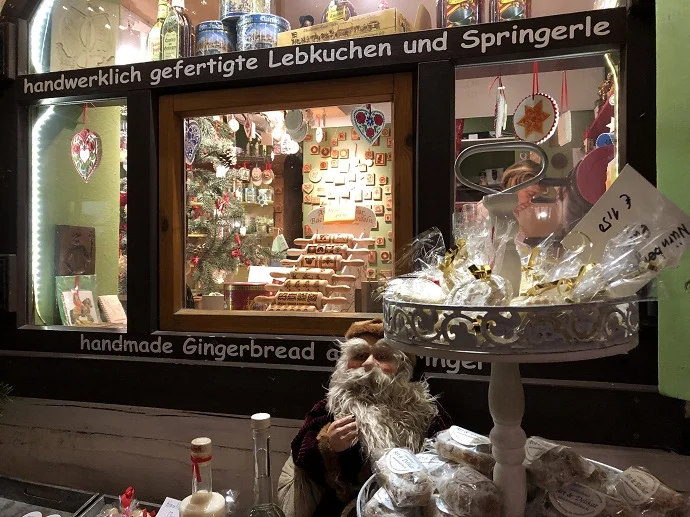
Germany serves as the historical and cultural epicenter of European Christmas celebrations, drawing millions of international visitors annually to experience a tradition that has been refined over centuries. From the snow-capped peaks of the Bavarian Alps to the illuminated historic squares of Dresden and Nuremberg, the country transforms into a synchronized display of heritage, gastronomy, and community spirit. As the global travel industry continues to see a resurgence in seasonal tourism, Germany remains a primary case study in how cultural preservation can drive significant economic activity while maintaining the authenticity of local customs. The following analysis explores the multifaceted reasons why Germany continues to lead the world in holiday appeal, supported by historical context, economic data, and logistical insights.
The Evolution of the German Christmas Market
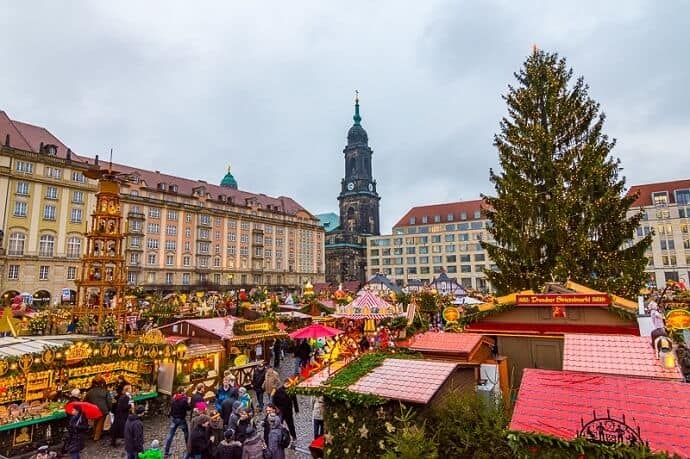
The German Christmas market, or Weihnachtsmarkt, is not merely a modern tourist attraction but a cultural institution with roots stretching back to the late Middle Ages. The tradition originated from "winter markets" held in the 14th century, which provided citizens with the opportunity to purchase meat and seasonal supplies before the onset of the harshest winter months. Over time, these utilitarian gatherings evolved into festive community events.
Chronologically, the Bautzen Christmas Market, first mentioned in 1384, is often cited as one of the oldest, followed by the Dresden Striezelmarkt, which officially began in 1434. By the 16th century, the influence of the Protestant Reformation, led by Martin Luther, shifted the focus of gift-giving from the feast day of St. Nicholas (December 6) to Christmas Eve, further cementing the importance of these markets as hubs for purchasing toys and artisanal goods. Today, Germany hosts an estimated 2,500 to 3,000 Christmas markets each year, ranging from small village gatherings to massive urban festivals.
Economic Impact and Tourism Statistics
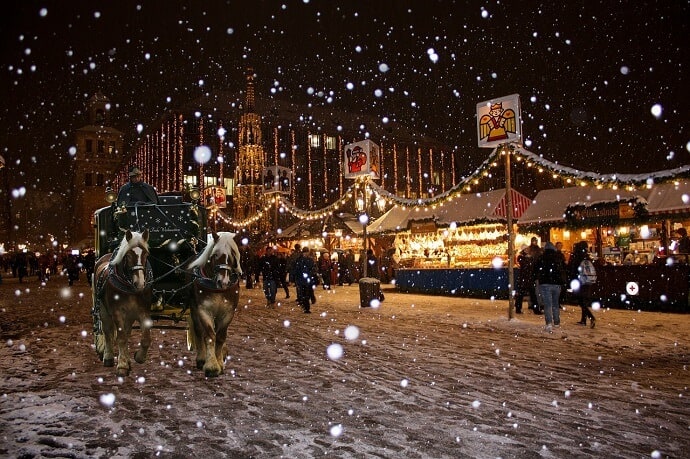
The scale of Christmas tourism in Germany is a vital component of the national economy. According to data from the German Retail Association (HDE) and various municipal tourism boards, the Christmas season generates billions of euros in revenue. In a typical year, the markets alone attract approximately 160 million visitors from across the globe.
Nuremberg’s Christkindlesmarkt, one of the most famous globally, contributes significantly to the local economy, often seeing over two million visitors in a single four-week period. Analysts note that the economic ripple effect extends beyond the market stalls; the hospitality sector, including hotels and regional transport providers, reports peak occupancy levels during December. For many small-scale artisans and traditional bakers, the holiday season accounts for a substantial portion of their annual turnover, underscoring the importance of maintaining these traditions as a sustainable economic driver.
Culinary Heritage and Geographical Indications
A primary draw for travelers is the highly specialized seasonal gastronomy that is legally and culturally protected within Germany. The culinary experience is defined by regional diversity and a commitment to traditional recipes.
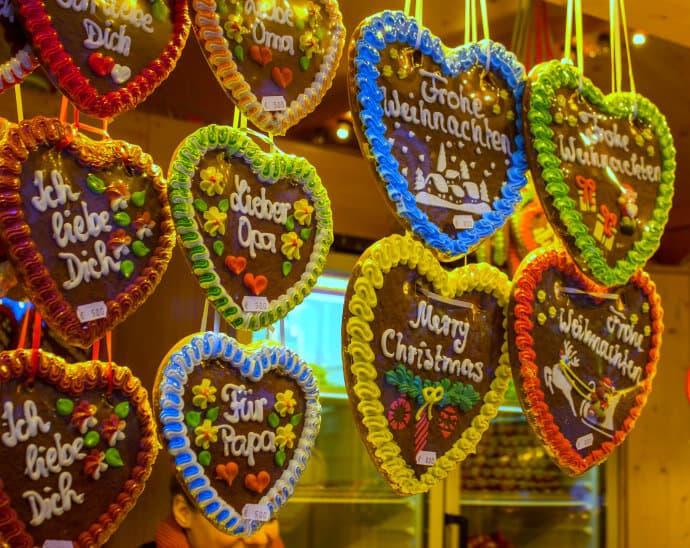
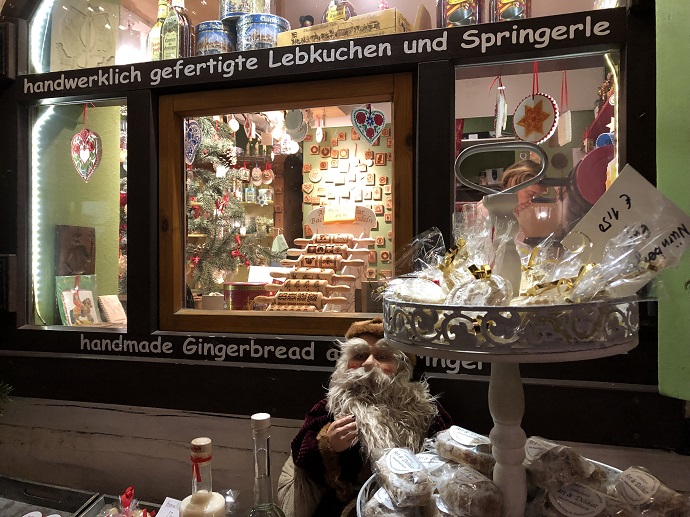
- Lebkuchen and Stollen: Nuremberg is synonymous with Lebkuchen (gingerbread), a treat that has been baked by monks since the 14th century. Similarly, the Dresdner Christstollen is a fruit bread that carries a "Protected Geographical Indication" (PGI) status under European Union law. This means that only 125 bakeries in and around Dresden are authorized to produce the official version, ensuring quality and historical accuracy.
- Glühwein and Regional Beverages: The consumption of Glühwein (mulled wine) is a central social ritual. Often made from red wine heated with cinnamon sticks, cloves, star anise, and citrus, it serves as a communal centerpiece in every market. Regional variations, such as the apple-based wines of Frankfurt or the white wine-based versions in the Franconia region, offer visitors a localized tasting experience.
- Hearty Fare: Beyond sweets, the markets serve as open-air kitchens for traditional German staples. This includes Bratwurst, Reibekuchen (potato pancakes), and Maronen (roasted chestnuts). The emphasis on high-quality, locally sourced ingredients reflects Germany’s broader agricultural standards.
Folklore and the Social Fabric of Tradition
Germany’s holiday season is governed by a series of customs that dictate the rhythm of daily life throughout December. These traditions provide a sense of continuity and social cohesion that is palpable to visitors.

The celebration of St. Nicholas Day on December 6 remains a cornerstone for German families. Unlike the North American "Santa Claus," Sankt Nikolaus is a figure based on the historical Bishop of Myra. The tradition of children placing "Nikolaus-Stiefel" (boots) outside their doors to be filled with nuts, fruits, and chocolates is a practice that dates back centuries. In Alpine regions, this tradition is accompanied by the darker folklore of Krampus—a horned figure who serves as a foil to St. Nicholas, reminding the community of the balance between reward and discipline.
Furthermore, the Advent wreath (Adventskranz), featuring four candles to mark the Sundays leading up to Christmas, is a German innovation from the 19th century that has since been adopted worldwide. For the modern traveler, witnessing these customs in their original context provides a depth of experience that goes beyond mere sightseeing.
Urban Planning and Winter Magic
German cities are uniquely designed to accommodate the aesthetic demands of the holiday season. The concept of "Gemütlichkeit"—a word often translated as coziness or social well-being—is the guiding principle for urban decoration.
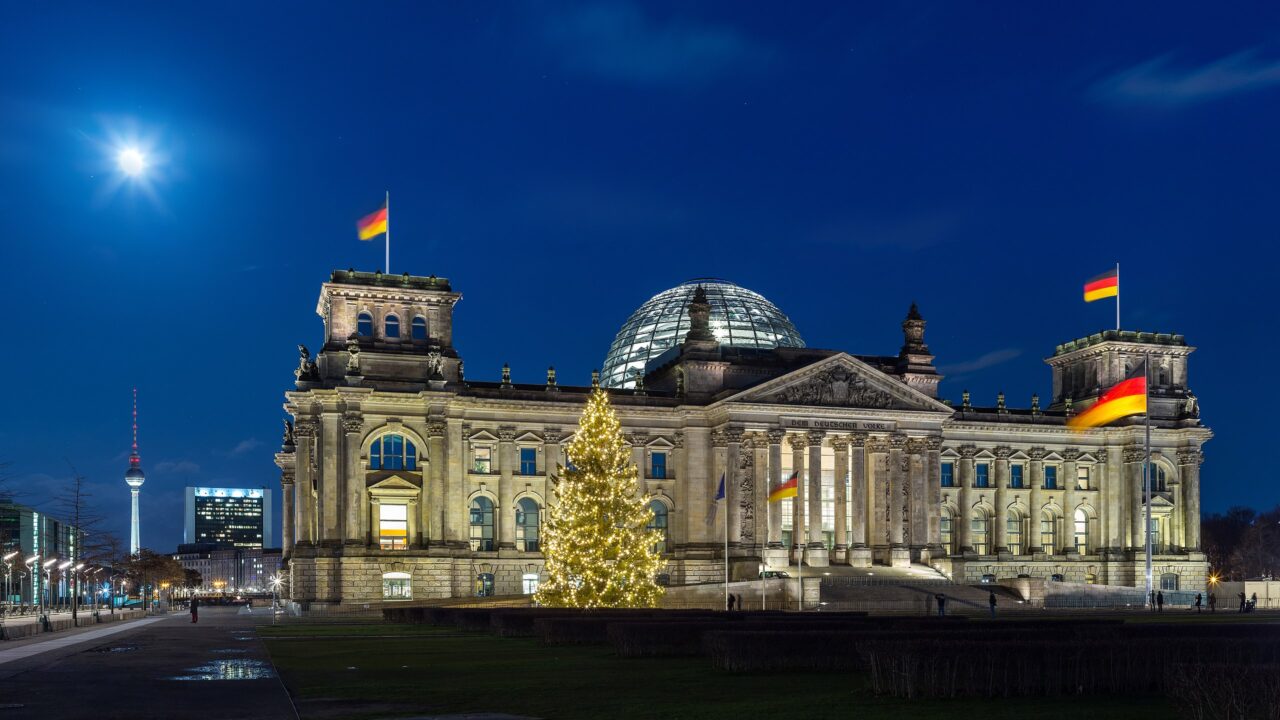
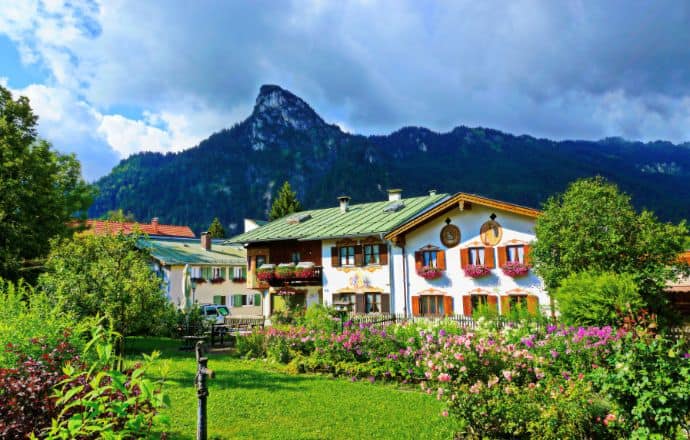
In Berlin, the Gendarmenmarkt offers a sophisticated, high-end market experience set against the backdrop of the German and French Cathedrals. In contrast, Munich utilizes its Neo-Gothic town hall on Marienplatz to create a traditional Bavarian atmosphere. Smaller towns like Rothenburg ob der Tauber and Goslar, with their preserved medieval architecture, offer a "storybook" environment that feels frozen in time. These municipalities invest heavily in professional lighting design and greenery, ensuring that the visual impact of the cities reinforces the festive mood.
Logistical Infrastructure and Digital Integration
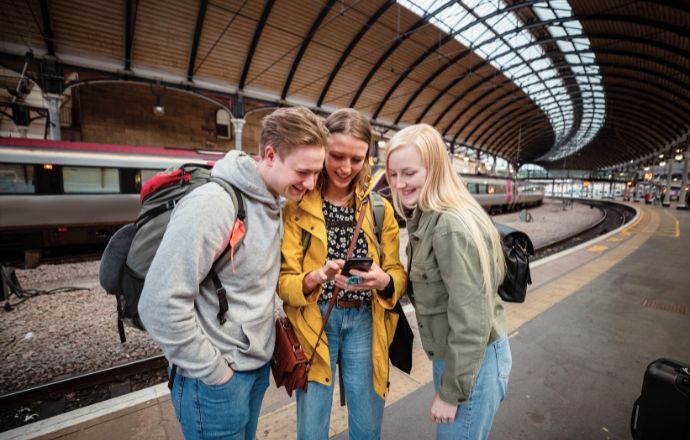
Germany’s efficiency in transport and connectivity is a significant factor in its success as a winter destination. The Deutsche Bahn (DB) rail network facilitates easy movement between major market hubs, allowing tourists to visit multiple cities in a single trip.
In recent years, the integration of digital tools has further streamlined the visitor experience. The rise of eSIM technology has been particularly beneficial for international travelers. By utilizing a Germany-specific eSIM, visitors can bypass expensive roaming charges and maintain constant access to navigation apps, real-time train schedules, and digital translation tools. This connectivity is crucial for navigating the sprawling outdoor markets and coordinating travel during the shorter daylight hours of the German winter. Industry experts suggest that the ease of digital navigation has contributed to an increase in "independent" tourism, where travelers venture beyond organized tours to explore rural or less-known regional markets.
Sustainability and the Future of German Christmas
As global awareness of environmental issues grows, Germany has taken steps to ensure its Christmas traditions are sustainable. Many markets have moved toward "Green Christmas" initiatives, which include:
- Waste Reduction: The use of ceramic mugs for Glühwein, which are returned for a deposit (Pfand), significantly reduces single-use plastic and paper waste.
- Energy Efficiency: The transition to LED lighting for city-wide decorations has reduced electricity consumption by up to 80% in some municipalities.
- Local Sourcing: Preference is increasingly given to vendors who source their materials and ingredients within a specific radius of the city, reducing the carbon footprint associated with logistics.
The German National Tourist Board has emphasized that these sustainability efforts are not just about environmental protection but also about preserving the long-term viability of the markets as authentic cultural experiences.
Conclusion: A Global Standard for Holiday Tourism
The enduring appeal of Christmas in Germany lies in its ability to balance historical reverence with modern hospitality. It is a destination where the "magic" of the season is supported by a robust economic framework, meticulous urban planning, and a deep-seated respect for culinary and social traditions. For the international traveler, Germany offers more than just a vacation; it provides an immersion into the very origins of the modern Christmas celebration. As the country continues to innovate through sustainable practices and digital connectivity, it reinforces its position as the definitive global standard for winter holiday tourism, promising a reliable and enriching experience for generations to come.

