

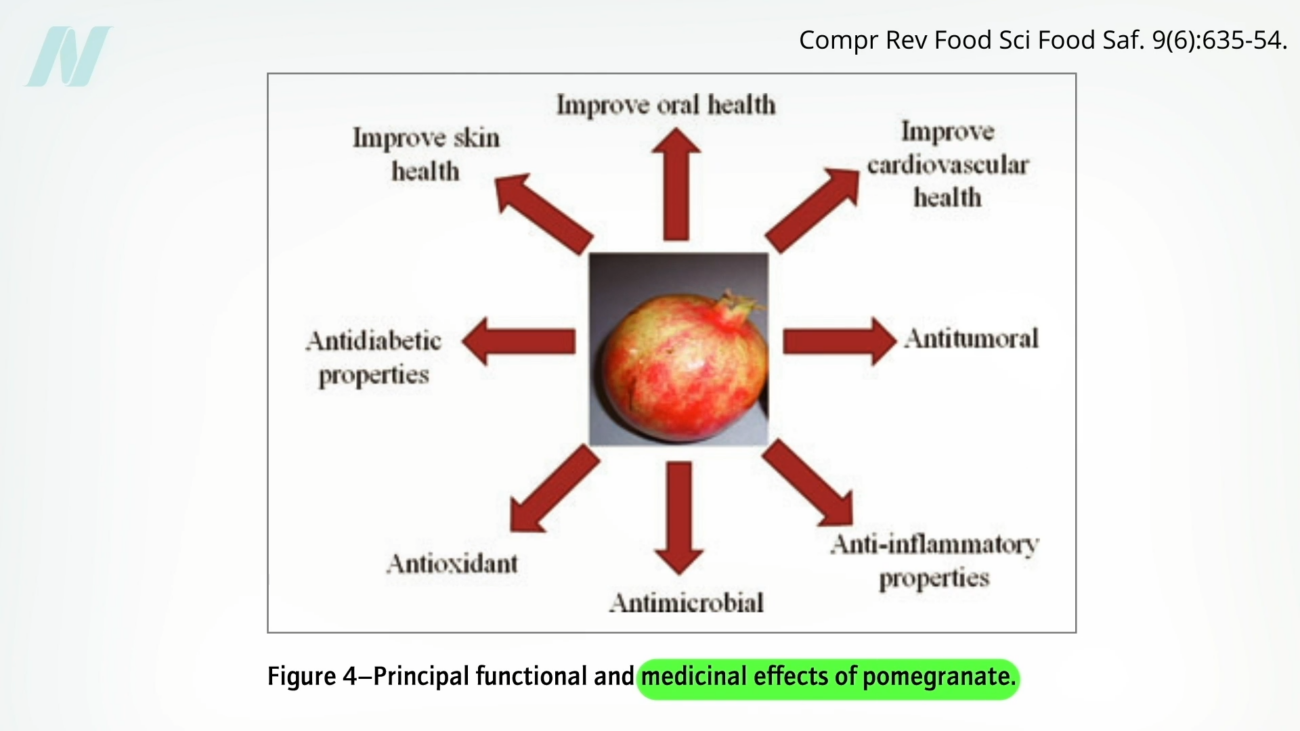
The vibrant ruby-red arils of the pomegranate have long been celebrated for their rich flavor and perceived health benefits, prompting widespread claims that this ancient fruit can offer a panacea for a variety of modern ailments. From aiding weight loss and managing diabetes to combating serious conditions like prostate cancer, osteoarthritis, and rheumatoid arthritis, the pomegranate has been touted as a nutritional powerhouse. However, a closer examination of scientific research and past regulatory battles reveals a more nuanced picture, where marketing claims have often outpaced robust clinical evidence.
The POM Wonderful Saga: A Legal Precedent for Health Claims
The journey of pomegranate-based health claims took a significant turn with the protracted legal battle between POM Wonderful, a prominent producer of pomegranate juice, and the Federal Trade Commission (FTC). This high-profile case, which ascended to the U.S. Court of Appeals and was ultimately denied review by the Supreme Court, established a critical precedent for substantiating health-related advertising.
The core of the FTC’s challenge centered on POM Wonderful’s marketing campaigns, which aggressively promoted the purported medical benefits of its pomegranate juice. The company advertised that daily consumption could treat, prevent, or reduce the risk of a range of serious health issues, including heart disease, prostate cancer, and erectile dysfunction. These claims were often supported by references to various medical studies.
In its ruling, a panel of judges concluded that many of POM Wonderful’s advertisements contained false or misleading claims. The court underscored that the First Amendment’s protection of free speech does not extend to deceptive advertising practices. This landmark decision, which dealt a blow to the company and its billionaire owners, mandated that companies making disease treatment or prevention claims must provide substantial scientific evidence, specifically requiring at least one randomized clinical trial to substantiate such assertions. This legal precedent fundamentally altered the landscape for health-related marketing, demanding a higher standard of proof for product claims.

Deconstructing the Medical Literature: Promises vs. Proof
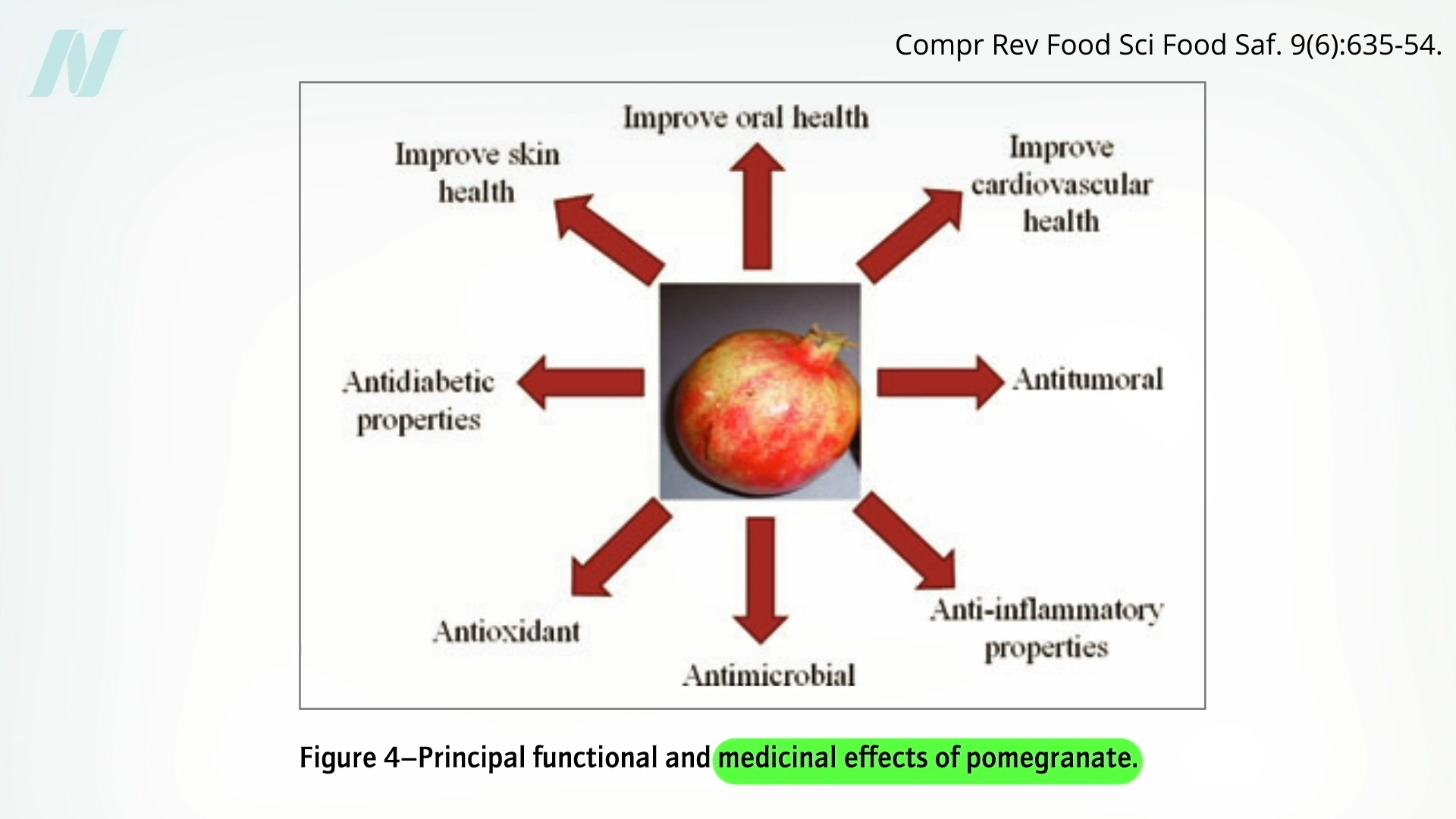
While regulatory bodies and courts have scrutinized aggressive marketing, the scientific literature itself offers a complex tapestry of findings regarding pomegranates. Numerous review articles indeed highlight the fruit’s potential medicinal effects, often accompanied by intricate diagrams illustrating its antioxidant and anti-inflammatory properties. These reviews frequently point to the presence of potent compounds like punicalagins and ellagic acid, which are believed to contribute to the fruit’s health benefits.
However, a deeper dive into the research often reveals that many of these promising findings originate from studies conducted on animal models or in vitro (in laboratory settings, such as test tubes or petri dishes), rather than rigorous human clinical trials. For instance, early research hinting at "antiobesity effects" may have been derived from studies on pomegranate leaf extract in mice, a context that does not directly translate to human dietary habits or physiology. The critical question remains: do these effects manifest in humans through the consumption of pomegranate fruit or juice?
Pomegranates and Weight Management: A Lack of Human Evidence
The pursuit of effective weight loss solutions is a perpetual concern, and pomegranates have been suggested as a potential aid. However, a comprehensive review of all available randomized controlled clinical trials (RCTs) involving human subjects paints a picture of ineffectiveness in this regard. These trials have consistently shown that pomegranate consumption has no significant impact on key weight-related metrics such as body weight, body mass index (BMI), abdominal fat, or overall body fat percentage. This suggests that while pomegranates may be a healthy addition to a balanced diet, they are unlikely to be a standalone solution for weight management.
Cardiovascular Health: Promising Compounds, Unproven Benefits
The cardioprotective properties of pomegranates have also been a subject of extensive research, largely due to their high antioxidant content. Antioxidants are known to combat oxidative stress, a factor implicated in the development of cardiovascular diseases. Researchers have examined various aspects of cardiovascular health, including cholesterol levels, blood pressure, arterial function, plaque formation, and blood clotting (platelet function).
A review of 25 clinical trials investigating these parameters found no significant indications of benefit from pomegranate consumption, even in studies employing the most robust methodologies. While the in vitro antioxidant capacity of pomegranate juice is well-documented, the ability of these potent compounds to be absorbed and exert a beneficial effect in the human bloodstream and tissues remains a significant hurdle. Some research suggests that certain powerful antioxidants within pomegranates may not be effectively absorbed by the human body, potentially explaining the disconnect between laboratory findings and clinical outcomes.
Erectile Dysfunction and Diabetes: Limited Clinical Support
POM Wonderful itself has invested in research exploring the potential of pomegranate juice to address erectile dysfunction. However, a study funded by the company ultimately failed to demonstrate a significant positive effect. Similarly, research examining the impact of pomegranate consumption on markers associated with diabetes has yielded no clear benefits. These findings further underscore the need for robust, independent clinical trials to validate purported health advantages.
Chronic Obstructive Pulmonary Diseases (COPD): No Significant Impact
For individuals suffering from chronic obstructive pulmonary diseases, such as emphysema, the notion of a natural remedy is appealing. However, studies investigating the effect of pomegranate consumption on COPD have not observed any significant benefits. The reliance on in vitro antioxidant activity, while scientifically interesting, does not appear to translate into tangible improvements for patients with these respiratory conditions.
Prostate Cancer: Early Hopes Diminish with Rigorous Testing
Perhaps one of the most extensively researched areas concerning pomegranates is their potential role in prostate cancer. Early laboratory studies and some preliminary human trials suggested that pomegranate compounds might possess anticancer properties, potentially slowing tumor progression. This led to significant interest and investment in this area.
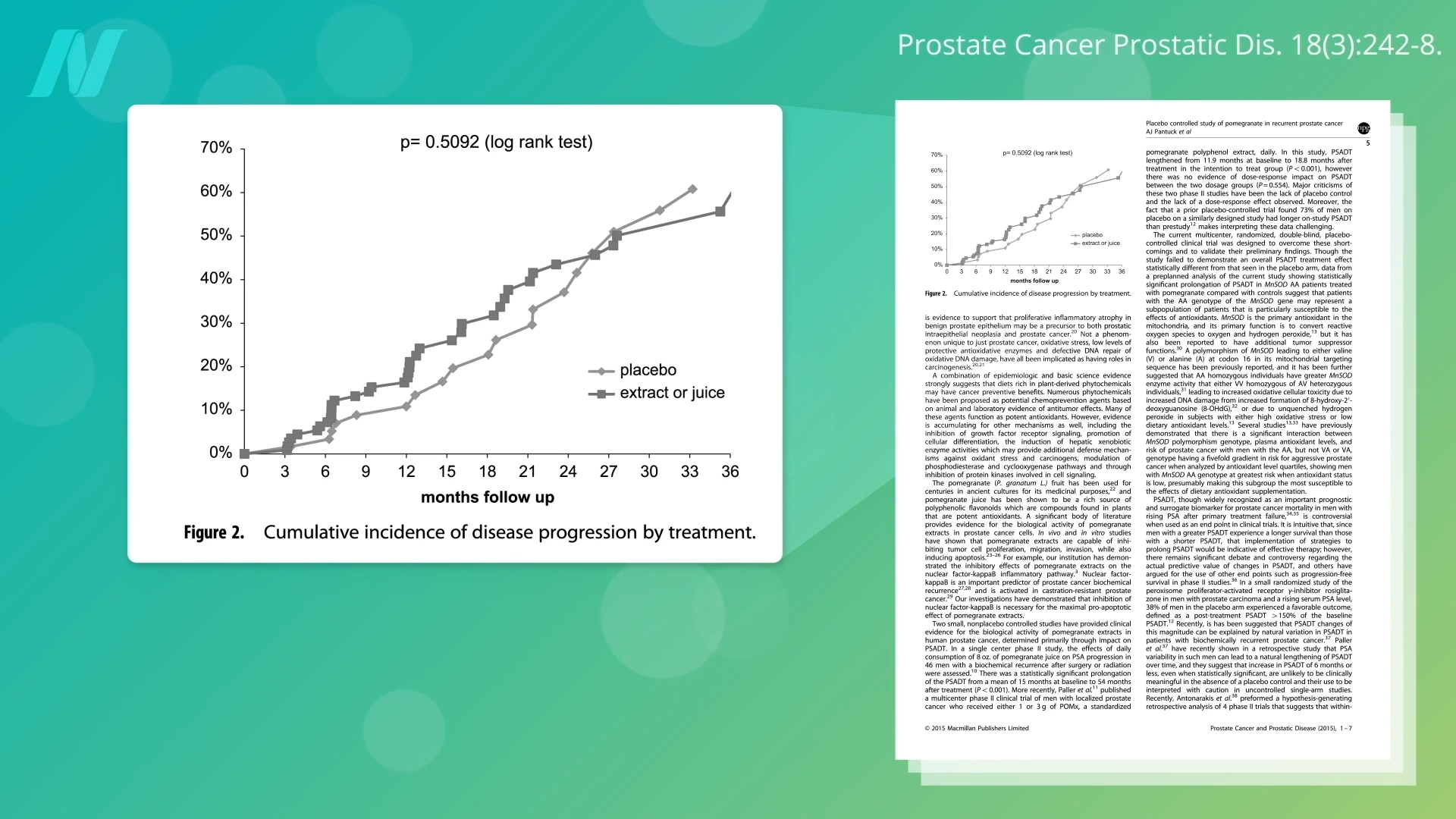
However, as more rigorous, randomized controlled trials have been conducted, the initial promising results have not been consistently confirmed. A notable randomized controlled trial found that daily pomegranate intake had no impact on Prostate-Specific Antigen (PSA) levels, a key biomarker used to monitor prostate cancer progression. Furthermore, a randomized, double-blind, placebo-controlled trial examining the direct impact of pomegranate consumption on prostate cancer disease progression revealed essentially no difference between those who consumed pomegranate and a placebo group. This highlights a recurring theme: while laboratory findings may indicate potential, human clinical trials are essential for validating these effects in real-world scenarios.
Inflammation and Arthritis: A Mixed Bag with Emerging Hope
The anti-inflammatory properties of pomegranates have also been a focal point, particularly in the context of inflammatory diseases. While in vitro studies have demonstrated that pomegranate extracts can exhibit anti-inflammatory activity, translating this to systemic effects in humans has been challenging.
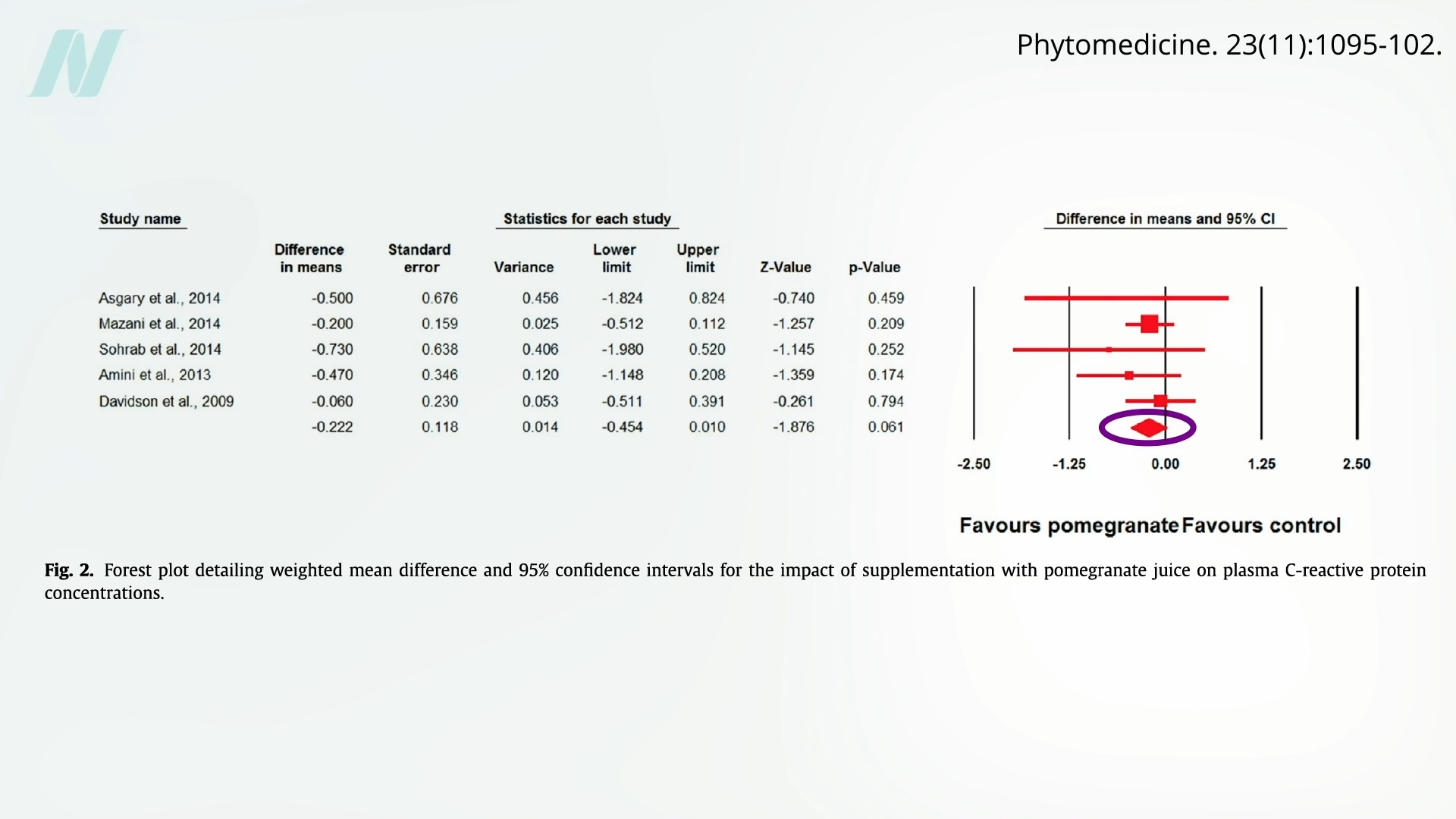
Early meta-analyses of clinical trials investigating the impact of pomegranate juice on C-reactive protein (CRP) levels, a primary marker of inflammation, yielded inconclusive results. While some trials suggested a trend towards lower CRP levels, the combined data did not consistently reach statistical significance. However, more recent and updated meta-analyses, incorporating a larger number of studies, have begun to show more promising outcomes. These analyses have indicated a statistically significant reduction in CRP levels and other inflammatory markers, suggesting that pomegranate juice might indeed play a beneficial role in managing inflammatory conditions.
Osteoarthritis: Promising Lab Results, Limited Clinical Success
The degenerative nature of osteoarthritis, characterized by the breakdown of joint cartilage, has prompted research into pomegranate’s potential to protect cartilage. In vitro studies using human osteoarthritic cartilage samples have demonstrated that pomegranate extract can mitigate inflammation-induced cartilage damage. These findings are compelling, showing a dose-dependent calming effect on cartilage breakdown.
The critical next step is to determine if these protective compounds are bioavailable in humans after consumption. Studies in animal models (rabbits) have indicated that cartilage-protecting components are indeed absorbed, raising the possibility of pomegranates serving as a safe and non-toxic treatment option, contrasting with some pharmaceutical interventions.
However, the first clinical trial focusing on pomegranate juice and osteoarthritis yielded underwhelming results. While participants who consumed the juice reported slightly less stiffness and impairment, these improvements were not statistically significant when compared to a control group. This outcome suggests that while laboratory findings are encouraging, direct human intervention may not yield the same dramatic effects.
Rheumatoid Arthritis: A Glimmer of Hope with Rigorous Trials
The journey to establishing pomegranate’s efficacy for rheumatoid arthritis has been similarly complex. Early studies were often hampered by methodological limitations, such as open-label designs where participants knew they were receiving the treatment, or the use of mouse models that do not perfectly replicate human disease. For instance, a study from POM Wonderful investigating joint damage in mice, while intriguing, did not offer direct human relevance.
A more promising development emerged with a randomized, double-blind, placebo-controlled trial—considered the gold standard in clinical research. In this study, participants unknowingly received either pomegranate extract or a placebo. The results indicated significant improvements in several key indicators of rheumatoid arthritis activity, including reduced swollen and tender joints, decreased pain intensity, improved disease activity scores, and alleviation of morning stiffness, compared to the placebo group. This robust evidence suggests that pomegranate extracts may indeed offer therapeutic benefits for individuals with rheumatoid arthritis.
However, the question of delivery remains. While pomegranate extracts showed efficacy, the practical aspect of obtaining them through supplements raises concerns. A laboratory analysis of 19 commercially available pomegranate supplements revealed a troubling reality: the majority did not appear to contain actual pomegranate, with only a small fraction being deemed authentic. This highlights the critical importance of product quality and purity when considering supplements, and reinforces the benefit of consuming the whole fruit, where the source and content are more readily verifiable.
Doctor’s Note and Cooking Recommendations
The scientific exploration of pomegranates’ health benefits has been an ongoing endeavor, marked by both initial enthusiasm and subsequent rigorous scrutiny. Previous reports, including a 2011 video titled "Is Pomegranate Juice That Wonderful?", have delved into the nuances of these claims. Further exploration into pomegranate’s impact on prostate cancer is also available through the video "Flashback Friday: Pomegranate vs. Placebo for Prostate Cancer."
For those interested in incorporating this fruit into their diet, practical advice is available. A recipe for a "Cran-Chocolate Pomegranate BROL Bowl" offers a delicious way to enjoy the fruit’s bounty, emphasizing whole food consumption as a reliable method of nutrient intake.
In conclusion, while pomegranates possess a rich history and a compelling profile of antioxidants and anti-inflammatory compounds, their purported health benefits require careful evaluation. The legal battles surrounding health claims have underscored the need for stringent scientific evidence, particularly randomized controlled trials. While some areas, such as weight management and cardiovascular health, have shown limited clinical support, emerging evidence for rheumatoid arthritis suggests a potential therapeutic role. As research continues, the focus remains on discerning between marketing hype and scientifically validated outcomes, ensuring that consumers make informed decisions about their health.

