

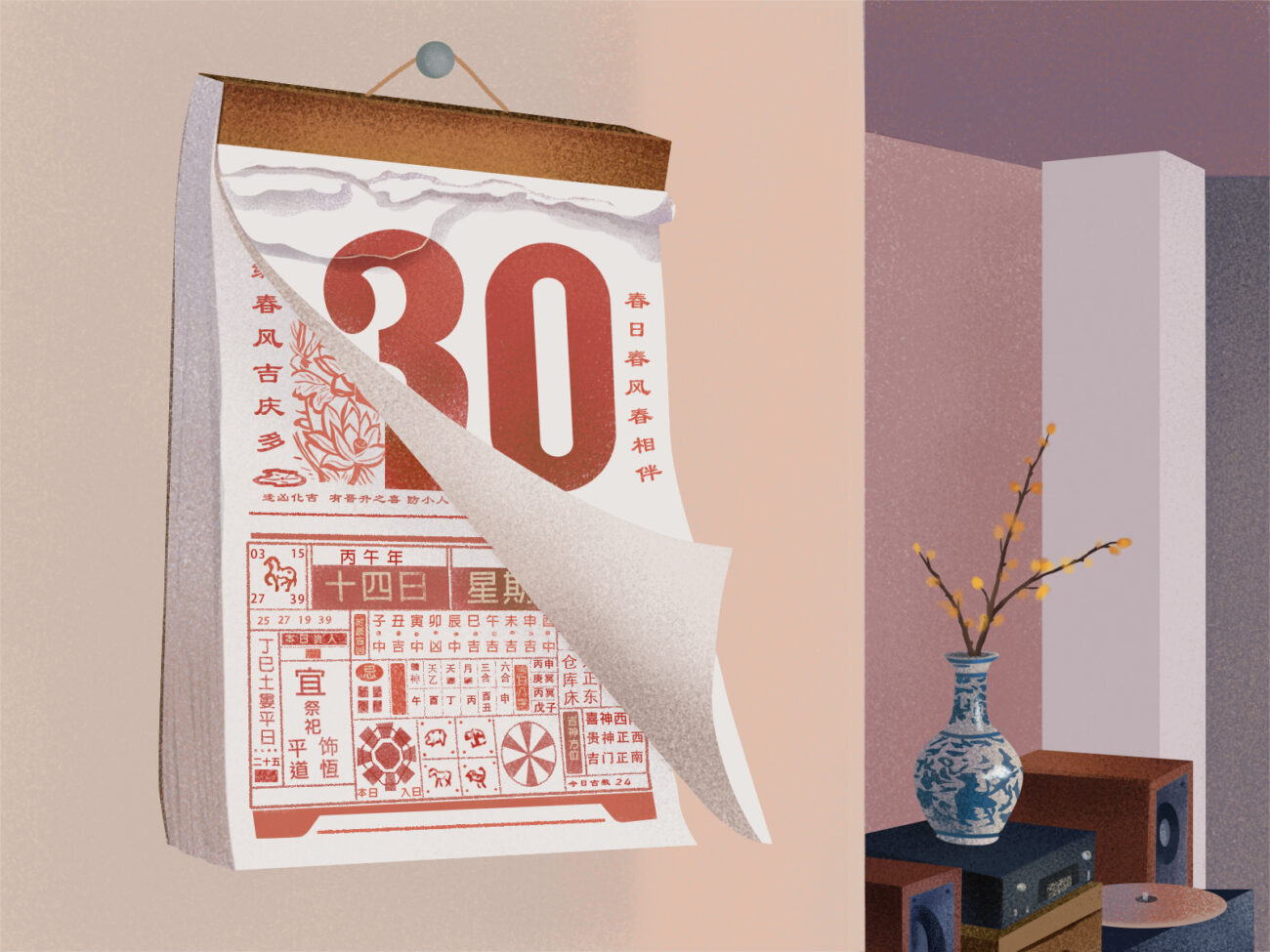
The closing of a year, a universal human experience, has been elegantly captured by poets participating in Tricycle’s Haiku Challenge. The theme of "the old year" invariably evokes a thoughtful, often poignant mood, offering a unique contemplative space within the haiku form. This past month’s submissions explored the multifaceted nature of retrospection, from wistful farewells to the embrace of a fresh start, and the liminal state of being caught between what has been and what is to come. The winning and honorable mention haiku, alongside a wealth of other submissions, have set a new benchmark for year-end reflections in English-language haiku.
A Poetic Heist: The Year as Stolen Treasure
Margaret Stawowy’s winning haiku, "I was sound asleep / when the old year was replaced / with a replica," offers a striking metaphor for the transition from one year to the next. The poem is interpreted as a "heist," where the passage of time, personified as an unseen thief, orchestrates the quiet, unnoticed disappearance of the old year. This imagery resonates with the profound sense of loss and wonder that often accompanies the turn of the calendar.
The analysis within the article draws parallels to a jewel thief, leaving behind a perfect imitation. However, in this instance, the stolen "treasure" is not a material object but the intangible essence of a year. Time, the ultimate orchestrator, operates with such subtlety that its daily pilfering of minutes and days often goes unnoticed. It is only with the passage of an entire year, marked by significant personal milestones like birthdays and anniversaries, or the stark reality of a new calendar, that the cumulative loss becomes palpable.
Stawowy’s haiku strikes an emotional chord precisely because it taps into this shared human perception of time’s relentless march. The concept of the new year as a "replica" underscores the cyclical nature of time and the inherent similarities between consecutive years, each a container for 365 days of life. The poem suggests that, in a fundamental sense, one year can indeed feel like a replica of another, a poignant observation on the human condition and our struggle to find unique meaning within the temporal flow.
The poet’s subtle resentment towards Time’s "theft" is delicately conveyed, hinting at the personal cost of each passing year, a reduction of future potential. Yet, this resentment is tempered with a light, almost comical, touch. Waking to discover the old year has vanished like a dream, replaced by a new, unwritten chapter, elicits a reaction that could be a wry smile or even a laugh. The poem captures the delicate balance between the inevitability of loss and the potential for renewal, a dance between wonder at the progression of years and sorrow for those left behind. The ability to encapsulate such profound and sometimes contradictory emotions within the seventeen syllables of a haiku is a testament to the poet’s skill and the enduring power of the form.
Echoes of Departure: Honorable Mentions
The honorable mentions further illuminate the diverse emotional landscapes explored by poets engaging with the "old year" theme.
Noga Shemer’s haiku, "the old year passes / the train slips from the station / lights and people — gone," employs the powerful imagery of a departing train. This evokes a sense of finality and irreversible movement. The fading lights and disappearing figures symbolize the memories, experiences, and connections that recede into the past as the year concludes. The train, a common motif for journeys and transitions, here represents the old year’s final departure, leaving behind an empty platform of what once was.
Nancy Winkler’s haiku, "starting to teeter / another old year added / to the growing pile," presents a more grounded, perhaps even slightly weary, perspective. The imagery of "teetering" suggests a precariousness, a feeling of being overwhelmed by the accumulation of past years. The "growing pile" of old years implies a burden, a weight of accumulated experience that can feel challenging to manage. This haiku speaks to the cumulative effect of time on an individual’s life, where each passing year adds to the ever-increasing stack of memories and experiences.
These honorable mentions, alongside Stawowy’s winning poem, collectively demonstrate the rich tapestry of human emotion associated with the end of a year. They showcase a spectrum of feelings, from the dramatic and melancholic to the quietly introspective and even humorously resigned.
Understanding the "Season Word": The Old Year in Haiku Tradition
The Tricycle Haiku Challenge’s focus on "season words" (kigo) is a direct nod to the traditional Japanese haiku. While Western culture typically recognizes four distinct seasons, the Japanese haiku tradition incorporates a fifth, often referred to as "New Year" (toshigami). This period, distinct from the typical meteorological seasons, is heavily weighted towards human affairs, customs, and rituals.
The article highlights how many traditional Japanese New Year season words, such as "first calligraphy" or "first dream," do not translate seamlessly into English due to a lack of shared cultural context. The "first dream," in particular, held significant cultural weight in Japan, with auspicious dreams featuring Mount Fuji, a hawk, or an eggplant believed to contain prophecies for the coming year. These practices, rooted in a two-week New Year holiday and associated activities, particularly around the home, reflect a distinct cultural engagement with the transition of time.
In the English-speaking world, New Year season words often include more direct cultural references like "countdown," "popping the cork," "watching the ball drop," "new diary/calendar," "resolutions," and the singing of "Auld Lang Syne." However, the most prevalent and direct terms remain "Old Year," "New Year," and "New Year’s Eve."
The article astutely points out the unique nature of "the Old Year" as a season word. Unlike New Year’s Eve or New Year’s Day, which can be experienced in real-time, "the Old Year" refers to the preceding calendar year, experienced only in retrospect once the new calendar has begun. This inherent backward-looking quality imbues haiku on this theme with a reflective and often introspective tone.
The Allegory of Seasons: Ancient Roots of Year-End Reflection
The concept of the old year being personified as an aged figure departing to make way for an infant new year echoes an ancient Western tradition known as "The Allegory of the Seasons." This allegory, dating back to classical antiquity, depicts spring as birth and childhood, summer as adolescence, autumn as maturity, and winter as old age and death. The cyclical nature of this allegory mirrors the passage of time and the inevitable renewal that follows decline.
The article quotes a poem by John Clare (1793-1864), which powerfully illustrates this sentiment:
"The Old Year’s gone away
To nothingness and night:
We cannot find him all the day
Nor hear him in the night:
He left no footstep, mark or place
In either shade or sun:
The last year he’d a neighbour’s face,
In this he’s known by none."
Clare’s lines evoke the ephemeral nature of the past year, its complete disappearance from tangible presence, and the fading recognition of its former familiarity. This poem serves as a historical counterpoint, demonstrating that the contemplation of the "old year" has a long and rich tradition in Western literature, mirroring the thematic explorations found in contemporary haiku.
Crafting the Haiku Pivot: Tips for Poets
The Tricycle Haiku Challenge provides valuable guidance for poets aiming to capture the essence of a season word. For "The Old Year," the advice emphasizes straightforward description, focusing on a single moment and limiting the scope of ideas or images. This "pivot of thought," as described in the article, is crucial for effective haiku. The challenge requires participants to adhere to the 5-7-5 syllable structure and explicitly include the phrase "The Old Year."
The article further elaborates on the "haiku tip" of celebrating the "fifth season," highlighting the rich possibilities within the New Year theme. It encourages poets to consider the unique temporal aspect of "the old year" – its simultaneous presence in memory and absence in reality. This duality, the article suggests, offers a fertile ground for poetic exploration, allowing poets to engage with concepts of weight and weightlessness, presence and absence, all within the concise framework of haiku.
The overarching message from the Tricycle Haiku Challenge is that the end of a year, symbolized by "the old year," is not merely a chronological marker but a profound human experience rich with emotional depth. Through the disciplined and evocative form of haiku, poets are invited to reflect on time’s passage, the nature of memory, and the enduring cycle of life and renewal. The engagement with this theme, as evidenced by the quality of the submitted poems, underscores the continued relevance and power of haiku in capturing the subtle nuances of our existence. The challenge, by focusing on such evocative season words, not only promotes poetic practice but also encourages a deeper appreciation for the cyclical nature of time and its impact on the human spirit. The ongoing participation and the insightful analysis provided by Tricycle’s platform suggest a thriving community of poets dedicated to exploring these timeless themes.

