


Australia’s international reputation is frequently tethered to the shimmering skylines of Sydney’s Harbour or the artistic laneways of Melbourne. However, a deeper analysis of the nation’s geographical and cultural landscape reveals a significant shift in both domestic and international travel patterns. Beyond the metropolitan hubs lies a network of small towns that serve as the custodians of Australia’s colonial history, Indigenous heritage, and ecological diversity. These regional centers, often referred to as the "heartland," are increasingly recognized not just as transit points, but as primary destinations for "slow travel"—a movement prioritizing cultural immersion and environmental appreciation over high-speed sightseeing.
The following report examines the most significant peaceful countryside towns across the Australian continent, detailing their historical trajectories, economic foundations, and the unique characteristics that define their contemporary appeal.
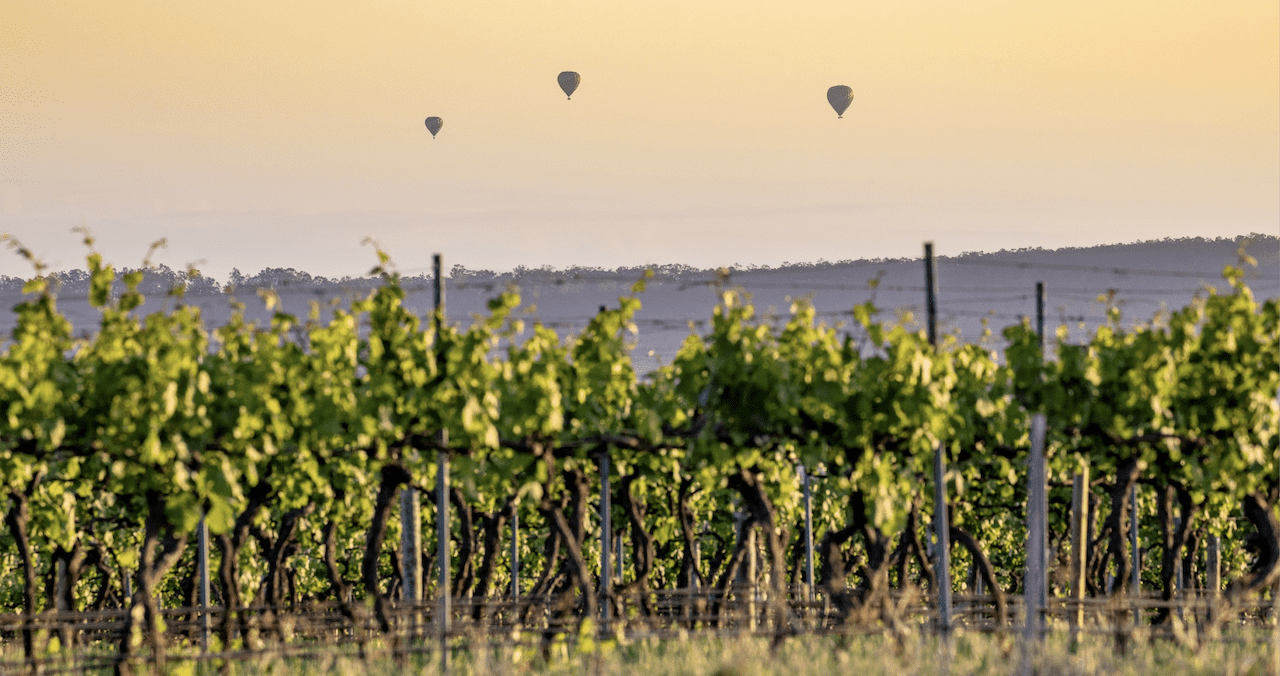
The Victorian Goldfields and Wellness Corridors
The state of Victoria contains some of the most well-preserved examples of 19th-century boomtowns, many of which have transitioned from resource-extractive economies to hubs of heritage tourism and wellness.
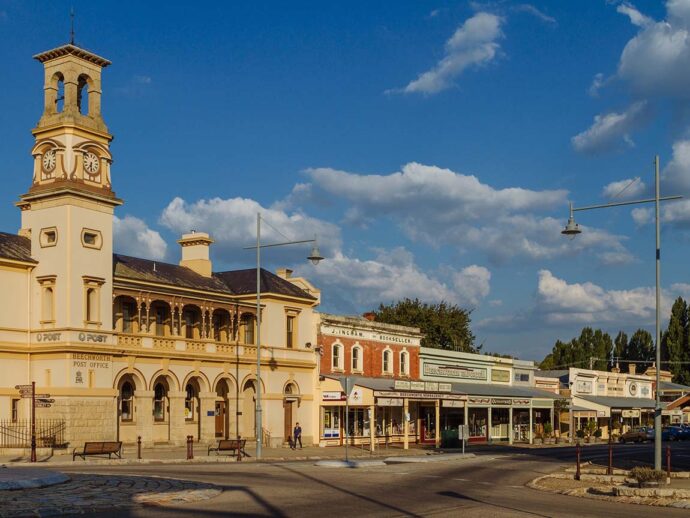
Beechworth: A Preservation of the 1850s
Located approximately 285 kilometers northeast of Melbourne, Beechworth stands as a premier example of a mid-19th-century gold rush town. The discovery of gold in 1852 led to a massive influx of migrants, which facilitated the construction of substantial granite buildings that remain standing today. With a current population of just over 3,200 residents, the town has maintained its architectural integrity through strict heritage controls.
Historically, Beechworth is noted for its connection to the bushranger Ned Kelly, who was held in the local gaol. Today, the town’s economy is supported by its proximity to the King Valley wine region, famous for producing Italian-style varietals like Prosecco. Analysts suggest that Beechworth’s success lies in its ability to balance "dark tourism" (historical prisons and courtrooms) with high-end culinary experiences, making it a multifaceted destination for regional explorers.
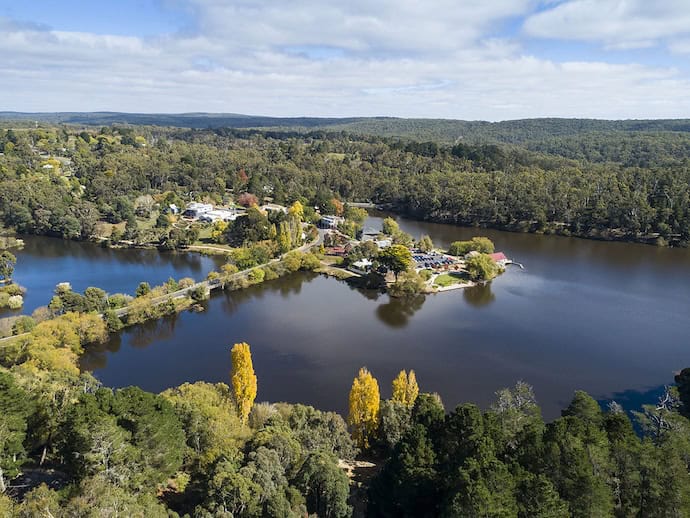
Daylesford: The Mineral Spring Capital
Situated in the foothills of the Great Dividing Range, approximately 108 kilometers northwest of Melbourne, Daylesford was established in 1852. While it began as a gold-mining settlement, its long-term viability was secured by its geology. The region contains over 80% of Australia’s known effluent mineral springs.
By the late 1800s, Daylesford had evolved into a "spa town," a reputation it holds with even greater prestige today. The local economy is heavily reliant on the wellness industry, with numerous world-class retreats offering hydrotherapy and holistic treatments. Data from regional tourism boards indicate that Daylesford serves as a vital economic engine for the Shire of Hepburn, attracting high-yield visitors seeking a reprieve from the urban density of Melbourne.
South Australia’s Cultural Enclaves
South Australia offers a distinct contrast to the eastern states, with towns that reflect the specific migration patterns of the 19th century.

Hahndorf: The Germanic Legacy
Located in the Adelaide Hills, just 28 kilometers from the state capital, Hahndorf is recognized as Australia’s oldest surviving German settlement. Established in 1839 by Lutheran migrants fleeing religious persecution in Prussia, the town is named after Captain Dirk Hahn, who facilitated the settlers’ journey.
The town’s architecture is characterized by "fachwerk" (timber-framed) buildings, many of which have been repurposed into artisanal bakeries, craft breweries, and galleries. Hahndorf’s climate is a notable outlier in the Australian landscape; due to its elevation, it experiences significantly cooler temperatures than the Adelaide plains, with summer maximums rarely reaching the extremes seen elsewhere on the continent. This microclimate has made it a historical and contemporary sanctuary for those seeking to escape the Australian heat.
Coober Pedy: Subterranean Innovation
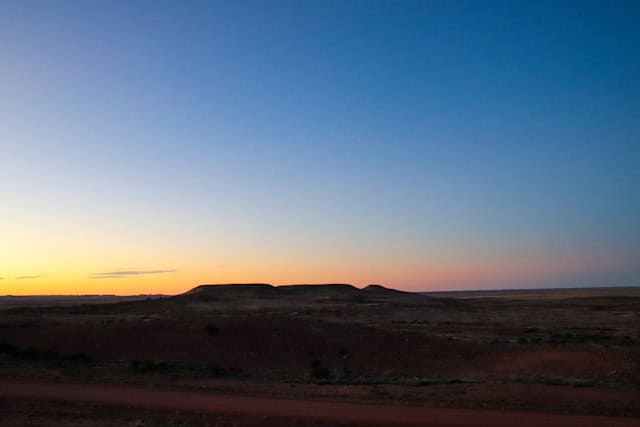
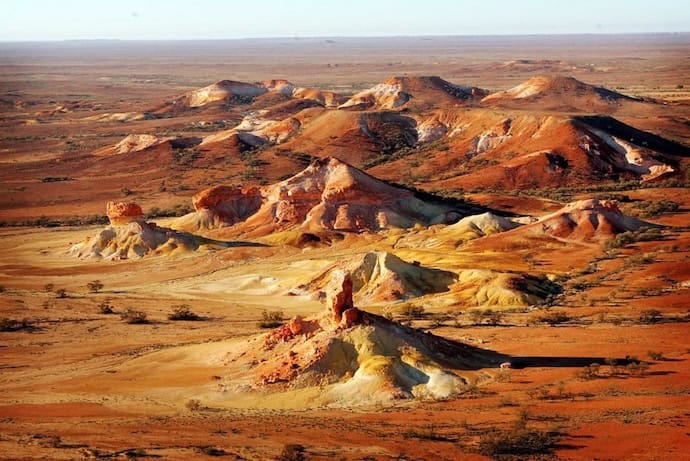
In the far north of South Australia, Coober Pedy represents one of the most unusual urban experiments in the world. Established in 1915 following the discovery of opals by 14-year-old Willie Hutchison, the town supplies approximately 70% of the world’s precious opals.
Due to the extreme desert temperatures, which can exceed 45 degrees Celsius (113 degrees Fahrenheit), the population of roughly 1,500 has largely moved underground. Residents live in "dugouts"—homes excavated into the hillsides—which maintain a constant, comfortable temperature year-round without the need for air conditioning. This subterranean lifestyle has made Coober Pedy a subject of fascination for architectural historians and a frequent filming location for dystopian cinema, including the "Mad Max" franchise.
The Hinterlands of New South Wales
New South Wales (NSW) features towns that bridge the gap between the rugged Great Dividing Range and the lush coastal rainforests.
Leura: The Garden Village of the Blue Mountains
Leura is situated 100 kilometers west of Sydney along the Main Western Railway Line. The area has been home to the Darug and Gundungurra peoples for over 12,000 years, and their connection to the land remains a central part of the region’s identity.
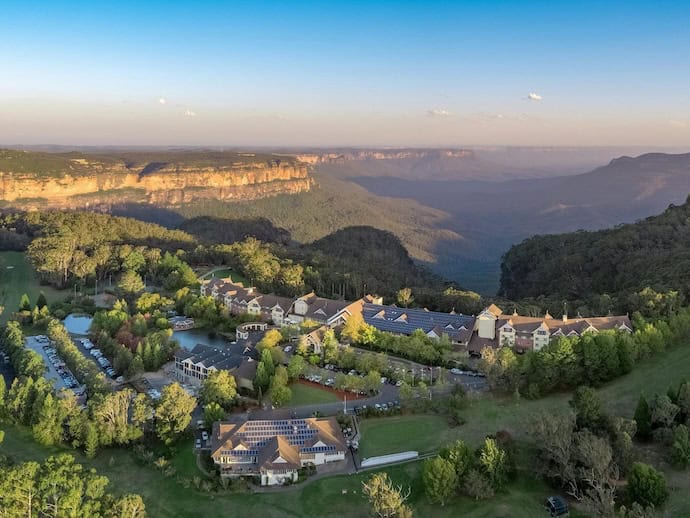
Leura is distinguished by its Edwardian-style gardens and its proximity to the Blue Mountains National Park, a UNESCO World Heritage site. The town serves as a gateway to some of the most significant biodiversity in Australia, including rare eucalyptus species and ancient birdlife. Tourism experts note that Leura’s appeal is its "refined wilderness"—the ability to access rugged escarpments and waterfalls during the day and return to sophisticated dining and shopping by evening.
Dorrigo: A Window into Gondwana
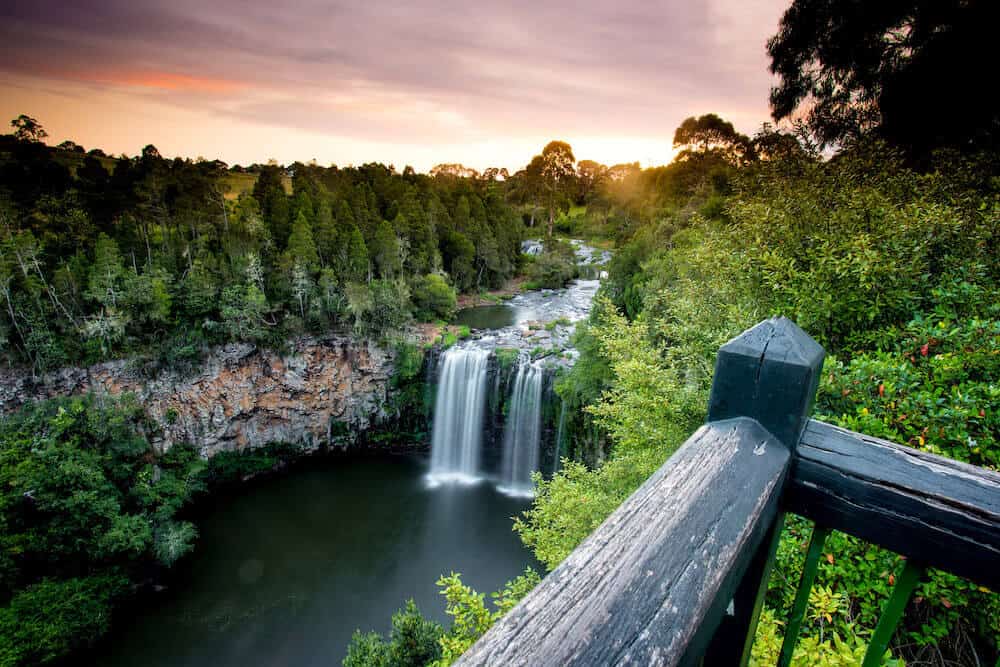
Located nearly 600 kilometers north of Sydney, Dorrigo is a small community of roughly 1,000 people that offers access to the Gondwana Rainforests of Australia. This World Heritage Area is protected by UNESCO for its "outstanding examples of major stages of the Earth’s evolutionary history."
The town’s primary attraction is the Dorrigo National Park and the spectacular Dangar Falls. The waterfall, located just outside the town center, is a focal point for eco-tourism. Environmental analysts point to Dorrigo as a critical site for "educational tourism," where visitors can witness the biological processes that have remained largely unchanged for millions of years.
Tenterfield: The Birthplace of Federation
Tenterfield, positioned 700 kilometers north of Sydney near the Queensland border, holds a unique place in Australian political history. It was here, in 1889, that Sir Henry Parkes delivered his famous "Tenterfield Oration," which set in motion the federation of the Australian colonies into a single nation.
The town is rich in museum culture, featuring the Tenterfield Railway Museum and the iconic Tenterfield Saddler, made famous by the lyrics of musician Peter Allen. Surrounded by granite landscapes and national parks such as Bald Rock, Tenterfield is a hub for hikers and history enthusiasts alike.
Western Australia and Tasmania: The Coastal Frontiers
The outlying states of Western Australia and Tasmania offer remote, high-value experiences centered on viticulture and pristine coastal ecology.
Margaret River: A Viticultural Powerhouse
Located three hours south of Perth, Margaret River is globally renowned for its wine production, specifically its Cabernet Sauvignon and Chardonnay. Originally a center for the timber and dairy industries, the region underwent a massive economic shift in the late 1960s when scientists identified its Mediterranean climate as ideal for premium grape growing.
Today, the town balances its identity as a luxury wine destination with its reputation as a world-class surfing hub. The convergence of the Indian and Southern Oceans creates powerful swells that attract professional surfers annually. This "surf and turf" economy has made Margaret River one of the most resilient regional towns in Australia, consistently attracting high levels of international investment.
Scamander: Tasmanian Isolation
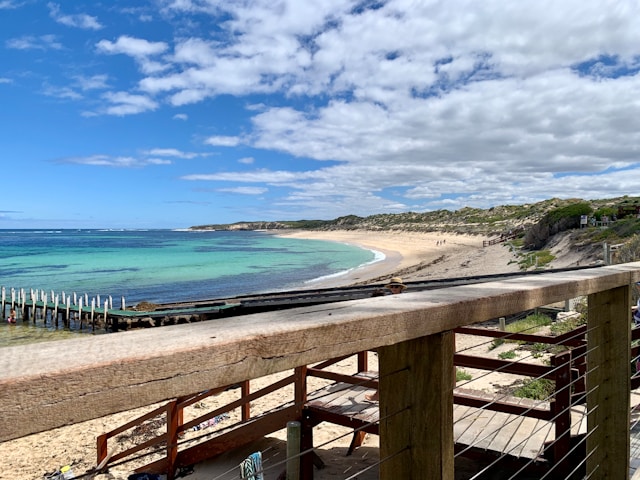
On the northeast coast of Tasmania, Scamander offers a population of fewer than 900 people a lifestyle defined by the rhythms of the Scamander River and the Tasman Sea. Tasmania, often celebrated for its successful conservation of the endangered Tasmanian Devil, uses towns like Scamander as bases for eco-tourism.
Scamander is characterized by its wide, sandy beaches and its status as a premier fishing destination. Unlike the more developed towns on the mainland, Scamander’s appeal lies in its lack of commercialization. It represents the "frontier" of Australian countryside travel—quiet, unpretentious, and deeply connected to the maritime environment.
Analysis of Broader Impacts and Regional Implications
The rise of interest in these peaceful countryside towns is not merely a travel trend; it is a significant socio-economic shift. According to data from the Regional Australia Institute (RAI), there has been a consistent "net migration" from capital cities to regional areas over the last five years. This "tree-change" or "sea-change" phenomenon is driven by a desire for lower population density, more affordable housing, and a higher quality of life.
From a journalistic perspective, the implications are twofold:
- Economic Diversification: Towns that were once dependent on singular industries like mining or logging are successfully pivoting toward sustainable tourism and niche agriculture. This creates a more resilient national economy that is less dependent on the fluctuations of global commodity prices.
- Environmental Stewardship: As more visitors and residents move into these ecologically sensitive areas, there is an increased focus on conservation. The UNESCO status of regions like Dorrigo and the Blue Mountains ensures that development is balanced with the protection of Australia’s unique flora and fauna.
In conclusion, the peaceful countryside towns of Australia offer a vital counter-narrative to the country’s urban identity. They are places where the past is preserved in granite and timber, and where the future of Australian tourism is being rewritten through the lenses of sustainability, history, and quietude. For the traveler, these towns provide a window into the "real" Australia—a vast, diverse, and deeply welcoming landscape that extends far beyond the city limits.

