

The pervasive presence of fungal mycotoxins in agricultural products presents a significant, though often underestimated, threat to global public health. While most crops are susceptible to contamination, certain food categories emerge as particularly concerning vectors for these toxic compounds. Recent scientific inquiries have shed further light on the extent of this issue, with particular attention being paid to seemingly innocuous staples like oats, as well as widely consumed products such as wine and dried herbs. The implications of these findings are far-reaching, impacting dietary recommendations, agricultural practices, and regulatory oversight.
The Pervasive Threat of Mycotoxins
Mycotoxins are toxic secondary metabolites produced by fungi that can contaminate food crops at various stages, from pre-harvest to post-harvest storage. Their presence is not a localized phenomenon but a global concern, with estimates suggesting that a substantial percentage of the world’s food supply may be affected. While earlier figures from organizations like the Food and Agriculture Organization of the United Nations (FAO) suggested around 25% of crops were impacted, more recent analyses indicate a potentially higher prevalence, with some experts positing figures as high as 60% to 80%. This alarming rise in occurrence is attributed to a confluence of factors, including the development of more sensitive analytical testing methods capable of detecting lower concentrations of mycotoxins and the undeniable impact of climate change, which can create more favorable conditions for fungal growth and mycotoxin production.
These naturally occurring toxins can pose a range of health risks to humans and animals, depending on the specific mycotoxin, the level and duration of exposure, and individual susceptibility. Health effects can include acute toxicity, immunosuppression, birth defects, and carcinogenicity. Understanding the sources and prevalence of mycotoxins is therefore crucial for developing effective mitigation strategies and protecting public health.
Oats: A Double-Edged Sword of Nutrition and Contamination
Oats have long been lauded for their nutritional profile, often described as "uniquely nutritious." Their value stems, in part, from their prebiotic properties, which are known to promote the growth of beneficial gut bacteria. This makes oats a valuable component of a healthy diet, contributing to improved digestive health and overall well-being. The spectrum of oat products available to consumers ranges from minimally processed forms like intact oat groats, considered the most beneficial due to their intact cellular structure, to steel-cut oats, and further down the processing chain to highly refined breakfast cereals.
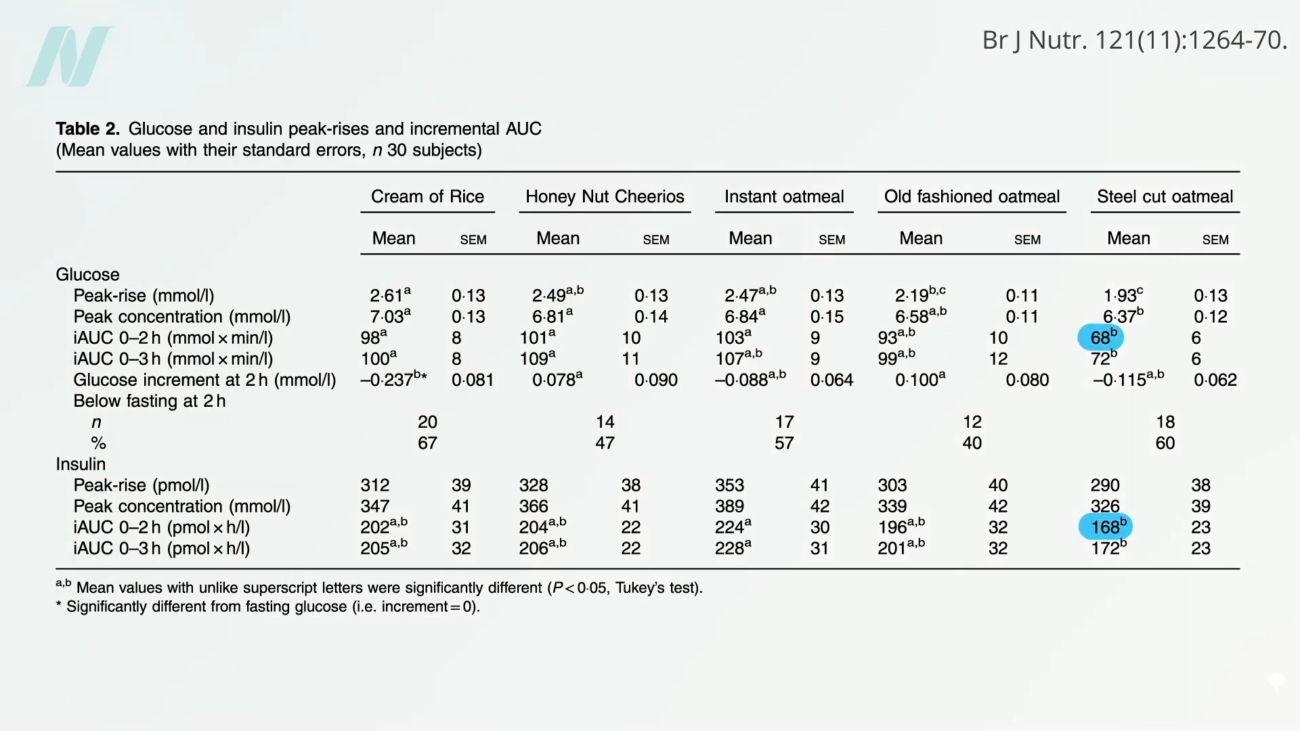
However, the processing of oats can significantly alter their impact on human physiology and potentially influence mycotoxin exposure. The process of rolling oats, for instance, crushes the grain, which can disrupt cell walls and damage starch granules. This disruption makes the starches more readily available for digestion, leading to quicker absorption of glucose into the bloodstream. This accelerated digestion is problematic because it means less resistant starch reaches the colon to nourish beneficial gut bacteria. The grinding of oats into oat flour for breakfast cereals represents an even greater degree of processing, with similar consequences for starch digestibility. Studies comparing blood sugar and insulin responses have demonstrated significantly lower spikes when consuming more intact forms of oats, such as steel-cut oats, compared to their more processed counterparts. This highlights a crucial distinction: while oats offer inherent health benefits, their form and processing can influence both their glycemic impact and potentially their bioavailability of any contaminants.
Adding another layer of concern, oats have been identified as a leading source of dietary exposure to a specific mycotoxin: ochratoxin A. Research indicates that oats are a primary contributor to the overall ochratoxin A intake in human diets. While oats may be the most significant source, they are not the sole contributor to ochratoxin A contamination in the food supply.

Ochratoxin A: A Potent Renal Toxin
Ochratoxin A (OTA) is a potent nephrotoxin, meaning it is toxic to the kidneys. Beyond its renal effects, OTA has also been associated with immunosuppressive, teratogenic (causing birth defects), and carcinogenic properties. The widespread presence of OTA in various food commodities necessitates a thorough understanding of its health implications and the development of effective control measures.
The contamination of food crops with mycotoxins, including OTA, is a global issue. While the exact extent remains a subject of ongoing research and refinement of detection methods, the high occurrence rates underscore the need for vigilance. The impact of climate change, characterized by increasing temperatures and altered precipitation patterns, is believed to exacerbate fungal growth and mycotoxin production in agricultural settings worldwide. This creates a challenging environment for food producers and regulators alike.
Other Food Categories Under Scrutiny
Beyond oats, several other food categories have been identified as potential reservoirs for mycotoxins, warranting careful consideration:
Spices: High Concentration, Low Quantity
Spices, while often present in small quantities in the diet, have been found to harbor some of the highest concentrations of mycotoxins. This apparent paradox—high contaminant levels in foods consumed in minuscule amounts—means that their contribution to overall mycotoxin intake may not be as significant as other sources. Nevertheless, best practices for spice storage are recommended to minimize further contamination. Keeping spices dry after opening sealed containers is a simple yet effective measure to mitigate the risk of mold growth and subsequent mycotoxin production.
Dried Herbs and Supplements: A Hidden Health Risk
The realm of dried herbs and plant-based dietary supplements presents another area of concern. Research focusing on mycotoxins in these products has revealed elevated levels in certain botanical ingredients. A notable example comes from studies on milk thistle-based supplements, which have shown particularly high mycotoxin concentrations. The environmental conditions required for milk thistle harvest, often humid and wet weather, are conducive to mold growth, explaining the high levels of contamination. This finding is particularly concerning given that milk thistle preparations are frequently used by individuals with pre-existing liver conditions. The simultaneous intake of compounds toxic to the liver, like certain mycotoxins, in individuals with compromised liver function raises significant health concerns and underscores the need for rigorous quality control in the production of these supplements.
Wine: A Global Contaminant
Wine, a beverage enjoyed globally, has also been identified as a significant source of mycotoxin exposure, particularly ochratoxin A. Studies have indicated that wines sourced from the United States, in particular, can exhibit particularly high levels of OTA. In fact, the single highest level of OTA detected globally was found in a U.S. wine. The contamination is not exclusive to any single region, with widespread presence in wines globally. Some researchers suggest that this consistent contamination of wine may contribute to the regularly observed levels of OTA in human blood samples, particularly among regular wine drinkers.
Mitigation Strategies: From Prevention to Detoxification
The challenge of mycotoxin contamination requires a multi-pronged approach, encompassing preventative measures during cultivation and storage, as well as strategies to reduce or eliminate toxins from contaminated food products.
Preventing Contamination
The ideal scenario is to prevent mycotoxin contamination from occurring in the first place. This involves implementing good agricultural practices (GAPs) that minimize fungal growth on crops. These practices can include:
- Crop Rotation and Variety Selection: Choosing crop varieties that are less susceptible to fungal diseases and rotating crops to break disease cycles.
- Pest Management: Controlling insect infestations, as insects can create entry points for fungi.
- Timely Harvesting: Harvesting crops at the optimal time to minimize exposure to adverse weather conditions that promote fungal growth.
- Proper Drying and Storage: Ensuring crops are adequately dried after harvest and stored in conditions that prevent moisture accumulation, which is critical for inhibiting fungal growth. Temperature and humidity control in storage facilities are paramount.
Detoxification and Decontamination
When contamination is unavoidable or has already occurred, efforts are focused on detoxification or decontamination of food products. This is an area of active research, with a growing interest in finding effective and practical methods.
One promising avenue involves the use of yeast as a detoxification agent. Mycotoxins, including OTA, have the ability to bind to the cell walls of certain yeasts. The principle is that these yeast-mycotoxin complexes can then be physically removed, for example, by straining. This approach has shown efficacy in animal models, such as in chickens, where the administration of yeast alongside aflatoxin (another type of mycotoxin) reduced the severity of associated diseases.
More recently, research has explored the use of nutritional yeast as a means to prevent the absorption of mycotoxins in the human gastrointestinal tract. Studies have demonstrated that yeast can bind to ochratoxin A, with some research indicating a significant percentage of the toxin being bound. However, the stability of these yeast-mycotoxin complexes throughout the digestive process is a critical factor. While laboratory studies show promise, in vivo effectiveness (within the living organism) is still being rigorously investigated. Even with the binding of a substantial portion of OTA, exceeding the maximum daily intake remains a possibility, particularly with regular consumption of contaminated products like wine, even when consumed with snacks potentially containing nutritional yeast.
Another emerging area of research focuses on enzymatic detoxification, utilizing enzymes that can break down mycotoxins into less toxic or non-toxic compounds. However, these methods are still largely in the experimental phase and face challenges related to cost-effectiveness, scalability, and potential impact on the nutritional quality and sensory properties of the food.
Regulatory Landscape and Future Outlook
The global effort to combat mycotoxin contamination is an ongoing challenge for food safety authorities and international organizations. Regulations concerning maximum permissible levels of mycotoxins in various food commodities are in place in many countries, though these limits can vary. Continuous monitoring and surveillance programs are essential to ensure compliance and to adapt regulatory frameworks as new scientific evidence emerges.
The interplay between agricultural practices, environmental factors, and human health underscores the complex nature of mycotoxin contamination. As analytical techniques become more sophisticated and our understanding of the toxicological impacts of these compounds deepens, a more comprehensive and proactive approach to food safety will be crucial. Continued investment in research and development of effective prevention and mitigation strategies, alongside robust regulatory oversight, will be key to safeguarding public health from the hidden risks posed by mycotoxins in the global food supply. The journey from understanding the problem to implementing widespread, effective solutions remains a significant undertaking, demanding collaboration across scientific, agricultural, and governmental sectors.

