

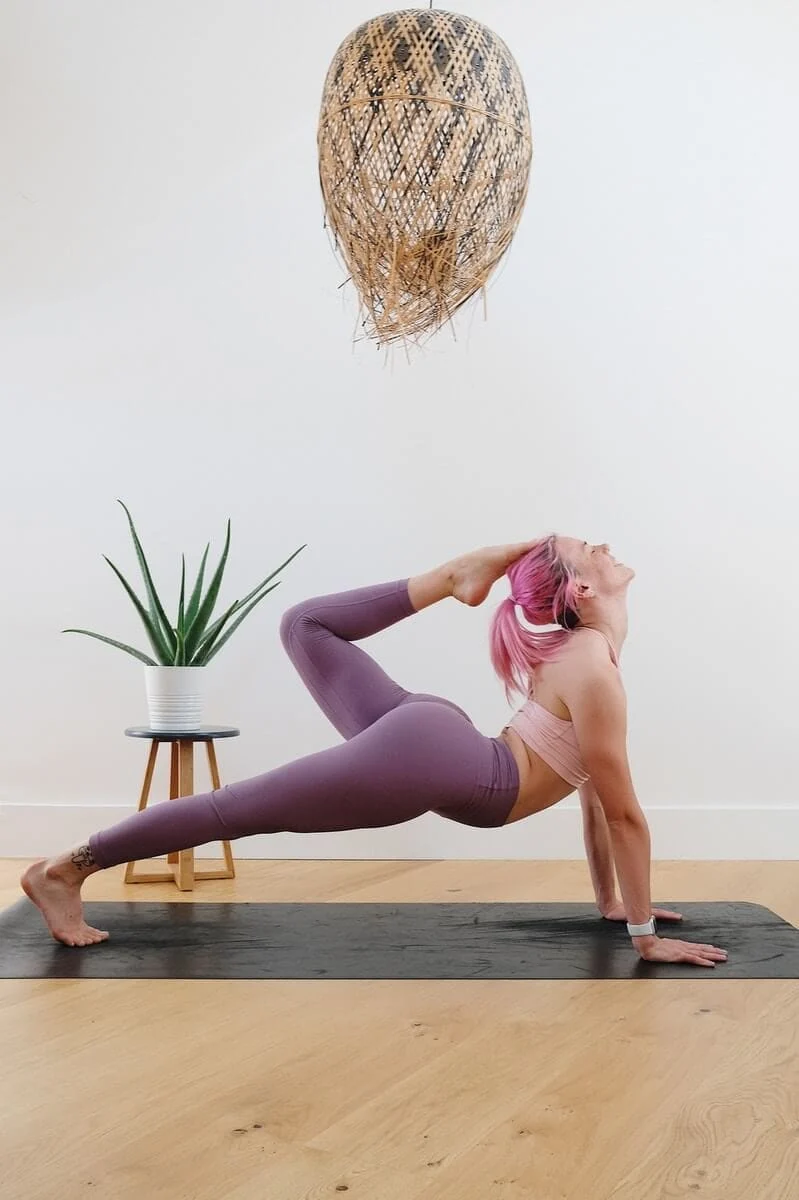
A comprehensive study, the DoYou Global Yoga Survey 2021, has unveiled a significant and accelerating trend towards home-based yoga practice, with a remarkable 85% of respondents indicating they primarily engage in yoga within their own living spaces. This pivotal finding, derived from a robust dataset of over 10,000 participants spanning 124 countries, underscores a fundamental recalibration in how individuals approach their wellness routines. The survey, conducted by DoYou.com, identified four primary drivers behind this pronounced shift: unparalleled convenience, enhanced affordability, increased privacy, and a greater sense of personal control over one’s practice. While the advantages of home practice are clear and compelling, the survey also explored potential drawbacks, fostering a broader discussion on the future landscape of global yoga engagement.
The Genesis of a Global Trend: Contextualizing the DoYou Global Yoga Survey 2021
The DoYou Global Yoga Survey 2021 emerged at a critical juncture in global health and lifestyle patterns. Conducted during the height of the COVID-19 pandemic, a period characterized by widespread lockdowns, social distancing mandates, and unprecedented restrictions on public gatherings, the survey offers a unique snapshot of human adaptation in the face of adversity. Prior to the pandemic, the yoga industry had experienced consistent growth, with boutique studios and large fitness centers offering diverse classes becoming increasingly popular hubs for practitioners seeking community, expert instruction, and dedicated spaces for their practice. The global yoga market was valued at billions of dollars, supported by a burgeoning interest in holistic health and mindful living.
However, the onset of the pandemic in early 2020 irrevocably altered this trajectory. With studios forced to close their doors or operate under severe capacity limitations, millions of practitioners found their routines disrupted. This immediate and widespread challenge catalyzed a rapid digital transformation within the fitness industry, and yoga was no exception. Online platforms, once supplementary resources, quickly became essential channels for instruction and engagement. The DoYou Global Yoga Survey, executed in 2021, precisely captured the prevailing sentiment and evolving habits shaped by these extraordinary circumstances, providing invaluable insights into a potentially permanent shift in wellness behavior. Its objective was not merely to quantify participation but to understand the underlying motivations and preferences that were redefining the global yoga experience.
Main Drivers Behind the Home Practice Surge
The survey meticulously cataloged the reasons influencing practitioners’ choices, revealing a confluence of practical and personal factors that collectively tip the scales in favor of home practice for a vast majority.
1. Unmatched Convenience: Fitting Yoga into Modern Life
The most cited reason for opting for home practice, endorsed by 71% of respondents, is convenience. In an increasingly fast-paced world, the prospect of navigating traffic, finding parking, adhering to fixed class schedules, and preparing for an outing after a demanding day often presents a significant barrier to studio attendance. Home practice eliminates these logistical hurdles entirely. Practitioners gain the freedom to unroll their mat whenever inspiration strikes, whether it’s a quick session before dawn, a midday stress-buster, or a wind-down routine late in the evening. This flexibility extends to attire as well; the ability to practice in comfortable pajamas, workout clothes, or even nude, as some respondents playfully indicated, removes any self-consciousness or pressure associated with public appearance. This adaptability makes yoga more accessible to individuals with erratic work schedules, family commitments, or limited access to transportation, effectively integrating wellness into the fabric of daily life rather than treating it as a separate, scheduled event. The time saved on commuting alone can translate into additional practice time or simply more personal leisure, making home yoga a highly efficient choice for many.
2. Enhanced Affordability: Yoga for Every Budget
Financial considerations play a substantial role, with 46% of home practitioners citing affordability as a key motivator. Traditional yoga studio memberships can represent a significant monthly expense, often ranging from $50 to $200 or more, depending on location and studio prestige. When factoring in additional costs such as transportation, specialized attire, or even post-class refreshments, the cumulative expenditure can become prohibitive for many. The advent of abundant free resources, particularly on platforms like YouTube, has democratized access to high-quality yoga instruction. Thousands of certified instructors now offer free classes across all styles and levels, making yoga accessible to virtually anyone with an internet connection. Furthermore, paid online subscriptions and applications, while incurring a cost, are typically far more economical than studio memberships, often providing a vast library of classes for a fraction of the price. This financial accessibility has broadened yoga’s reach, allowing individuals from diverse socioeconomic backgrounds to cultivate a regular practice without undue financial strain, thereby fostering greater inclusivity within the yoga community.
3. Unparalleled Privacy: A Safe Space for Self-Exploration
For 33% of respondents, the privacy afforded by home practice is invaluable. Many individuals, especially beginners or those with body image concerns, find the communal setting of a studio intimidating. The perceived pressure to perform, the potential for comparison with more experienced practitioners, or the discomfort of sweating and moving alongside strangers can create a barrier to entry or enjoyment. Home practice removes these anxieties, creating a safe, non-judgmental sanctuary where individuals can explore poses, experiment with their bodies, and connect with their breath without external scrutiny. This sense of security is particularly beneficial for those who are new to yoga, recovering from injuries, or dealing with chronic conditions that might make public practice feel vulnerable. It allows for a deeper, more introspective journey, fostering self-acceptance and a focus on personal growth rather than external validation. The privacy of home allows practitioners to truly listen to their bodies and tailor their practice to their immediate needs, free from the distractions or social dynamics of a group setting.
4. Absolute Control: Tailoring the Practice to Individual Needs
Over 60% of individuals surveyed in the overall poll emphasized the crucial role of the instructor and atmosphere in their enjoyment of a class. Home practice empowers individuals with complete control over these elements, a factor highly valued by respondents. Instead of being bound by a studio’s schedule or a specific instructor’s style, home practitioners can curate their experience entirely. They can choose from a multitude of online instructors, selecting those whose teaching style, voice, and personality resonate most strongly with them. This allows for a highly personalized journey, ensuring consistency in the quality of instruction and alignment with personal preferences. Furthermore, practitioners have full autonomy over their environment – adjusting lighting, temperature, music, and even scent to create their ideal practice space. This level of customization ensures that each session is precisely what the individual needs on that particular day, whether it’s a vigorous Vinyasa flow, a gentle restorative sequence, or a focused meditation. This autonomy minimizes the risk of a "bad class" experience and fosters a more consistent and deeply satisfying practice.
The Broader Implications and Evolving Yoga Landscape
The profound shift towards home practice carries significant implications for the global yoga industry, influencing business models, instructor roles, and the overall accessibility of yoga.
Impact on Yoga Studios and Instructors
For traditional brick-and-mortar yoga studios, the surge in home practice, exacerbated by the pandemic, presented unprecedented challenges. Many faced financial strain due to reduced in-person attendance and increased operational costs. However, this period also spurred rapid innovation. Many studios swiftly pivoted to hybrid models, offering both in-person and live-streamed classes, alongside on-demand video libraries. This adaptation allowed them to retain existing members and reach new audiences beyond their geographical limits. Industry observers note that this transformation is likely permanent, with studios evolving into community hubs that complement rather than compete with home practice.
Yoga instructors, too, have adapted. While some might miss the immediate feedback and personal connection of in-person classes, many have embraced the digital realm, becoming online content creators, virtual coaches, and global educators. This shift has democratized teaching, allowing instructors to build personal brands and reach a worldwide audience, unconstrained by physical location. However, it also presents new challenges, such as navigating complex digital platforms, managing online communities, and ensuring the quality of instruction without direct physical presence.
The Democratization and Accessibility of Yoga
One of the most significant positive implications of the home practice trend is the unprecedented democratization of yoga. Geographical barriers are significantly reduced, allowing individuals in remote areas or regions with limited studio access to participate. This also benefits populations with mobility issues, chronic illnesses, or caregiving responsibilities who might find it challenging to attend external classes. The diverse range of online content caters to all levels, body types, and cultural backgrounds, making yoga more inclusive than ever before. This expansion of access aligns with the broader wellness movement’s goal of making health practices available to everyone, regardless of their circumstances.
Addressing the Downsides of Exclusive Home Practice
While the benefits of home practice are numerous, the DoYou Global Yoga Survey also prompted consideration of its potential drawbacks, highlighting the irreplaceable value of professional guidance and communal experience.
Increased Risk of Injury and Lack of Personalized Feedback
Perhaps the most critical concern associated with exclusive home practice is the increased risk of injury. Without a trained instructor physically present to observe and correct form, practitioners, especially beginners, may unknowingly adopt incorrect alignment or push themselves beyond safe limits. While online tutorials offer visual guidance, they cannot provide the real-time, personalized feedback and hands-on adjustments that a qualified instructor offers. This is particularly crucial for complex poses or for individuals with pre-existing injuries or physical limitations. A studio setting provides a controlled environment where modifications can be suggested, and poses can be adapted safely, minimizing the risk of strain or exacerbating conditions.
The Absence of Community and Shared Energy
Another significant drawback is the potential for isolation. Yoga, in its traditional context, is often a communal practice. Studio classes offer a unique energy, a sense of shared purpose, and opportunities for social interaction and connection with like-minded individuals. This community aspect can be a powerful motivator, fostering accountability and a sense of belonging that is difficult to replicate in a solitary home setting. Many practitioners derive emotional and psychological benefits from the collective energy of a group class, which can boost mood and enhance the overall experience. Missing out on these communal benefits can lead to decreased motivation over time or a less holistic experience of yoga.
Challenges with Motivation and Discipline
Maintaining a consistent practice at home often requires a high degree of self-discipline and motivation. Without the external structure of a class schedule or the social encouragement of a studio environment, it can be easier to succumb to distractions, procrastination, or a lack of inspiration. While the convenience is undeniable, the absence of a dedicated, external space for practice can sometimes blur the lines between personal life and yoga, making it harder to fully commit to a session.
The Hybrid Model: A Balanced Future for Yoga Practice
Recognizing both the advantages of home practice and the invaluable contributions of studio environments, many yoga professionals and industry analysts advocate for a hybrid approach. This model encourages practitioners to leverage the flexibility and affordability of home sessions while also integrating occasional studio classes for specialized instruction, personalized feedback, and community engagement.
Yoga studios, for their part, are encouraged to cultivate welcoming, non-judgmental spaces that actively address the concerns about competition or discomfort that some practitioners experience. Finding the right studio and instructor can take time, and practitioners are advised not to be deterred by a single negative experience. By offering diverse class styles, inclusive environments, and flexible membership options that cater to hybrid practitioners, studios can remain relevant and vital components of the evolving yoga ecosystem.
This dual approach allows individuals to reap the best of both worlds: the convenience and control of home practice combined with the expert guidance, safety, and vibrant community spirit of a studio. This flexible model is not about choosing one over the other but rather about integrating both seamlessly into a personalized wellness journey. It suggests that the rise of home practice is not necessarily a threat to in-person classes but rather an expansion of possibilities, enriching the overall yoga experience for a broader global audience.
Future Outlook and Sustained Evolution
The insights gleaned from the DoYou Global Yoga Survey 2021 offer a compelling glimpse into the future of yoga. The shifts witnessed during the pandemic are unlikely to fully reverse; instead, they are cementing a more diversified and adaptable approach to wellness. Technology will continue to play a pivotal role, with innovations in AI-powered feedback, virtual reality yoga, and advanced streaming capabilities potentially bridging some of the current gaps in home practice, such as personalized alignment correction.
Ultimately, the essence of yoga—mindfulness, movement, and holistic well-being—remains constant. The methods of accessing and practicing it, however, are undergoing a profound and exciting evolution. The global yoga community is becoming more resilient, more inclusive, and more accessible, ensuring that the transformative benefits of yoga can reach even more individuals worldwide, regardless of their location or circumstances. The hybrid practitioner, adept at navigating both the digital and physical realms of yoga, is likely to become the new norm, shaping a dynamic and multifaceted future for this ancient practice.

