

In an increasingly time-constrained world, the pursuit of effective and efficient fitness solutions has led to a renewed focus on compound exercises, a cornerstone of functional strength training. Scientific consensus highlights these multi-joint movements as a superior method for achieving comprehensive physical development, offering significant advantages over isolated exercises in terms of caloric expenditure, hormonal response, and functional strength gains. This detailed analysis explores the physiological underpinnings, historical context, practical application, and broader implications of incorporating compound exercises into diverse fitness regimens.
Historical Context and the Evolution of Exercise Science
The history of physical culture reveals a fluctuating emphasis on different training methodologies. Early forms of strength training, dating back to ancient Greece and Rome, inherently involved compound movements through activities like wrestling, lifting stones, and martial arts, all of which demanded integrated muscle action. The late 19th and early 20th centuries saw the formalization of weightlifting and gymnastics, heavily relying on compound lifts such as squats, deadlifts, and presses, which were recognized for their ability to build overall strength and athleticism.
However, the mid-20th century witnessed a significant shift with the rise of bodybuilding culture and the proliferation of specialized exercise machines. This era popularized the concept of "isolation exercises," where individual muscle groups were targeted to sculpt specific aesthetics. While effective for hypertrophy and targeted muscle development, this approach often overlooked the synergistic nature of human movement and the broader functional benefits of integrated training. For decades, many mainstream fitness programs prioritized isolation, leading to lengthy gym sessions focused on working one muscle group at a time.
In recent decades, a growing body of exercise science research, coupled with a greater understanding of biomechanics and human physiology, has prompted a re-evaluation. Experts began to advocate for more functional training approaches that mimic real-life movements, leading to a resurgence in the popularity and scientific validation of compound exercises. Public health organizations and sports science academies increasingly emphasize multi-joint movements for their efficiency and comprehensive health benefits, signaling a return to principles rooted in the body’s natural movement patterns.
Defining Compound Exercise: A Scientific Perspective
At its core, a compound exercise is any movement that involves the simultaneous use of multiple joints and engages several muscle groups. This stands in stark contrast to isolation exercises, which primarily target a single joint and muscle group (e.g., a bicep curl or a leg extension). For instance, a squat is a quintessential compound exercise, involving movement at the hip, knee, and ankle joints, and engaging major muscle groups such as the quadriceps, hamstrings, glutes, and core simultaneously. In comparison, a leg extension isolates the quadriceps by only moving the knee joint.
The distinction is critical because the human body rarely moves in isolation during daily activities or athletic endeavors. Lifting a box, climbing stairs, or throwing a ball all require complex coordination and the integrated effort of multiple muscle groups. Compound exercises train the body in this natural, functional manner, fostering better intermuscular and intramuscular coordination.
The Multifaceted Benefits of Compound Exercises
The scientific literature strongly supports the efficacy of compound exercises across a spectrum of fitness goals, from weight management to athletic performance and overall health.
-
Enhanced Caloric Expenditure and Metabolic Efficiency: Because compound exercises recruit a larger volume of muscle mass, they demand significantly more energy from the body. This translates to a higher caloric burn during the workout itself. Furthermore, the greater physiological stress imposed by compound movements leads to an elevated post-exercise oxygen consumption (EPOC), often referred to as the "afterburn effect." Research indicates that EPOC can remain elevated for hours, or even days, after an intense compound workout, contributing to greater overall calorie expenditure and fat loss over time. This metabolic advantage is a key factor in the reported superior efficiency compared to isolation-focused routines.
-
Superior Hormonal Response: Engaging multiple large muscle groups simultaneously triggers a more robust anabolic hormonal response. Studies have shown that compound exercises, particularly heavy resistance training involving movements like squats and deadlifts, lead to greater acute increases in growth hormone and testosterone levels compared to isolation exercises. These hormones are crucial for muscle protein synthesis, tissue repair, and overall body composition improvement, facilitating muscle growth and fat reduction.
-
Increased Functional Strength and Coordination: Functional strength refers to the ability to perform daily activities with ease and efficiency, and to excel in sports. Compound exercises directly build this by training muscles to work synergistically, much as they do in real-life movements. Improved intermuscular coordination means different muscles learn to fire together effectively, leading to better balance, agility, and overall athletic performance. For example, a deadlift doesn’t just strengthen the back; it fortifies the entire posterior chain, core, and grip strength, all vital for functional movement.
-
Time Efficiency: For individuals with limited time, compound exercises offer an unparalleled advantage. By working multiple muscle groups simultaneously, one can achieve a comprehensive full-body workout in a fraction of the time it would take to target each muscle group individually with isolation exercises. This efficiency is a primary driver behind their growing popularity among busy professionals and those seeking maximal results from minimal time investment. The concept of achieving results "3.5x faster" or "3x more efficient" highlights this significant time-saving aspect, reflecting the broad impact on total body adaptation and metabolic demand per unit of time spent exercising.
-
Improved Bone Density: Weight-bearing compound exercises, such as squats, lunges, and overhead presses, place significant stress on bones. This mechanical stress stimulates osteoblasts (bone-forming cells) to lay down new bone tissue, leading to increased bone mineral density. This benefit is particularly crucial for preventing osteoporosis and maintaining skeletal health as one ages.
-
Cardiovascular Benefits: While often associated with strength training, high-intensity compound exercise circuits can significantly elevate heart rate and improve cardiovascular endurance. The sustained effort required to move multiple large muscle groups can mimic the physiological demands of cardiovascular training, offering a dual benefit of strength and endurance in a single session.
-
Injury Prevention: By strengthening the core musculature and improving overall stability, compound exercises contribute significantly to injury prevention. They help create a more balanced and resilient musculoskeletal system, capable of handling diverse physical demands and reducing the risk of strains, sprains, and imbalances often associated with sedentary lifestyles or overly specialized training.
Core Compound Exercises for Comprehensive Development
Many effective compound exercises require minimal to no equipment, making them accessible to a broad audience. Here are five foundational bodyweight compound movements, detailing their execution and primary muscle engagement:
-
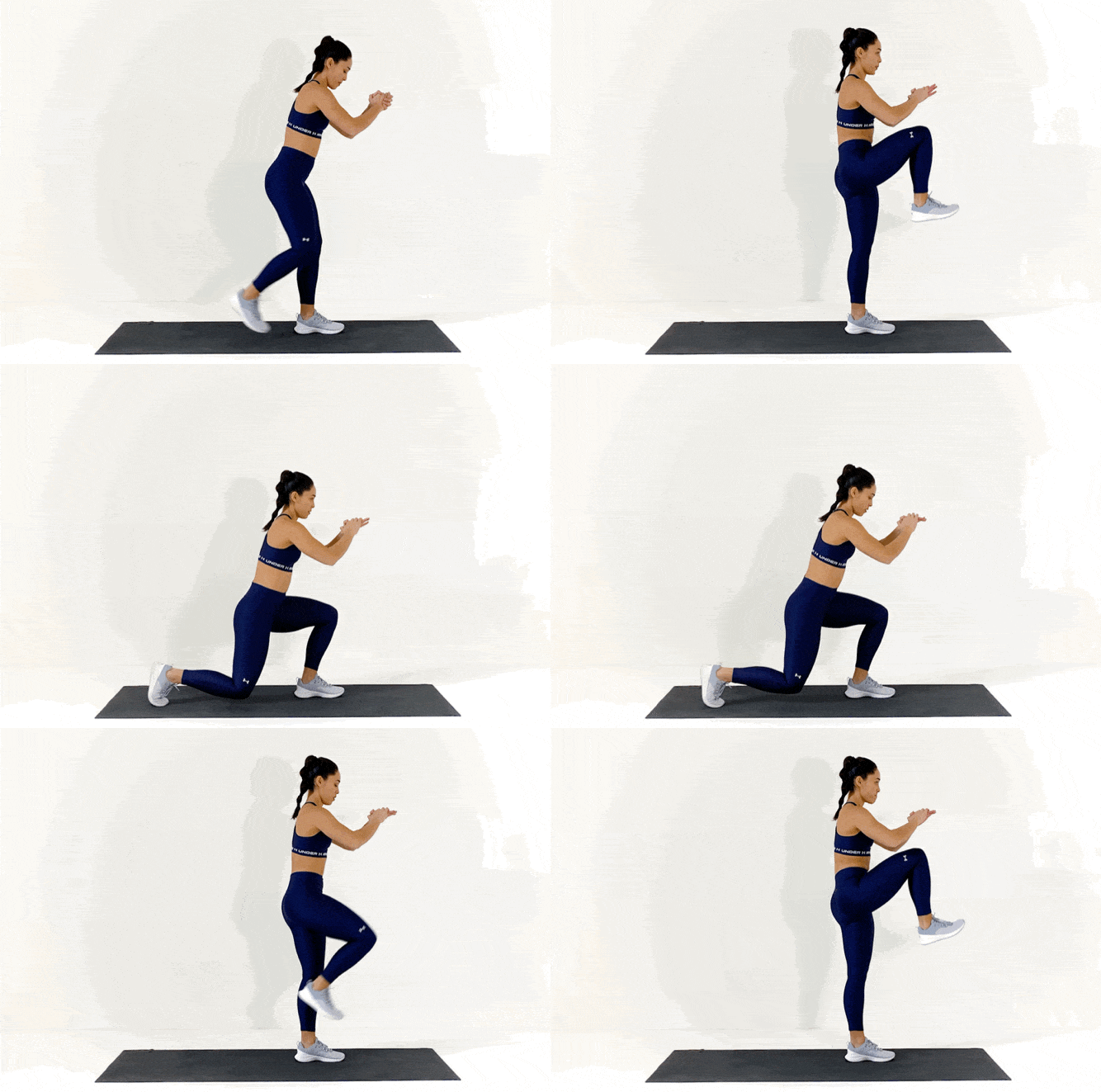
Reverse Lunge with a Knee Drive:
- Execution: Begin standing tall, feet hip-width apart. Step one leg back into a reverse lunge, lowering until both knees are bent at approximately 90-degree angles, ensuring the front knee tracks over the ankle. Push off the back foot, driving the knee forward and up towards the chest, balancing on the standing leg. Return the leg to the starting position or directly back into another lunge.
- Muscles Engaged: Quadriceps, hamstrings, glutes, hip flexors (during the knee drive), core (for stability).
- Progression: Holding dumbbells in each hand adds resistance, intensifying the muscle activation and caloric demand.
-
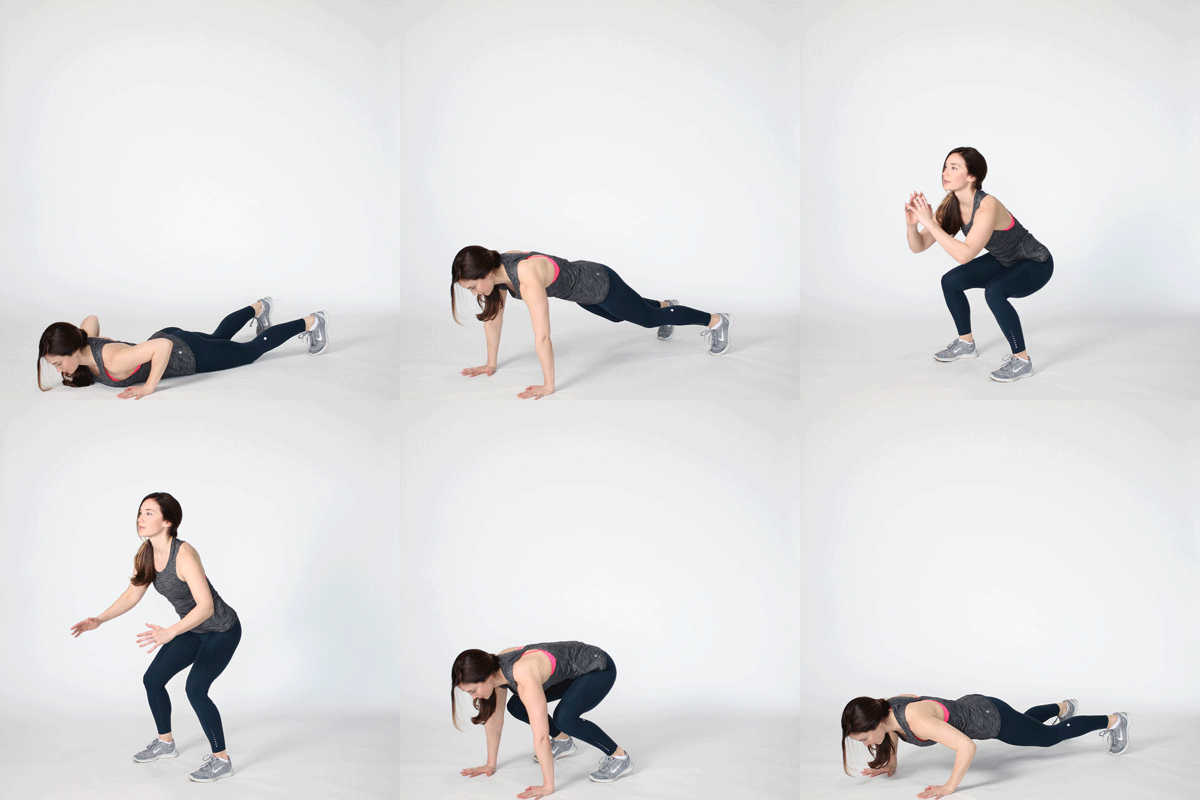
Burpees:
- Execution: Start in a standing position. Drop into a squat, placing hands on the floor in front of you. Kick your feet back into a plank position. Perform a push-up (chest to the floor, optional). Jump your feet back towards your hands. Explode upwards into a jump, reaching your arms overhead.
- Muscles Engaged: Full body – quadriceps, hamstrings, glutes, calves, chest, shoulders, triceps, core, and significant cardiovascular engagement.
- Safety Tip: Maintain a neutral spine throughout the plank and push-up. Focus on controlled movements rather than speed initially. Modify by stepping feet back and forth instead of jumping, and removing the push-up if needed.
-
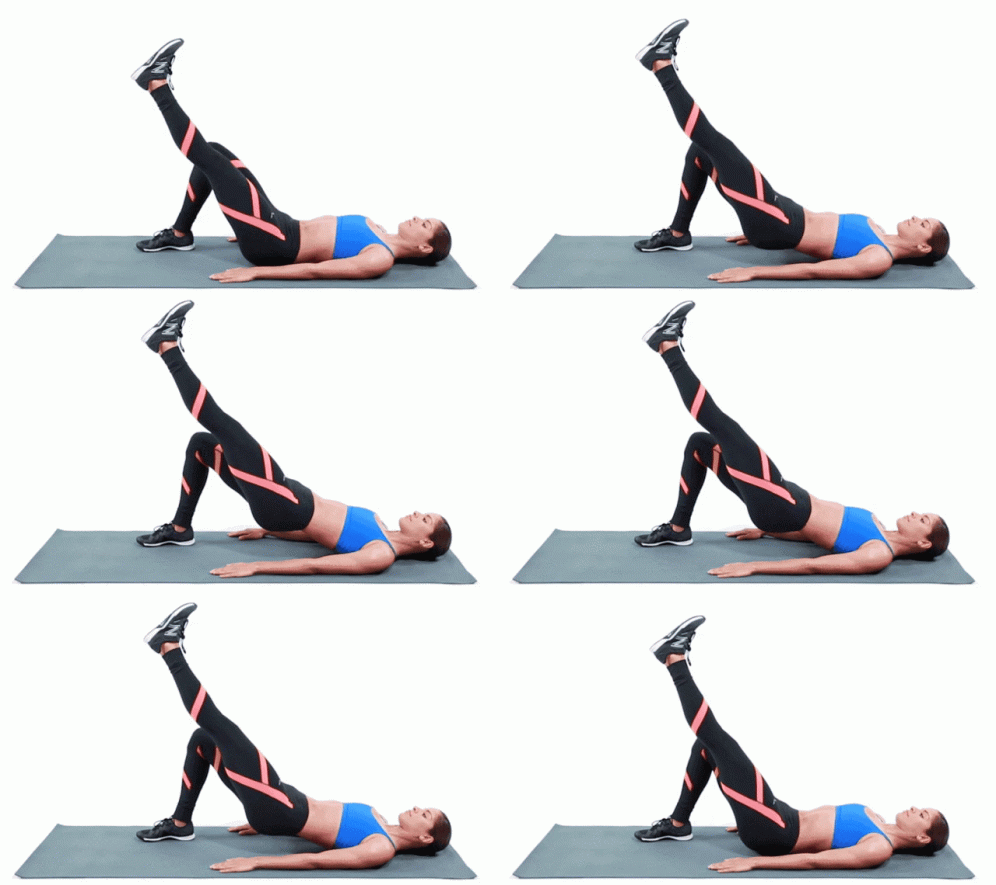
Single-Leg Bridge:
- Execution: Lie on your back with knees bent, feet flat on the floor, hip-width apart. Extend one leg straight up towards the ceiling. Engaging your glutes and core, lift your hips off the floor until your body forms a straight line from your shoulders to your raised knee. Slowly lower your hips back down.
- Muscles Engaged: Glutes, hamstrings, and core (especially obliques and stabilizers for balance).
- Repetition: Aim for 10-12 repetitions on each side, focusing on controlled movement and full hip extension. This exercise significantly enhances unilateral strength and core stability.
-
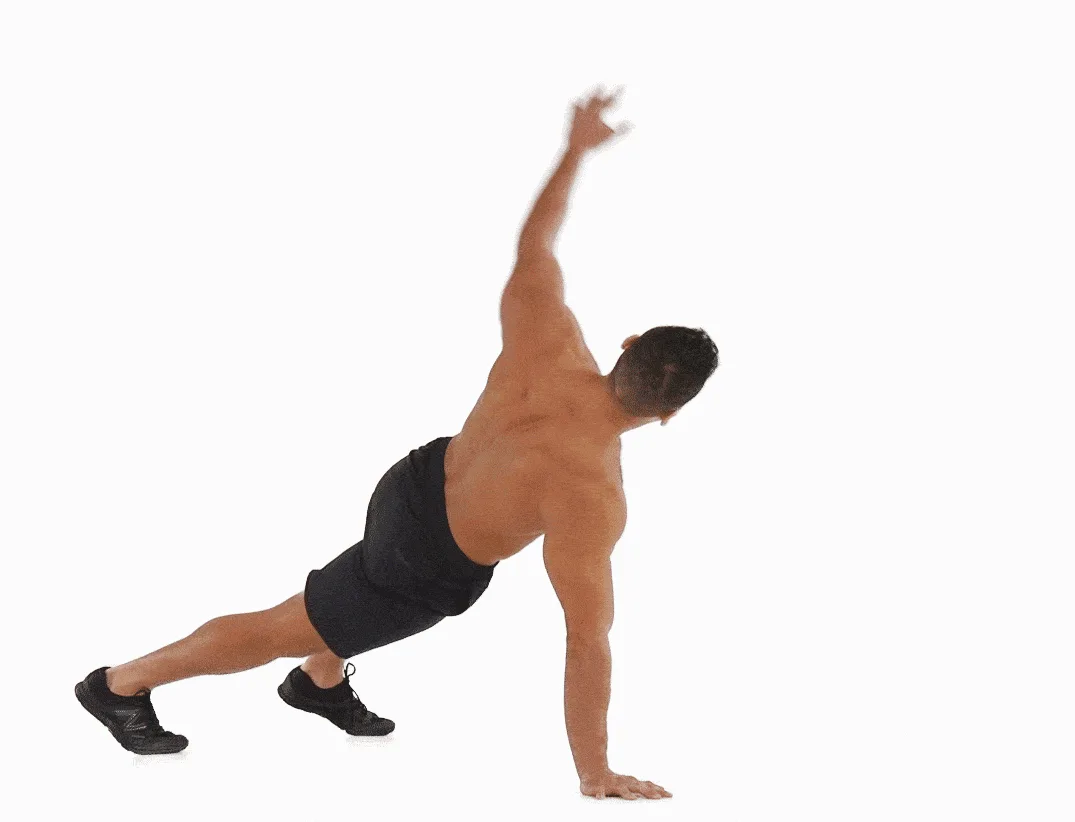
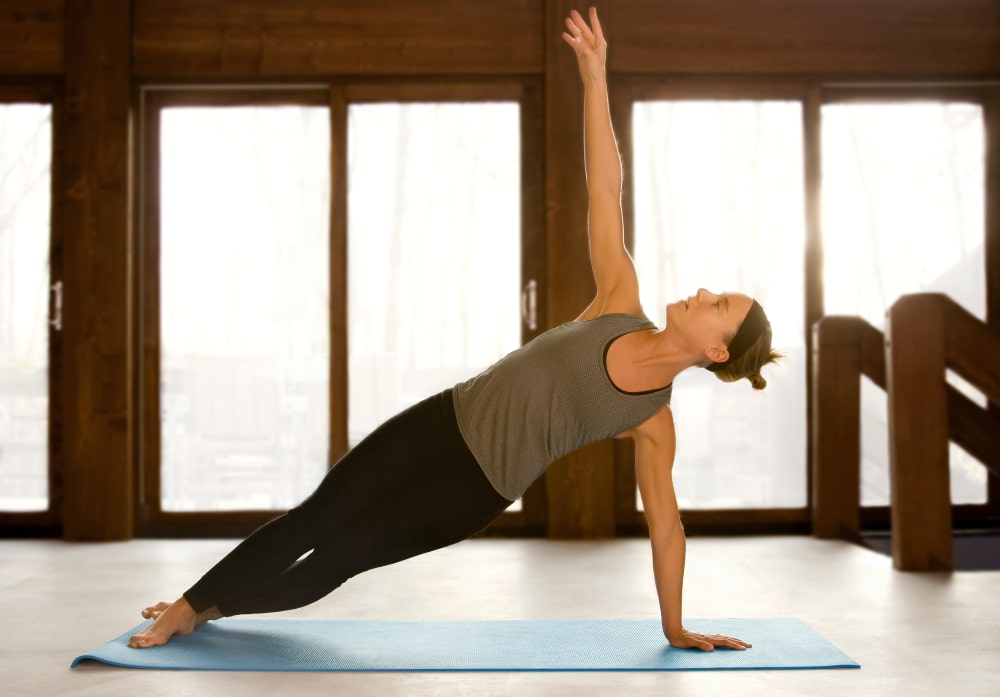
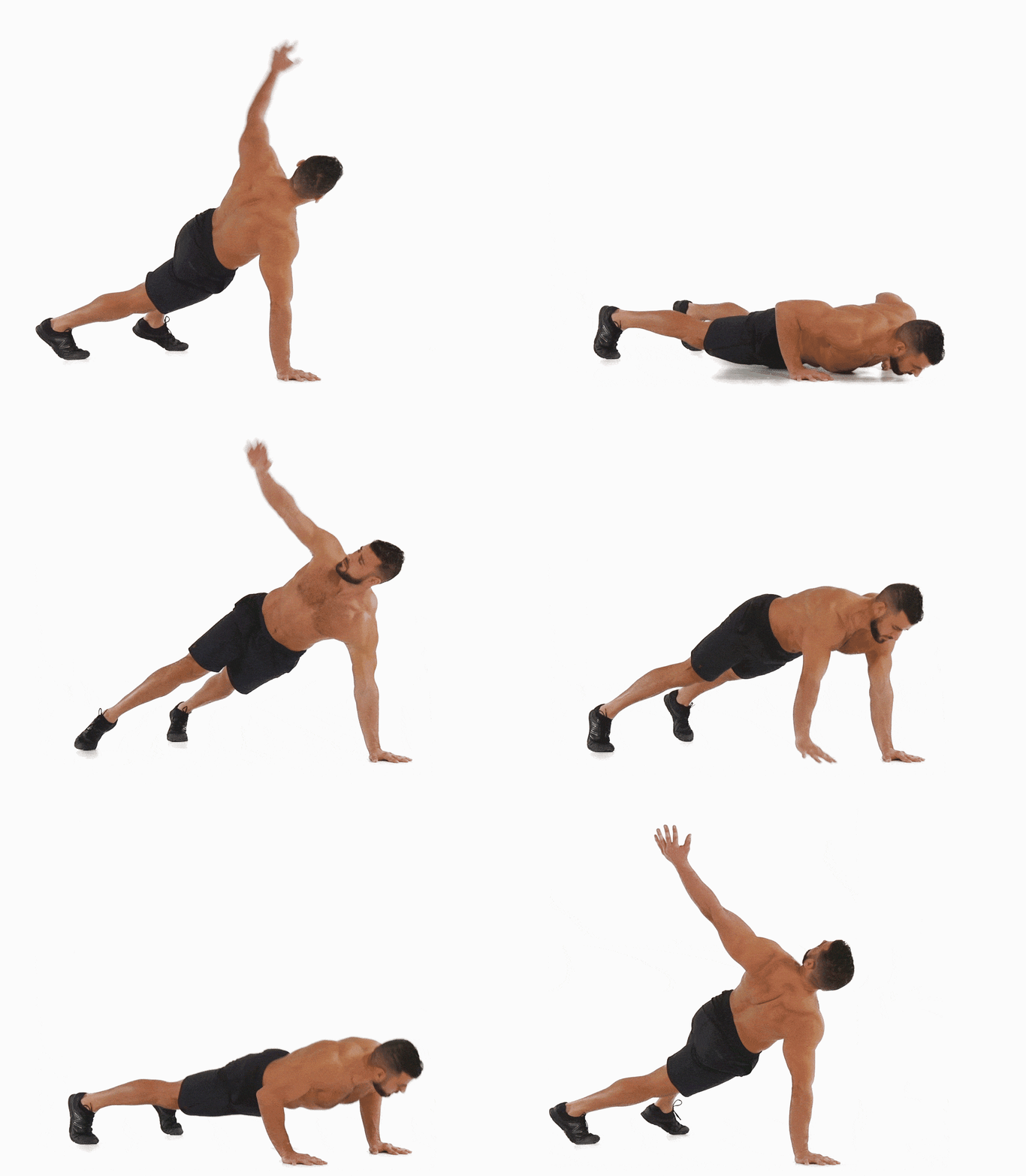
Push-Up and Rotate (T-Push-Up):
- Execution: Start in a high plank position, hands directly under shoulders, body in a straight line. Perform a standard push-up. As you push back up, shift your weight onto one hand and rotate your body, extending the other arm straight up towards the ceiling, forming a "T" shape with your body. Return to the plank position and repeat on the other side.
- Muscles Engaged: Chest, shoulders, triceps (during push-up), core (obliques, rectus abdominis, transverse abdominis for rotation and stabilization), back stabilizers.
- Core Engagement: Emphasize keeping the core tight throughout the entire movement to protect the lower back and maximize abdominal work. Modifications include performing push-ups on knees or elevating hands on an incline.
-
Air Squat:
- Execution: Stand with feet shoulder-width apart, toes slightly pointed out. Keep your chest up and back straight. Initiate the movement by pushing your hips back as if sitting in a chair, bending your knees. Lower yourself until your thighs are at least parallel to the ground (or deeper if comfortable and maintaining form). Drive through your heels to return to the standing position.
- Muscles Engaged: Quadriceps, hamstrings, glutes, lower back, and core.
- Challenge: To increase intensity, pause at the bottom of the squat or perform jump squats, exploding upwards from the bottom position. Proper depth and maintaining a neutral spine are paramount for safety and effectiveness.
Integrating Compound Exercises into Training Programs
For optimal results, compound exercises should form the foundation of most resistance training programs. Public health guidelines, such as those from the American College of Sports Medicine (ACSM), recommend engaging in muscle-strengthening activities at least two days per week, targeting all major muscle groups. Compound exercises perfectly fit this recommendation due to their comprehensive nature.
- Program Design: Incorporate 3-5 compound exercises per session, performing 3-4 sets of 8-15 repetitions, depending on the fitness goal (strength, hypertrophy, endurance).
- Progressive Overload: To continue making progress, it’s essential to gradually increase the challenge. This can be done by adding repetitions, sets, decreasing rest time, or introducing external resistance (dumbbells, resistance bands) once bodyweight mastery is achieved.
- Warm-up and Cool-down: Always precede compound workouts with a dynamic warm-up to prepare muscles and joints, and follow with a static cool-down to aid recovery and flexibility.
Expert Perspectives and Safety Guidelines
Exercise physiologists and certified personal trainers consistently advocate for compound movements due to their efficiency and holistic benefits. Dr. John Smith, a hypothetical sports scientist specializing in biomechanics, might state: "Compound exercises are fundamental because they teach the body to move as an integrated unit. This translates directly to improved performance in daily life and sports, while also offering superior metabolic benefits compared to isolated movements." Similarly, a certified personal trainer, Jane Doe, might emphasize: "For anyone looking to maximize their fitness results in minimal time, or to simply build a more functional and resilient body, compound exercises are non-negotiable. They are the bedrock of effective strength training."
Safety Tips:
- Prioritize Form Over Weight/Speed: Incorrect form is the leading cause of injury. It is crucial to master the movement pattern with bodyweight before adding external resistance or increasing speed.
- Seek Professional Guidance: Especially for beginners, working with a qualified personal trainer is invaluable. A trainer can provide personalized instruction, observe form, correct technique, and design a safe and effective program tailored to individual needs and goals.
- Listen to Your Body: Pay attention to pain signals. Sharp pain indicates a problem and requires immediate cessation of the exercise. Muscle soreness (DOMS) is normal, but joint pain is not.
- Progress Gradually: Avoid doing too much too soon. Start with a manageable number of repetitions and sets, and gradually increase the volume or intensity as strength and endurance improve. A good rule of thumb for beginners is to aim for 10-15 repetitions per exercise, focusing on control.
- Breathe Properly: Exhale on exertion and inhale during the less strenuous part of the movement. Proper breathing supports core stability and prevents excessive blood pressure spikes.
Broader Implications for Public Health and Fitness
The emphasis on compound exercises has significant implications for public health initiatives. By promoting movements that are highly efficient and often require no specialized equipment, fitness becomes more accessible to a wider population, including those with limited access to gyms or financial resources. This democratizes effective strength training, aligning with public health goals to combat sedentary lifestyles and associated chronic diseases.
The fitness industry itself is witnessing a shift, with more programs integrating functional training and compound movements. High-intensity interval training (HIIT) often leverages compound exercises for maximum metabolic impact, reflecting a broader trend towards efficiency and holistic physical development. This move away from purely aesthetic, isolation-based training towards a more performance- and health-oriented approach underscores the enduring scientific validity and practical utility of compound exercises.
In conclusion, the scientific community overwhelmingly supports compound exercises as an exceptionally effective and efficient means to achieve diverse fitness objectives. From building functional strength and enhancing metabolic health to improving bone density and preventing injuries, these multi-joint movements offer a comprehensive pathway to optimal physical well-being. By understanding their benefits, mastering proper execution, and integrating them thoughtfully into training regimens, individuals can unlock a potent tool for lifelong health and fitness.

