

Recent investigations into the efficacy of various surgical procedures, particularly those involving medical devices, have brought to light a disquieting trend: some widely adopted interventions may be no more effective than placebo, a phenomenon often revealed through sham surgery trials. These studies, designed to rigorously assess the true benefit of a procedure beyond the psychological impact of undergoing surgery, have cast a shadow of doubt on the unquestioned efficacy of certain popular weight-loss and orthopedic interventions. The findings suggest that the medical community, much like the public, may be susceptible to "fake news" and "alternative facts" when it comes to evaluating established medical practices.
The Rise and Fall (and Rise Again) of Intragastric Balloons
Intragastric balloons, introduced with considerable fanfare in the 1980s, promised a less invasive approach to weight management by artificially filling a significant portion of the stomach. The concept was straightforward: a deflated balloon would be endoscopically inserted into the stomach and then inflated with air or liquid, inducing early satiety and thereby reducing food intake. However, the history of medical devices is often marked by their introduction to the market preceding robust evidence of their effectiveness and safety, and intragastric balloons were no exception.
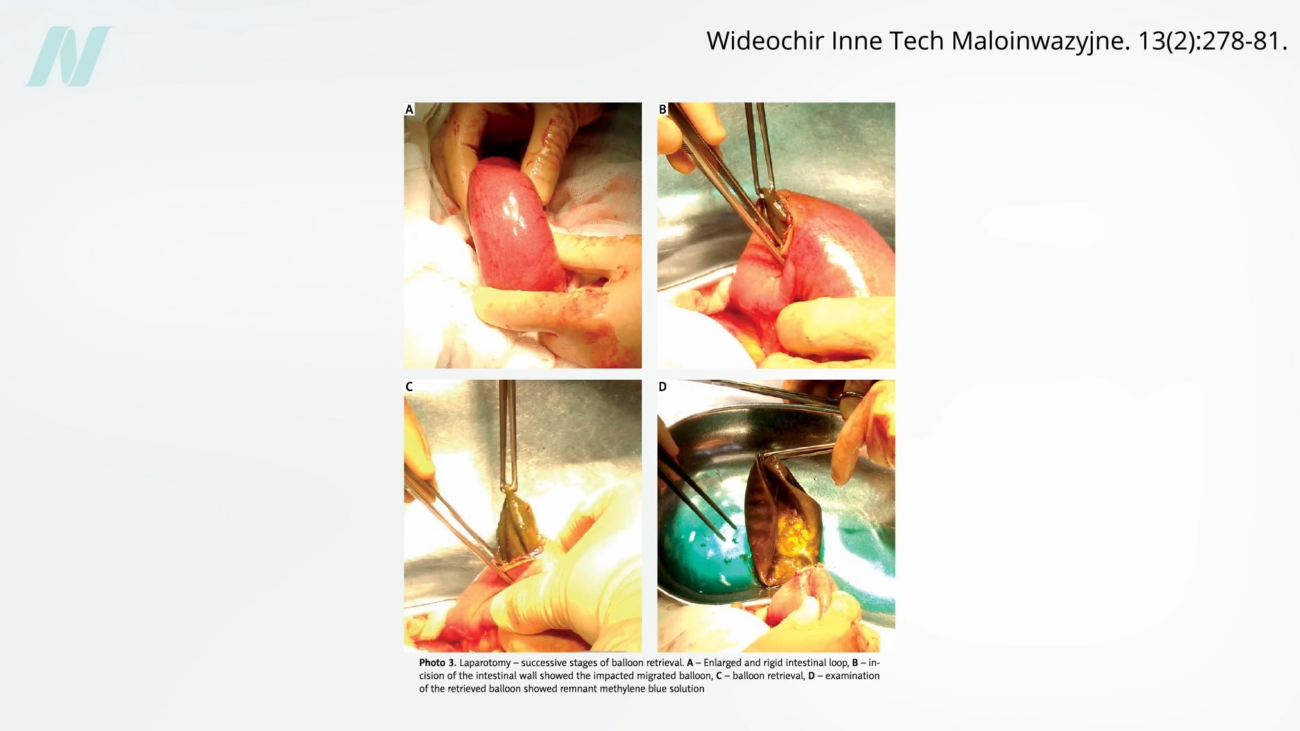
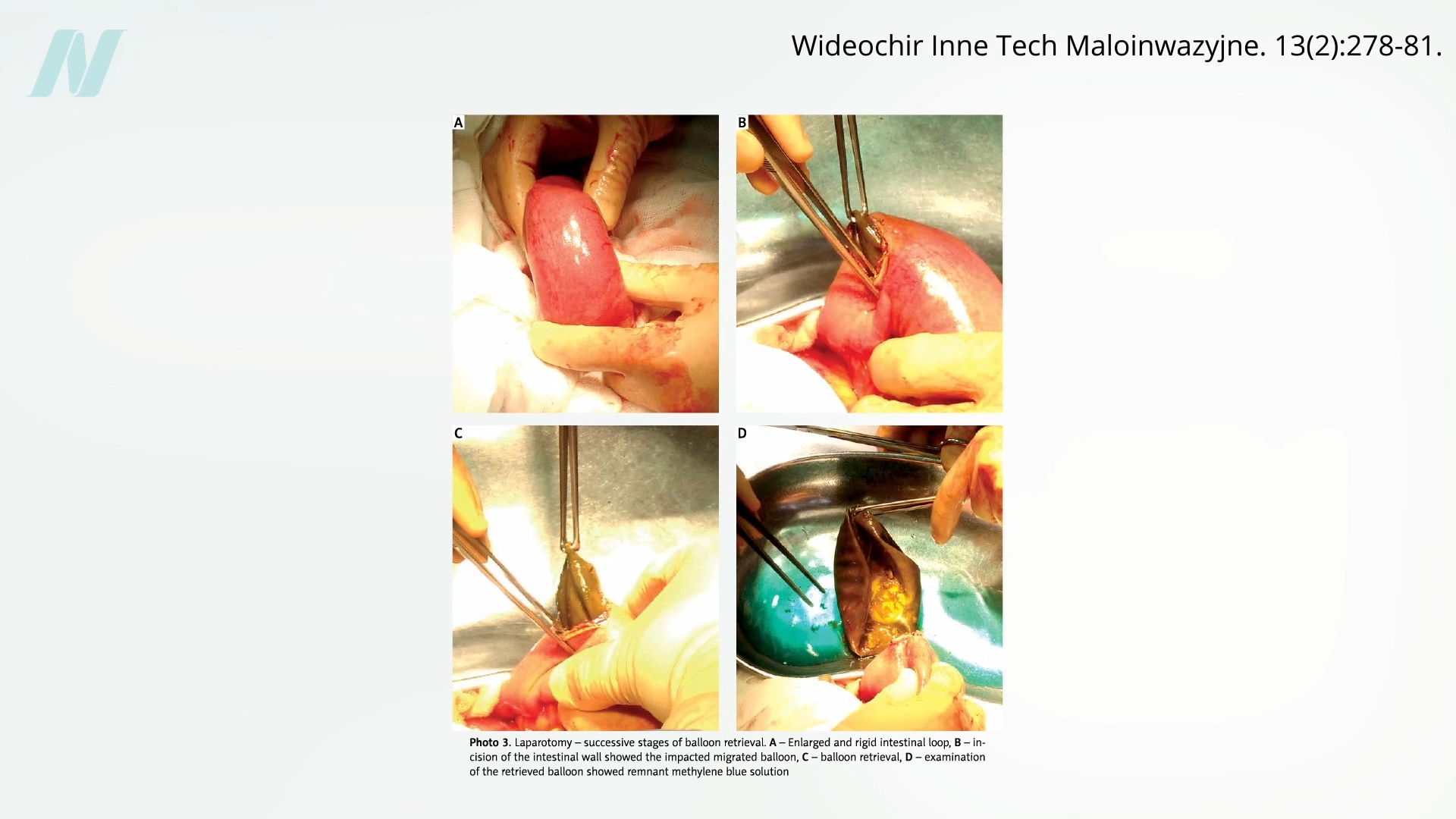
Early trials, such as one conducted at the renowned Mayo Clinic, revealed significant shortcomings. Astonishingly, 80% of the balloons in this study spontaneously deflated. This malfunction posed a serious and potentially life-threatening risk, as deflated balloons could migrate into the intestines and cause a complete obstruction, a severe medical emergency requiring immediate surgical intervention. Visual evidence, including detailed illustrations and video demonstrations, highlights the catastrophic consequences of such mechanical failures.
Beyond the risk of deflation and obstruction, the initial generation of intragastric balloons also demonstrated a concerning propensity for causing gastric erosions in a substantial portion of patients – approximately half. This damage to the stomach lining was a significant adverse effect. More critically, when compared to simpler, non-surgical interventions like dietary changes and behavioral modification strategies, these balloons failed to demonstrate superior effectiveness in inducing meaningful and sustainable weight loss. Despite these early warning signs, the devices were eventually withdrawn from the market.

However, after a hiatus of over three decades, intragastric balloons re-emerged. The U.S. Food and Drug Administration (FDA) began approving a new wave of these devices in 2015. Within a short period, more than 5,000 such devices were implanted. This resurgence occurred in the wake of the Sunshine Act, landmark legislation designed to increase transparency by mandating the disclosure of financial relationships between the pharmaceutical and medical device industries and healthcare providers. While public awareness of the close ties between physicians and "Big Pharma" has grown, the extent to which surgeons and physicians receive direct payments from device manufacturers for the products they use has remained less understood by the general populace. Data has shown that the top physician recipients of industry payments can receive millions of dollars annually from device companies, with a concerningly small minority disclosing these conflicts of interest in their published research.
While proponents argue that intragastric balloons offer an advantage over more permanent bariatric surgeries due to their reversibility, this characteristic does not render them benign. The FDA has issued multiple advisories detailing the potential risks associated with these devices, including the grim possibility of death. A particularly alarming complication is gastric perforation, which can occur not from a sharp object, but indirectly. Severe and persistent nausea and vomiting, common side effects of balloon placement affecting the majority of recipients, can lead to forceful retching that ultimately causes the stomach to rupture. These debilitating symptoms can also contribute to life-threatening nutrient deficiencies, a consequence of the body’s inability to absorb essential vitamins and minerals due to persistent emesis.
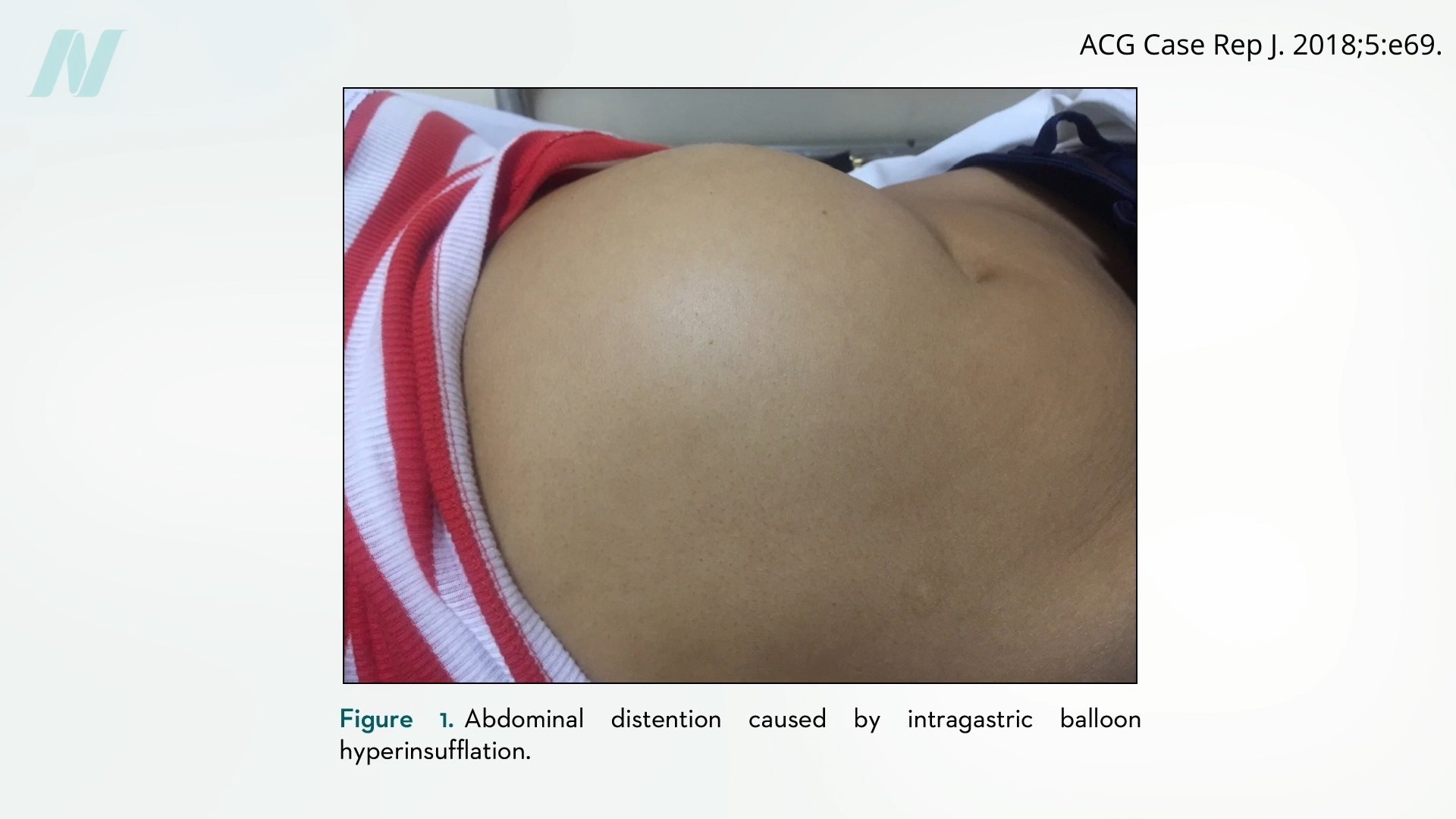
Complications associated with intragastric balloons manifest in varied and sometimes paradoxical ways. While bowel obstruction can arise from deflation, an equally troubling issue is the spontaneous overinflation of the balloons. This overinflation can trigger severe pain, vomiting, and abdominal distension, creating a scenario of acute distress for the patient. This phenomenon of unexpected volume changes in implanted devices draws parallels to issues previously observed with other medical implants.
Echoes of Implantable Device Failures: The Breast Implant Precedent
The unpredictable behavior of intragastric balloons, particularly their tendency to overinflate, is not an entirely novel concern within the realm of implantable medical devices. Reports dating back to the early 2000s documented "The Phenomenon of the Spontaneously Autoinflating Breast Implant." This concerning occurrence described breast implants that, without apparent external cause, would begin to increase in volume, leading to an average increase in breast size of over 50%. A review of this phenomenon highlighted it as "underreported and poorly understood." Intriguingly, early experimental intragastric balloons were, in some instances, developed using materials and designs initially intended for breast implants, suggesting a shared lineage of technical challenges and unpredictable outcomes.
The Rigors of Sham Surgery: Unveiling the Placebo Effect in Medicine
Evaluating the true impact of any medical intervention necessitates a careful consideration of risks versus benefits. Industry-funded trials, often presenting findings of "notable weight loss," can be misleading. It is frequently challenging to disentangle the specific effect of the device itself from the comprehensive "supervised diet and lifestyle changes" that are invariably part of such study protocols. In pharmaceutical research, the gold standard for controlling for the placebo effect is the use of inert substances like sugar pills. However, in surgical research, a more complex approach is required: sham surgery.
Sham surgery involves performing a procedure that mimics the real surgery in every aspect, except for the critical therapeutic intervention. Patients are randomly assigned to either receive the actual surgery or the sham procedure. This methodology allows researchers to isolate the impact of the surgical act itself, including the psychological benefits of receiving treatment and the attention of the medical team, from the physiological effects of the intervention.
The Knee Arthroscopy Uproar: A Landmark Study Challenges Orthopedic Norms
In 2002, a pivotal study published in The New England Journal of Medicine dramatically challenged the established practices of orthopedic surgery. Arthroscopic knee surgery, the most commonly performed orthopedic procedure, which involves inserting small instruments and cameras into the knee joint to cut away damaged tissue, was subjected to a rigorous sham-controlled trial. Billions of dollars are annually spent on these procedures for osteoarthritis and knee injuries, with an implicit assumption of their efficacy.
The study involved patients suffering from knee pain who were randomized to undergo either the actual arthroscopic surgery or a sham procedure. In the sham group, surgeons made incisions into the knee and performed actions mimicking the surgical steps, including splashing saline to simulate irrigation, but without actually treating the joint. The ethical implications of performing fake surgery on consenting patients, even with thorough informed consent, sparked an immediate and intense debate within the medical community. Professional medical associations questioned the ethics of the surgeons involved and the sanity of the patients who agreed to participate.
The results, however, were profoundly revealing. While patients who underwent the actual surgery experienced improvements in their knee pain, the patients who received the sham surgery experienced an equally significant degree of relief. This groundbreaking finding strongly suggested that the perceived benefits of arthroscopic knee surgery, at least for certain conditions, were largely attributable to the placebo effect rather than the surgical intervention itself.
The implications of this study were far-reaching. It indicated that the substantial expenditure on these procedures might not be yielding genuine therapeutic benefits. Currently, other orthopedic interventions, such as rotator cuff shoulder surgery, are facing a similar crisis of confidence, with growing calls for more robust sham-controlled trials to validate their efficacy.
Revisiting Weight-Loss Balloons: A Pattern of Questionable Efficacy
When intragastric balloons were subjected to similar sham-controlled trials, the results echoed the findings from orthopedic surgery. Studies demonstrated that both older and newer generations of these devices often failed to provide any statistically significant weight-loss benefit compared to placebo. Even in instances where some weight loss was observed, it was frequently temporary. This is partly due to the fact that balloons are typically permitted to remain in place for only six months. Beyond this timeframe, the risk of deflation and subsequent complications increases substantially. Attempts to extend the duration of balloon use or to replace deflated balloons with new ones have not proven effective in improving long-term weight outcomes.
Sham-controlled trials have further indicated that any initial effects of balloons on appetite regulation and satiety may diminish over time, possibly as the body adapts to the presence of the device. This suggests that the long-term efficacy of intragastric balloons, even when they function as intended, remains questionable.
The Broader Implications: A Call for Scientific Integrity
The findings from sham surgery trials, applied across diverse medical fields, raise fundamental questions about the scientific integrity of certain widely practiced medical interventions. Doctors, who often champion evidence-based medicine and rightly condemn movements that reject established scientific consensus, such as anti-vaccination sentiments, must confront the reality that their own field is not immune to the proliferation of "fake news" and "alternative facts."
The realization that some popular surgeries are not only ineffective but may even exacerbate existing conditions – for example, increasing the likelihood of progression to more invasive procedures like total knee replacement – is a stark reminder of the need for continuous critical evaluation of medical practices. The medical community’s pride in its scientific foundation is commendable, but it must be accompanied by an unwavering commitment to rigorous, unbiased research, even when that research challenges deeply entrenched beliefs and lucrative practices.
Looking Ahead: A Two-Part Series and Sustainable Solutions
This exploration of sham surgeries is part of a broader investigation into the efficacy and safety of medical interventions. The subsequent installment, "Extreme Weight-Loss Devices," will delve further into other popular yet potentially questionable weight-loss technologies. For those seeking genuine and sustainable weight management solutions, resources like the book How Not to Diet offer a comprehensive approach focused on evidence-based lifestyle changes. The core message underscores the importance of critical evaluation, demanding robust scientific evidence, and prioritizing patient well-being above all else when considering medical treatments. The ongoing dialogue surrounding sham surgeries serves as a crucial catalyst for reform, urging a renewed commitment to transparency, ethical research, and truly effective patient care.

