

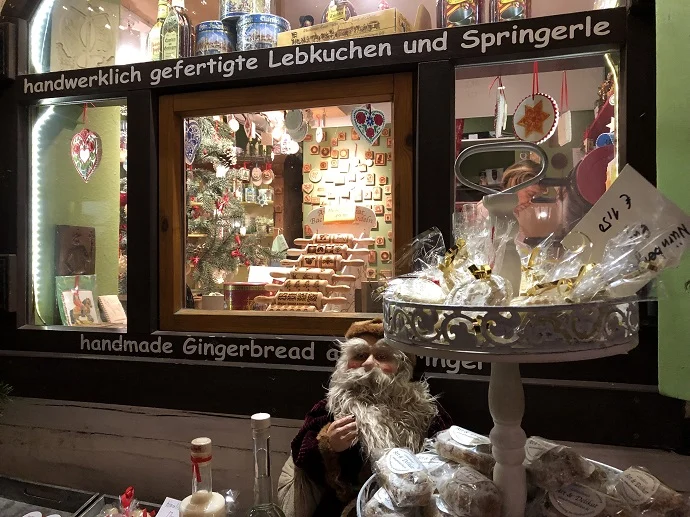
Germany serves as the historical and cultural epicenter of the modern Christmas celebration, offering a winter experience that blends centuries-old traditions with a robust tourism infrastructure. For international travelers, the Federal Republic during the month of December transforms into a landscape defined by "Gemütlichkeit"—a uniquely German state of warmth, friendliness, and good cheer. From the alpine peaks of Bavaria to the hanseatic ports of the north, the country’s adherence to seasonal customs provides a compelling case for winter visitation. Beyond the aesthetic appeal of timber-framed houses dusted in snow, the German Christmas season is a significant economic driver, supported by a sophisticated network of markets, culinary heritage, and regional folklore that has influenced holiday celebrations globally.
The Historical Evolution of the German Christmas Season
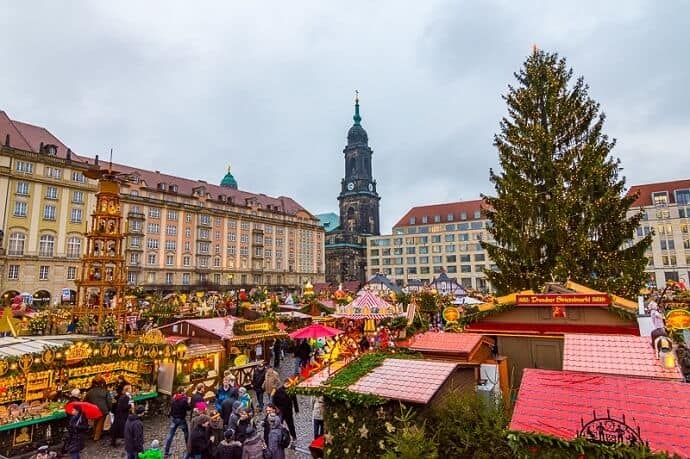
The chronology of Christmas in Germany is rooted in a timeline that spans over half a millennium. To understand the current festive landscape, one must look back to the late Middle Ages. The Dresden Striezelmarkt, widely cited as the oldest recorded Christmas market in the world, was established in 1434. Originally a one-day meat market intended to provide citizens with supplies for their Christmas meals after the Advent fast, it has evolved into a multi-week festival attracting millions.
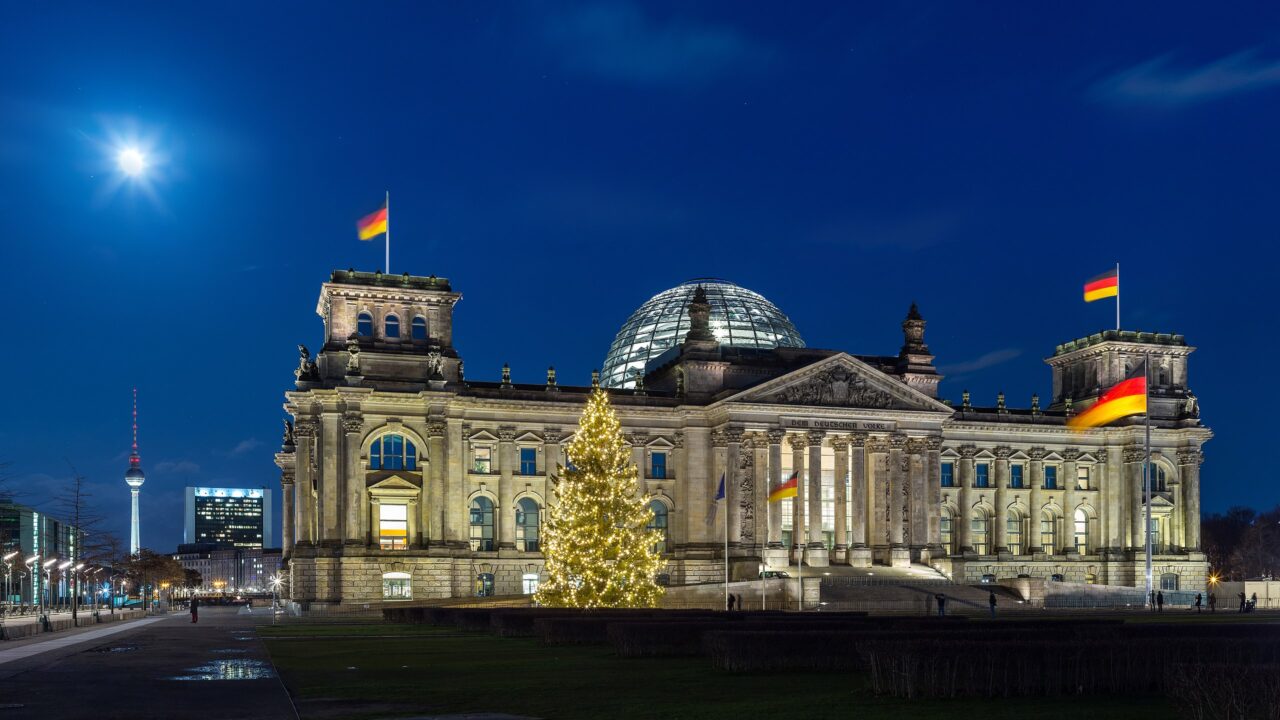
The German Christmas timeline traditionally begins with the first Sunday of Advent, falling in late November. This period marks the start of the liturgical year and the opening of the "Weihnachtsmärkte" (Christmas markets) nationwide. Key dates in the German festive calendar include:
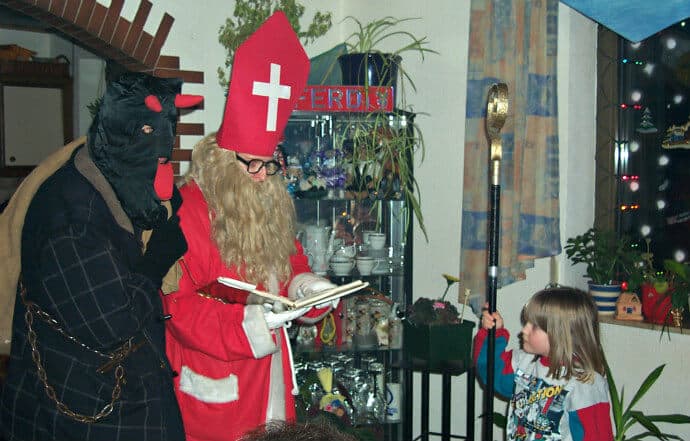
- December 5th (Krampusnacht): In southern Germany and the Alpine regions, the "Krampus"—a horned, anthropomorphic figure—is said to accompany Saint Nicholas, serving as a foil to the benevolent saint.
- December 6th (Nikolaustag): Children place polished boots outside their doors on the night of the 5th, hoping to find them filled with nuts, fruits, and chocolates by the morning of the 6th.
- December 24th (Heiligabend): Unlike many Anglophone countries, Christmas Eve is the primary day for gift-giving and family gatherings in Germany.
- January 6th (Epiphany): The season officially concludes with the "Sternsinger" (Star Singers), children dressed as the Three Wise Men who go door-to-door to bless houses and collect money for charity.
1. The Proliferation of Authentic Christmas Markets
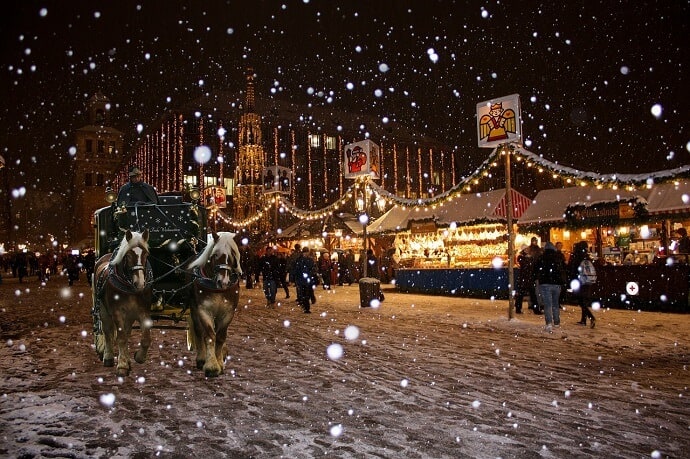
The Christmas market is arguably Germany’s most successful cultural export. According to data from the German Christmas Market Association, there are approximately 2,500 to 3,000 markets held across the country each year. These markets are not merely retail spaces; they are social hubs that generate significant economic activity. In a typical year, German Christmas markets attract approximately 160 million domestic and international visitors, generating a turnover estimated between €3 billion and €5 billion.
Major hubs such as Nuremberg, Munich, and Stuttgart host the most famous iterations. The Nuremberg Christkindlesmarkt is renowned for its strict adherence to traditional goods; plastic decorations and mass-produced toys are largely prohibited in favor of handcrafted ornaments and local "Zwetschgenmännle" (figures made of dried plums). This commitment to authenticity ensures that the markets remain a cultural repository rather than a purely commercial endeavor.
2. Culinary Heritage and Regional Gastronomy
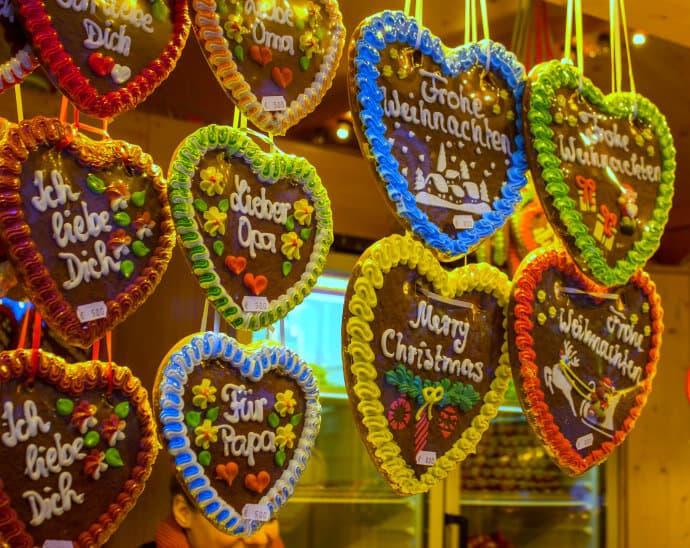
The German holiday season is defined by a specific culinary portfolio that is rarely available at other times of the year. Central to this is "Lebkuchen," a honey-sweetened gingerbread that originated in the 14th century. Nuremberg Lebkuchen has been granted "Protected Geographical Indication" (PGI) status by the European Union, meaning it must be produced within the city limits to carry the name.
Another cornerstone of the season is "Stollen," a fruit bread containing nuts, spices, and dried fruit, coated with powdered sugar. The "Dresdner Christstollen" is so integral to local identity that the city holds an annual Stollen Festival, featuring a parade and a giant cake that can weigh several tons.
For the beverage sector, "Glühwein" (mulled wine) remains the dominant seasonal product. Market vendors typically use a "Pfand" (deposit) system for ceramic mugs, which are often uniquely designed for each city and year, becoming collectible items for tourists. This system reflects Germany’s broader commitment to sustainability by reducing single-use waste in high-traffic public events.
3. Folklore and Traditional Figures
Germany’s Christmas traditions are characterized by a complex cast of characters that vary by region. In the northern and central regions, the "Weihnachtsmann" (Christmas Man) resembles the modern Santa Claus. However, in the southern and western regions, the "Christkind" remains the traditional gift-bringer. Represented as a young woman with golden hair and angelic wings, the Christkind is a legacy of the Protestant Reformation, introduced by Martin Luther to shift focus away from the Catholic veneration of saints toward the infant Christ.
The selection of the Nuremberg Christkind is a significant biennial event. Local residents vote for a young woman to represent the city for two years, performing duties that include opening the market with a famous prologue and visiting hospitals and nursing homes. This tradition emphasizes the communal and civic duty aspects of the holiday, moving beyond simple consumerism.
4. Architectural Transformation and Festive Urbanism
During December, German urban planning incorporates festive elements that highlight historical architecture. Cities like Rothenburg ob der Tauber and Goslar, both known for their well-preserved medieval structures, use lighting and stall placement to create a "storybook" atmosphere. This visual transformation is a key component of Germany’s winter tourism strategy.
In Berlin, the contrast between modern history and tradition is evident at the Gendarmenmarkt, often cited as the most beautiful square in the city. The integration of high-end crafts and heated tents provides a more upscale market experience, demonstrating how the tradition adapts to metropolitan environments. Tourism analysts note that this "atmospheric urbanism" is a primary motivator for the 10% increase in hotel occupancy seen in major German cities during the advent season compared to the preceding autumn months.
5. Modern Connectivity and Infrastructure for Travelers
Navigating Germany during the peak winter season has been modernized through digital integration. While the country is famous for its tradition, its infrastructure is increasingly high-tech. The German National Tourist Board (GNTB) has emphasized digital transformation as a means to manage "Overtourism" in popular markets.
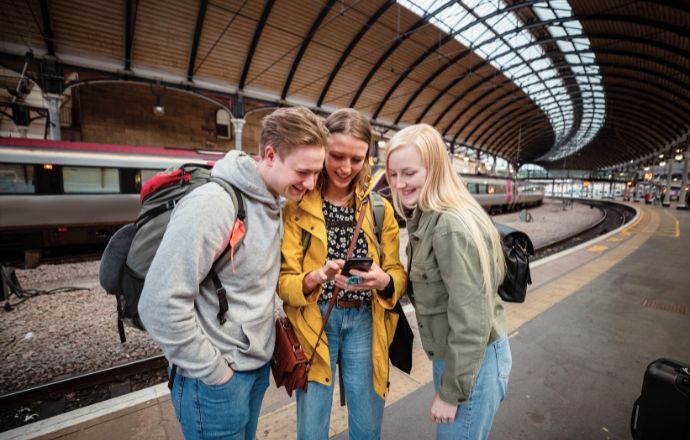
For international visitors, the rise of eSIM technology has become a critical tool for logistics. Reliable mobile data allows travelers to access real-time train schedules via the Deutsche Bahn (DB) app, translate menus, and navigate the labyrinthine layouts of larger markets like those in Cologne or Hamburg. As public Wi-Fi can become congested in crowded market squares, dedicated mobile data ensures that travelers maintain access to digital payment platforms and emergency services, enhancing the overall safety and efficiency of the holiday.
6. Winter Landscapes and Regional Tourism
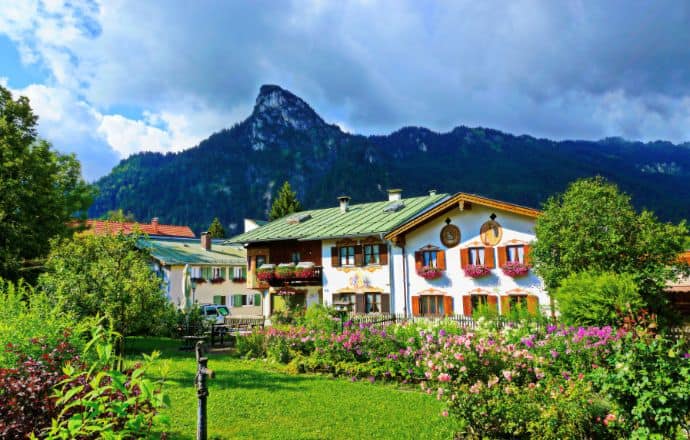
The German landscape offers a diverse array of winter environments. The Bavarian Alps provide a traditional "White Christmas" setting, supporting a robust ski and winter sports industry. Conversely, the Black Forest (Schwarzwald) offers a more secluded, nature-oriented holiday experience.
The German government has increasingly promoted "Slow Travel" in these regions during the winter. By encouraging visitors to stay in smaller villages such as Oberammergau or Garmisch-Partenkirchen, the state aims to distribute tourism revenue more equitably across the country. These regions often feature "Winterwandern" (winter hiking) trails that are meticulously maintained, allowing visitors to experience the natural beauty of the German forest in its dormant state.
7. Economic Accessibility and Value
Despite the high quality of the experience, Germany remains a relatively accessible destination for holiday travel when compared to other major European hubs like London or Paris. Most Christmas markets have no entry fee, providing hours of entertainment for the cost of a cup of Glühwein.
The German federal government’s introduction of the "Deutschland-Ticket"—a monthly pass for regional transport—has also made it more affordable for tourists to visit multiple cities during their stay. This policy encourages "market hopping," where travelers might stay in a more affordable secondary city while commuting to the major markets in Munich or Berlin.
Broader Impact and Global Influence
The impact of German Christmas traditions extends far beyond its borders. The Christmas tree (Tannenbaum), the Advent calendar, and the glass bauble all have German origins. By celebrating in Germany, travelers are engaging with the source material of global holiday culture.
Official responses from German tourism officials highlight a shift toward sustainability in these celebrations. Many markets now utilize LED lighting exclusively and prioritize local, organic food sources. This move toward "Green Christmas" ensures that the traditions can continue in an era of environmental consciousness.
In conclusion, a German Christmas is a multi-sensory experience that combines historical depth with modern convenience. The country’s ability to maintain the integrity of its 15th-century origins while accommodating millions of 21st-century visitors makes it a premier destination for those seeking a meaningful and traditional holiday experience. The combination of economic impact, cultural preservation, and festive joy ensures that Germany remains the global standard for Christmas celebrations.

