

The quest for healthier alternatives to traditional sweeteners like sugar and high-fructose corn syrup has led researchers and consumers down a winding path. While the initial generation of industrial sweeteners—cheap, calorie-dense, and linked to a cascade of chronic diseases including obesity, type 2 diabetes, and dental caries—dominated diets for decades, the subsequent generations have aimed to mitigate these drawbacks. Artificial sweeteners, such as aspartame (NutraSweet), sucralose (Splenda), and saccharin (Sweet’N Low), emerged as calorie-free alternatives. However, concerns have been raised regarding their potential adverse effects, prompting further investigation into their long-term safety profiles. The third generation, sugar alcohols like sorbitol, xylitol, and erythritol, offered reduced calories but often came with gastrointestinal distress, including laxative effects. Now, a new contender, allulose, a rare naturally occurring sugar, is capturing attention for its unique properties and potential benefits, yet it too faces a growing need for comprehensive human data.
The Rise of Rare Sugars: Understanding Allulose
Allulose, scientifically known as psicose, is a monosaccharide that exists in minuscule quantities in natural sources like wheat, figs, raisins, and maple syrup. For years, its presence in food was largely incidental. However, advancements in enzymatic engineering and the use of genetically modified microorganisms have enabled the cost-effective production of allulose in commercially viable amounts. This technological leap has positioned allulose as a viable ingredient for food manufacturers seeking to reduce sugar content without compromising taste and texture. Unlike common sugars, allulose is metabolized differently by the human body, leading to a significantly lower caloric contribution and a minimal impact on blood glucose and insulin levels.
Allulose and Weight Management: Early Findings
Preliminary research suggests that allulose may play a role in weight management, a finding that has generated considerable interest. A randomized controlled trial involving over a hundred participants investigated the impact of allulose supplementation on body fat reduction over a 12-week period. Participants were divided into groups receiving a placebo (sucralose), a moderate dose of allulose (4 grams twice daily), or a higher dose of allulose (7 grams twice daily). Crucially, the study ensured that participants maintained consistent physical activity levels and calorie intake across all groups. The results indicated a statistically significant decrease in body fat mass in both allulose intervention groups compared to the placebo. Notably, there were no significant adverse changes in LDL cholesterol levels in either of the allulose groups, offering an encouraging early sign regarding its cardiovascular safety profile.
While these findings are promising, it is important to contextualize them within the broader landscape of weight management. The observed fat reduction occurred independently of changes in overall calorie consumption or exercise, suggesting a potential metabolic effect. However, the precise mechanisms by which allulose might influence fat metabolism require further elucidation. The study’s duration of 12 weeks, while significant for an initial investigation, may not fully capture long-term effects. The implications of these findings for public health initiatives aimed at combating the obesity epidemic are substantial, potentially offering a new tool for dietary intervention.
Allulose’s Potential Role in Diabetes Management
The association between sugar intake and the development of type 2 diabetes is well-established. Consequently, sweeteners that do not spike blood glucose levels are of particular interest to individuals with diabetes and those at risk. Studies exploring allulose’s anti-diabetic effects have yielded mixed but cautiously optimistic results.
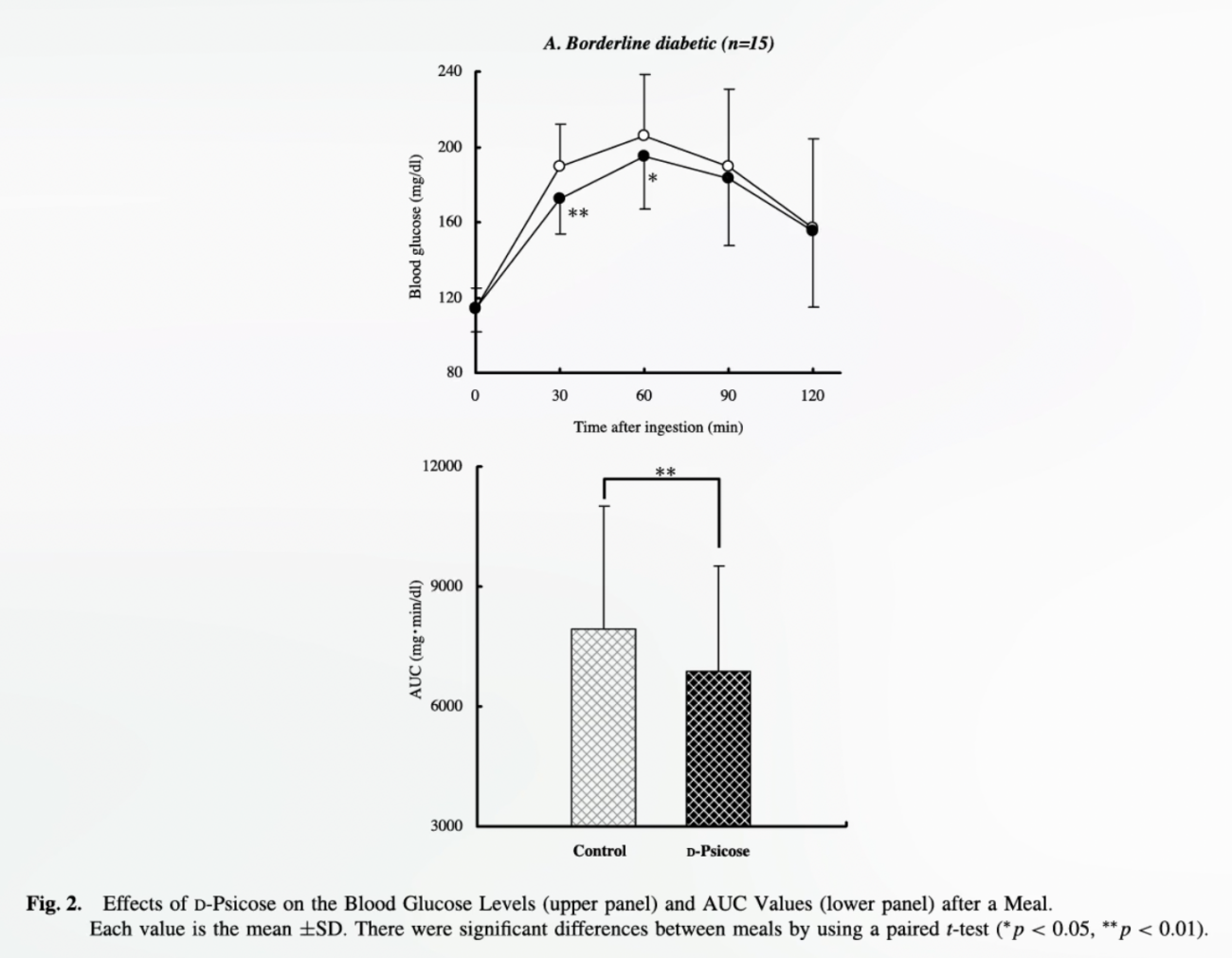
One randomized, double-blind, placebo-controlled crossover experiment examined the acute effect of allulose on blood sugar levels in individuals with borderline diabetes. Participants consumed a cup of tea containing either 5 grams of allulose or a placebo with a meal. The findings revealed a notable reduction in blood glucose levels approximately 30 and 60 minutes after consumption, with levels being about 15% lower compared to the control group. However, this effect was transient, diminishing beyond the first hour. This suggests that while allulose may offer a short-term blunting of post-meal glucose spikes, its impact on sustained blood sugar control remains an area for further research.
To assess the long-term safety and efficacy, the same researchers later conducted a 12-week study where healthy individuals consumed approximately 5 grams of allulose three times daily with meals. This study did not reveal any significant adverse side effects. However, it also failed to demonstrate any meaningful impact on weight or blood sugar levels in this healthy cohort. This divergence in findings underscores the complexity of allulose’s metabolic effects and suggests that its benefits might be more pronounced in specific populations or under particular dietary conditions.

A systematic review and meta-analysis of controlled feeding trials further examined the acute effects of allulose on blood sugar. While the analysis suggested a statistically significant but "borderline significant" benefit on immediate blood glucose reduction, the overall impact on long-term glycemic control remains uncertain. The review highlighted the need for more robust, long-term human studies to determine whether the observed modest acute benefits can translate into clinically meaningful improvements in managing diabetes. The authors of the review emphasized that incorporating allulose alone may not be sufficient, and dietary changes, such as reducing the consumption of processed junk foods, are likely essential for effective blood sugar management.
Safety Profile and Digestive Considerations
Beyond its metabolic effects, the safety of allulose has been a key area of investigation. Unlike traditional sugars, allulose appears to be tooth-friendly. Cavity-causing bacteria in the mouth do not readily metabolize it to produce the acids that lead to enamel erosion and plaque formation. This dental benefit further distinguishes it from sucrose.
Moreover, allulose is generally considered to be a "relatively nontoxic" sugar. However, like other sugar alcohols, it can cause gastrointestinal discomfort if consumed in excessive quantities. Studies designed to identify the maximum tolerated dose have provided valuable insights into its digestive safety. In one such study, healthy adults were given beverages containing progressively higher doses of allulose. No severe gastrointestinal symptoms were reported until a dose of 0.4 grams per kilogram of body weight was reached, which equates to approximately eight teaspoons for an average American adult. Diarrhea was observed at a dose of 0.5 grams per kilogram of body weight, roughly ten teaspoons.
When considering daily intake spread throughout the day, with smaller doses consumed with meals, a daily intake of around 17 teaspoons (1.0 g/kg bodyweight) led to severe nausea, abdominal pain, headache, or diarrhea in some participants, depending on their body weight. These findings suggest that for most adults in the United States, it would be prudent to limit single doses of allulose to approximately eight teaspoons and total daily intake to around 18 teaspoons (0.9 g/kg bodyweight) to minimize the risk of digestive side effects. This information is crucial for both consumers and food manufacturers to establish safe consumption guidelines.
The Verdict on Allulose: A Promising but Under-Researched Sweetener
The emergence of rare sugars like allulose presents an intriguing development in the pursuit of healthier sweetening options. Considering its potential benefits, including its minimal caloric contribution, favorable impact on body fat reduction in preliminary studies, and its apparent safety for dental health, allulose stands out as a promising candidate. Toxicological and metabolic studies to date have not revealed significant disadvantages.
However, the scientific community remains cautious due to the limited availability of robust human data. The current body of evidence, while encouraging, is not extensive enough to definitively recommend rare sugars, including allulose, for widespread human consumption without further rigorous investigation. The experience with erythritol, another popular sugar alcohol, serves as a cautionary tale. Recent studies have raised concerns about a potential link between high blood levels of erythritol and an increased risk of cardiovascular events, highlighting the importance of thoroughly understanding the long-term implications of any novel sweetener.
The ongoing research into allulose is critical. Future studies should focus on larger, longer-term clinical trials to confirm its effects on weight management, glycemic control, and cardiovascular health in diverse populations. Understanding the optimal dosage, potential interactions with other foods and medications, and any subtle long-term health impacts will be paramount in establishing allulose as a truly safe and beneficial alternative to traditional sweeteners. Until then, allulose represents a step forward in sweetener innovation, but consumers and researchers alike must remain vigilant and await more comprehensive data. The evolution of sweeteners is a continuous process, and allulose is currently a significant, albeit still developing, chapter in this ongoing narrative.

