

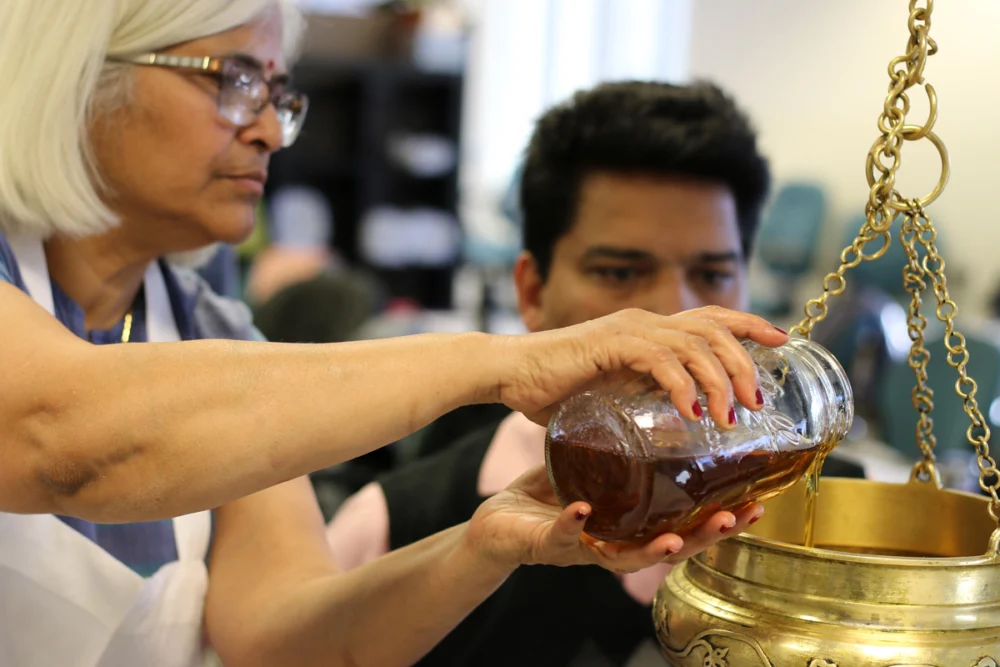
The ancient Ayurvedic detoxification system known as Panchakarma has transitioned from a niche traditional practice to a significant focal point in the global wellness industry. While public figures such as performance artist Katy Perry and professional athlete Aaron Rodgers have brought the practice into the cultural zeitgeist, medical historians and Ayurvedic practitioners emphasize that the protocol is a sophisticated clinical intervention with roots stretching back over 5,000 years to the Vedic period of India. Far from a contemporary "gut cleanse" or a luxury spa treatment, Panchakarma represents a rigorous, multi-stage physiological reset designed to address the root causes of chronic illness by metabolic purification.
Understanding the Fundamental Mechanics of Panchakarma
The term Panchakarma is derived from the Sanskrit words "pancha" (five) and "karma" (actions). These five actions refer to specific therapeutic procedures intended to eliminate "Ama"—a term used in Ayurveda to describe metabolic toxins, undigested food waste, and environmental pollutants—from the bodily tissues. According to Vaidya Jayarajan Kodikannath, CEO and Chief Ayurveda Consultant at Kerala Ayurveda USA, the process is one of the most advanced methods for purifying and resetting the mind-body system. Kodikannath notes that the protocol does more than resolve existing symptoms; it empowers the biological system to resist the recurrence of imbalances by restoring homeostatic harmony.
In the Ayurvedic framework, health is dictated by the balance of three "Doshas": Vata (air and space), Pitta (fire and water), and Kapha (earth and water). When these elemental forces are pushed out of their natural state by stress, poor diet, or environmental factors, the body’s "Agni" (digestive fire) weakens. This leads to the accumulation of toxins that clog the "Srotas" (biological channels), eventually manifesting as chronic disease. Panchakarma is the specialized branch of "Shodhana" (purification) therapy used to clear these channels.
A Clinical Case Study: The Resolution of Vata Imbalance
The practical application of Panchakarma is best illustrated through individual clinical outcomes. Consider the case of Geetanjali, a young professional singer who presented with a complex array of symptoms including a chronic cough, vocal nodules, and frequent loss of voice. Conventional recommendations included the surgical removal of tonsils and adenoids, though without a guarantee of long-term resolution. Beyond her physical vocal issues, Geetanjali experienced insomnia, anxiety, and chronic knee pain—symptoms that Ayurvedic practitioners classify as a classic "Vata" imbalance.
Initially, her Vaidya (Ayurvedic physician) utilized "Shamana" (palliative) therapies to reduce the immediate symptoms. Over time, her cough diminished and the vocal nodules disappeared. However, underlying issues remained: persistent depression, physical debility, and cravings for carbonated, cold beverages. To address these deep-seated systemic issues, a full Panchakarma protocol was recommended. By moving beyond symptom management to systemic purification, the protocol aimed to stabilize her Vata Dosha at the cellular level, demonstrating that Panchakarma is a tool for deep-tissue remediation rather than a superficial fix.
The Three-Stage Chronology of the Panchakarma Protocol
The administration of Panchakarma is a meticulously timed process that typically spans between seven and thirty days, depending on the severity of the patient’s "Vikriti" (current state of imbalance). The process is divided into three distinct phases, each essential for the safety and efficacy of the treatment.
Stage I: Purva Karma (The Preparation Phase)
Before the body can eliminate deep-seated toxins, they must be mobilized. Purva Karma involves two primary techniques:

- Snehana (Oleation): This involves the internal and external application of medicated oils or ghee. The lipids penetrate the tissues, binding to fat-soluble toxins and loosening them from the cell walls.
- Swedana (Sudation): Following oleation, the patient undergoes therapeutic steaming. This dilates the bodily channels, allowing the mobilized toxins to flow toward the gastrointestinal tract for eventual expulsion.
Without this preparatory stage, attempting to detoxify the body would be akin to trying to scrub dry dirt off a delicate fabric; the "oil and heat" approach ensures the toxins are "ripened" and ready for removal without damaging the underlying tissues.
Stage II: Pradhana Karma (The Five Main Actions)
Once the toxins have been moved to the gut, the physician selects from the five main cleansing actions. The selection is highly individualized based on the patient’s constitution (Prakriti) and the nature of their ailment.
- Vamana (Therapeutic Emesis): Used primarily for Kapha disorders, such as respiratory issues.
- Virechana (Purgation): Targeted at Pitta imbalances, cleansing the liver, gallbladder, and small intestine.
- Basti (Medicated Enema): Considered the "mother of all treatments," Basti addresses Vata imbalances in the colon and is used for neurological, musculoskeletal, and reproductive issues.
- Nasya (Nasal Administration): Clears the sinuses and head region, often used for migraines, sleep disorders, and mental clarity.
- Raktamokshana (Bloodletting): A specialized procedure for blood purification, typically used in skin disorders.
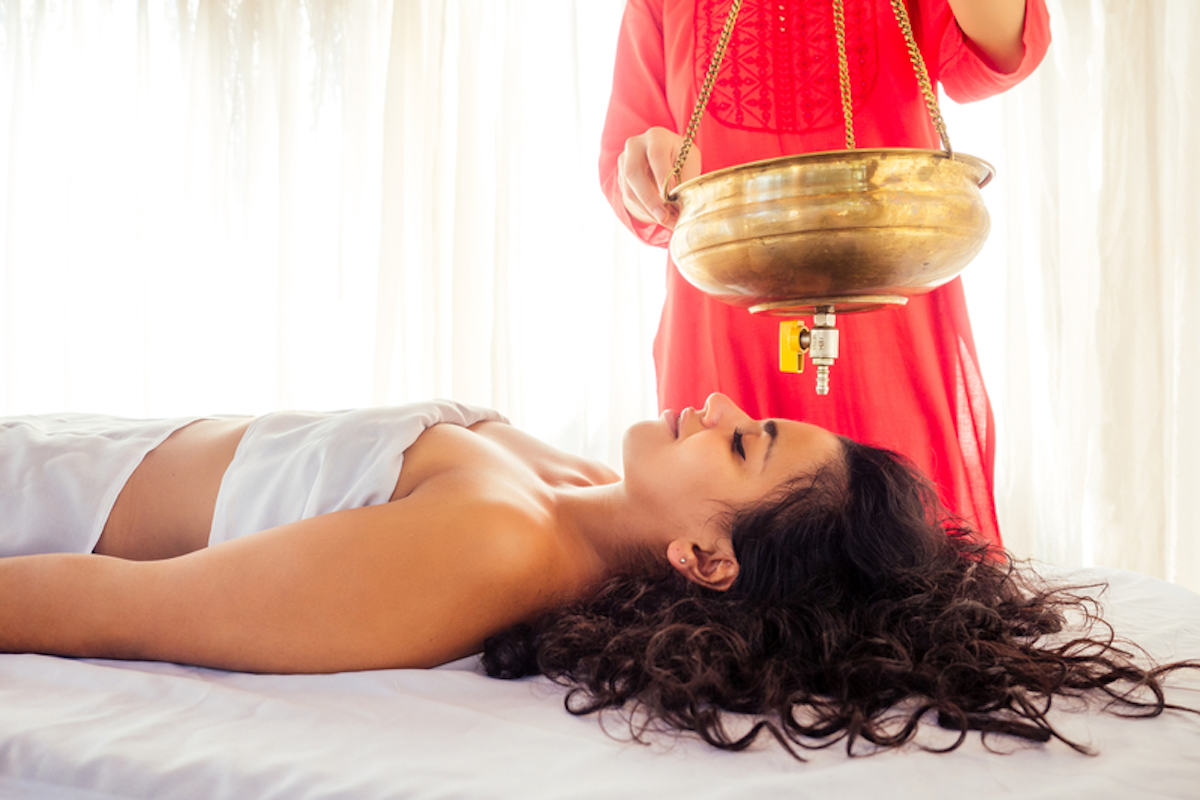
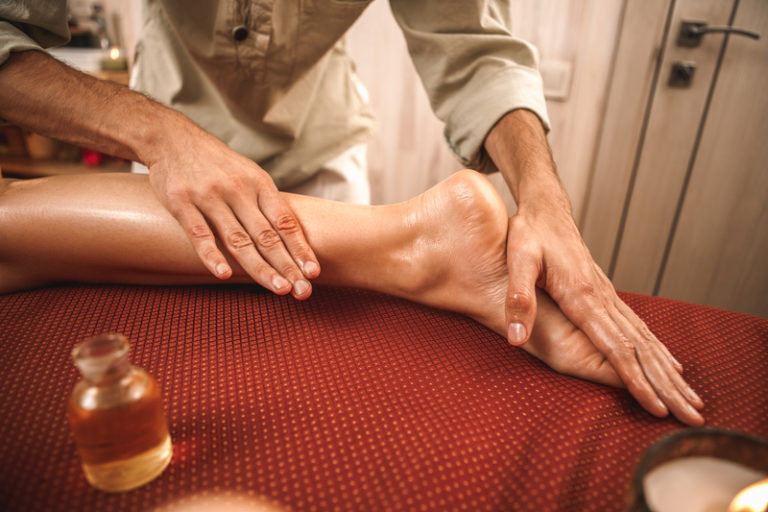
In the United States, Vamana and Raktamokshana are generally restricted or not practiced due to regulatory standards, while Virechana, Basti, and Nasya remain the cornerstones of clinical practice. Supporting bodywork, such as Shirodhara (the continuous pouring of oil on the forehead) and Abhyanga (synchronized massage), are often integrated into this phase to soothe the nervous system during the intensive cleansing process.
Stage III: Paschat Karma (Rejuvenation and Integration)
The final phase, known as "Rasayana," is arguably the most critical. After the intensive cleansing of Pradhana Karma, the body’s Agni is delicate, and the channels are empty. Paschat Karma focuses on rebuilding the system through specific dietary transitions and the ingestion of rejuvenative herbs. This phase ensures that the patient does not experience "rebound" symptoms and that the immune system (Vyadhikshamatwam) is significantly strengthened. It involves a slow transition back to normal activity, emphasizing non-violence, mental clarity, and the maintenance of new, healthy lifestyle habits.
The Socio-Economic and Environmental Necessity for Detoxification
The global surge in interest regarding Panchakarma is fueled by a worsening public health landscape. Data from the World Health Organization (WHO) suggests that the world is currently facing an "epidemic of stress," which serves as a primary driver for metabolic and mental health disorders. In the United States, the Centers for Disease Control and Prevention (CDC) reports that 6 in 10 adults live with a chronic lifestyle-based disease, such as Type-2 diabetes, cardiovascular disease, or chronic kidney issues.
Furthermore, the modern nutritional environment has become increasingly hostile. The United Nations dubbed 2016-2025 the "Decade of Action on Nutrition," highlighting that 2 billion people suffer from malnutrition or obesity-related issues. The prevalence of ultra-processed foods, which often contain synthetic preservatives and endocrine-disrupting chemicals, has been linked to higher mortality rates than cigarette smoking in some demographics.
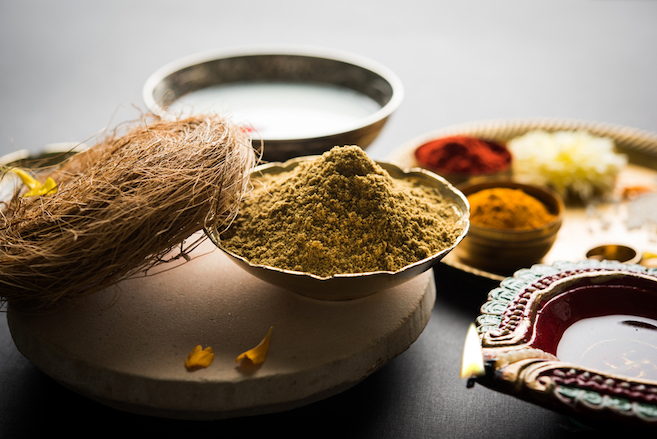
Environmental toxicity adds another layer of urgency. Researchers have identified nearly 800 chemicals of concern in the modern environment—ranging from mercury in seafood to lead in consumer goods and hormones in dairy. These toxins accumulate in the human body over decades, contributing to what scientists call "bio-accumulation." Panchakarma provides a traditional methodology for addressing this modern "toxic load" by focusing on the host’s internal environment rather than just the external pathogens.
Clinical Research and Scientific Implications
A research paper titled "A Practical Handbook of Panchakarma Procedures" characterizes the protocol as a "minimal invasive bio-cleansing procedure" effective for metabolic and autoimmune diseases. By resetting the "Agni," Panchakarma facilitates homeostasis—the body’s natural state of internal stability.
The benefits of the procedure, as documented in both traditional texts and modern clinical observations, include:
- Complete Detoxification: The removal of both physiological and psychological "Ama."
- Metabolic Restoration: Rekindling the digestive fire to improve nutrient absorption.
- Channel Clearance: Opening the "Srotas" to improve circulation and lymphatic drainage.
- Stress Reduction: Profound calming effects on the central nervous system, particularly through therapies like Shirodhara.
- Anti-Aging: The Rasayana phase promotes cellular regeneration and longevity.
As inflammation is increasingly recognized by Western medicine as the common denominator in diseases ranging from the common cold to various forms of cancer, the Ayurvedic focus on "Shodhana" (cleansing) offers a proactive rather than reactive approach to healthcare.
The Future of Integrative Medicine
The professionalization of Panchakarma in the West is currently underway. Institutions like Kerala Ayurveda USA are leading the effort to provide certified training for "Vaidyas" and Panchakarma technicians, ensuring that the practice remains grounded in authentic tradition while meeting modern safety standards. For healthcare providers, such as massage therapists and integrative physicians, the study of Panchakarma offers a way to enhance patient outcomes through a more holistic, systemic understanding of pathology.
As the medical community continues to explore the limits of pharmaceutical interventions for chronic, lifestyle-based ailments, ancient systems like Panchakarma are being re-evaluated for their ability to provide long-term, sustainable health. The transition of Panchakarma from celebrity "fad" to a respected clinical tool signifies a broader shift toward integrative medicine—a model where ancient wisdom and modern science converge to address the complexities of the human condition in the 21st century.

