

The quest for a perfect diet score is a pursuit that has captivated health professionals and individuals alike for decades. While numerous dietary approaches exist, from the widely adopted vegetarian and vegan lifestyles to various fad diets, a growing body of scientific evidence points towards a more nuanced understanding of what constitutes truly optimal nutrition. This exploration delves into the scientific rationale behind assessing dietary quality, specifically examining the utility of the phytochemical index as a robust metric for evaluating the healthfulness of one’s diet.
The Nuances of Vegetarianism and Diet Quality
Historically, vegetarian diets have often been lauded for their inherent nutrient density. Research consistently demonstrates that diets rich in plant-based foods tend to exhibit higher overall nutritional quality when compared to diets that include animal products. This improved quality is often linked to greater reductions in disease risk and better health outcomes. For instance, a meta-analysis encompassing numerous studies has indicated that vegetarians generally maintain lower body weight and body mass index (BMI) compared to their non-vegetarian counterparts. This association suggests a protective effect against weight gain and obesity.
However, a simple classification as "vegetarian" does not automatically equate to a perfectly healthy diet. Many individuals who identify as vegetarian may still consume significant amounts of refined grains, such as white rice and white bread. These processed foods have been stripped of essential nutrients during their production, diminishing their overall health benefits. This observation highlights a critical point: the quality of ingredients and the degree of processing play a pivotal role in determining the true health impact of any dietary pattern. Therefore, while a vegetarian diet may offer a strong foundation, it is not a foolproof guarantee of optimal health.
Beyond Simple Calorie Counting: The Importance of Whole Plant Foods
For those familiar with nutritional science, the profound importance of consuming whole plant foods is well-established. These foods, in their natural or minimally processed states, are packed with a spectrum of vitamins, minerals, fiber, and, crucially, phytochemicals. Phytochemicals are biologically active compounds found naturally in plants, which are increasingly recognized for their significant contributions to human health and disease prevention.
Early attempts to quantify dietary quality often involved simple tallying systems, such as counting the number of servings of fruits, vegetables, whole grains, legumes, nuts, and seeds. However, such methods can be easily circumvented. An individual could, theoretically, consume a sufficient quantity of these healthy foods while still also indulging in highly processed, nutrient-poor options like donuts. This limitation underscores the need for more sophisticated assessment tools that consider the proportion of healthy foods within the overall dietary intake.
To address this, researchers have explored proportional intake measures, assessing the percentage of calories or weight derived from whole plant foods. This approach allows for a more accurate reflection of dietary quality by penalizing the consumption of less healthy components, such as animal-derived products (meat, dairy, eggs), added sugars, and unhealthy fats.

The Phytochemical Index: A Simple Yet Powerful Metric
Among the various proportional intake measures, one that has garnered significant attention for its elegance and utility is McCarty’s "phytochemical index." Defined as "the percent of dietary calories derived from foods rich in phytochemicals," this index offers a straightforward yet comprehensive way to assess dietary quality. It assigns a score from 0 to 100, directly correlating with the proportion of calories consumed from phytochemical-rich sources.
The beauty of the phytochemical index lies in its conceptual simplicity. While the direct quantification of individual phytochemicals in food or tissue samples can be an intricate, time-consuming, and expensive process, the phytochemical index serves as a practical proxy. By focusing on the percentage of calories originating from plant-based foods known for their high phytochemical content, it provides a feasible method for monitoring dietary patterns and their potential health implications.
The Theoretical Ideal and the American Reality
Theoretically, a diet that adheres strictly to whole, unprocessed plant foods, while excluding refined grains, white potatoes, hard liquors, added oils, and added sugars, could achieve a perfect phytochemical index score of 100. Such a diet would maximize the intake of nutrient-dense, protective compounds.
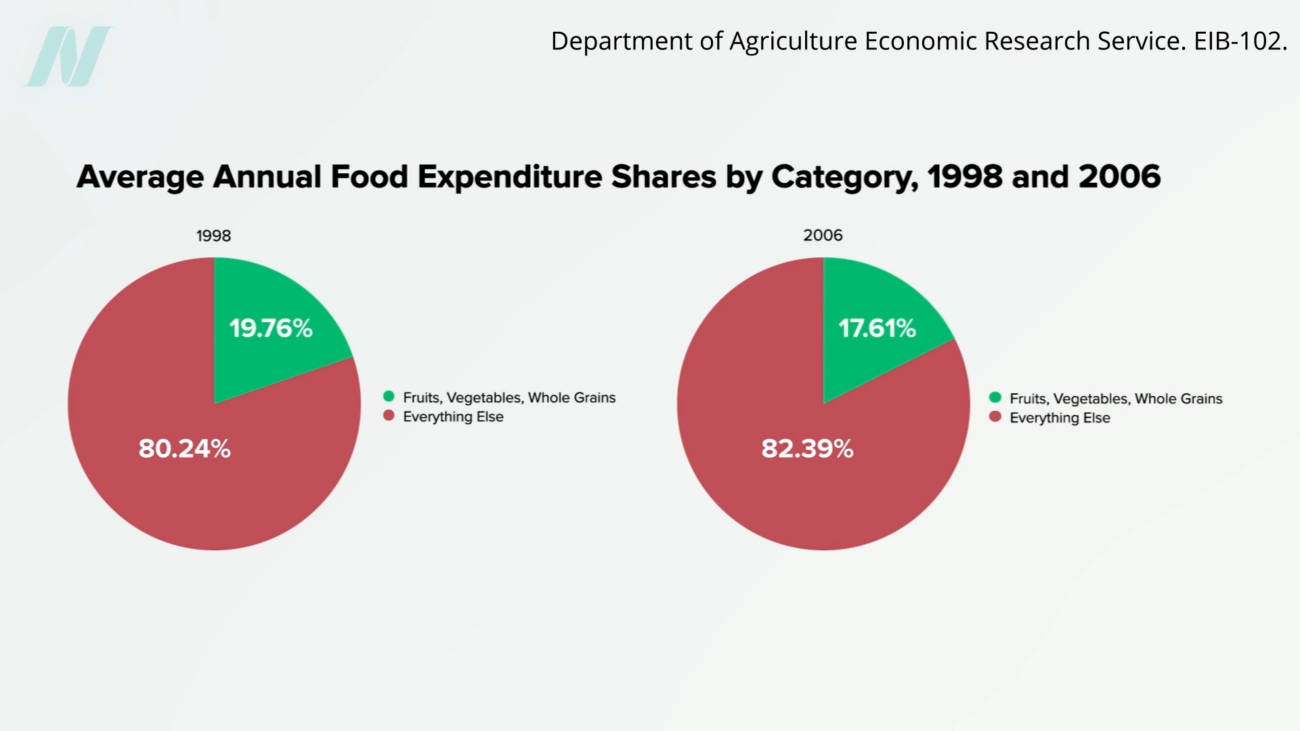
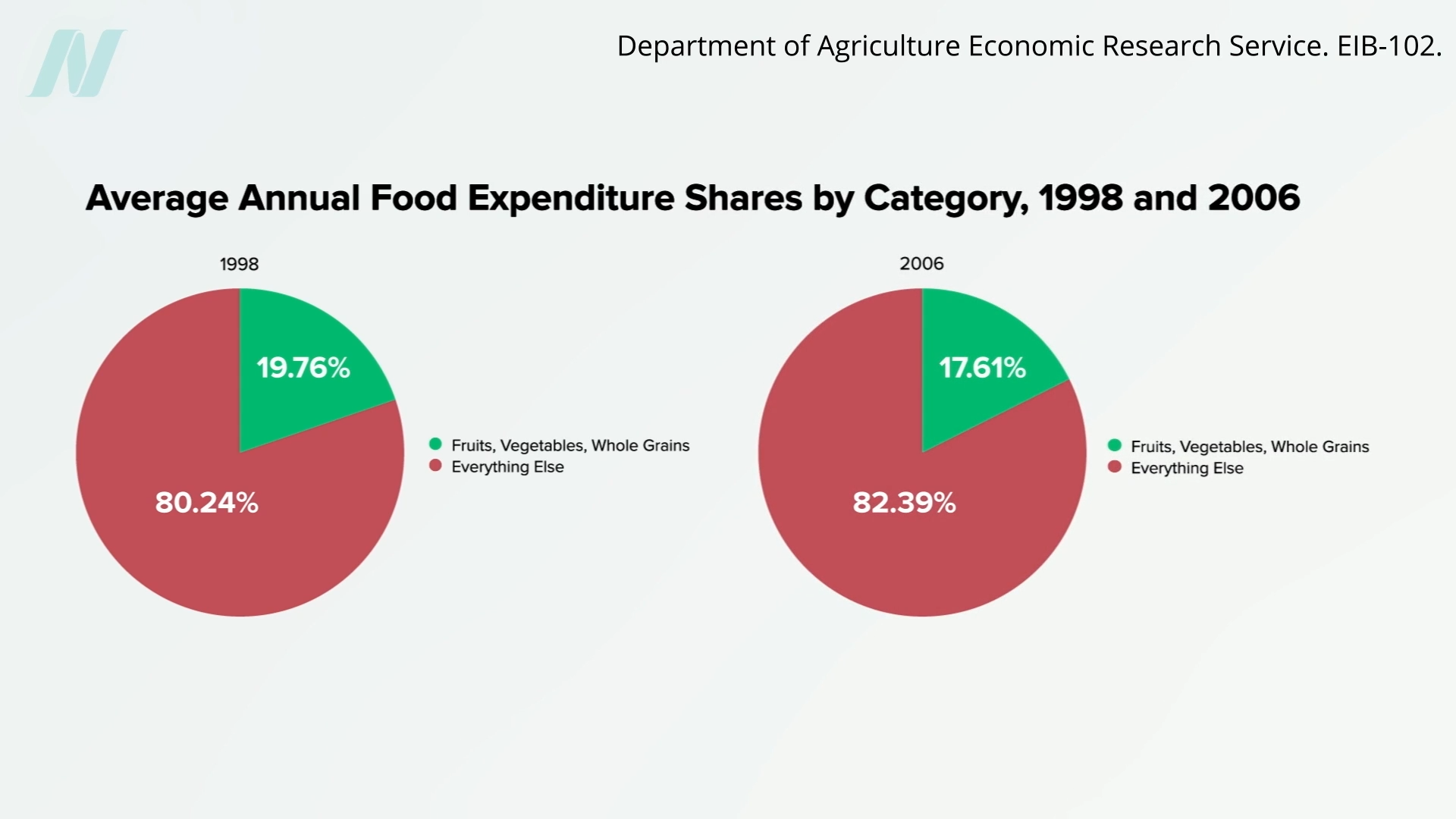
However, the reality for most Americans falls far short of this ideal. Current dietary patterns in the United States suggest that the average person may be lucky to achieve a phytochemical index score of just 20. This stark contrast can be attributed to a significant shift in food consumption trends over recent decades. Data from 1998 indicated that approximately 20% of the American food supply consisted of whole plant foods. More recent analyses, however, reveal a concerning decline in this proportion, with Americans increasingly relying on processed foods and animal products. This trend is visually represented by data illustrating the decreasing percentage of whole plant foods in shopping baskets.
Researching the Impact: Phytochemical Index and Health Outcomes
The scientific community has recognized the immense potential of the phytochemical index as a tool for investigating diet-health relationships. Researchers have actively sought to correlate phytochemical index scores with various health outcomes, yielding compelling results.
Weight Management and Body Composition:
Studies employing the phytochemical index have consistently demonstrated its association with improved weight management and body composition. By assigning points for whole plant foods and effectively downplaying less healthy options, the index can serve as a valuable indicator of dietary quality related to weight. Even in studies where the healthiest-eating group achieved an average score of only around 40, indicating that processed foods and animal products still constituted a significant portion of their diet, the increased consumption of whole plant foods was linked to a reduced likelihood of weight gain and a decrease in body fat. This suggests that even incremental improvements in whole plant food intake can have a tangible positive impact.
Metabolic Health:
The benefits extend beyond weight. Research indicates that higher intakes of fruits, vegetables, whole grains, and legumes are associated with protective health effects, regardless of meat consumption. Specifically, the phytochemical index has been linked to:
- Reduced risk of abdominal obesity: Higher scores on the index are correlated with a significantly lower likelihood of developing abdominal obesity.
- Lower triglycerides: Individuals with higher phytochemical index scores tend to have lower levels of triglycerides, a type of fat in the blood that can increase the risk of heart disease.
- Improved insulin sensitivity: Even at similar body weights, individuals consuming plant-based diets tend to exhibit higher insulin sensitivity. This means their bodies utilize insulin more effectively, which is crucial for regulating blood sugar levels. The compounds found in plants that reduce inflammation and combat free radicals are believed to play a role in this improved sensitivity. Consequently, the odds of hyperinsulinemia, an indicator of insulin resistance, progressively decrease with greater plant consumption.
- Lower risk of prediabetes: Studies have shown significantly lower odds of developing prediabetes among individuals who derive more than half of their calories from healthy plant foods, as reflected by a higher phytochemical index score.
Cardiovascular Health and Chronic Disease Prevention:
The protective effects of a high phytochemical index score are further evident in the realm of cardiovascular health and the prevention of chronic diseases. Research has indicated:
- Lower odds of metabolic syndrome: Individuals with higher phytochemical index scores demonstrate significantly lower odds of being diagnosed with metabolic syndrome, a cluster of conditions that increase the risk of heart disease, stroke, and type 2 diabetes.
- Reduced risk of hypertension: Studies have revealed that individuals consuming more healthy plant foods had approximately half the odds of being diagnosed with hypertension (high blood pressure) over a three-year period.
Mental Well-being and Disease Prevention:
The impact of diet on mental health is also an area of growing interest. Emerging research suggests a connection between dietary patterns assessed by the phytochemical index and mental well-being. Studies have indicated:
- Reduced risk of depression and anxiety: Individuals with higher phytochemical index scores have shown significantly lower rates of depression, anxiety, and psychological distress. Specifically, findings suggest approximately 80% less depression, two-thirds less anxiety, and 70% less psychological distress.
Benign Breast Conditions and Breast Cancer Risk:
The role of plant-based diets in cancer prevention is a cornerstone of nutritional research. The phytochemical index has been investigated in relation to breast health with promising results:
- Lower odds of benign breast diseases: A strong correlation has been observed between higher phytochemical index scores and a significantly lower likelihood of developing benign breast conditions, such as fibrocystic diseases, fatty necrosis, and ductal ectasia. Individuals with the highest scores exhibited approximately 70% lower odds of these conditions.
- Reduced risk of breast cancer: A higher intake of healthy plant foods, as measured by the phytochemical index, has been consistently associated with a lower risk of breast cancer. Even after accounting for a wide array of other influencing factors, the protective effect remains significant. Notably, individuals who consumed twice the proportion of plants compared to the standard American diet experienced more than a 90% reduction in their odds of developing breast cancer.
The Broader Implications for Public Health
The consistent findings across diverse studies underscore the profound implications of the phytochemical index as a practical and powerful tool for public health initiatives. Its ability to simplify complex dietary assessments into a quantifiable score makes it an invaluable asset for:
- Clinical Guidance: Healthcare professionals can utilize the phytochemical index to provide targeted dietary recommendations to patients, focusing on increasing the consumption of whole plant foods as a primary strategy for disease prevention and management.
- Public Health Campaigns: Public health organizations can leverage the concept of a phytochemical index in educational campaigns to promote healthier eating habits among the general population, encouraging a shift towards more nutrient-dense, plant-forward diets.
- Dietary Research: The index offers a standardized metric for researchers to conduct further studies, exploring the intricate links between diet, the gut microbiome, and long-term health outcomes.
While the journey towards achieving a perfect phytochemical index score of 100 may seem daunting, the research clearly indicates that even modest improvements in whole plant food consumption can yield substantial health benefits. The focus should not be on achieving an absolute ideal overnight but rather on making consistent, progressive steps to incorporate more fruits, vegetables, whole grains, legumes, nuts, and seeds into our daily diets.
Doctor’s Note and Further Resources
For those interested in delving deeper into the science of diet scoring and plant-based nutrition, several resources are available. Understanding the phytochemical index can be further explored in resources such as "Calculate Your Healthy Eating Score." Concerns about protein intake in vegetarian and vegan diets are addressed in discussions like "Flashback Friday: Do Vegetarians Get Enough Protein?" The notion that dietary changes do not have to be an "all or nothing" proposition is highlighted in explorations like "Do Flexitarians Live Longer?" Finally, for those curious about the healthfulness of vegan alternatives, "Friday Favorites: Is Vegan Food Always Healthy?" offers valuable insights. These resources provide a comprehensive framework for individuals seeking to optimize their dietary patterns for enhanced health and well-being.

