


Australia’s international reputation as a premier travel destination has historically been anchored by its sprawling metropolitan hubs, most notably Sydney and Melbourne. However, a significant shift in domestic and international travel patterns has brought the country’s regional and rural townships into sharper focus. Beyond the high-rise skylines and coastal urban centers lies a network of small towns defined by deep colonial history, indigenous heritage, and unique geological features. These destinations are increasingly recognized not only for their aesthetic tranquility but for their vital role in preserving the nation’s cultural narrative and supporting regional economies.
The Historical Evolution of Regional Australia
The development of Australia’s countryside towns follows a distinct chronology, often dictated by the resource booms of the 19th century. From the 1850s Gold Rush in Victoria to the expansion of the pastoral industry in New South Wales, the geography of regional Australia was shaped by the pursuit of wealth and land. While many "boom towns" faded into obscurity once resources were exhausted, others successfully transitioned into agricultural hubs or tourism-centric communities.
Today, these towns represent a critical segment of the Australian tourism industry. According to data from Tourism Research Australia, regional travel accounts for nearly 45 cents of every tourism dollar spent in the country. The appeal of these locations lies in their "slow travel" potential—a movement that prioritizes cultural immersion and environmental appreciation over high-intensity sightseeing.

Victoria’s Heritage Hubs: Beechworth and Daylesford
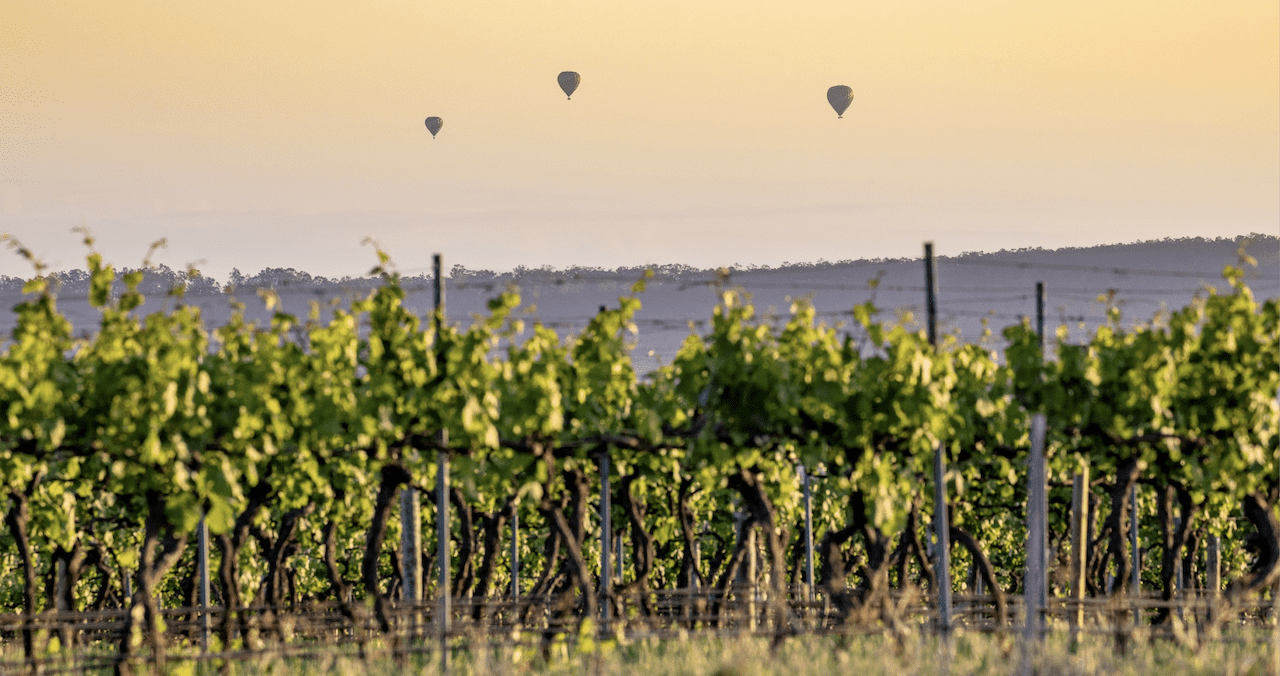
Beechworth, situated approximately 285 kilometers northeast of Melbourne, serves as a primary example of a well-preserved mid-19th-century gold-mining town. Following the discovery of gold in 1852, the town’s population surged, leading to the construction of substantial granite buildings that remain standing today. Beechworth is historically significant as the site of several legal proceedings involving the bushranger Ned Kelly, and it retains an architectural integrity rarely seen in more modernized regions.
With a population of roughly 3,000 residents, the town has diversified its economy through viticulture and artisanal food production. It is a neighbor to the King Valley region, renowned for its production of Italian-style wines, including Prosecco. The preservation of the Beechworth Historic Precinct has been a point of pride for local authorities, who view heritage tourism as a sustainable alternative to the extractive industries of the past.

Further south, in the foothills of the Great Dividing Range, Daylesford represents the evolution of the "spa town" in the Australian context. Established during the 1852 gold rush, the area’s true value was realized when its natural mineral springs were identified. Today, the Daylesford and Hepburn Springs region contains approximately 80% of Australia’s known mineral spring outflows. This has birthed a robust wellness economy, with numerous retreats and spas contributing significantly to the local GDP. Analysts suggest that the town’s success is rooted in its ability to offer a European-style wellness experience within a distinctly Australian landscape.
South Australia’s Unique Settlements: Hahndorf and Coober Pedy
In South Australia, the town of Hahndorf offers a specific look at the history of migration in the 19th century. Established in 1839 by Lutheran migrants fleeing religious persecution in Prussia, it remains the oldest surviving German settlement in Australia. The town’s layout and "Fachwerk" (timber-framed) architecture are strictly preserved under heritage legislation.
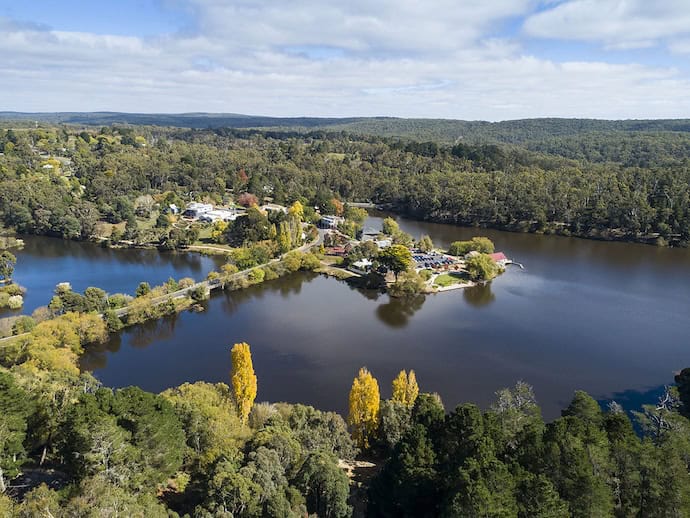
Hahndorf’s climate is a notable outlier in the Australian landscape; its position in the Adelaide Hills results in maximum temperatures that rarely exceed 20 degrees Celsius for much of the year, a stark contrast to the arid conditions of the northern parts of the state. Local tourism boards emphasize that Hahndorf’s proximity to Adelaide—just 28 kilometers—makes it a vital gateway for international visitors looking to understand the diverse ethnic tapestry of early Australian settlement.
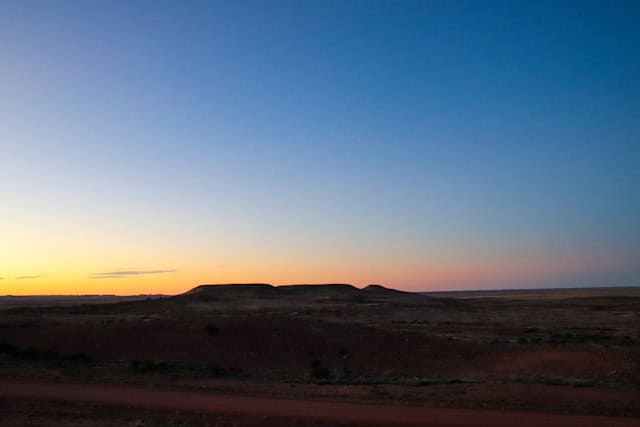
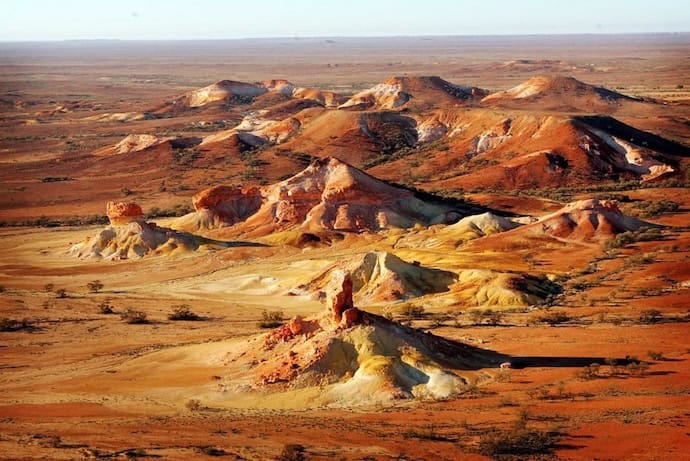
Conversely, Coober Pedy, located 846 kilometers north of Adelaide, presents one of the most unusual urban environments in the world. Established in 1915 following the discovery of opals, the town produces the majority of the world’s supply of the gemstone. To combat the extreme heat of the Outback, where summer temperatures frequently exceed 40 degrees Celsius, residents developed "dugouts"—homes and community buildings constructed entirely underground.
This subterranean lifestyle has turned Coober Pedy into a point of fascination for geologists and urban planners alike. The town’s population is a multicultural mosaic of over 45 nationalities, largely comprised of miners and gem dealers. The shift toward sustainable tourism in Coober Pedy has seen the repurposing of old mine shafts into museums and hotels, providing a factual look at the rigors of desert survival.
New South Wales and the Great Dividing Range: Leura, Dorrigo, and Tenterfield
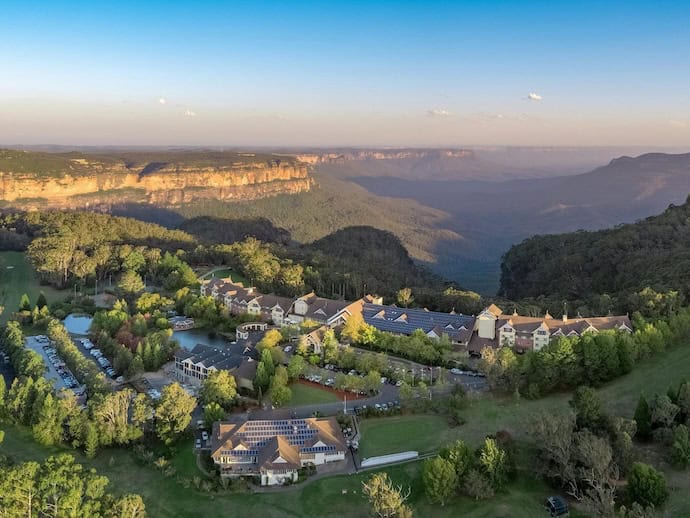
The state of New South Wales hosts several towns that bridge the gap between historical industry and environmental conservation. Leura, located in the Blue Mountains, is a key stop on the Main Western Railway Line. The area has a human history spanning over 12,000 years, originally inhabited by the Gundungurra and Darug peoples. Following European settlement in the early 1800s, Leura evolved into a cool-climate retreat for Sydney’s elite. Today, it serves as a critical buffer zone for the Blue Mountains National Park, a UNESCO World Heritage site, balancing high-volume tourism with the need for ecological preservation.
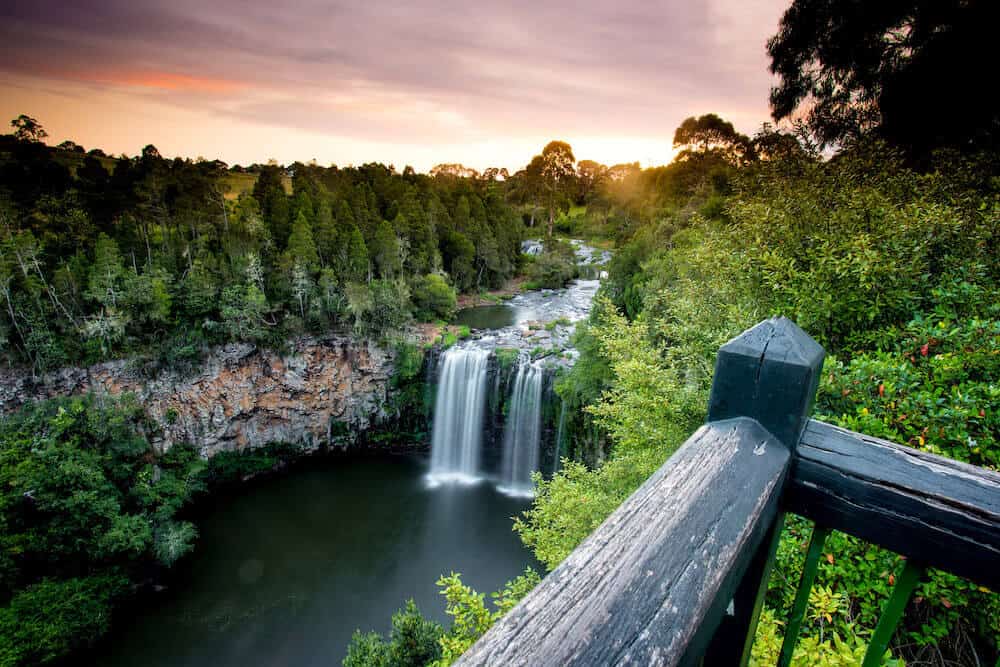
Dorrigo, located nearly 600 kilometers north of Sydney, provides a different ecological perspective. It is the gateway to the Dorrigo National Park, part of the Gondwana Rainforests of Australia. This area is protected by UNESCO for its "outstanding examples of major stages of the Earth’s evolutionary history." The town itself, once a center for the timber industry, now focuses on eco-tourism. Dangar Falls, a significant waterfall on the Bielsdown River, is a major drawcard, symbolizing the town’s transition from resource extraction to environmental stewardship.
Further north, Tenterfield is often referred to as the "Birthplace of Federation." It was here, in 1889, that Sir Henry Parkes delivered his famous "Tenterfield Oration," which set the stage for the unification of the Australian colonies. The town is rich in museum culture, featuring the Tenterfield Railway Museum and the Centenary Cottage Museum. Surrounded by several national parks, including Bald Rock and Boonoo Boonoo, Tenterfield’s economy is increasingly tied to the preservation of both its political history and its natural flora and fauna.
Western Australia and Tasmania: Margaret River and Scamander
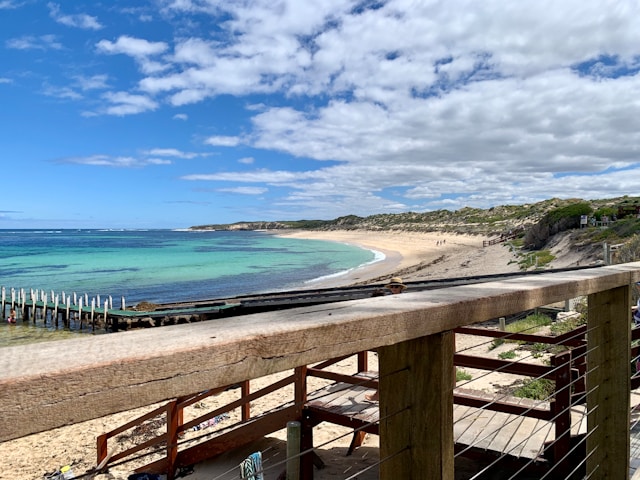
On the western edge of the continent, Margaret River has achieved global fame that belies its small-town status. Originally a timber and dairy region, the town’s trajectory changed in the 1960s when scientists identified its Mediterranean climate as ideal for viticulture. It has since become one of the world’s premier wine regions, specializing in Cabernet Sauvignon and Chardonnay.
The economic impact of Margaret River is substantial; the region attracts over 1.5 million visitors annually. Beyond wine, the town is a center for surfing culture and coastal conservation. The coexistence of high-end culinary tourism and rugged outdoor recreation has made Margaret River a case study in successful regional branding.
In Tasmania, the town of Scamander offers a glimpse into the "island life" that defines the state’s eastern coast. With a population of fewer than 900 people, Scamander is an example of the "micro-town" model. It serves as a base for exploring the Tasmanian wilderness, including areas inhabited by the endangered Tasmanian Devil. The town’s reliance on the natural environment—specifically its river and beach ecosystems—highlights the vulnerability and resilience of small coastal communities in the face of climate change and shifting economic trends.
Broader Implications and Regional Analysis
The continued interest in Australia’s countryside towns suggests a broader socio-economic trend. As urban centers become increasingly crowded and expensive, these small towns offer an alternative model of living and traveling. However, this shift also brings challenges. The "gentrification" of regional towns like Daylesford or Margaret River can lead to rising property prices, potentially displacing the local workforce that sustains the tourism industry.
Furthermore, the environmental impact of increased tourism in sensitive areas—such as the Gondwana Rainforests near Dorrigo or the Blue Mountains near Leura—requires stringent management. Local government authorities are increasingly implementing "sustainable visitor" strategies to ensure that the peace and history that draw people to these towns are not destroyed by the volume of visitors.
In conclusion, Australia’s countryside towns are far more than mere stops on a road trip. They are living museums and ecological bastions that provide a necessary counterweight to the country’s urban sprawl. From the underground homes of Coober Pedy to the historic granite streets of Beechworth, these townships offer a factual, grounded perspective on the Australian identity, shaped by the land and the diverse people who have inhabited it for millennia. As the tourism sector continues to evolve, the preservation of these peaceful locales remains a national priority, ensuring that the history and culture of the Australian "bush" are protected for future generations.

