

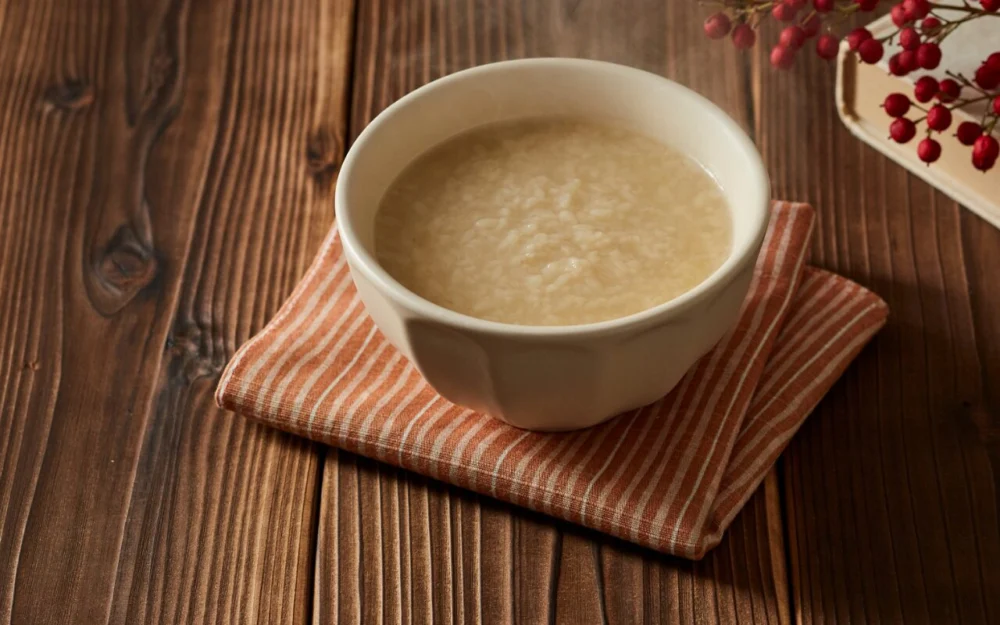
As the Northern Hemisphere transitions from the sweltering heat of summer into the crisp, cooling air of autumn, the human body enters a delicate biological period known in the ancient Vedic tradition as Ritu Sandhi. This "seasonal junction" represents more than just a change in the calendar; it is a critical physiological pivot point where the body’s internal equilibrium is tested. According to Ayurvedic practitioners and wellness experts, the transition from the hot, expansive energy of summer (Pitta) to the cool, erratic, and drying energy of autumn (Vata) creates a unique set of vulnerabilities. Failure to navigate this shift correctly can lead to the accumulation of metabolic waste, a weakened immune system, and accelerated signs of aging. Consequently, fall cleansing has emerged not merely as a wellness trend, but as a preventative medical strategy designed to reset the body’s internal clock and prepare the constitution for the rigors of winter.
The Biological Significance of Ritu Sandhi
In the framework of Ayurvedic medicine, Ritu Sandhi refers to the seven days preceding and the seven days following a seasonal change. During this 14-day window, the body’s "Agni," or digestive fire, often becomes erratic. As the external temperature drops, the body attempts to preserve heat, yet the lingering "heat" of summer—stored in the tissues as accumulated Pitta—must be safely evacuated to prevent inflammatory conditions.

The fall season is characterized by the qualities of the Vata dosha: dryness, lightness, coldness, and mobility. When these qualities increase in the environment, they naturally increase within the human physiology. If a person enters this season with a high load of systemic toxins or unresolved heat from the summer months, the drying nature of autumn can "lock" these impurities into the deeper tissues. This creates a state of internal stagnation that serves as the precursor to seasonal affective disorder, respiratory infections, and joint discomfort.
Understanding Ama: The Pathology of Metabolic Toxins
At the heart of the necessity for a fall cleanse is the concept of Ama. In formal Ayurvedic pathology, Ama is defined as the toxic byproduct of incomplete digestion. The term literally translates to "unripe," "uncooked," or "undigested." When the Agni (digestive fire) is dampened by stress, improper food combinations, or the sudden fluctuations of seasonal change, food is not fully transformed into nutrient-dense plasma. Instead, it turns into a sticky, heavy, and foul-smelling substance that clogs the "Srotas," or the microscopic channels of the body.
Modern clinical parallels to Ama include the accumulation of saturated fats in the arteries, high blood glucose levels, and the buildup of urea and other metabolic wastes that the lymphatic system fails to clear. Ayurveda posits that Ama is the root cause of nearly all physiological imbalances. If left unaddressed during the fall transition, Ama combines with the rising Vata energy to create "Amavata," a condition often associated with stiffness, pain, and systemic inflammation.

The Warning Signs of Ama Accumulation
Health practitioners identify several key indicators that a system is overloaded with Ama and requires immediate intervention:
- Physical Indicators: A thick white coating on the tongue (especially in the morning), persistent lethargy despite adequate sleep, generalized body aches, heavy digestion, and a lack of appetite.
- Mental Indicators: "Brain fog," inability to concentrate, lack of motivation, and a sense of emotional heaviness or stagnation.
- Systemic Indicators: Low immunity, frequent colds, and skin breakouts that appear "congested" or dull.
The Interaction of Ama with the Three Doshas
The impact of toxins varies significantly depending on an individual’s primary constitution. Understanding these interactions is vital for a personalized cleansing strategy:
- Vata-Ama: When toxins mix with the air energy, it manifests as bloating, constipation, and erratic anxiety. The dryness of the season can make these toxins "sticky," making them difficult to dislodge without specific oil-based therapies.
- Pitta-Ama: When toxins mix with fire energy, it results in acid reflux, skin rashes, and irritability. The fall cleanse seeks to "cool" this lingering summer heat while drawing out the impurities.
- Kapha-Ama: When toxins mix with water and earth energy, it produces excessive mucus, sinus congestion, and weight gain. This is the most common form of Ama seen during the transition into the damp, late-fall period.
The Strategic Three-Phase Ayurvedic Approach
Unlike "crash diets" or aggressive modern juice cleanses that can deplete the nervous system, the Ayurvedic fall cleanse is a structured, three-phase medical protocol designed to support the body’s natural detoxification organs—the liver, kidneys, and colon—without causing systemic stress.

Phase 1: Purvakarma (The Preparation Stage)
The goal of Purvakarma is to "ripen" the toxins and loosen them from the deep tissues (Dhatus). This is achieved through Snehana (internal and external oleation) and Swedana (herbal steam therapy). By consuming therapeutic fats like Ghee and undergoing warm oil massages (Abhyanga), the "sticky" Ama is lubricated and directed toward the digestive tract for elimination. During this phase, the diet is simplified to light, warm, and easy-to-digest foods like Kitchari (a mono-diet of mung beans and rice).
Phase 2: Shodhana (The Gentle Purification Stage)
Once the toxins have been mobilized to the gastrointestinal tract, the Shodhana phase involves gentle, monitored elimination. This ensures that the mobilized impurities are actually removed from the body rather than being reabsorbed. In the fall, this typically involves mild purgation or localized treatments that address the Vata-heavy regions of the body.
Phase 3: Rasayana (The Deep Rejuvenation Stage)
Perhaps the most critical—and often overlooked—component of the fall cleanse is rejuvenation. After the "waste" has been removed, the body is in a highly receptive state. Rasayana involves the use of specific tonics, such as Ashwagandha, Chyavanprash, and Shatavari, to rebuild the immune system (Ojas). This phase ensures that the body has the structural integrity and vital energy to withstand the cold and depleting nature of winter.

Broader Impact: Immunity, Aging, and Mental Health
The implications of a fall cleanse extend far beyond digestive comfort. Modern research into the gut-brain axis suggests that by clearing the digestive tract of "undigested" matter, we directly influence neurotransmitter production. Ayurvedic texts have long maintained that a clear gut leads to a clear mind (Sattva). By reducing the load of Ama in the fall, individuals often report a significant reduction in the "winter blues" and seasonal anxiety.
Furthermore, the fall cleanse is a primary tool for "Graceful Aging." In Ayurveda, aging is considered a Vata-dominated process characterized by drying and thinning. By performing a seasonal reset that emphasizes hydration, oleation, and the removal of metabolic sludge, the body maintains its suppleness. This prevents the "drying out" of the joints and skin that typically accelerates during the later years of life.
Safety Guidelines and Professional Oversight
While the benefits of seasonal cleansing are extensive, practitioners warn that it is not a "one-size-fits-all" endeavor. Certain populations should avoid intensive cleansing, including:

- Pregnant or nursing women.
- Individuals suffering from acute infectious diseases or high fevers.
- Those with extreme physical debility or wasting diseases.
- Young children and the very elderly (who require nourishing rather than cleansing protocols).
To achieve optimal results, clinical experts recommend a consultation with an Ayurvedic Practitioner. A professional assessment can determine an individual’s "Vikriti" (current state of imbalance) and tailor the herbs and dietary shifts to their specific needs. This ensures that the cleanse strengthens the Agni without aggravating the Vata dosha, which is the primary risk of unsupervised or overly aggressive detoxification.
Conclusion: A Foundation for Winter Wellness
The transition into fall represents nature’s invitation to let go. Just as trees shed their leaves to conserve energy for the cold months ahead, the human body must shed its accumulated metabolic and emotional "baggage." The Ayurvedic fall cleanse offers a scientifically grounded, time-tested methodology for this release.
By addressing Ama at its root and strengthening the digestive fire, individuals can transform a period of seasonal vulnerability into a season of profound renewal. The result is a fortified immune system, enhanced mental clarity, and a rejuvenated physical frame—providing the essential foundation for health, longevity, and vitality throughout the winter and beyond. As the classical texts suggest, addressing the "unripe" conditions of the body today prevents the pathological conditions of tomorrow.

