

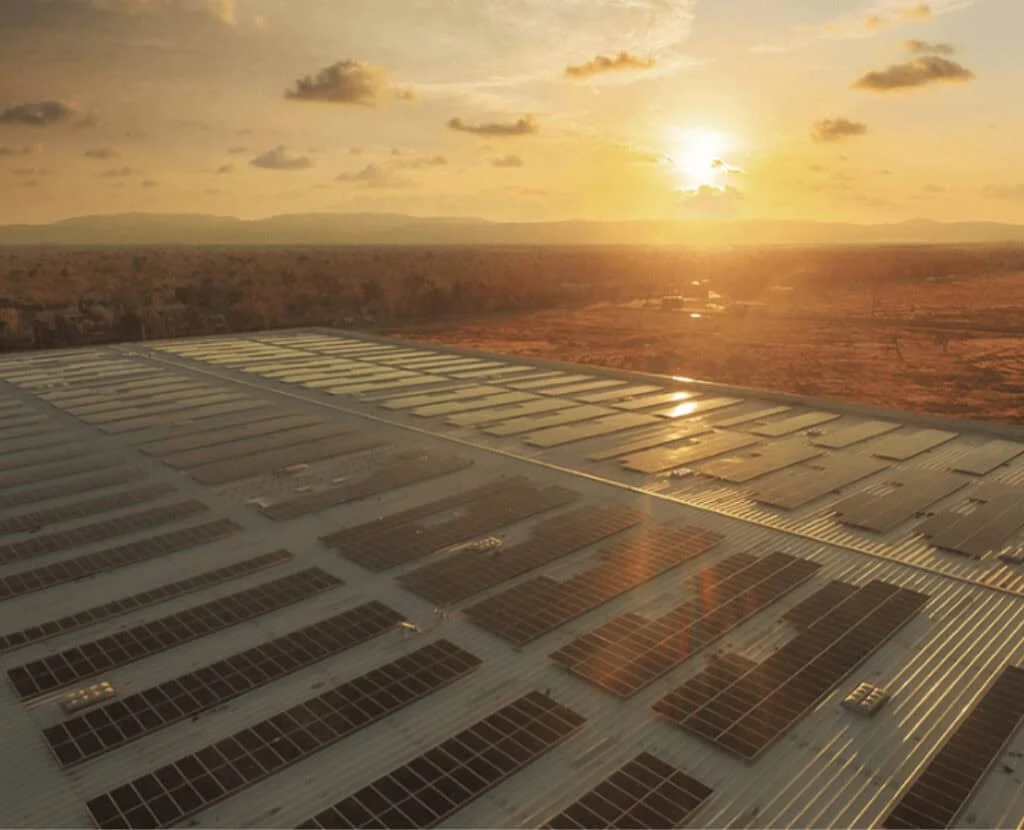
Australia’s transition toward a decarbonized economy has reached a critical inflection point, as renewable energy sources now account for more than 40% of the nation’s total electricity generation. According to recent data from the Department of Climate Change, Energy, the Environment and Water, renewable electricity production on the continent has more than doubled over the last decade, fundamentally reshaping the National Electricity Market (NEM). This shift is highlighted in the Clean Energy Council’s 2026 Clean Energy Report, which identifies biomass, solar, wind, and hydro technologies as the primary drivers of this historic transformation. As the federal government targets an 82% renewable energy share by 2030, the private sector is responding with a wave of innovation in home energy storage and high-efficiency solar solutions.
The rapid growth of the clean energy sector is no longer fueled solely by environmental advocacy but by a fundamental shift in household economics. For millions of Australian residents, the transition to renewable energy has evolved into a strategic financial decision designed to mitigate the impact of soaring utility costs and achieve long-term energy independence. The market is currently populated by an extensive array of brands specializing in making renewable power more accessible, affordable, and reliable for both residential homeowners and commercial enterprises.

The Evolution of the Australian Renewable Landscape
The current surge in renewable adoption is the result of a decade-long evolution in policy and technology. In the early 2010s, the Australian solar market was primarily driven by generous feed-in tariffs and government rebates, which incentivized the installation of rooftop photovoltaic (PV) systems. However, as these early subsidies began to phase out, the industry shifted its focus toward maximizing "self-consumption"—the practice of using solar power on-site rather than exporting it back to the grid for a minimal credit.
By 2020, the conversation transitioned from simple generation to sophisticated storage. The "duck curve" phenomenon, characterized by a surplus of solar energy during the day and a sharp spike in demand during the evening, necessitated the development of affordable battery storage. Today, the Australian market is one of the most competitive in the world for home energy management systems (HEMS). The following five brands represent the vanguard of this industry, offering technologies that bridge the gap between intermittent generation and 24-hour reliability.
1. VoltX Energy: Localized Engineering and Integration
VoltX Energy has established itself as a cornerstone of the Australian and New Zealand clean energy markets by focusing on reliability and localized support. Unlike many multinational conglomerates that offer one-size-fits-all products, VoltX designs its home battery systems specifically to withstand the unique environmental conditions of the Australian outback and coastal regions.
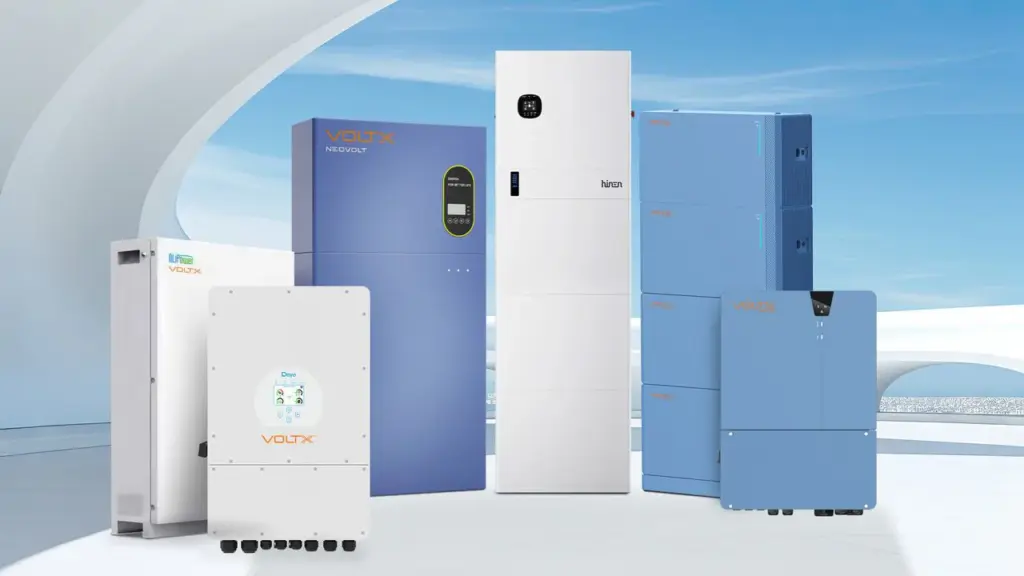
The company’s product line ranges from entry-level solar batteries to advanced energy management units. A primary competitive advantage for VoltX is the seamless integration of its hardware with existing solar infrastructures. This "retrofit-friendly" approach allows homeowners to add storage capacity to older solar arrays without the need for a complete system overhaul. Industry analysts note that VoltX’s emphasis on "plug-and-play" simplicity has made it a preferred choice for installers who prioritize reduced labor times and long-term system stability. Furthermore, by maintaining a strong local presence, VoltX provides a level of customer service and technical support that is often lacking in imported brands.
2. Tesla Energy: Ecosystem Synergy and Software Excellence
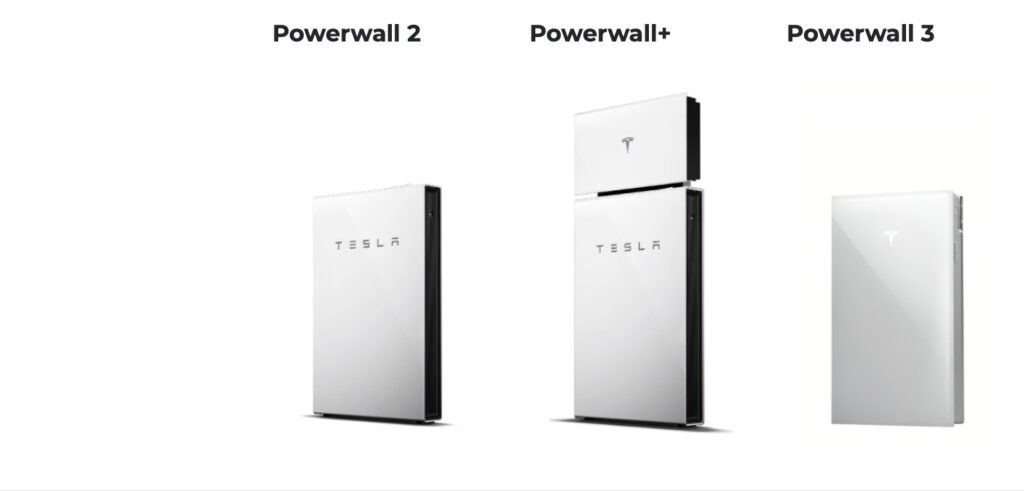
Tesla Energy remains the most recognizable name in the global energy storage sector, and its influence in Australia is profound. The Powerwall 3, the latest iteration of its flagship home battery, represents a significant technological leap by combining a solar inverter and a high-capacity battery into a single, streamlined unit. This integration simplifies the installation process and reduces the number of failure points within the system.
Tesla’s primary strength lies in its software ecosystem. Through the Tesla app, users can monitor energy production, storage, and consumption in real-time, while also participating in Virtual Power Plants (VPPs). In a VPP arrangement, Tesla coordinates thousands of individual Powerwalls to support the grid during periods of peak demand, often providing financial incentives or credits to the homeowners involved. While Tesla products typically command a premium price, the brand’s focus on aesthetics, build quality, and constant over-the-air software updates makes it a compelling investment for tech-forward households looking for a comprehensive energy management solution.
3. SunPower: High-Efficiency Photovoltaic Technology
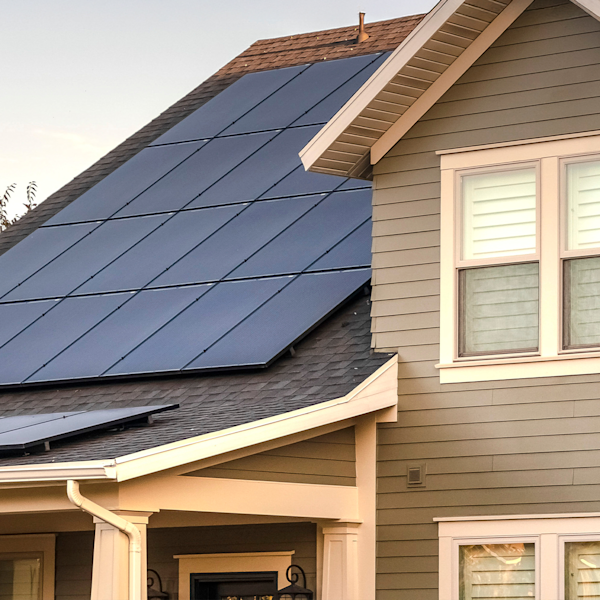
While battery storage is essential, the efficiency of the initial energy capture remains paramount. SunPower, particularly through its Maxeon cell technology, consistently sets the industry standard for solar panel performance and durability. Traditional solar cells often suffer from degradation due to moisture and temperature fluctuations, but SunPower’s patented solid copper foundation provides a level of resilience that allows the company to offer some of the longest warranties in the renewable sector—often spanning 25 to 40 years.
For Australian homeowners with limited roof space, SunPower’s high-efficiency panels are particularly advantageous, as they generate more electricity per square meter than conventional alternatives. This high energy density allows for smaller installations that still meet the total energy needs of a modern household. Although the upfront cost of SunPower modules is higher than that of mass-market competitors, the long-term Return on Investment (ROI) is frequently superior due to the panels’ slower degradation rates and higher lifetime energy yield.
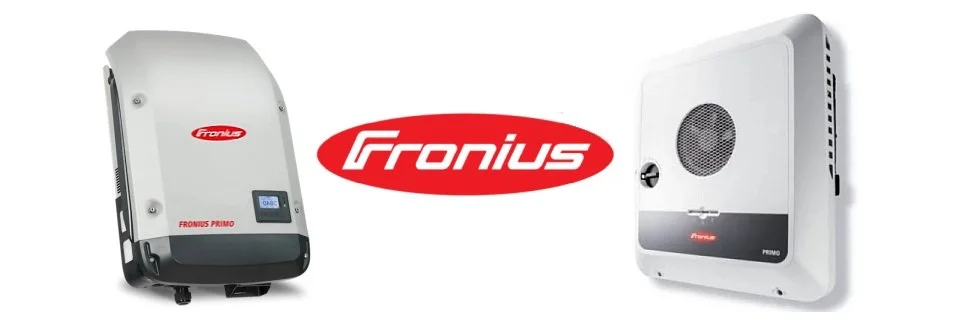
4. Fronius: The "Brain" of the Solar System
Austrian manufacturer Fronius has earned a reputation for producing the most reliable solar inverters in the world. Often described as the "brain" of a solar setup, the inverter is responsible for converting the direct current (DC) generated by panels into the alternating current (AC) used by household appliances. Fronius inverters, such as the Primo and Symo series, are lauded by Australian installers for their robust thermal management and smart monitoring capabilities.
The company’s "SnapINverter" technology has revolutionized the installation process, making it easier for technicians to service or upgrade units without removing the entire mounting system. Fronius also emphasizes data transparency, providing detailed analytics through its Solar.web platform. This allows homeowners to identify energy-hungry appliances and optimize their usage patterns. As the industry moves toward more complex hybrid systems—incorporating solar, batteries, and electric vehicle (EV) charging—Fronius’s commitment to open communication protocols ensures its hardware remains compatible with a wide range of third-party components.
5. BYD: Scalability and Safety through LFP Chemistry
BYD (Build Your Dreams) has leveraged its position as a global leader in electric vehicle manufacturing to become a dominant force in the home energy storage market. Its "Battery-Box" range is characterized by a modular design, allowing users to start with a modest storage capacity and add battery modules as their energy needs or budget grow. This scalability is particularly attractive for families planning to transition to electric vehicles or add energy-intensive climate control systems in the future.
Technologically, BYD distinguishes itself by utilizing Lithium Iron Phosphate (LFP) chemistry. Unlike Nickel Manganese Cobalt (NMC) batteries, LFP batteries are non-toxic, more thermally stable, and boast a longer cycle life. This makes them inherently safer for residential installations, particularly in warmer climates where battery overheating can be a concern. BYD’s ability to manufacture at scale has allowed it to offer high-performance storage solutions at a price point that is often more accessible than its American or European counterparts, making it a key player in the democratization of renewable energy.
Market Analysis: The Shift Toward Grid Independence
The acceleration of the renewable energy market in Australia is supported by broader global trends. The International Energy Agency (IEA) has noted that the global transition to renewables is moving faster than any previous energy shift in human history. In Australia, this is manifested in the "prosumer" movement, where households are no longer just consumers of energy but active producers and managers of a localized microgrid.
Economic data suggests that the Levelized Cost of Energy (LCOE) for rooftop solar combined with battery storage is now lower than the retail price of grid electricity in many parts of Australia. This price parity is a primary driver for the brands mentioned above. Furthermore, the Australian Energy Market Operator (AEMO) has projected that consumer-owned energy resources could provide up to 45% of the NEM’s total capacity by 2050, underscoring the critical role that residential brands will play in national energy security.
Official Responses and Industry Outlook
Industry bodies, such as the Clean Energy Council, have emphasized the importance of quality standards in this rapidly expanding market. "As more Australians look to take control of their energy bills, the role of certified, high-performance brands becomes vital," a council spokesperson noted in a recent briefing. The government has also introduced various "Solar Homes" programs and low-interest loan schemes to assist with the upfront costs of these systems, further fueling market competition.

The entry of specialized comparison platforms like EnergySage has also empowered consumers to make data-driven decisions. By providing transparent pricing and performance metrics, these platforms have forced brands to innovate more rapidly and offer better warranty protections.
Broader Implications for the Australian Economy
The growth of these five brands signifies more than just a change in how homes are powered; it represents a significant economic shift. The renewable energy sector is now a major employer in Australia, supporting thousands of jobs in engineering, installation, and software development. Moreover, the decentralization of the energy grid reduces the need for costly upgrades to aging centralized infrastructure, potentially lowering costs for all taxpayers in the long run.
As Australia continues to navigate its path toward net-zero emissions, the collaboration between innovative private brands and supportive public policy will remain the primary engine of progress. For the Australian homeowner, the message is clear: the technology is mature, the financial incentives are aligned, and the tools to achieve energy independence are more accessible than ever before. The continued evolution of companies like VoltX, Tesla, SunPower, Fronius, and BYD will be essential in ensuring that Australia remains a global leader in the clean energy revolution.

