

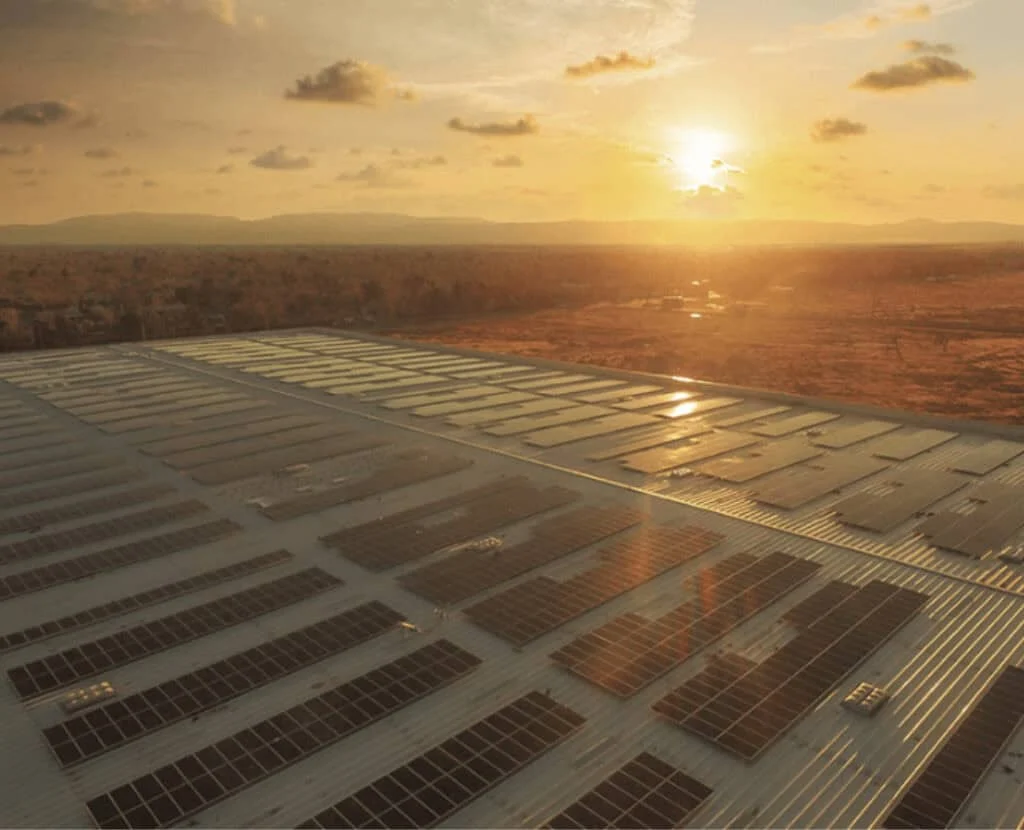
The Australian energy landscape is currently undergoing one of the most rapid and significant transformations in the nation’s industrial history. According to the latest data from Australia’s Department of Climate Change, Energy, the Environment and Water, renewable electricity generation across the continent has more than doubled over the last decade. This shift is not merely a peripheral change but a fundamental restructuring of how the nation powers its homes, businesses, and industries. The Clean Energy Council’s 2024-2026 reports indicate that over 40% of Australia’s total electricity now originates from renewable sources, including biomass, solar, wind, and hydro generation technologies. This milestone marks a critical turning point as the country moves toward its legislated target of 82% renewable energy by 2030 and net-zero emissions by 2050.
The catalyst for this growth is multifaceted, driven by a combination of federal policy incentives, state-level rebates, and a dramatic shift in consumer sentiment. For millions of Australian households, switching to renewable energy has transitioned from an ideological environmental choice to a pragmatic financial strategy. Amidst soaring wholesale power prices and the increasing volatility of the global fossil fuel market, energy independence through rooftop solar and battery storage has become a primary objective for the suburban demographic. Consequently, a selection of clean energy brands has risen to prominence, offering the technological infrastructure necessary to facilitate this transition.
The Chronology of Australia’s Renewable Evolution
The journey toward a renewable-dominant grid in Australia has moved through several distinct phases. In the early 2010s, the market was primarily driven by generous government feed-in tariffs, which encouraged the initial wave of residential solar installations. During this period, the technology was expensive, and the primary goal for most consumers was to offset high daytime electricity costs.
By 2017, the focus shifted toward large-scale utility projects. Massive wind farms in South Australia and solar arrays in Queensland began to alter the national energy mix, proving that renewables could compete with coal on a cost-per-megawatt basis. However, this surge in generation created new challenges for grid stability, leading to the current era: the "Storage Revolution."
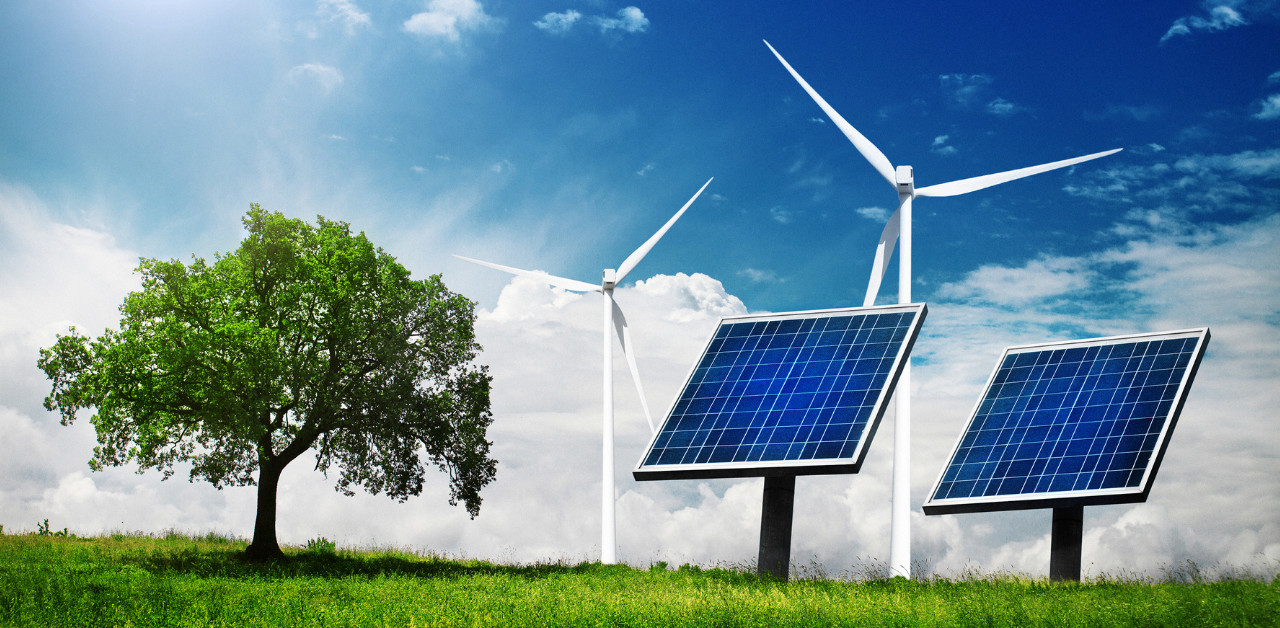
Between 2021 and 2024, the narrative shifted from simple generation to "firming"—the process of using battery storage to ensure a steady supply of power even when the sun is not shining or the wind is not blowing. This era has seen the rise of domestic battery systems and the integration of smart inverters, allowing households to function as "Virtual Power Plants" (VPPs) that support the national grid during peak demand.
Analyzing the Market Leaders: 5 Brands to Watch
As the market matures, five specific brands have distinguished themselves through technical innovation, reliability, and their ability to navigate the unique rigors of the Australian climate.
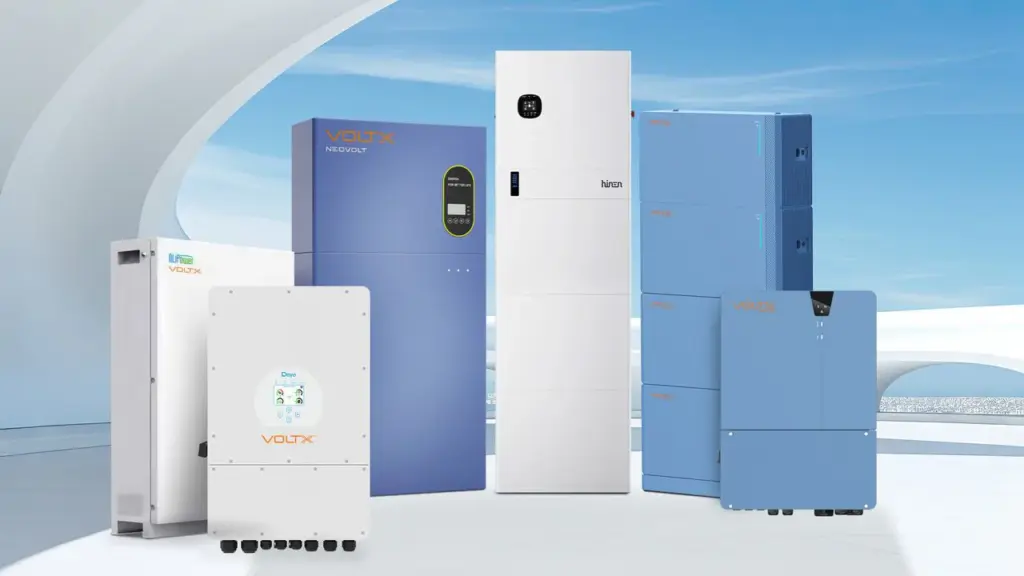
1. VoltX Energy: Local Focus and Reliability
VoltX Energy has emerged as a significant player by tailoring its products specifically to the Australian and New Zealand environments. Unlike some global brands that offer a one-size-fits-all solution, VoltX has focused on the specific needs of the Antipodean market, where extreme heat and high solar irradiance can degrade lesser equipment.
Their product range spans from entry-level solar batteries to sophisticated home energy management systems. The brand’s primary value proposition lies in the seamless integration of their storage units with existing solar infrastructure. This "retrofit-friendly" approach allows homeowners to add storage to older systems without the prohibitive cost of a total system overhaul. Furthermore, VoltX utilizes Lithium Iron Phosphate (LFP) chemistry, which is widely regarded by industry experts as a safer and more thermally stable alternative to traditional lithium-ion chemistries, a crucial factor in Australia’s fire-prone regions.
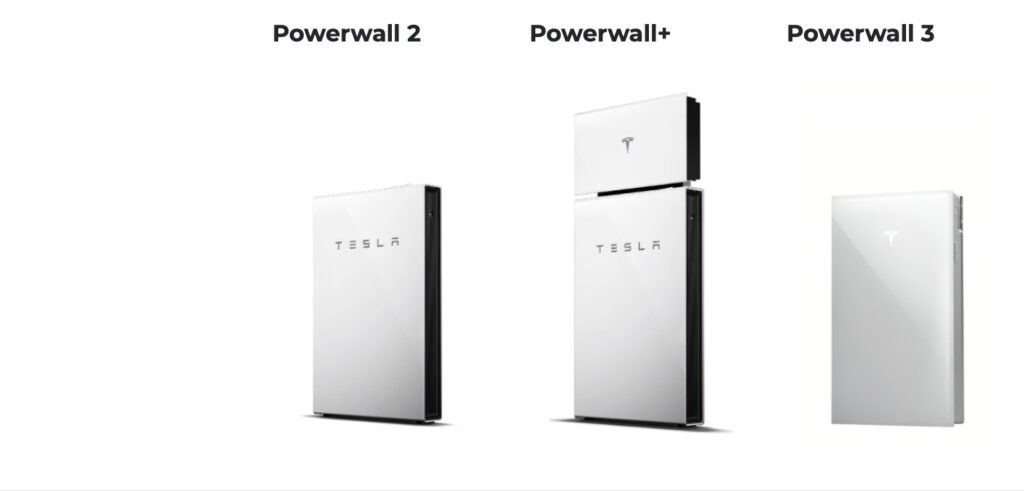
2. Tesla Energy: The Ecosystem Advantage
Tesla remains the most recognizable name in the clean energy sector, and its influence on the Australian market cannot be overstated. The introduction of the Powerwall 3 has further solidified its position. This latest iteration simplifies the installation process by combining a solar inverter and a battery into a single, high-efficiency unit.
Tesla’s strength lies in its broader technological ecosystem. By integrating home storage with electric vehicle (EV) charging and the Tesla app, the brand offers a level of software sophistication that few competitors can match. In Australia, Tesla has been a pioneer in Virtual Power Plant programs, where homeowners can opt to allow the grid operator to draw power from their Powerwall during emergencies in exchange for financial credits. While Tesla products carry a premium price tag, their long-term value is bolstered by constant over-the-air software updates that optimize battery performance over time.
3. SunPower: Efficiency and Longevity
In the solar panel segment, SunPower (and its manufacturing arm, Maxeon Solar Technologies) continues to set the benchmark for efficiency. Their proprietary Maxeon cell technology utilizes a solid copper foundation, which prevents the micro-cracking and corrosion that often plague standard panels.
For the average Australian homeowner, roof space is often a limiting factor. SunPower’s ability to generate more electricity per square meter than conventional panels makes them the preferred choice for high-density urban environments. Moreover, the brand offers some of the most comprehensive warranties in the industry—often covering both product and performance for up to 40 years. This long-term reliability is a significant factor for investors and homeowners looking to maximize their return on investment (ROI) over several decades.
4. Fronius: The Intelligence Behind the System
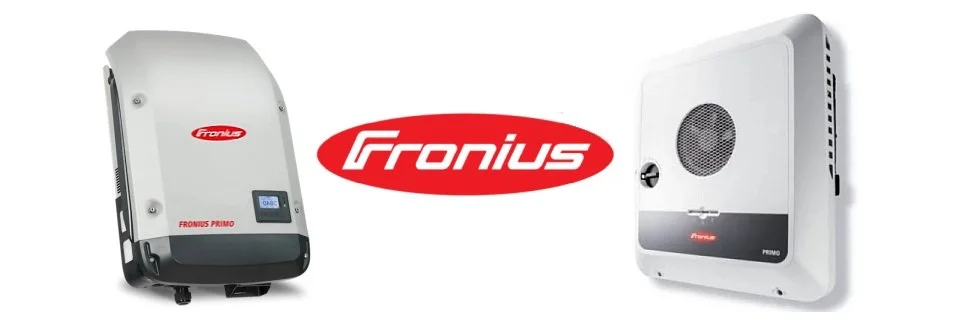
While solar panels and batteries receive the most consumer attention, the inverter is the critical "brain" of any renewable setup. Austrian manufacturer Fronius has earned a reputation for producing the most reliable and technically advanced inverters on the market.
Fronius inverters, particularly the Primo and Symo Gen24 Plus ranges, are celebrated for their "SnapINverter" design, which allows for easy servicing and upgrades. Their smart monitoring capabilities provide real-time data on energy production and consumption, allowing users to make informed decisions about their energy habits. Industry installers frequently recommend Fronius because of their high "uptime" and the brand’s robust support network within Australia, ensuring that any technical issues are resolved with minimal downtime.
5. BYD: Modular Innovation and Global Scale
Build Your Dreams (BYD) has leveraged its massive scale as a global leader in electric vehicle manufacturing to become a dominant force in home energy storage. Their "Battery-Box" range is characterized by a modular design, allowing households to start with a modest storage capacity and add "blocks" as their energy needs or budgets grow.
This scalability makes BYD an attractive option for first-time buyers who are cautious about the initial capital outlay. Like VoltX, BYD utilizes LFP chemistry, prioritizing safety and a long cycle life. As a vertically integrated company, BYD manages the entire supply chain from raw material processing to final assembly, which allows them to maintain competitive pricing without sacrificing the build quality required for the Australian market.
Supporting Data and Market Analysis
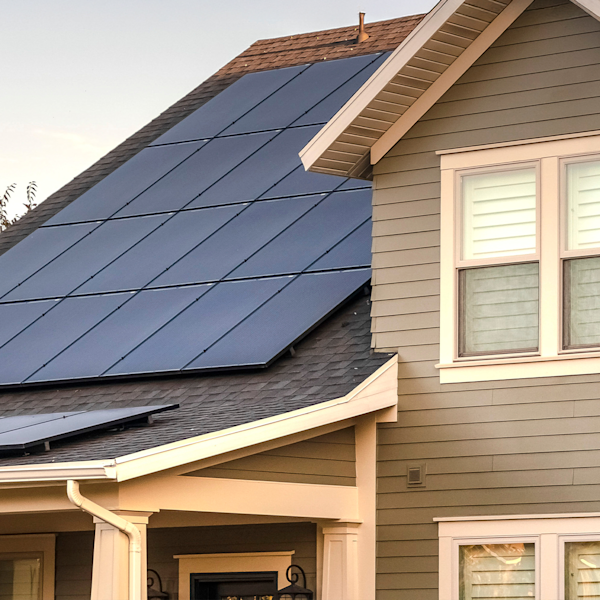
The growth of these brands is supported by staggering data from the Australian Energy Market Operator (AEMO). In recent quarters, rooftop solar has occasionally provided nearly 100% of the electricity demand in South Australia for short intervals. Nationally, the "duck curve"—a phenomenon where net power demand drops significantly during the day due to solar production—has forced grid operators to rethink energy distribution.
According to the International Energy Agency (IEA), the global shift toward renewables is accelerating faster than any previous energy transition in history. In Australia, the cost of solar-plus-storage systems has decreased by approximately 50% over the last seven years, while the efficiency of the hardware has increased by nearly 20%. This "pincer movement" of falling costs and rising performance has made clean energy the default choice for new home constructions across the country.
Official Responses and Industry Sentiment
The Clean Energy Council (CEC) has consistently advocated for more robust support for home battery installations to complement the nation’s world-leading rooftop solar uptake. In a recent industry briefing, CEC leadership noted that "the integration of household storage is no longer an optional luxury but a systemic necessity for grid stability."
Government officials have responded with initiatives like the "Rewiring the Nation" program, a $20 billion federal investment aimed at modernizing the electricity grid to handle the influx of renewable energy. State governments, such as Victoria’s Solar Homes Program and New South Wales’ Peak Demand Reduction Scheme, provide further evidence of the official commitment to these clean energy brands and the technologies they provide.
Broader Impact and Future Implications
The implications of this transition extend far beyond individual household savings. The rise of these clean energy brands is fostering a new "green economy" in Australia, creating thousands of jobs in installation, maintenance, and software development. Furthermore, as more households achieve energy independence, the national grid becomes more resilient against the impacts of extreme weather events and aging coal-fired infrastructure.
The next frontier for these brands will be the integration of "Vehicle-to-Grid" (V2G) technology, where the massive batteries in electric vehicles can be used to power homes or support the grid during peak times. Brands like Tesla and BYD are already positioning themselves to lead this space.
In conclusion, the Australian clean energy market is currently one of the most dynamic in the world. Whether through the localized expertise of VoltX, the ecosystem sophistication of Tesla, the high-efficiency hardware of SunPower, the technical precision of Fronius, or the modular flexibility of BYD, Australian consumers have access to a world-class suite of technologies. As the nation continues its march toward 2030 targets, these brands will remain at the forefront of a movement that is redefining the relationship between the consumer and the power grid. For those looking to invest in a sustainable future, the focus must remain on quality, long-term support, and the technical compatibility of these evolving systems.

