

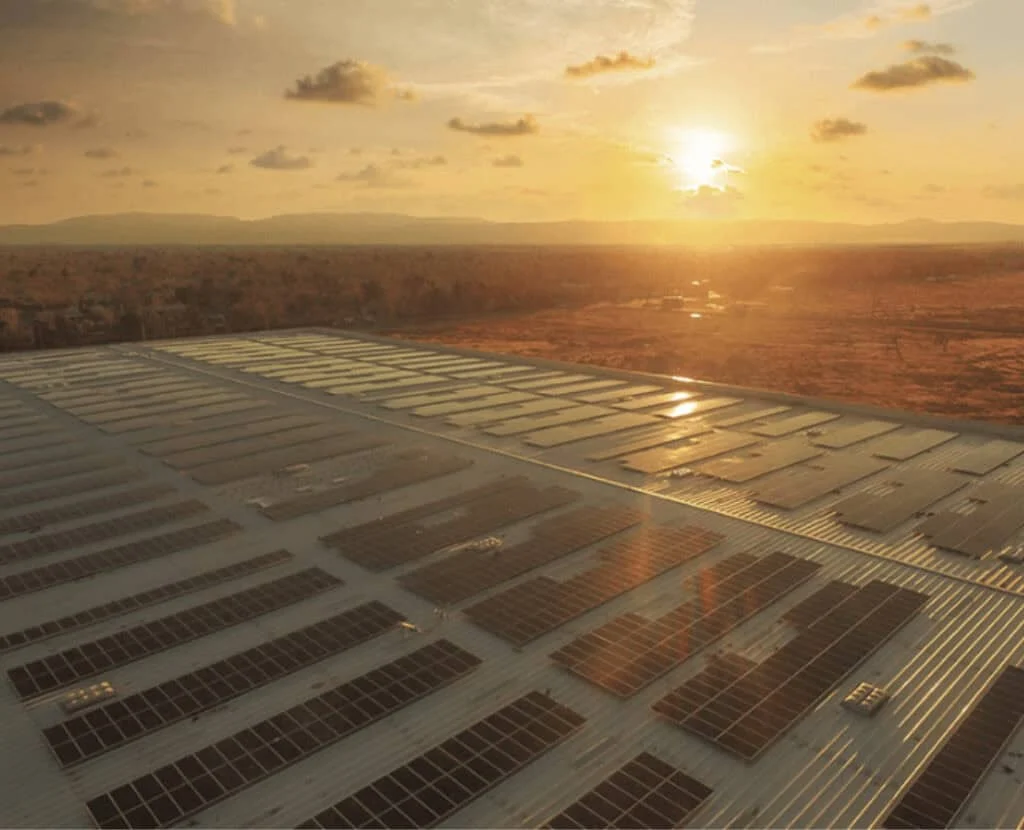
The Australian energy landscape is undergoing a monumental shift as renewable electricity generation on the continent has more than doubled over the last decade, marking a decisive turn toward a decarbonized future. According to the latest data from Australia’s Department of Climate Change, Energy, the Environment and Water, this rapid expansion is not merely a trend but a structural transformation of the national power grid. The Clean Energy Council’s 2026 Clean Energy Report further underscores this progress, revealing that over 40% of Australia’s total electricity is now derived from renewable sources, including biomass, solar, wind, and hydroelectric generation technologies. This milestone reflects a convergence of aggressive government policy, technological innovation, and a fundamental shift in consumer behavior driven by both environmental concerns and economic necessity.
As the nation moves toward its ambitious target of 82% renewable energy by 2030, the role of private enterprise has become paramount. Switching to renewable energy has transitioned from a niche environmentalist ideal into a pragmatic, money-saving strategy for millions of households. High energy prices and the increasing frequency of grid instability have catalyzed a surge in demand for domestic solar and storage solutions. For Australian residents, a sophisticated marketplace of clean energy brands has emerged, making renewable power more accessible, affordable, and reliable than ever before. This report examines five standout companies currently shaping the Australian clean energy sector through innovation in home energy storage and solar technology.
The Decade of Decarbonization: A Chronological Context
The current state of the Australian energy market is the result of a decade-long acceleration. In 2014, renewable energy accounted for approximately 15% of the nation’s electricity generation. Over the subsequent ten years, a combination of federal incentives, state-based rebate schemes, and the plummeting cost of photovoltaic (PV) hardware drove an unprecedented adoption of rooftop solar. Australia now leads the world in per-capita rooftop solar installations, with more than 3.6 million homes equipped with solar panels.
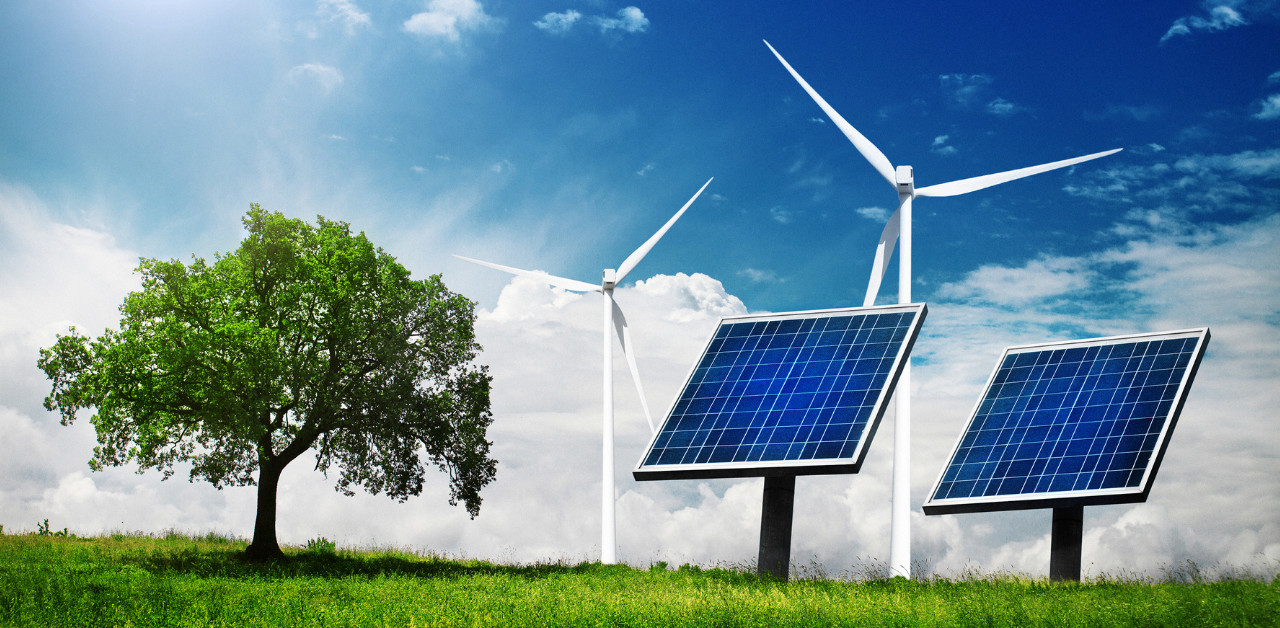
The transition reached a critical inflection point between 2020 and 2024, as the focus shifted from simple generation to integrated storage. The integration of battery systems became the "missing link" in the transition, allowing households to bridge the gap between daytime generation and nighttime consumption. By 2025, the market matured to a point where "smart" energy management—systems that automatically optimize battery usage based on weather forecasts and spot-price market data—became standard offerings. This chronological progression sets the stage for the current dominance of key brands that have successfully navigated these technological shifts.
1. VoltX Energy: Local Innovation and Accessibility
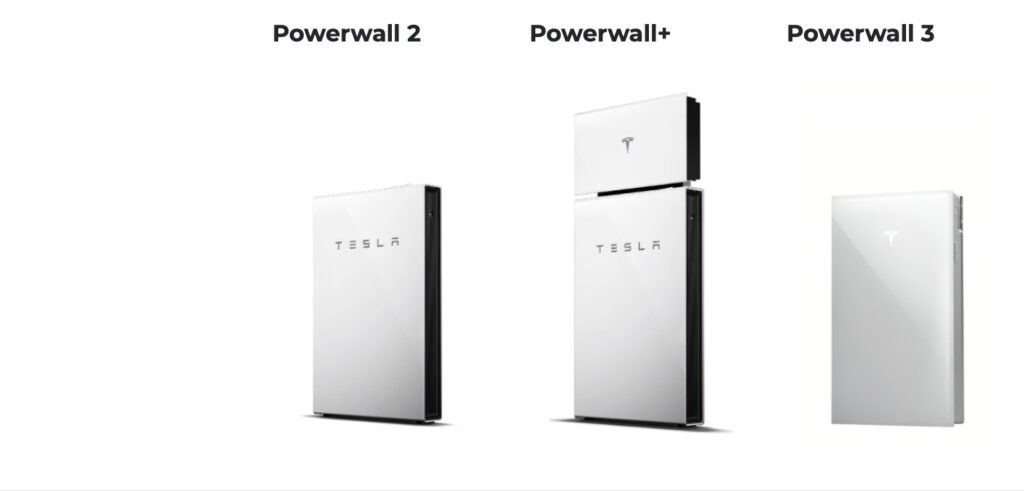
VoltX Energy has established itself as a cornerstone of the Australian and New Zealand markets by prioritizing reliability and user-centric design. Unlike many international conglomerates that offer "one-size-fits-all" global products, VoltX has tailored its high-performance home battery systems to meet the specific climatic and regulatory requirements of the Australasian region.
The company’s product range is strategically tiered, catering to a broad demographic. Their offerings span from entry-level solar batteries designed for budget-conscious families to sophisticated home energy management systems (HEMS) for high-usage households. A primary competitive advantage for VoltX is the seamless integration of their units with existing solar infrastructure. This "retro-fit" capability allows homeowners to augment their current PV setups with storage without requiring a costly and complex overhaul of their entire system. Industry analysts note that VoltX’s commitment to locally backed customer support has been a significant factor in its brand loyalty, providing a sense of security for consumers navigating a technically complex investment.
2. Tesla Energy: The Ecosystem Approach
Tesla Energy remains a dominant force in the Australian market, with its Powerwall series acting as a benchmark for the industry. The introduction of the Powerwall 3 has further solidified Tesla’s position by integrating a solar inverter directly into the battery unit. This consolidation simplifies the installation process, reduces the physical footprint of the system, and minimizes energy loss during the conversion process.
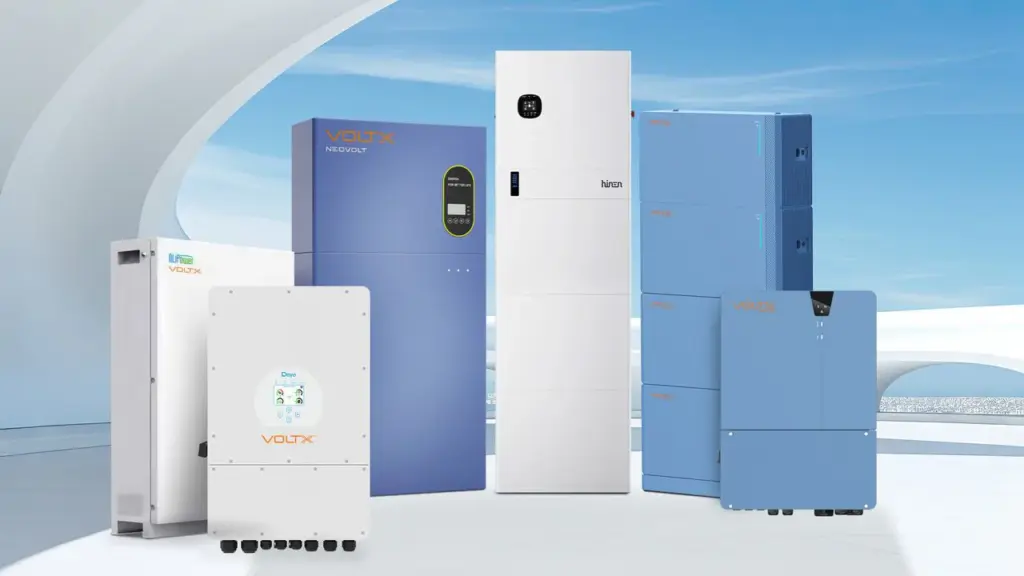
Tesla’s strength lies in its broader ecosystem. The Powerwall integrates flawlessly with the Tesla app, allowing users to monitor energy production and consumption in real-time, participate in Virtual Power Plants (VPPs), and coordinate charging with Tesla electric vehicles. While Tesla products typically command a premium price point, the company’s focus on software-driven efficiency often results in a lower total cost of ownership over the long term. By participating in VPP programs, Tesla owners in Australia can effectively "rent" their battery capacity back to the grid during peak demand periods, generating additional revenue that offsets the initial hardware cost.
3. SunPower: Efficiency and Longevity in Generation
While storage is critical, the efficiency of the generation source remains the foundation of any clean energy system. SunPower has consistently led the market in this regard, particularly through its Maxeon cell technology. In the Australian context, where roof space can be limited in urban environments, the ability to generate more power per square meter is a vital consideration.
SunPower’s panels are engineered for durability, designed to withstand the harsh UV radiation and extreme temperature fluctuations characteristic of the Australian climate. The company offers some of the longest warranties in the renewable sector, often extending up to 40 years for certain product lines. This longevity is a crucial factor for homeowners viewing solar as a multi-decade financial investment. Data indicates that SunPower panels maintain a higher percentage of their original efficiency over time compared to conventional panels, ensuring that the return on investment remains robust well into the second and third decades of use.
4. Fronius: The Intelligence of the Inverter
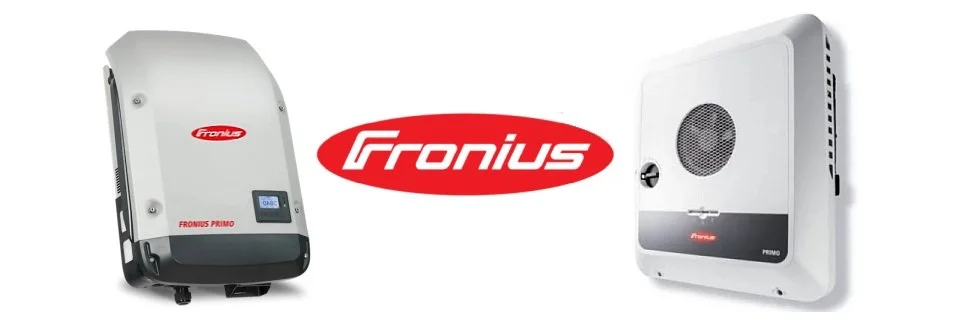
The Austrian manufacturer Fronius represents the "intelligence" of the solar system. While batteries and panels receive the most consumer attention, the inverter is the critical component that converts direct current (DC) from panels into the alternating current (AC) used by household appliances. Fronius has earned a reputation among Australian installers for producing the most reliable and technically advanced inverters on the market.
Fronius inverters, particularly the SnapINverter and Gen24 Plus series, are praised for their smart monitoring capabilities. These systems allow for detailed data analysis, helping users identify inefficiencies in their energy usage patterns. Furthermore, Fronius hardware is designed with a "serviceable" philosophy, meaning individual components can often be replaced or upgraded without discarding the entire unit. This approach aligns with the sustainability values of the clean energy movement and provides long-term peace of mind for consumers. Their systems are highly compatible with various battery brands, making them a versatile choice for custom-designed energy solutions.
5. BYD: Scalable Storage and Chemical Safety
BYD (Build Your Dreams) has leveraged its position as one of the world’s largest manufacturers of electric vehicle batteries to create a formidable line of home storage solutions. The BYD Battery-Box range is distinguished by its modularity. This design allows households to start with a modest storage capacity and add additional modules as their energy needs or budget grow.
A significant factor in BYD’s popularity in Australia is its use of Lithium Iron Phosphate (LFP) chemistry. LFP is widely regarded as a safer alternative to traditional cobalt-based lithium-ion chemistries, offering superior thermal stability and a longer cycle life. This makes BYD batteries particularly attractive for residential installations where safety is a primary concern. Positioned as a high-value, cost-effective alternative to premium western brands, BYD has successfully captured a significant portion of the "pragmatic" segment of the Australian market, offering high reliability without the luxury price tag.
Supporting Data and Economic Implications
The transition to these brands is being driven by a compelling economic narrative. According to the International Energy Agency (IEA), the global shift to renewables is accelerating faster than any previous energy transition in history. In Australia, this is evidenced by the declining Levelized Cost of Energy (LCOE) for solar and wind, which are now the cheapest forms of new-build electricity generation in the country.
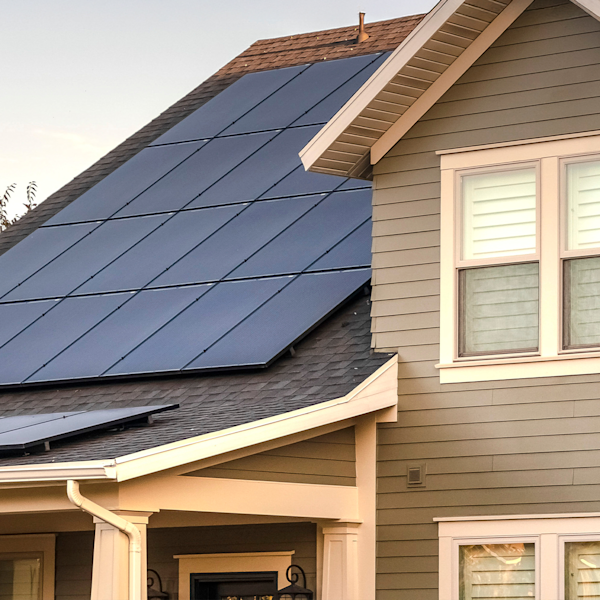
For the average Australian household, the financial benefits of adopting these technologies are multi-faceted. Beyond the immediate reduction in monthly power bills, the integration of solar and storage increases property value. Research from various real estate analytics firms suggests that homes with high-quality solar installations sell faster and at a premium compared to those without. Furthermore, as Australian states phase out fossil fuel subsidies and introduce time-of-use pricing, the ability to store energy for use during peak tariff periods (typically between 5:00 PM and 9:00 PM) has become the single most effective way to achieve energy independence.
Official Responses and Industry Outlook
The Clean Energy Council of Australia has praised the innovation shown by these brands, noting that "private sector innovation is the engine room of the energy transition." Government spokespeople from the Department of Climate Change and Energy have also highlighted the importance of consumer-led adoption in meeting national emissions targets. The consensus among industry experts is that the next five years will see an even deeper integration of these technologies into the "Internet of Things" (IoT), where home energy systems will communicate directly with the grid to balance supply and demand autonomously.
However, challenges remain. The rapid influx of distributed energy resources (DERs) like home batteries requires significant upgrades to the aging Australian grid infrastructure. Organizations like the Australian Energy Market Operator (AEMO) are currently working on "Project DASH" and other initiatives to ensure the grid can handle the two-way flow of electricity that these 5 clean energy brands facilitate.
Analysis of Broader Impacts
The rise of these brands signifies a democratization of energy. For over a century, power generation was a centralized, top-down utility. Today, the brands mentioned above are empowering individuals to become "prosumers"—both producers and consumers of energy. This shift has profound implications for national energy security, as a decentralized grid is inherently more resilient to large-scale failures or external shocks.
Furthermore, the growth of these companies in Australia has spurred a local jobs boom. From specialized electricians and system designers to customer support and logistics professionals, the clean energy sector is becoming a vital pillar of the Australian economy. As technology continues to mature and prices continue to fall, the barrier to entry for renewable adoption will disappear, making clean, self-generated power a standard feature of every Australian home.
In conclusion, the Australian clean energy market is currently defined by a high level of competition and technical excellence. Whether through the local expertise of VoltX, the integrated ecosystem of Tesla, the high-efficiency generation of SunPower, the technical precision of Fronius, or the modular safety of BYD, Australian consumers have access to world-leading technology. The transition to renewable energy is no longer a future prospect; it is a present reality, providing a pathway toward a more sustainable and economically secure nation.

