

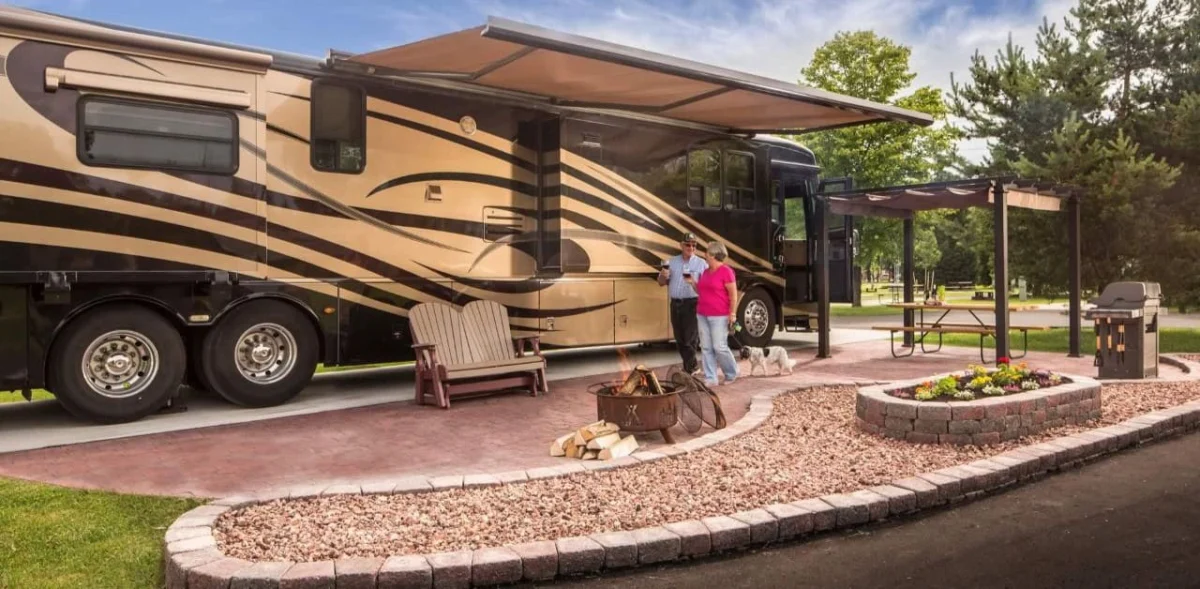
The transition from seasonal vacationing to semi-permanent winter residency requires a specialized infrastructure. Unlike short-term summer campers, winter snowbirds typically seek "full hookup" sites that offer consistent access to water, electricity, and sewer systems for durations ranging from one to five months. The following analysis examines seven premier campgrounds across the Southern United States that have established themselves as industry leaders in providing the amenities, community engagement, and geographic advantages necessary for a successful winter migration.
The Evolution of the Snowbird Infrastructure
Historically, the snowbird lifestyle was characterized by basic trailer parks with minimal amenities. However, the modern landscape has evolved into a multi-billion-dollar hospitality sector. Leading the charge in this professionalization is Kampgrounds of America (KOA), which has standardized the long-term camping experience. For the 2024-2025 winter season, the demand for sites in Arizona, Florida, Texas, and the Carolinas has surged, with many premium locations reporting near-capacity bookings as early as six months in advance.

Industry analysts note that the modern snowbird is no longer just looking for a place to park; they are seeking a lifestyle. This includes high-speed fiber-optic Wi-Fi for "work-from-camp" professionals, fitness centers, and organized social calendars that mitigate the isolation often associated with long-term travel.
1. Tucson KOA Resort: The Sonoran Desert Hub
Located in the heart of the Sonoran Desert, the Tucson KOA Resort serves as a primary destination for those seeking the dry, consistent heat of Southern Arizona. The facility is strategically positioned near Saguaro National Park and the Arizona-Sonora Desert Museum, offering residents immediate access to some of the most unique biodiversity in North America.
From a technical standpoint, the resort is designed for heavy-duty long-term stays. It features paved sites and "Deluxe Patios" that provide outdoor living spaces. The inclusion of two swimming pools and a 9-hole mini-golf course reflects the shift toward resort-style amenities. For the winter resident, the availability of the on-site Steak Rush Grill provides a necessary reprieve from the logistical challenges of daily meal preparation in an RV.

2. St. Petersburg/Madeira Beach KOA Holiday: Coastal Connectivity
Florida remains the most popular destination for winter migrants, but the St. Petersburg/Madeira Beach KOA Holiday offers a specific advantage: the intersection of coastal access and urban convenience. Situated along a mangrove-lined bayou, the campground provides a natural buffer while remaining minutes away from the Gulf of Mexico’s white-sand beaches.
A key feature for active seniors is the proximity to the Pinellas County Fitness Trail. This 38-mile paved corridor allows for safe, non-motorized transport throughout the county, a critical factor for long-term residents looking to maintain physical health. The facility also addresses the demographic’s social needs by maintaining an adult-only hot tub area and hosting a rotating schedule of community events designed to foster "park-wide" friendships.
3. South Padre Island KOA Holiday: Tropical Texas
For travelers seeking a more tropical environment without leaving the continental United States, South Padre Island, Texas, offers a unique microclimate. The South Padre Island KOA Holiday is positioned directly on the Laguna Madre Bay, an ecosystem renowned for its shallow, hypersaline waters which remain warmer than the open ocean during winter months.

The logistical appeal of this location is enhanced by the "The Island Metro," a free shuttle service that stops at the campground entrance. This allows long-term residents to reduce their reliance on towed vehicles for local errands and sightseeing. The facility’s boat ramp and watercraft rentals (Aqua-Cycles and kayaks) cater to a demographic that prioritizes aquatic recreation, particularly bird watching and fishing, which are staples of the South Padre winter economy.
4. Myrtle Beach KOA Resort: The Atlantic Gateway
South Carolina’s "Grand Strand" has traditionally been a summer destination, but the Myrtle Beach KOA Resort has successfully pivoted to capture the winter market. The site is characterized by its 40-year-old pine groves, which provide windbreaks and privacy—two factors often overlooked by novice snowbirds.
The facility connects to the Atlantic Ocean via the Withers Swash tidal basin, providing a quieter alternative to the high-rise dominated beachfronts. For the 2024 season, the resort has emphasized pet-friendly amenities, including the "Kamp K9" dog park, recognizing that a significant majority of long-term RVers travel with domestic animals. The proximity to the Myrtle Beach entertainment district ensures that residents have access to high-level medical facilities and diverse retail options, which are essential for stays exceeding 30 days.

5. Okeechobee KOA Resort: The Inland Sea
Inland Florida offers a different value proposition than the coast. The Okeechobee KOA Resort is centered around the lifestyle of freshwater angling and golf. Lake Okeechobee, the largest freshwater lake in Florida, is a global destination for bass fishing, and the resort’s proximity allows for daily excursions.
What distinguishes this location is its dedicated 9-hole golf course and driving range located within the campground boundaries. This integration of specialized sports facilities into the camping environment represents the high-end "resort" tier of the KOA system. The social infrastructure here is particularly robust, featuring a "Shanty Lounge" and a calendar of live concerts and themed parades, which are designed to create a "small-town" atmosphere for the seasonal population.
6. New Bern KOA Holiday: Historical and Climatic Balance
North Carolina’s Crystal Coast offers a "temperate" rather than "tropical" winter, appealing to snowbirds who prefer a four-season cycle without the extremes of the North. The New Bern KOA Holiday is situated on the Neuse River, providing a 250-foot private fishing pier.

New Bern, the state’s former colonial capital, offers a cultural depth that many modern resort towns lack. The ability to explore 18th-century architecture and historical sites like Tryon Palace provides a different form of engagement for the seasonal traveler. The facility maintains two swimming pools and a "jumping pillow," catering to the "Grandparent Demographic"—snowbirds who expect frequent visits from family members during the winter holidays.
7. Townsend/Great Smokies KOA Holiday: The Mountain Alternative
Departing from the traditional beach and desert models, the Townsend/Great Smokies KOA Holiday caters to the "mountain snowbird." Located on the "Peaceful Side of the Smokies," this Tennessee location offers a crisp, clear winter experience.
Economically, this site is highly competitive, offering monthly winter rates starting at approximately $1,000, which includes all utilities and fiber-optic Wi-Fi. This price point is significantly lower than comparable coastal resorts in Florida or California. The location provides immediate access to Cades Cove, one of the most popular wildlife viewing areas in the National Park System, which remains accessible throughout most of the winter. This site is ideal for the "solitude-seeking" snowbird who prioritizes hiking and nature photography over social clubhouses.

Economic and Social Implications of the Winter Migration
The movement of snowbirds is a critical economic driver for southern municipalities. A study by the University of Florida’s Institute of Food and Agricultural Sciences estimated that seasonal residents contribute billions to the state’s economy, supporting jobs in the service, healthcare, and retail sectors during what would otherwise be a "shoulder" season.
Furthermore, the social structure of these campgrounds addresses a growing public health concern: senior isolation. By providing structured environments where residents share common interests—whether it be pickleball, fishing, or RV maintenance—these facilities function as vital social networks.
Strategic Planning for the Seasonal Resident
As the popularity of the RV lifestyle continues to climb, industry experts advise a rigorous planning timeline. Most premium winter sites operate on a "loyalty" booking system, where returning residents have the first right of refusal for the following year. Newcomers are encouraged to:

- Audit Utility Needs: Ensure the vehicle’s heating and insulation systems are rated for the specific region’s nighttime lows.
- Confirm Connectivity: For those working remotely, verifying the strength of on-site Wi-Fi or cellular boosters is paramount.
- Evaluate Local Healthcare: For stays exceeding two months, proximity to specialized medical care remains a top priority for the senior demographic.
The 2024-2025 winter season is projected to be one of the busiest on record for the US camping industry. Whether it is the desert landscapes of Tucson or the historic riverbanks of North Carolina, these seven locations represent the gold standard in seasonal hospitality, offering a blueprint for how the industry is adapting to a more mobile, active, and community-oriented aging population.

