

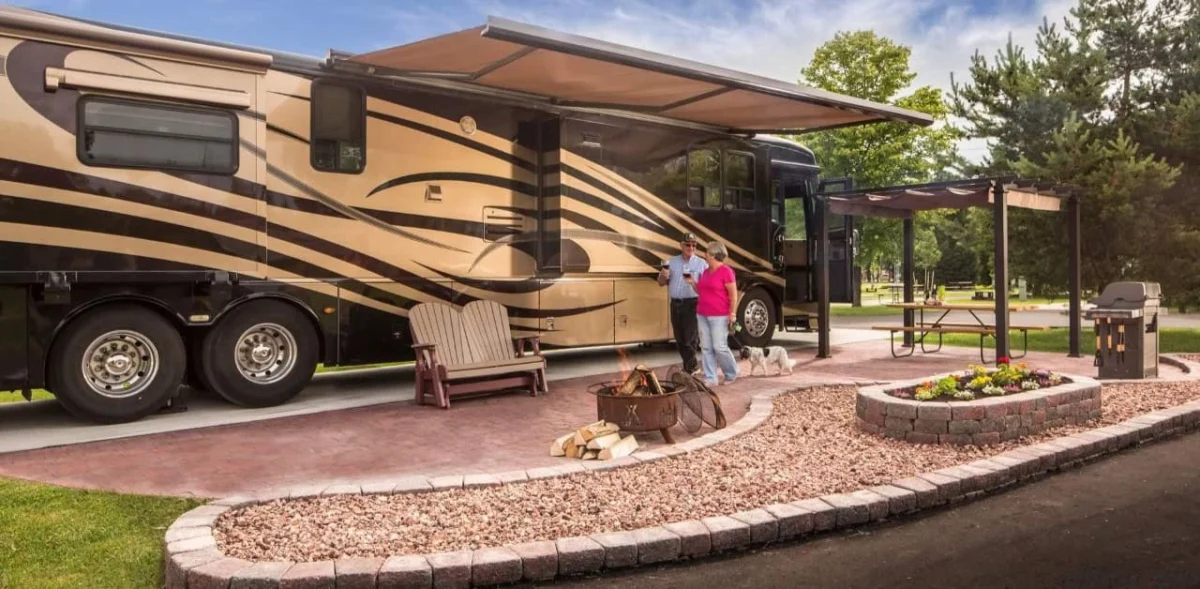
As the autumnal transition gives way to the harsh conditions of northern winters, a significant demographic shift is beginning across the North American continent. Millions of seasonal travelers, colloquially known as "snowbirds," are preparing for their annual migration from the frigid climates of Canada and the Northern United States to the temperate latitudes of the Sun Belt. This movement is no longer merely a niche retirement trend; it has evolved into a multi-billion-dollar pillar of the hospitality and outdoor recreation industries. According to data from the RV Industry Association (RVIA), the demand for long-term winter stays has surged by nearly 30% over the last five years, driven by a combination of aging Baby Boomers and a new generation of "digital nomads" who can maintain professional obligations while residing in mobile accommodations.
The success of a winter residency depends heavily on the selection of a "home base"—a campground or resort that offers more than just a parking space. For the 2024-2025 season, industry leaders such as Kampgrounds of America (KOA) have reported record-breaking early reservations, indicating that site availability is becoming a critical factor for travelers. Choosing the right destination requires an analysis of infrastructure, community engagement, and regional accessibility.

The Economic and Social Context of Winter Migration
The seasonal influx of snowbirds provides a vital economic stimulus to southern states, particularly Florida, Arizona, and Texas. In Florida alone, seasonal residents contribute an estimated $6.5 billion annually to the state’s economy. This demographic does not simply pass through; they settle for three to six months, utilizing local healthcare, retail, and recreational services.
To meet this demand, the modern campground has transitioned from basic utility to a resort-style experience. High-speed internet, full utility hookups (water, 50-amp electricity, and sewer), and robust social calendars are now considered standard requirements. This evolution reflects a broader trend in the "Silver Economy," where retirees prioritize active lifestyles and social connectivity.
A Chronology of the Snowbird Planning Cycle
The timeline for a successful winter migration begins long before the first frost. Industry analysts suggest a three-phase approach for seasonal travelers:

- The Preparation Phase (March – June): Experienced snowbirds typically secure their reservations for the following winter during the spring. Popular coastal and desert locations often reach 90% capacity six months in advance.
- The Logistics Phase (July – September): This period involves vehicle maintenance, insurance updates, and the arrangement of home-watch services for their primary northern residences.
- The Migration Phase (October – December): The physical move south generally occurs in waves. "Early birds" depart in October to avoid the first snows, while the majority move after the Thanksgiving holiday.
Comprehensive Analysis of Top-Tier Winter Destinations
The following seven locations have been identified by travel experts and hospitality data as the premier choices for winter stays, balancing regional charm with essential amenities.
1. Tucson KOA Resort, Arizona: The Desert Oasis
Tucson serves as a primary hub for those seeking a dry, arid climate. The Tucson KOA Resort distinguishes itself with its "PowerShade" structures—massive solar arrays that provide shade for RVs while generating renewable energy.
- Climate Advantage: With average winter highs of 65°F to 70°F, the region offers ideal conditions for outdoor activity without the humidity of the coast.
- Key Amenities: Two swimming pools, a 9-hole mini-golf course, and the on-site Steak Rush Grill.
- Regional Context: Proximity to Saguaro National Park and the Arizona-Sonora Desert Museum provides significant cultural and ecological value to residents.
2. St. Petersburg/Madeira Beach KOA Holiday, Florida: The Gulf Coast Anchor
Florida remains the most popular snowbird destination in the world. This specific location offers a rare combination of bayou access and proximity to Gulf of Mexico beaches.

- Infrastructure: The site is adjacent to the 38-mile Pinellas County Fitness Trail, a repurposed rail-to-trail project that serves as a major draw for cyclists and pedestrians.
- Social Dynamics: The resort features two hot tubs—one dedicated to adults—and a consistent schedule of "snowbird socials" designed to foster long-term friendships.
3. South Padre Island KOA Holiday, Texas: The Tropical Frontier
Located at the southernmost tip of Texas, South Padre Island offers a tropical climate comparable to the Caribbean.
- Water Recreation: The site overlooks the Laguna Madre Bay, providing immediate access for kayaking and boating.
- Modern Connectivity: As South Padre Island becomes a hub for aerospace interests (due to the proximity of the SpaceX Starbase), the area has seen significant upgrades in telecommunications infrastructure, benefiting remote workers.
4. Myrtle Beach KOA Resort, South Carolina: The Grand Strand Community
While cooler than Florida, Myrtle Beach offers a more temperate winter than the Mid-Atlantic, with the added benefit of lower seasonal rates.
- Legacy and Environment: This resort features 40-year-old pines, offering a natural forest setting within walking distance of the Atlantic Ocean.
- Community Focus: The Myrtle Beach location is known for its "Winter Resident" programs, which include organized outings to the city’s famous theaters and golf courses.
5. Okeechobee KOA Resort, Florida: The Inland Sportsman’s Retreat
For snowbirds who prioritize freshwater fishing and golf over beach lounging, Lake Okeechobee is the definitive choice.

- Scale and Scope: Often referred to as "The Big O," Lake Okeechobee is the largest freshwater lake in Florida. The resort itself functions as a small town, featuring a 9-hole golf course and a driving range.
- Event Programming: The resort is famous for its seasonal parades and live concerts, creating a high-energy environment for active seniors.
6. New Bern KOA Holiday, North Carolina: The Historic Riverfront
New Bern offers a choice for those who prefer "half-back" status—traveling halfway back north to avoid the extreme heat of the deep south while still escaping the northern freeze.
- Historical Significance: As the first capital of North Carolina, New Bern offers rich historical tourism, including the Tryon Palace.
- Amenities: A private 250-foot fishing pier on the Neuse River allows for quiet recreation away from the busier coastal hubs.
7. Townsend/Great Smokies KOA Holiday, Tennessee: The Mountain Retreat
For a subset of the snowbird population, winter is best enjoyed in the crisp air of the mountains rather than on a beach.
- The "Peaceful Side": Townsend is known as the quieter entrance to the Great Smoky Mountains National Park, avoiding the heavy traffic of Gatlinburg.
- Value Proposition: With monthly winter rates starting at approximately $1,000 including utilities, it represents one of the most cost-effective long-term stay options in the country.
Industry Perspectives and Future Implications
The shift toward long-term RV residency is forcing a reevaluation of land use and zoning in southern municipalities. In a statement regarding the growth of the industry, Toby O’Rourke, President and CEO of KOA, has previously noted that the "new camper" is more diverse and younger than in previous decades. This shift implies that campgrounds must now provide robust Wi-Fi capable of handling video conferencing and streaming, as well as amenities that cater to a wider age range.

Furthermore, the environmental impact of this migration is under scrutiny. As millions of large vehicles travel thousands of miles, there is an increasing push for "Green Camping." Facilities like the Tucson KOA’s solar shades are a direct response to this, signaling a future where the snowbird lifestyle must balance leisure with sustainability.
Broader Impact on Local Communities
While the economic benefits are clear, the "snowbird effect" also places a seasonal strain on local infrastructure. Healthcare systems in regions like Florida’s Gulf Coast must scale up operations during the winter months to accommodate the temporary population increase. Conversely, local businesses that might otherwise struggle in the "off-season" find a reliable customer base in the RV community.
The trend of winter migration is also influencing real estate. As the cost of traditional southern homes rises, the "luxury RV" market has become a viable alternative for those seeking a semi-permanent winter residence without the property taxes and maintenance of a second fixed home.

Conclusion: The Strategic Value of Early Planning
The 2024-2025 winter season is projected to be one of the busiest on record for southern campgrounds. For the seasonal traveler, the transition from a cold-climate survivalist to a warm-weather vacationer is a matter of strategic planning. By selecting locations that offer a blend of reliable infrastructure, social engagement, and regional activity, snowbirds can ensure that their winter migration is not just a change in geography, but a significant enhancement in quality of life. As the industry continues to evolve, those who book early and research thoroughly will remain the primary beneficiaries of this enduring North American tradition.

