

The issue of weight bias and discrimination is a critical and often troubling subject that may be sensitive for some readers.
The intricate relationship between stress, weight, and societal perception has long been a subject of scientific inquiry. While periods of total fasting are known to significantly elevate cortisol, a key stress hormone, even doubling levels within five days, the act of dieting alone does not appear to have the same effect. However, a compelling and concerning pathway exists where stress and obesity can become intertwined in a vicious cycle: weight stigma.
The Vicious Cycle: Stigma as a Catalyst for Obesity
Research tracking thousands of individuals over a four-year period has revealed a stark correlation between experiencing weight-based discrimination and the likelihood of developing obesity. Those who reported discriminatory encounters were more than twice as likely to become obese. Even more profoundly, individuals who were already obese faced over three times the odds of remaining so if they had experienced discrimination, compared to their counterparts of similar initial weight who did not face such prejudice. This phenomenon can be attributed to a dual mechanism: stress-induced overeating, a common response to emotional distress, and the avoidance of physical activity due to the fear of judgment and embarrassment associated with weight stigma.
Fear of Judgment: A Barrier to Physical Activity
Individuals who experience weight stigma frequently report a significant avoidance of exercising in public spaces. The pervasive feeling of being judged and the associated embarrassment create a powerful deterrent. These "too fat to exercise" fears, while deeply personal, are often well-grounded in reality. Studies have documented significant anti-fat biases within the fitness industry itself, including among fitness professionals and regular gym-goers. This can translate into an unwelcoming and even hostile environment within fitness centers and health clubs, further exacerbating the problem. The implications are clear: perceived or actual judgment can actively discourage individuals from engaging in essential physical activity, thereby contributing to weight gain or hindering weight management efforts.
Health Ramifications Beyond Weight
The detrimental effects of weight stigma extend far beyond the caloric equation. Individuals who endure weight-based discrimination often suffer from a range of health consequences that are independent of any changes in their body weight. Research indicates a higher prevalence of depression, elevated levels of inflammation, increased oxidative stress, and a shorter lifespan among those who report frequent experiences with weight-based discrimination. Two substantial studies, collectively following nearly 20,000 people, identified approximately a 50% increase in mortality risk for individuals reporting greater daily discrimination. This strongly suggests that weight discrimination itself may be a direct contributor to a reduced life expectancy, underscoring the severity of the issue.

The Controversial Debate: Stigmatization as a Public Health Tool?
Despite the mounting evidence of harm, some scholars have controversially advocated for the use of increased "fat-shaming" as a public health strategy. A prominent figure, the President Emeritus of the Hastings Center, has argued for a form of "stigmatization lite," employing social pressures to encourage weight loss without resorting to outright discrimination. The rationale behind this perspective often draws parallels to successful public health campaigns against tobacco. It is argued that such social pressures, akin to those that transformed cigarette smoking from a perceived bad habit into reprehensible behavior, could potentially counteract the immense advertising power of the food and beverage industries. This argument is supported by personal anecdotes, where social shame was as persuasive as health threats in motivating behavioral change.
The Unintended Consequences of Stigmatizing Campaigns
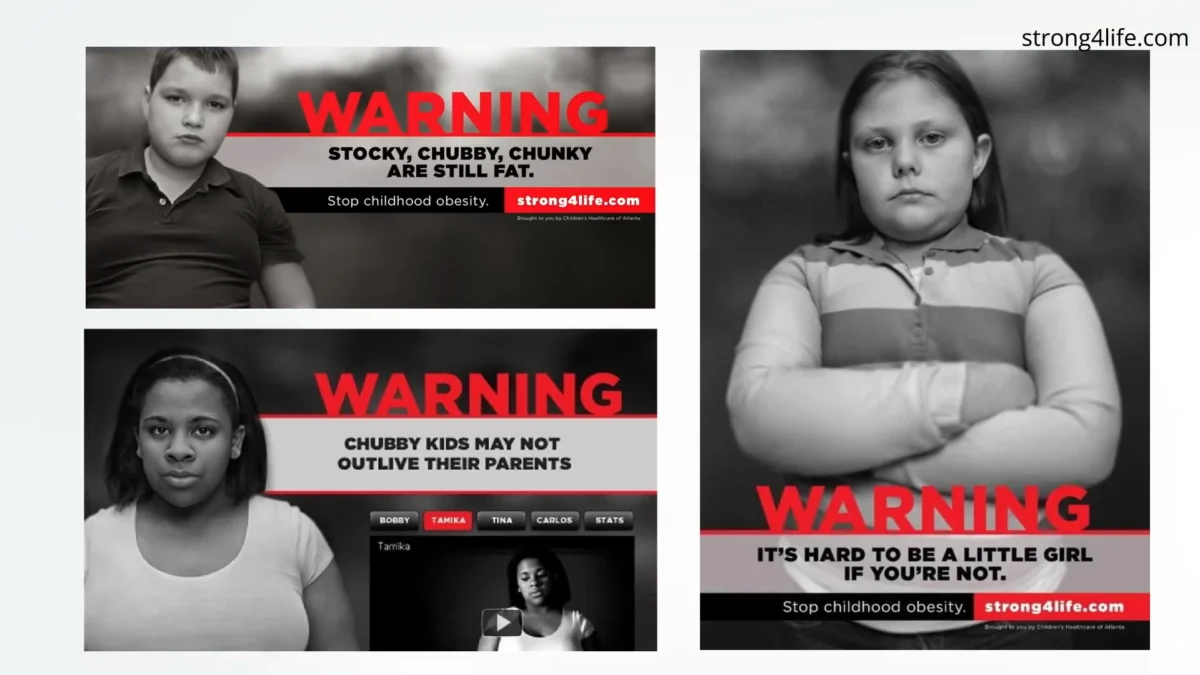
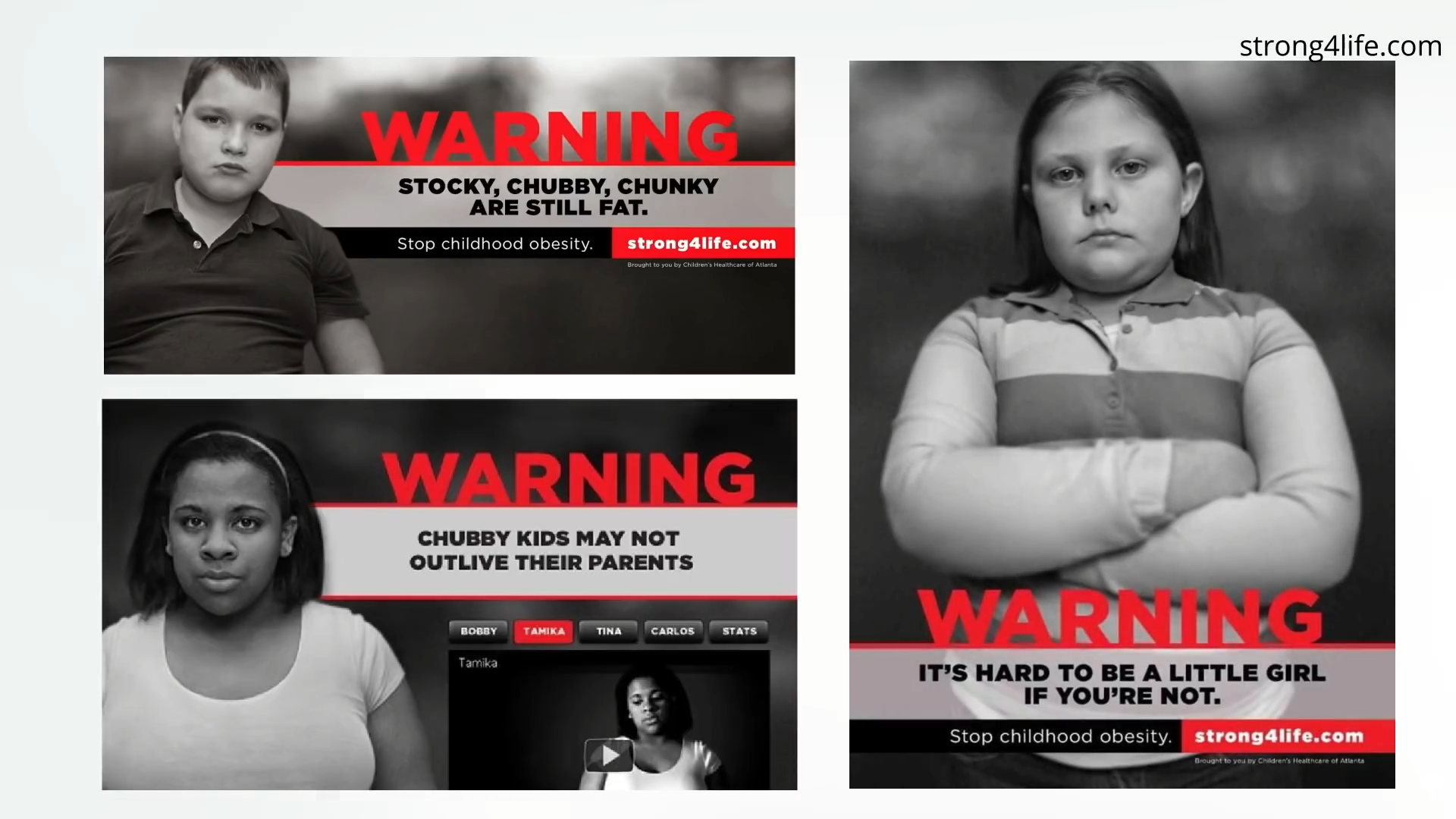
However, historical attempts to implement such stigmatizing campaigns have been met with significant resistance and have raised serious ethical and practical concerns. The "Strong4Life" campaign in Georgia, for instance, featured billboards with emotionally charged messages and stark imagery of obese children, such as "Warning: Chubby kids may not outlive their parents" and "It’s hard to be a little girl if you’re not." While the campaign sponsors defended these tactics as necessary to break through denial in a state with high childhood obesity rates, their effectiveness remains a subject of intense debate.
Empirical Evidence: Stigma Provokes, Not Motivates
Crucially, empirical research has directly challenged the notion that pressure to lose weight through stigma has a positive or motivating effect. A study conducted by Yale researchers provided normal-weight women with snacks after viewing either stigmatizing or neutral video clips. The results showed no significant difference in their snacking habits, regardless of the video content. However, when overweight women were exposed to the same stigmatizing clips, their calorie intake tripled compared to when they watched neutral material. This finding directly contradicts the hypothesis that public shaming serves as a catalyst for healthy behavior change. Instead, it suggests that weight stigma can, in fact, exacerbate unhealthy eating patterns. The researchers concluded that "this directly challenges the notion that pressure to lose weight in the form of weight stigma will have a positive, motivating effect on overweight individuals," implying that such approaches can worsen the problem.
The Long Shadow of Childhood Stigma
The impact of weight stigma can be traced back to childhood. Children labeled as "too fat" are found to have a higher risk of becoming obese later in life, even when compared to peers of the same weight who were not subjected to such labels. This highlights the profound and lasting psychological and behavioral consequences of early stigmatization.
Navigating the Complexities: Physician Awareness and Patient Communication
The reluctance of healthcare professionals to address weight concerns with patients is another facet of this complex issue. Studies have shown that physicians, much like veterinarians hesitant to discuss pet obesity, often shy away from discussing weight with their patients. Fewer than a quarter of parents of overweight children report being informed by pediatricians about their child’s weight status. This reluctance may stem from a variety of factors, including a lack of effective strategies, time constraints, or even a subconscious avoidance of potentially uncomfortable conversations.
Interestingly, while parents may be poor judges of their children’s weight, and the general public exhibits a "mass delusion" about rising obesity rates, individuals who are directly informed by their doctor about their weight status are significantly more likely to attempt and succeed in losing weight. This suggests that informed communication, delivered empathetically, can be a powerful motivator.
The parallel between overweight physicians and their reluctance to address patient weight with smoking physicians avoiding challenging their smoking patients is notable. An unexpected finding is that overweight patients often express greater trust in diet advice from overweight doctors compared to their normal-weight counterparts. This could be attributed to perceived shared experience or a sense of relatability. However, a significant gap exists in the practical advice provided by primary care physicians, with many admitting to offering little specific guidance beyond general recommendations like "watch what you eat." Reimbursement structures and a lack of targeted training may contribute to this deficit.
The Lived Experience: A Stark Reality of Obesity
To truly grasp the profound impact of living with obesity, researchers have conducted interviews with individuals who have successfully lost and maintained significant weight loss. These individuals, having personally experienced the challenges of morbid obesity and subsequently shed an average of 126 pounds, offer invaluable insights. In a particularly striking study, 47 formerly obese individuals were presented with a hypothetical scenario: choose between receiving millions of dollars and remaining morbidly obese forever, or remaining normal weight. An overwhelming 46 out of 47 participants unequivocally chose to be normal weight, stating they would have made the decision in "one second." No one opted to remain morbidly obese, even for a substantial financial reward.
Obesity as the Ultimate Handicap: A Comparative Perspective
The study further explored how participants perceived obesity in comparison to other disabilities. Typically, individuals tend to prefer their existing conditions over switching to new ones due to the safety of familiarity. However, the formerly obese individuals in this study exhibited the exact opposite preference. Every single participant stated they would rather be deaf, dyslexic, diabetic, suffer from severe acne or heart disease for the rest of their lives than be obese. More than 90% expressed a preference for a leg amputation or severe visual impairment over continued obesity. This highlights obesity as a unique and profoundly debilitating handicap, where individuals express an almost universal desire to switch to virtually any other condition. The poignant quote, "When you’re blind, people want to help you. No one wants to help you when you’re fat," encapsulates the stark social isolation and lack of support often experienced by individuals living with obesity.
This comprehensive examination of weight stigma reveals a complex interplay of societal attitudes, psychological responses, and physiological consequences. It underscores the urgent need for empathetic, evidence-based approaches to weight management that prioritize support and understanding over judgment and shame.
This article draws upon research previously published in "How Not to Diet" by Dr. Michael Greger and related articles on nutritionfacts.org.

