

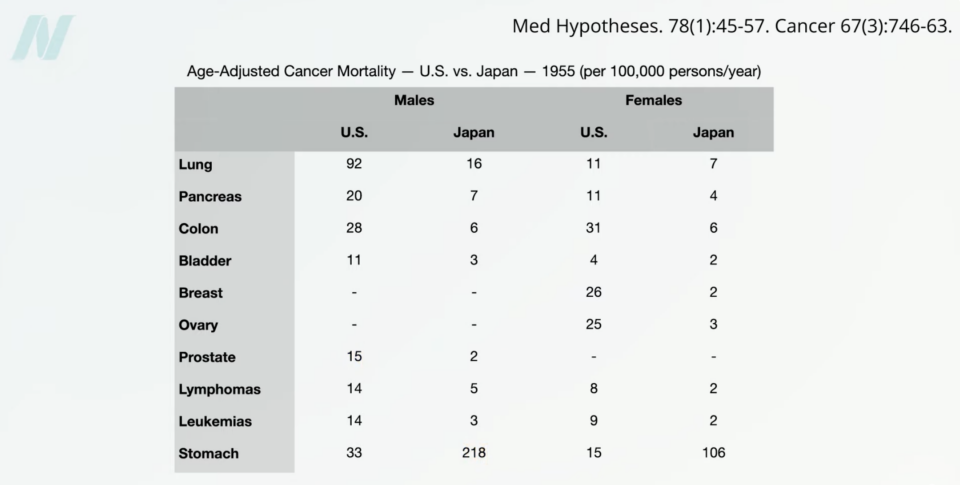
For decades, Japan has stood as a beacon of longevity, boasting the world’s longest life expectancy while maintaining remarkably low healthcare expenditures compared to other high-income nations. This exceptional health profile has, in large part, been attributed to the distinctive Japanese dietary patterns, which are widely believed to contribute to their notably low rates of coronary artery disease. Historically, Japan has also presented among the lowest incidences of several major cancers, including colon, breast, ovarian, prostate, bladder, and blood cancers. However, this impressive health record harbors a stark paradox: Japan also exhibits one of the highest rates of stomach cancer globally. This anomaly, often referred to as the "Achilles’ heel" of otherwise healthy Asian diets, has prompted extensive scientific inquiry into the underlying causes.
The Paradox of Japanese Health: Longevity and Stomach Cancer
The contrast is striking. While Japanese men have historically experienced significantly lower rates of prostate cancer compared to their American counterparts – as much as seven times less – they face a disproportionately higher risk of stomach cancer, with rates six times greater than in the United States. This divergence raises a critical question: what dietary or environmental factors, seemingly innocuous within a generally healthy diet, could be driving this specific cancer epidemic?
Early Hypotheses and Their Limitations
In the 1970s, an early hypothesis emerged suggesting that the talc used to polish white rice, imparting a glossy sheen, might be a contributing factor. This theory gained traction due to its potential link to ovarian cancer, a condition that led to substantial legal repercussions for manufacturers of talcum powder products. However, this explanation did not adequately account for the elevated stomach cancer rates in Japan.
The possibility of genetic predisposition was also explored. Yet, studies on Japanese migrants and their descendants have provided compelling evidence against this notion. As these populations adopted Westernized diets and lifestyles in new environments, their stomach cancer rates declined in tandem, strongly suggesting that environmental and dietary factors, rather than immutable genetic traits, play a more significant role.
The Dominant Role of Helicobacter pylori
The scientific consensus has largely converged on Helicobacter pylori (H. pylori) as a primary etiological agent for stomach cancer. This bacterium, which colonizes the lining of the stomach, induces chronic inflammation that can, over time, lead to the development of cancerous lesions. The World Health Organization’s International Agency for Research on Cancer (IARC) classifies H. pylori infection as a Group 1 carcinogen, signifying the highest level of certainty that it causes cancer in humans.
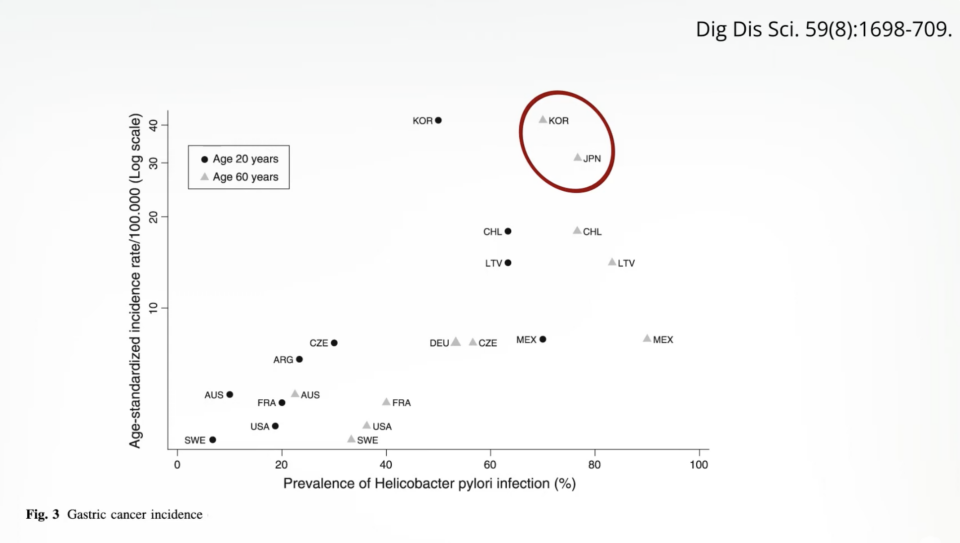
Countries like South Korea and Japan, which exhibit high stomach cancer prevalence, also report among the highest incidence rates of H. pylori infection. Data from systematic reviews illustrate this correlation, with global prevalence maps indicating higher infection rates in East Asian populations. This correlation appeared, for a time, to offer a definitive explanation for the observed disparities in stomach cancer incidence.
The "African" and "Indian" Enigmas: Challenging the H. pylori Monocausality
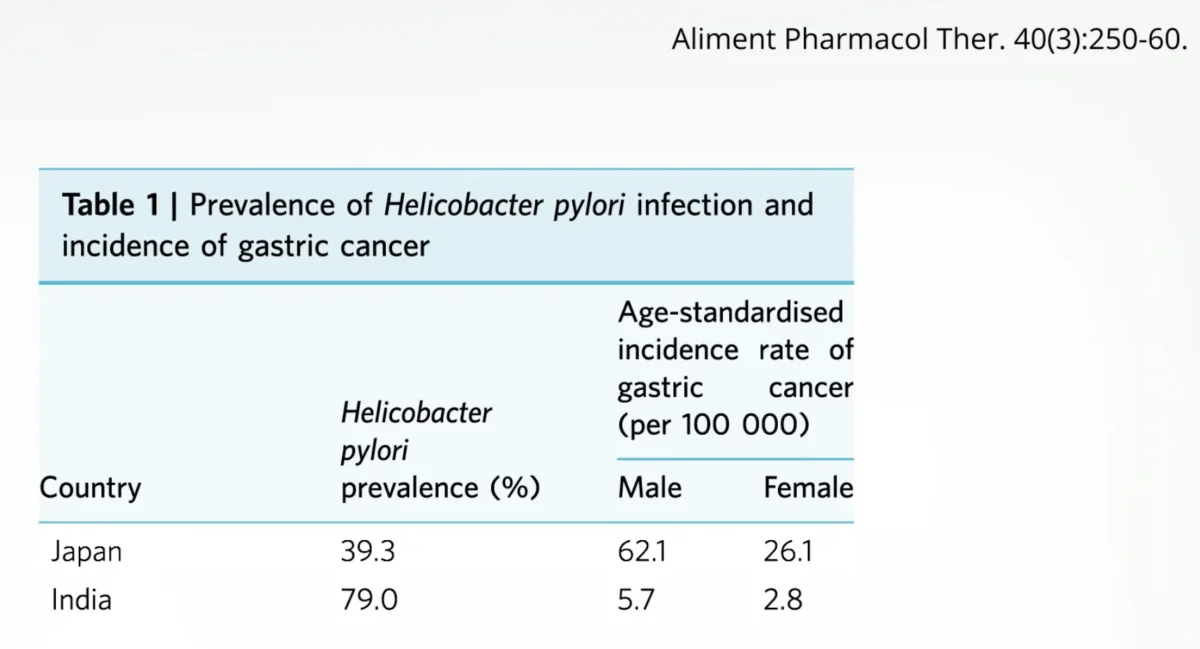
However, the narrative surrounding H. pylori and stomach cancer became more complex with the emergence of what have been termed the "African enigma" and the "Indian enigma." In stark contrast to the East Asian pattern, countries like Nigeria, despite exhibiting even higher rates of H. pylori infection, reported only a fraction of Japan’s stomach cancer rates. Similarly, India, with a prevalence of H. pylori infection reportedly twice that of Japan, experienced stomach cancer rates approximately ten times lower.
These geographical discrepancies strongly indicated that H. pylori infection alone could not fully explain the epidemic of stomach cancer observed in certain populations. While the bacterium undeniably initiates a critical inflammatory cascade, it became clear that other co-factors must be at play, particularly within the diets of high-incidence regions. The prevailing hypothesis shifted towards the idea that H. pylori might create a susceptible environment in the stomach lining, making it more vulnerable to dietary carcinogens.
Identifying Dietary Culprits: Preserved, Salted Foods and Their Impact
Further research began to focus on dietary components that might interact with H. pylori-induced inflammation to promote cancer development. Comparative studies analyzing dietary patterns in Asian populations with similar H. pylori infection rates but vastly different stomach cancer outcomes pointed towards preserved and salted foods as significant contributors. Both salted fish and salted vegetables emerged as potential culprits. Conversely, diets rich in fresh vegetables and fruits were associated with a substantial reduction in stomach cancer risk, with some studies reporting an 85% decrease in odds. The consumption of fresh fish, however, did not appear to have a significant impact, either positive or negative, on stomach cancer rates.
A comprehensive review of 60 studies confirmed a significant association between the consumption of pickled foods and elevated rates of stomach cancer. This link was particularly pronounced in Korea, where per capita consumption of salt-fermented vegetables, such as kimchi, is substantially higher – five to eight times greater than in Japan. While kimchi is a staple in both cuisines, its preparation and consumption intensity in Korea likely contribute to this differential risk.
The Cellular Impact of Pickled Foods and Salt
Experimental evidence has begun to illuminate the mechanisms by which these preserved foods might contribute to cancer. Extracts from pickled vegetables have demonstrated the ability to induce DNA damage in cellular studies conducted in petri dishes. To investigate this effect in humans, researchers in Vancouver conducted a study where participants consumed large quantities of pickled vegetables, such as fukujinzuke (a mix of vegetables pickled in soy sauce) or pickled cucumbers, over a three-day period. Biopsies of the stomach lining, taken before and after the consumption of pickled foods, revealed significant tissue abnormalities, indicative of irritation and damage, in contrast to biopsies taken after the consumption of fresh carrots or cucumbers.
Salt itself, while not classified as a direct carcinogen, is understood to play a multifaceted role in stomach cancer development. High salt intake can damage the stomach lining, reduce the effectiveness of the protective mucus layer, facilitate the colonization of H. pylori, and enhance the penetration of dietary carcinogens. Furthermore, salt may promote the formation of carcinogenic compounds within the stomach. Even moderately high salt consumption has been linked to a significantly increased risk of stomach cancer. In Japan, this effect appears to be exacerbated in individuals already suffering from H. pylori-induced inflammation, suggesting a synergistic detrimental impact.
Protective Factors: The Role of Fresh Produce and Soy Foods
In contrast to the risks associated with preserved and salted foods, the consumption of fresh produce has emerged as a powerful protective factor. The widespread consumption of non-fermented soy products, such as tofu, edamame, and soymilk, has been associated with a lower risk of stomach cancer in Japan. This protective effect is largely attributed to the presence of isoflavones in soybeans, which possess potent anti-inflammatory and antioxidant properties. These compounds may help to mitigate the damage and inflammation caused by H. pylori and other dietary insults. Interestingly, fermented soy foods, even those with high salt content like miso, have not shown the same protective association, suggesting that the processing method and salt content can override the benefits of the soy itself.
The Ongoing Quest for Natural Solutions
While H. pylori infection is typically managed with a regimen of multiple antibiotics, the scientific community is increasingly exploring natural dietary interventions to combat this bacterium and reduce the risk of stomach cancer. The question of whether H. pylori can be eradicated or its detrimental effects neutralized through diet alone remains an active area of research. Future investigations are poised to delve deeper into the specific dietary components and strategies that could offer a natural defense against this prevalent infection and its associated cancer risk.
The journey to unravel the complexities of stomach cancer in East Asia highlights the intricate interplay between infectious agents, dietary habits, and individual susceptibility. While H. pylori remains a critical factor, the "Achilles’ heel" of these otherwise healthy diets appears to lie in the consumption of certain preserved and salted foods, which, in the presence of H. pylori, can significantly elevate the risk of stomach cancer. Conversely, the embrace of fresh produce and specific non-fermented soy products offers a potent countermeasure, underscoring the profound impact of dietary choices on long-term health outcomes.
Doctor’s Note:
The preceding analysis sets the stage for a deeper exploration of dietary strategies for combating H. pylori. The subsequent blog post, "The Best Foods to Fight H. Pylori," will delve into specific foods and nutritional approaches that may offer a natural defense.
For readers interested in the broader context of talcum powder and its health implications, the video "Talcum Powder and Fibroids" provides further details.
Discussions regarding Japan’s stomach cancer rates have also touched upon broader dietary patterns, as explored in "Vegetarians and Stroke Risk Factors: Saturated Fat." Furthermore, the article "Is Miso Healthy?" offers additional insights into the impact of salt consumption on cancer risk.

