

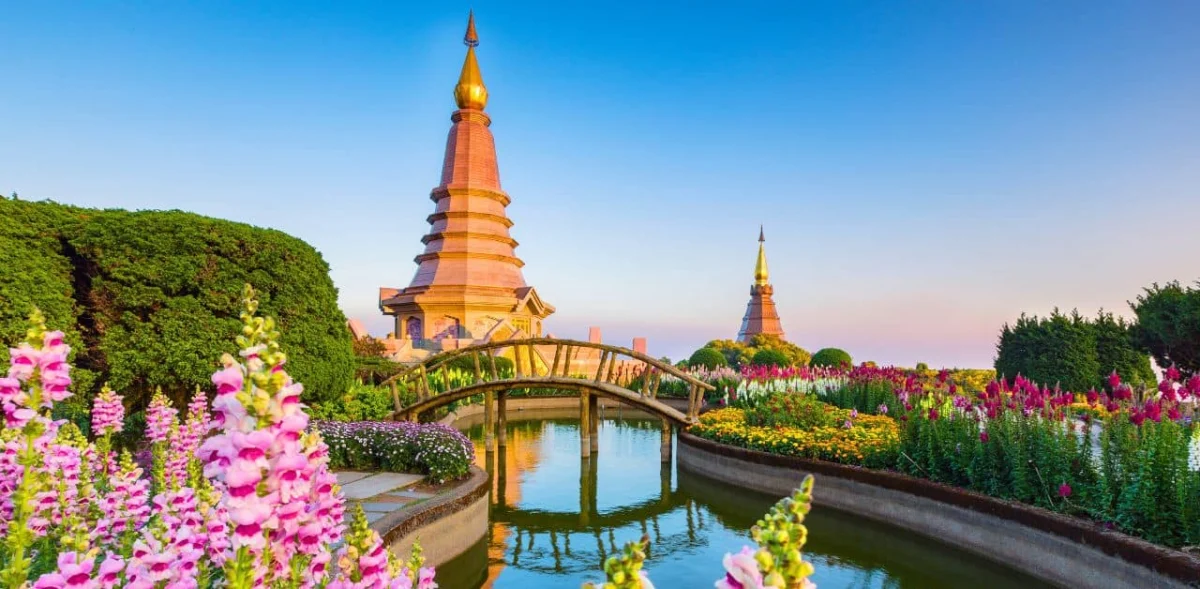
Thailand remains one of the most significant hubs for international tourism in Southeast Asia, attracting millions of visitors annually with its diverse offerings of historical landmarks, mountainous terrain, and coastal ecosystems. According to data from the Ministry of Tourism and Sports, Thailand welcomed over 28 million international arrivals in 2023, signaling a robust recovery of its travel sector. As the industry evolves, there is a growing shift among travelers toward high-end, comfortable, and "slow" tourism—a departure from the rapid, multi-city itineraries of the past. This transition emphasizes a deeper engagement with local culture while maintaining a high standard of logistical ease and personal well-being.
To navigate the complexities of a country with such varied geography and climate, industry experts suggest a strategic approach to planning. By prioritizing seasonal timing, professional logistical support, and cultural literacy, travelers can mitigate the stresses of international transit and maximize the quality of their experience.

Strategic Chronology: Planning for Seasonal Variability
The geographical layout of Thailand, extending from the northern highlands to the southern Malay Peninsula, results in distinct microclimates that significantly impact the travel experience. A primary factor in ensuring comfort is aligning the visit with the "cool season," which typically spans from November to February. During this period, most regions experience lower humidity and moderate temperatures ranging from 18°C to 30°C (64°F to 86°F), making it the optimal window for outdoor exploration and urban sightseeing.
However, a detailed analysis of regional weather patterns reveals a more nuanced timeline:
- Northern and Central Thailand: The cool season is most pronounced here. From March to May, temperatures often exceed 40°C (104°F), which can be prohibitive for those unaccustomed to extreme heat.
- The Gulf Coast (Koh Samui, Koh Phangan): This region experiences its heaviest rainfall from October to December.
- The Andaman Coast (Phuket, Krabi): The monsoon season typically occurs from May to October, often resulting in rough seas and restricted maritime access to national parks.
Experts advocate for a "slow travel" methodology, which involves spending more time in fewer locations. Data suggests that travelers who stay in a single province for four or more days report higher satisfaction levels than those who attempt to visit three or more provinces within a single week. This approach allows for the discovery of localized markets and heritage sites that are often overlooked by standard tour operators.

Professional Logistical Management and Bespoke Itineraries
The complexity of coordinating domestic flights, luxury accommodations, and private tours has led to an increased demand for specialized travel consultants. Firms such as Black Tomato have pioneered high-touch service models in Thailand, offering "end-to-end" management that removes the administrative burden from the traveler.
The benefit of professional oversight extends beyond mere convenience. Local experts provide access to "insider" experiences—such as private temple viewings or culinary workshops with renowned chefs—that are rarely available through automated booking platforms. In a market where high-quality inventory can be limited during peak seasons, professional agencies leverage established relationships to secure premium assets, ensuring that the traveler’s comfort is never compromised by logistical oversights.
Infrastructure and the Evolution of Thai Transportation
Thailand’s transportation network is undergoing significant modernization, offering a spectrum of options for the comfort-conscious traveler. The choice of transit is a critical component of the overall experience.

Aviation and Regional Connectivity
Domestic aviation is highly developed, with Suvarnabhumi (BKK) and Don Mueang (DMK) serving as primary hubs. Carriers like Bangkok Airways, often marketed as "Asia’s Boutique Airline," provide premium lounge access and superior service on routes to islands like Koh Samui, significantly reducing transit time compared to ferry and bus combinations.
Rail and Scenic Exploration
For those seeking a more contemplative pace, the State Railway of Thailand (SRT) offers First Class sleeper berths on its "Special Express" routes. The introduction of newer Chinese-made CNR rolling stock on major lines (Bangkok to Chiang Mai or Nong Khai) has elevated the rail experience, providing clean, air-conditioned environments and private cabins that allow travelers to observe the pastoral landscape of the Thai interior.
Urban Mobility and Private Transfers
In metropolitan areas like Bangkok, the integration of ride-hailing applications such as Grab and Bolt has revolutionized urban transit, providing transparent pricing and bypassing language barriers. However, for long-distance road travel, the use of private chauffeured minivans remains the gold standard for families and luxury groups, offering door-to-door service and climate-controlled environments.

The Role of Strategic Accommodation and Sustainability
The hospitality sector in Thailand is increasingly characterized by a dual focus on luxury and sustainability. The Tourism Authority of Thailand (TAT) has actively promoted the "Bio-Circular-Green" (BCG) economic model, encouraging hotels to adopt eco-friendly practices without sacrificing guest comfort.
When selecting accommodations, location is the paramount factor for efficiency. Proximity to the BTS Skytrain or MRT Subway in Bangkok can save hours of transit time in the city’s notorious traffic. Beyond location, the "quality of service" is a measurable metric in the Thai hospitality industry, which is globally recognized for its "Land of Smiles" philosophy. Travelers are encouraged to utilize verified reviews from specialized travel journalists to assess the nuances of a property—ranging from the efficacy of noise insulation to the quality of on-site wellness facilities.
Cultural Literacy: The Foundation of Respectful Travel
Exploring Thailand in comfort also requires a psychological and social readiness to engage with local customs. Cultural friction can lead to personal discomfort and social tension; therefore, a baseline understanding of Thai etiquette is essential.

Official guidelines for temple visits (Wats) mandate modest attire: shoulders and knees must be covered, and footwear must be removed before entering any consecrated space. Furthermore, the "Wai"—a traditional gesture of bowing with palms pressed together—serves as a vital social lubricant. Learning basic linguistic markers, such as Sawatdee (hello) and Khop Khun (thank you), accompanied by the gender-appropriate polite particles Krap (for men) and Ka (for women), significantly enhances the quality of interactions with local residents.
Ecological and Conservation-Focused Destinations
Thailand’s commitment to preserving its natural heritage provides unique opportunities for high-value tourism. Three specific areas stand out for their ecological significance and the quality of the visitor experience.
Khao Yai National Park: A Terrestrial Sanctuary
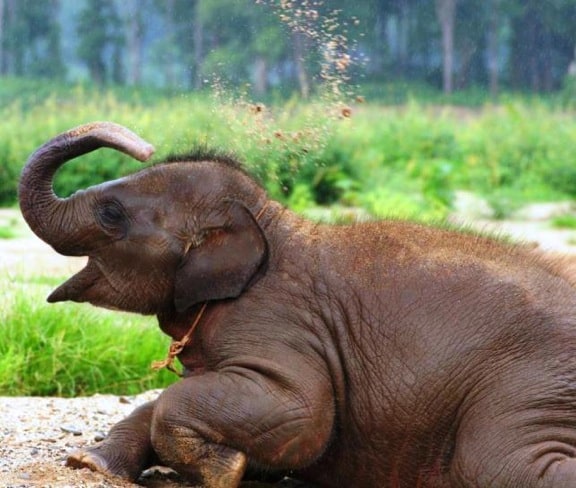
As the third-largest national park in the country and a cornerstone of the UNESCO-listed Dong Phayayen-Khao Yai Forest Complex, Khao Yai covers 2,168 square kilometers. It is a critical habitat for approximately 800 species of fauna, including the endangered Asian elephant and the Asiatic black bear. The park offers sophisticated infrastructure for guided wildlife tours, allowing visitors to experience "safari-style" excursions within a few hours’ drive of Bangkok.

Ang Thong Marine National Park: Maritime Preservation
Located in the Gulf of Thailand, this archipelago of 42 islands is a masterclass in marine conservation. The park’s karst limestone formations and hidden lagoons are protected from large-scale commercial development. For maximum comfort, travelers often opt for private speedboat charters from Koh Samui, which allow for a customized pace and the avoidance of large group tours, ensuring a more serene engagement with the park’s white-sand beaches and coral reefs.
The Gibbon Rehabilitation Project: Ethical Wildlife Engagement
Situated near the Bang Pae Waterfall in Phuket, this project addresses the historical issue of gibbon exploitation in the tourism industry. Since 1992, the project has focused on the rescue and reintroduction of these small apes into the wild. For the modern traveler, visiting such a facility provides a factual look at the challenges of conservation. It represents a shift toward "ethical comfort"—the peace of mind that comes from supporting initiatives that prioritize animal welfare over entertainment.
Analysis of Broader Implications and the Future of Thai Tourism
The move toward more comfortable and structured travel in Thailand reflects a broader global trend in the post-pandemic era. High-net-worth individuals and middle-class travelers alike are increasingly prioritizing health, safety, and meaningful engagement over budget-driven "backpacking."
This shift has profound economic implications. By attracting visitors who stay longer and invest in premium services, Thailand can generate higher revenue per tourist, potentially reducing the environmental strain caused by mass tourism. The government’s focus on "Quality Tourism" aims to balance economic growth with the preservation of the very cultural and natural assets that make the country a premier global destination. For the traveler, this means a Thailand that is more accessible, more professional, and ultimately more comfortable than ever before.

