

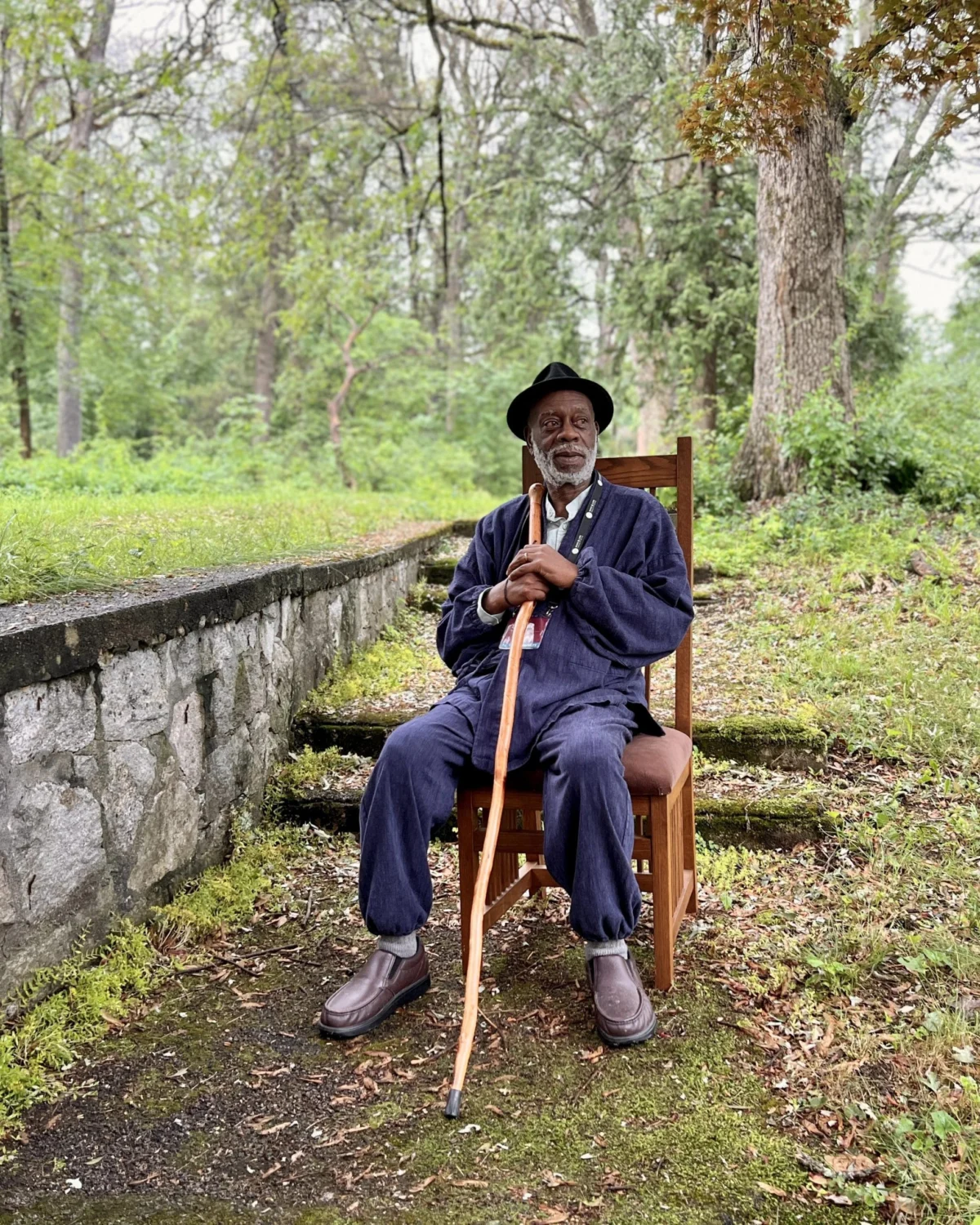
The late Plum Village teacher Larry Ward helps us to reflect on those who nourish our practice. Larry Ward, a prominent figure in the Western Buddhist landscape and a cherished teacher within the Plum Village tradition founded by Thich Nhat Hanh, offered profound insights into the concept of an "inner sangha." This teaching, articulated shortly before his passing, invites practitioners to cultivate a supportive internal community, drawing strength and wisdom from the significant individuals and ancestors who have shaped their spiritual journey. Ward’s message, delivered with characteristic warmth and clarity, underscores the enduring power of connection, even in the absence of physical presence, and highlights the active role individuals can play in shaping their own inner landscape for sustained practice.
The Concept of the Inner Sangha
Ward’s teaching begins with a fundamental observation: individuals are not born in a vacuum. "We have society inside of us," he stated, encompassing a vast lineage of influence. This includes not only immediate family and known mentors but also "land ancestors, our blood ancestors, our spiritual ancestors, our ecological ancestors, and millions of ancestors we do not know personally." This inherited societal framework is deeply embedded, shaping our genetic makeup, our learned behaviors, and the very unfolding of our lives. Recognizing this inherent interconnectedness, Ward proposed the creation of an "inner sangha" as a deliberate and powerful practice.
This internal community is analogous to the external sangha – the spiritual community of practitioners that offers energy and support. However, the inner sangha resides within the practitioner’s own heart and mind. It is a curated collection of energies, voices, and memories from individuals who have demonstrably aided in the cultivation of compassion, wisdom, and a life of non-harming. The emphasis is on intentional selection: "you want to choose who you want to be in your inner sangha." This act of conscious selection is a key differentiator, empowering individuals to actively shape their internal resources for spiritual growth.
Cultivating Inner Resources
Ward illustrated this concept with personal examples. His own inner sangha includes his grandmother, mother, and father, acknowledging the varying degrees of their spiritual influence. He also included an early Christian teacher and, notably, his beloved teacher Thich Nhat Hanh. The significance of these chosen figures lies in their ability to offer guidance and solace. Ward explained that when he needs support or reflection, he can "hear them from time to time, things they’ve said that I remember." This internal resonance transforms these remembered words and influences into what is known in resilience work as a "positive memory capsule." These capsules serve as vital resources, providing nourishment on the spiritual path.
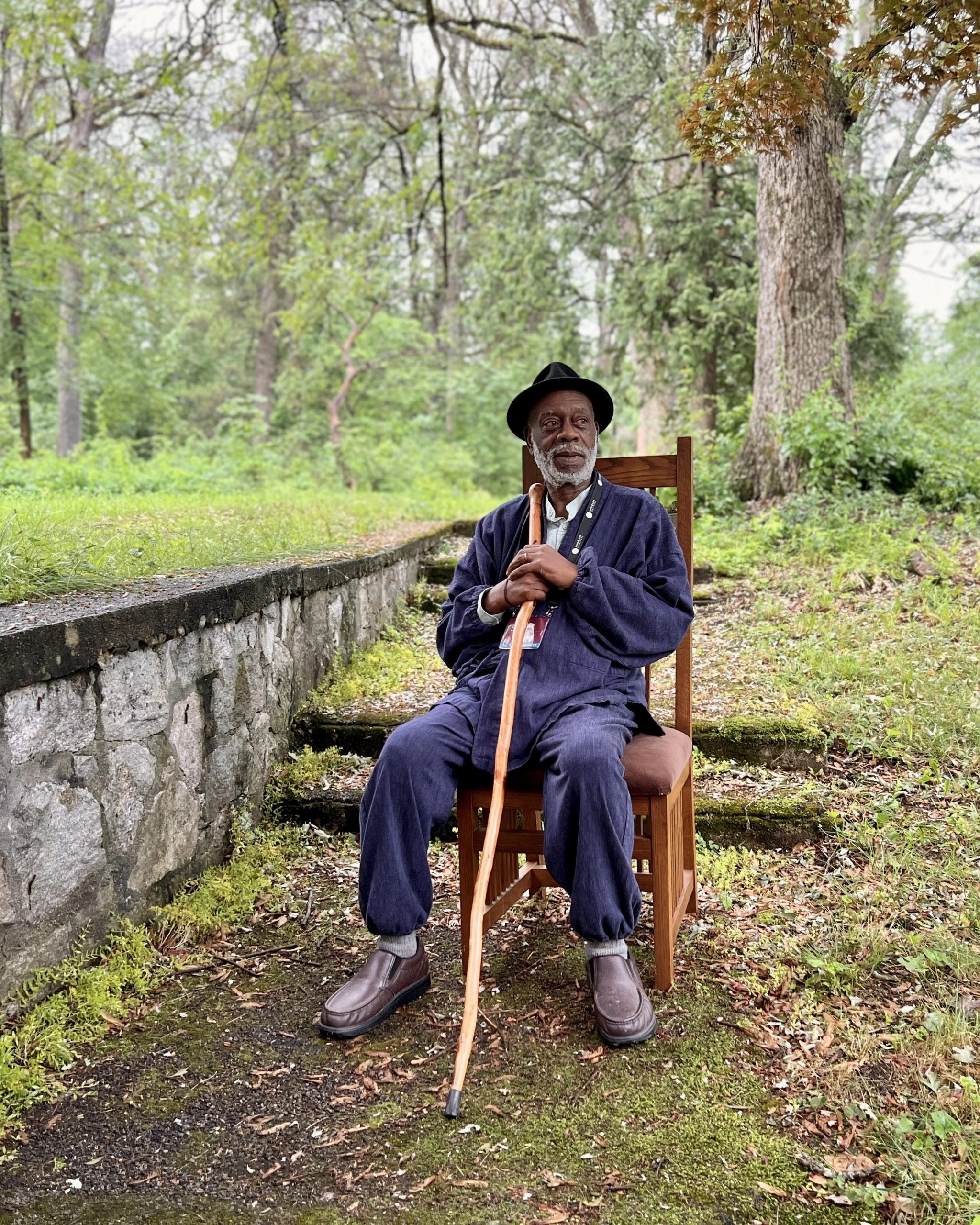
The practice of engaging with one’s inner sangha is not passive. Ward described it as an active process: "if I want to have a conversation with Thich Nhat Hanh, or any other teacher, or friend or mentor, I can sit down in meditation for five minutes and visualize myself with them; in dialogue, in conversation, in silence, and experience the nourishment of being in touch with positive, healing, transformational energy." This meditative engagement allows for a direct experience of the positive, healing, and transformational energy that these individuals represent. It transforms abstract memories into a tangible source of strength and guidance, accessible at any moment.
Context and Background: The Plum Village Tradition and Mind and Life Institute
Larry Ward’s teachings are deeply rooted in the Plum Village tradition, a global network of monasteries and practice centers founded by the Vietnamese Zen master Thich Nhat Hanh. Thich Nhat Hanh, a prolific author and global peace activist, championed mindfulness and compassionate action as pathways to personal and collective transformation. His teachings often emphasized the concept of "interbeing," the interconnectedness of all phenomena, which resonates strongly with Ward’s notion of the inner sangha. The Plum Village tradition, with its emphasis on mindful living, community, and deep listening, provides a fertile ground for cultivating such internal resources.
Ward’s engagement with the Mind and Life Institute, as suggested by the accompanying image, further contextualizes his work. The Mind and Life Institute is a research organization dedicated to fostering dialogue between contemplative traditions and the sciences, particularly in areas related to consciousness, mental health, and human well-being. His participation in events with the Mind and Life Institute, often alongside scientists and other contemplatives, highlights his commitment to bridging different modes of understanding and exploring the practical applications of mindfulness and contemplative practices for a flourishing human future. This intersection of ancient wisdom and contemporary scientific inquiry likely informed his understanding of the psychological and neurological benefits of cultivating a supportive inner landscape.
The Broader Implications of Inner Sangha Practice
The concept of the inner sangha has significant implications for individual well-being and the broader societal fabric. In an era often characterized by isolation and rapid change, the ability to cultivate internal sources of strength and resilience is paramount. By intentionally nurturing connections with wise and compassionate figures from one’s past, individuals can counter feelings of loneliness and find solace during challenging times. This practice can be particularly beneficial for those who may lack robust external support systems or who are navigating difficult life transitions.
Furthermore, the practice encourages a deeper understanding of personal history and lineage. It prompts individuals to reflect on the values, wisdom, and resilience passed down through generations, fostering a sense of continuity and belonging. This introspection can lead to a greater appreciation for the sacrifices and contributions of those who came before, promoting a sense of gratitude and responsibility.

From a psychological perspective, the active engagement with positive internal figures can be seen as a form of cognitive restructuring. By focusing on and re-engaging with memories of wisdom and compassion, individuals can actively shape their emotional responses and cultivate more positive mental states. This aligns with therapeutic approaches that emphasize the power of positive psychology and the cultivation of inner resources for coping with adversity.
The teachings also implicitly address the concept of "spiritual activism" – the idea that cultivating one’s inner life has outward-reaching consequences. By strengthening one’s own capacity for compassion and wisdom through the inner sangha, individuals are better equipped to engage with the world in a more constructive and non-harming manner. This internal fortitude can then ripple outward, influencing interactions with others and contributing to a more compassionate and understanding society.
A Legacy of Nourishment
Larry Ward’s passing on October 10, 2026, leaves a void in the contemplative community. However, his teachings, like the inner sangha he advocated for, continue to offer nourishment and guidance. The excerpt was adapted from a short video teaching he provided for the Plum Village App, a digital platform that disseminates teachings from the Plum Village tradition. This indicates a deliberate effort to ensure the accessibility and enduring impact of his insights. The reprinting of this teaching by Tricycle, a prominent Buddhist magazine, further amplifies its reach, ensuring that his wisdom continues to resonate with a broad audience.
The enduring legacy of teachers like Larry Ward lies not only in their direct teachings but also in their ability to inspire practices that empower individuals to draw upon their own inner resources. The concept of the inner sangha is a testament to this enduring influence, offering a practical and profound method for cultivating resilience, wisdom, and compassion in an ever-evolving world. It encourages us to look within, to connect with the best of what has been, and to carry that strength forward into the present and the future.

