

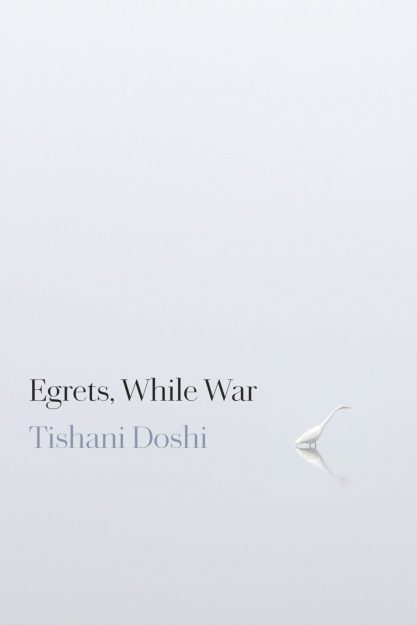
The literary world is abuzz with the release of Tishani Doshi’s fifth collection of poems, Egrets, While War, a work that draws profound inspiration from the avian kingdom to explore the complexities of human existence. Published on September 29, 2026, the collection, which delves into themes of aging, desire, disenchantment, and persistence, has been lauded for its unique approach to universal human experiences through the lens of birds. Doshi, a celebrated poet and dancer, revealed in a recent interview with the Hindustan Times that her fascination with birds, particularly their "magical quality of flight" and their ethereal presence in the sky, served as a catalyst for this deeply introspective body of work.
"Of all the creatures we share the planet with, birds seem to me utterly unknowable," Doshi stated. "Lion, beetle, bandicoot—somehow, I can imagine my way into them, perhaps because of their terrestrial nature. But with birds, there is this magical quality of flight. Most birds occupy the realm of sky, and this wingedness is a marvel." This inherent unknowability, coupled with the visual spectacle of flight, has allowed Doshi to transcend the literal and delve into the symbolic, using avian imagery to articulate the often-intangible aspects of life.
The collection’s title itself, Egrets, While War, encapsulates the central paradox Doshi explores: the simultaneous presence of beauty and brutality, serenity and conflict, in the human experience and the natural world. The comma, she explains, acts as a crucial "hinge between beauty and horror, the dichotomies of living." This deliberate juxtaposition is not merely an artistic choice but a reflection of the contemporary global landscape, where moments of profound beauty and connection often coexist with widespread conflict and existential threats. The book’s publication date, September 29, 2026, places it within a period marked by significant geopolitical shifts and environmental concerns, underscoring the urgency of Doshi’s thematic explorations.

Doshi’s innovative use of poetic forms and subjects further enriches Egrets, While War. The collection features sonnets dedicated to extinct species like the dodo and the passenger pigeon, alongside meditations on the 10th-century tantric school of poets known as mattamayura, or drunken peacocks. These specific references serve as anchors to broader discussions about extinction, survival, and the delicate balance between nature and human impact. The mattamayura poets, known for their ecstatic and often unconventional approach to spirituality, provide a historical parallel to Doshi’s own embrace of contradiction and the "messiness of existence" in her poetry.
Background Context: The Poetic Landscape and Environmental Consciousness
The release of Egrets, While War arrives at a time when poetry is increasingly recognized for its capacity to address pressing social and environmental issues. In recent years, a growing number of poets have turned their attention to ecological concerns, climate change, and the loss of biodiversity. Doshi’s work fits within this evolving literary landscape, but she distinguishes herself by weaving these concerns into the fabric of personal experience and philosophical inquiry. Her approach suggests that confronting the grand narratives of extinction and war can begin with an intimate engagement with the natural world and the individual’s internal landscape.
The choice to focus on birds is particularly resonant. Bird populations worldwide have been declining at alarming rates due to habitat loss, climate change, and pollution. According to a 2023 report by the National Audubon Society, North America has lost nearly 3 billion birds since 1970, a stark statistic that underscores the urgency of conservation efforts. Doshi’s exploration of extinction through the lens of avian life—from the vanished passenger pigeon to the resilient egret—serves as a poignant reminder of our interconnectedness with the natural world and the profound losses we face.

A Chronology of Inspiration and Publication
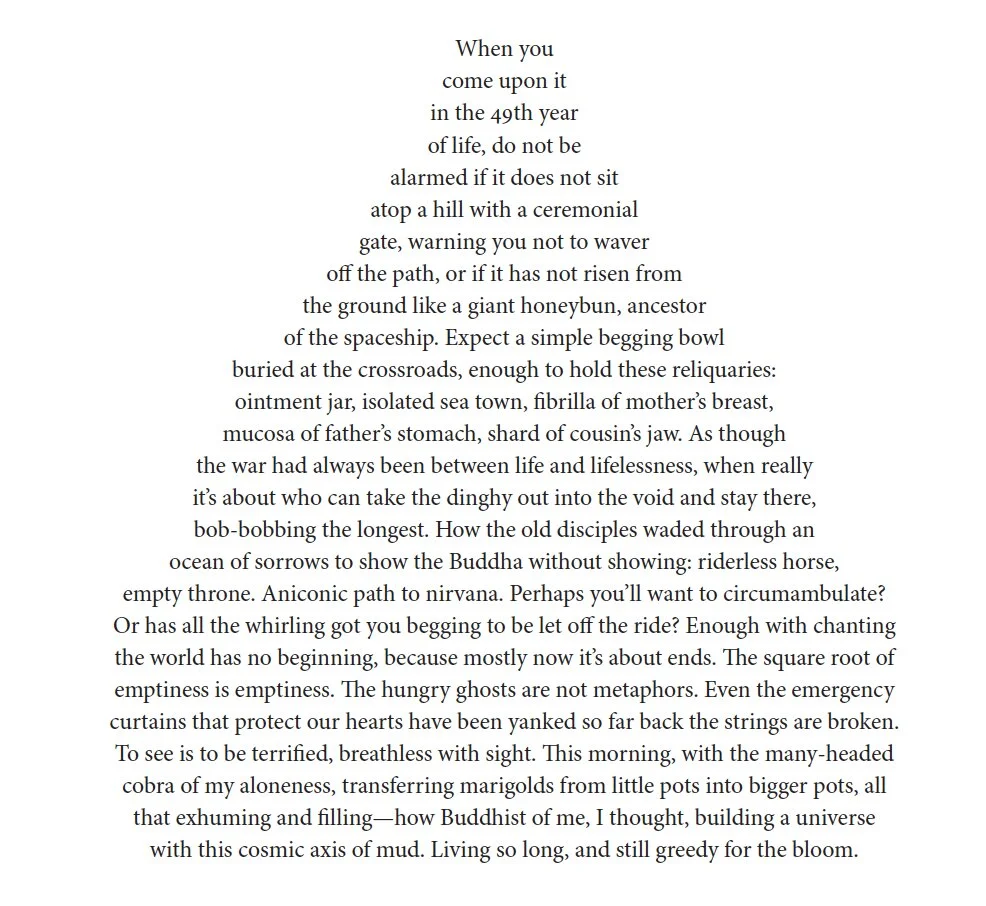
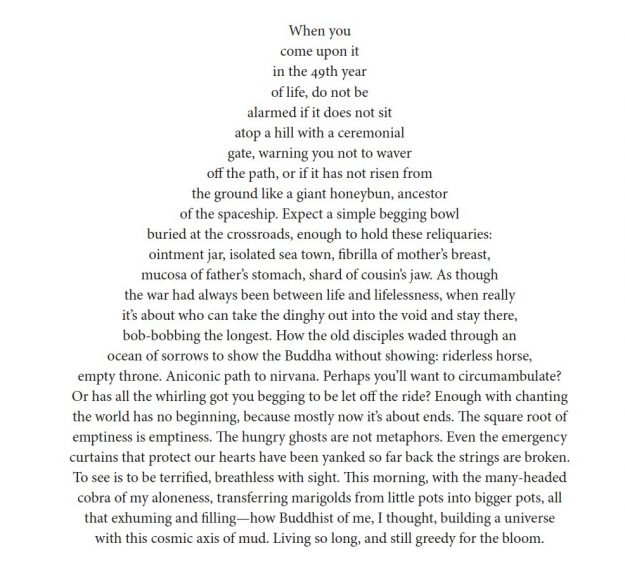
While the precise timeline of Egrets, While War‘s genesis is not publicly detailed, Doshi’s prolific career suggests a period of deep contemplation and creative output leading up to its publication. Her previous collections, including her debut Shopping for Water, have consistently explored themes of identity, place, and the human condition. The transition to a more pronounced focus on the natural world, particularly birds, in her fifth collection indicates a deliberate artistic evolution. The publication date of September 29, 2026, suggests a finalization of the manuscript in the preceding months, with a likely period of editing and production by Copper Canyon Press, her publisher. The inclusion of poems like "A Stupa for the 49th Year of Life" hints at personal milestones and reflections on aging, a theme that likely informed the collection’s contemplative tone.
Supporting Data and Scientific Relevance
Doshi’s exploration of avian life is not merely metaphorical; it touches upon scientific realities. The egret, a common subject in her work, is a symbol of grace and resilience. Their presence in varied habitats, from wetlands to urban gardens, demonstrates their adaptability. However, even these seemingly ubiquitous birds are not immune to environmental stressors. Studies on avian health often highlight the impact of pollution on their plumage and reproductive success. Doshi’s imagery of "feathered dinosaurs flown in through a hole from the past" also subtly references the evolutionary lineage of birds, connecting them to ancient ecosystems and the deep history of life on Earth.
The poem "Wasps at the Faucet" provides a stark depiction of the constant struggle for survival, mirroring ecological processes. Wasps, crucial pollinators and pest controllers, engage in a daily battle for resources, a microcosm of larger environmental challenges. Doshi’s anthropomorphism of this struggle—"It is a dance we do—me with a broom, / thrusting it between them as though / it were a pitchfork on fire"—highlights the often-unseen conflicts and negotiations that occur in our immediate surroundings, both natural and human.
Official Responses and Literary Analysis
While direct statements from literary critics or academic bodies specifically reacting to Egrets, While War are pending its wider dissemination, early commentary from publications like Tricycle and interviews with Doshi herself have established a strong critical reception. Sarah Fleming, senior editor at Tricycle, notes that the collection "takes this avian curiosity as a starting point to examine the mysteries and terrors of our world." This assessment underscores the book’s dual focus: an appreciation for the natural world and a profound engagement with contemporary anxieties.
Literary analysts are likely to find Doshi’s embrace of paradox particularly compelling. The "hinge" she describes between beauty and horror resonates with post-structuralist and deconstructionist literary theories, which often challenge binary oppositions. By holding "space for contradictions and the messiness of existence," Doshi offers a nuanced perspective that eschews simplistic resolutions. Her assertion that "writing a poem can be a hugely optimistic act" speaks to the therapeutic and connective power of art, even in the face of overwhelming challenges. This optimistic stance, rooted in the act of creation itself, is a significant contribution to contemporary poetic discourse, particularly in a time of widespread pessimism.
Broader Impact and Implications
The implications of Egrets, While War extend beyond the literary sphere. Doshi’s work serves as a potent reminder of the interconnectedness of all living things and the urgent need for greater environmental stewardship. By using the seemingly delicate imagery of birds to explore weighty themes of war, loss, and survival, she encourages readers to find moments of beauty and resilience even amidst devastation.
The collection’s emphasis on persistence, as highlighted in its thematic description, is particularly relevant in a world grappling with complex and protracted crises. The resilience of nature, exemplified by the enduring flight of egrets or the persistent buzz of wasps, offers a model for human perseverance. Doshi’s poems, therefore, can be seen not just as reflections but as incitements to action—to observe, to empathize, and to find hope in the face of adversity.
Furthermore, Doshi’s invocation of historical poetic traditions, such as the mattamayura school, suggests that the human search for meaning and beauty is a timeless endeavor. Her work bridges ancient wisdom with contemporary concerns, offering a perspective that is both rooted and forward-looking. As the world continues to navigate an uncertain future, the insights offered in Egrets, While War may prove invaluable, providing solace, inspiration, and a deeper understanding of our place within the grand, often paradoxical, tapestry of existence. The book, available through Copper Canyon Press, invites readers to contemplate the enduring power of poetry to illuminate the darkest corners of our world while celebrating the persistent flicker of light.

