

The landscape of cancer treatment is often characterized by a narrative of rapid innovation and transformative breakthroughs. However, a closer examination of recent decades of drug approvals reveals a more nuanced and, for many patients, sobering reality. Analysis of chemotherapy drugs approved over a twelve-year period indicates an average overall survival benefit of a mere 2.1 months. This figure, while statistically derived, raises critical questions about the clinical meaningfulness of these advancements and the expectations they cultivate among patients battling life-threatening diseases.
The Modest Gains of Modern Chemotherapy
Despite the frequent portrayal of new cancer drugs as "game-changers" or "breakthroughs" in public discourse and promotional materials, the evidence suggests that the majority offer far more modest benefits. An editorial published in the Journal of the National Cancer Institute highlighted a concerning trend: many newly approved cancer drugs fail to deliver clinically meaningful improvements. This raises a fundamental question about the pharmaceutical industry’s approach to drug development and regulatory approval processes.
The retention of FDA approval for drugs that later demonstrate a lack of significant benefit, even when compared to placebos or standard observation, is a point of considerable concern. A study examining this phenomenon revealed that even drugs costing hundreds of thousands of dollars annually often fail to improve overall survival and, in some instances, can even diminish a patient’s quality of life. For example, one of the most expensive drugs analyzed, costing an estimated $169,836 per year, provided no discernible survival advantage and, alarmingly, worsened the quality of life for patients. This raises ethical considerations regarding the financial burden placed on patients and healthcare systems for treatments with questionable efficacy.
Defining "Meaningful" Survival: The Statistical vs. The Personal
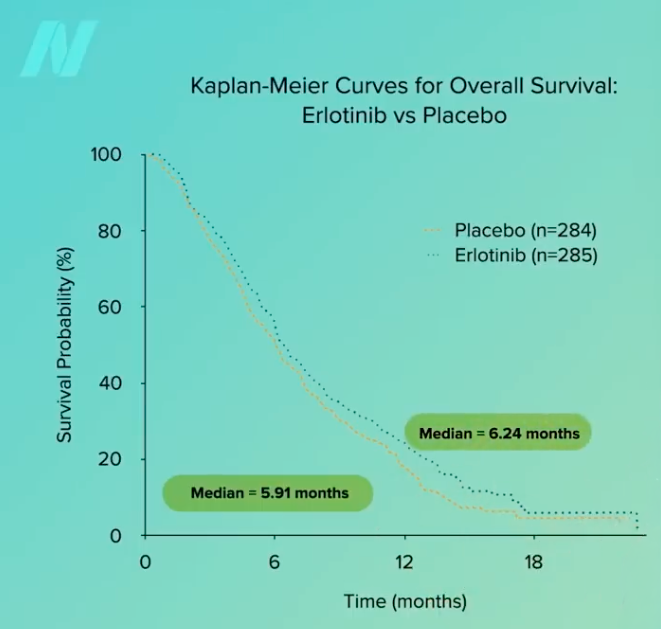
Even when a statistically significant survival benefit is observed, its practical implications for patients can be surprisingly small. Pharmaceutical companies often design large-scale clinical trials that, while capable of detecting subtle differences, may yield results that are statistically significant but clinically trivial. A prominent example involves the addition of erlotinib to gemcitabine for advanced pancreatic cancer. While this combination significantly prolonged overall survival, the gains were measured in days rather than months.
In this particular trial, the placebo group lived for an average of 5.91 months, while the group receiving the added drug survived for approximately 6.24 months. This represents an extension of survival of just over 10 days. When considering the substantial side effects and the considerable financial cost associated with such treatments, the benefit of merely ten additional days becomes questionable for many.

This disparity highlights the potential for miscommunication between medical professionals and patients. The use of statistical jargon like "significant improvement in survival" can create inflated expectations. When patients hear the word "survival," their understanding is often rooted in the hope of substantial life extension, not a matter of days or a fraction of a month. This disconnect can lead to patients making treatment decisions based on incomplete or misleading information about the true impact of the therapy.
The Average Survival Benefit: A Closer Look
Aggregating data across all new chemotherapy drugs approved over a twelve-year span reveals an average overall survival benefit of 2.1 months. While acknowledging that two months of extended life is not insignificant, it falls far short of the expectations held by many patients. Survey data consistently indicates that patients anticipate much more substantial gains from chemotherapy.
A stark illustration of this disconnect comes from studies of patients with metastatic lung or colorectal cancer. Approximately three-quarters of these patients did not fully grasp that their chemotherapy treatment was unlikely to be curative. They operated under the mistaken belief that the therapy offered a genuine chance of cure, rather than a marginal extension of life. This lack of clarity is a critical issue, as it deprives patients of the opportunity to make informed decisions about their care. Without a clear understanding of the risks, side effects, and the true, limited benefits—such as symptom relief and a modest increase in lifespan, but no cure—patients are unable to weigh these factors against their personal values and priorities.
Patient Perspectives and the Value of Quality of Life
The perceived value of even small survival benefits varies significantly among individuals. When asked about their preferences, many cancer patients express a desire for at least six months of improved quality of life to endure the side effects of chemotherapy. This suggests that if patients were fully informed about the modest survival gains, many might not opt for chemotherapy.
However, individual circumstances and priorities differ. Some patients may find even a single week of extended life to be worthwhile. Conversely, others might decline chemotherapy even if it offered two additional years, prioritizing the quality of their remaining time over any potential extension. Ultimately, the decision-making process for cancer treatment necessitates transparency and open communication, allowing patients to make choices that align with their personal values and goals.
The Toxicity of Chemotherapy: A Calculated Risk?
The willingness of oncologists and cancer nurses themselves to accept intensive chemotherapy, given its associated toxicities, offers a compelling perspective. Chemotherapy drugs are primarily cytotoxic, meaning they function by killing rapidly dividing cells, including cancer cells. However, this mechanism inevitably leads to collateral damage to healthy cells, resulting in a range of severe side effects. These can include nerve damage, irreversible heart failure, gastrointestinal issues, and compromised immune function.
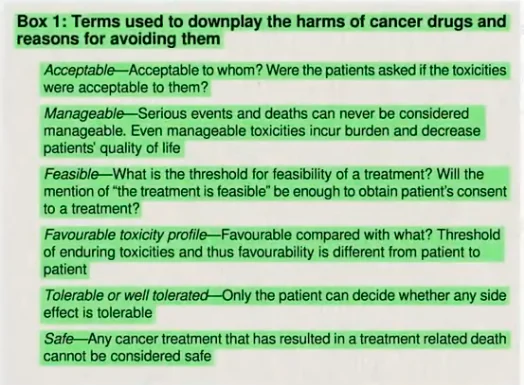
Pharmaceutical companies frequently employ euphemistic language to describe the risks associated with these drugs. Terms such as "acceptable," "manageable," "mostly reversible," and "feasible" are used in published studies, potentially downplaying the severity of adverse events. For instance, a breast cancer drug was described as having an "acceptable" side-effect profile, while a pancreatic cancer drug was characterized by a "manageable and mostly reversible safety profile."
However, closer examination of the underlying data often reveals a significantly higher incidence of serious or even life-threatening side effects compared to what these descriptions might suggest. The "manageable" and "reversible" descriptors often fail to account for serious adverse events and fatalities, raising questions about the transparency of reporting. The perceived "acceptability" of toxicity is subjective and depends on who is making the assessment. Terms like "feasible" or "tolerable" are particularly concerning, as they imply a minimal level of acceptable risk rather than a clear demonstration of benefit. Ultimately, any drug that has the potential to cause death cannot be unequivocally described as "safe."
Notable Successes and Persistent Challenges
Despite the general trend of modest gains, there are specific cancers where chemotherapy has demonstrably revolutionized treatment outcomes. Testicular cancer is a prime example, where chemotherapy offers a greater than one-in-three chance of surviving for at least five years. Hodgkin’s disease, a less common form of lymphoma, has also seen significant improvements with chemotherapy.
However, for the most common cancers—including colon, lung, breast, and prostate cancer—even optimistic estimates suggest that the chance of chemotherapy enabling survival to the five-year mark hovers around a mere 1% to 2%. This stark contrast underscores the need for a critical evaluation of treatment strategies for these prevalent diseases.
Implications for Future Cancer Care
The current data surrounding chemotherapy efficacy has profound implications for several aspects of cancer care:
- Informed Consent and Patient Autonomy: The findings strongly advocate for enhanced transparency in communicating treatment benefits and risks to patients. A more robust informed consent process, free from jargon and emphasizing realistic outcomes, is crucial for empowering patients to make truly autonomous decisions about their bodies and their lives.
- Regulatory Scrutiny and Drug Approval: The persistence of FDA approval for drugs with limited clinical benefit warrants a re-evaluation of the criteria used for drug approval and post-market surveillance. A more rigorous assessment of "clinically meaningful" benefit, beyond statistical significance, may be necessary.
- Pharmaceutical Industry Practices: The emphasis on developing drugs that offer marginal survival benefits at exorbitant costs raises ethical questions for the pharmaceutical industry. A shift towards research and development focused on treatments with substantial and demonstrable impact, alongside a more responsible pricing strategy, is paramount.
- Patient Expectations and Public Perception: Media portrayals and public discourse surrounding cancer treatments often create an impression of rapid and universal progress. Educating the public about the nuances of cancer treatment, including the limitations of current therapies, is essential for managing expectations and fostering a more realistic understanding of the challenges in cancer care.
- Focus on Prevention and Supportive Care: Given the limitations of some chemotherapy treatments, there is a growing imperative to invest more heavily in cancer prevention strategies, early detection methods, and comprehensive supportive care that enhances the quality of life for patients, regardless of their treatment trajectory.
The evidence presented suggests a critical juncture in cancer treatment. While scientific advancement continues, a pragmatic and ethical approach to evaluating and communicating the benefits of new therapies is essential to ensure that patients are not only well-informed but also empowered to make the best decisions for their individual circumstances. The pursuit of incremental survival gains must be balanced with a profound respect for patient autonomy, quality of life, and the fundamental right to accurate and comprehensive information.

