

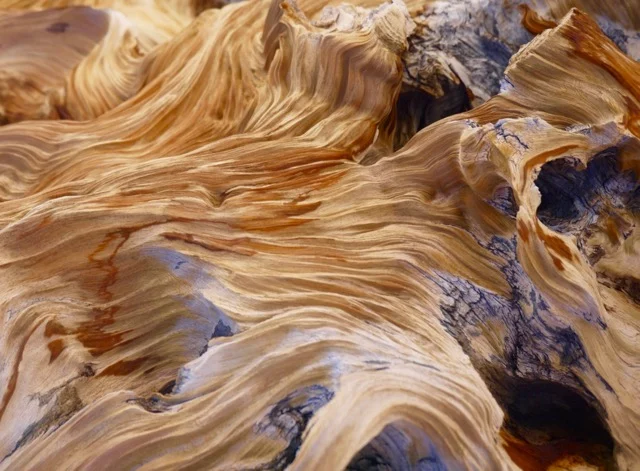
For over eighteen months, a compelling dialogue has unfolded between this publication and David Malinsky, a multifaceted individual renowned for his work as a writer, photographer, and ardent nature enthusiast. Malinsky’s passion finds its most profound expression in his deep affection for the Great Basin Bristlecone Pines, ancient trees he affectionately refers to as "Old Friends in High Places." This article delves into the essence of Malinsky’s observations, offering a glimpse into the profound beauty he uncovers during his explorations of these majestic arboreal beings. His insights, shared through correspondence, invite a broader conversation about our relationship with nature and the wisdom held within its most enduring inhabitants.
The Enduring Majesty of Bristlecone Pines
The Great Basin Bristlecone Pine (Pinus longaeva) is not merely a tree; it is a living testament to resilience and time. These remarkable specimens, found in the harsh, high-altitude environments of the Great Basin region of the Western United States, are among the oldest known non-clonal organisms on Earth. Some individuals have been carbon-dated to be over 5,000 years old, predating the construction of the Great Pyramids of Giza. Their ability to survive in extreme conditions – characterized by nutrient-poor soils, intense solar radiation, high winds, and freezing temperatures – is a marvel of biological adaptation.
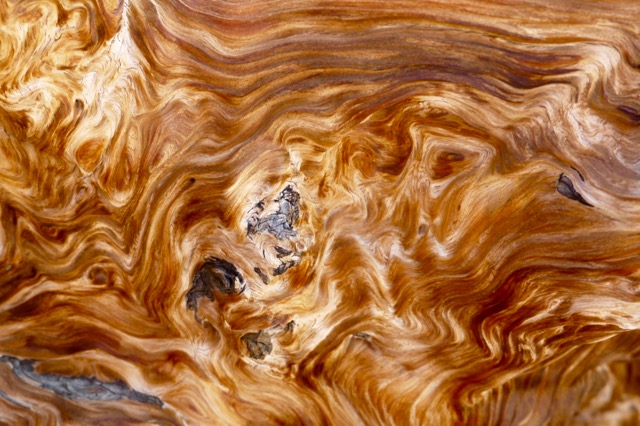
Malinsky’s connection with these ancient trees stems from a deep appreciation for their unique character. Unlike more conventionally beautiful or towering trees, Bristlecone Pines possess a gnarled, often skeletal appearance. Their wood is dense and resinous, offering protection against insects and disease, while their ability to shed needles and even entire branches allows them to conserve resources in their unforgiving habitat. This selective shedding, a process known as "apical dominance," contributes to their contorted and sculptural forms, making each tree a unique work of natural art.
A Philosophy of Exploration: Beyond the Bullseye
Malinsky’s recent communications offer a philosophical perspective on exploration and discovery, using the metaphor of archery to illustrate his point. He suggests that "daring to take a path towards what may be unknowable can be among the most noble pursuits of the human spirit." He contrasts this with the pursuit of "known targets," which, while offering tangible opportunities for achievement, also impose limitations. The well-aimed arrow reaching its bullseye, he argues, halts its arc, its purpose fulfilled but its potential confined.
"Allow the arrow to be what it is, a tool for a particular purpose," Malinsky writes, "but after your fingers release the bowstring do not let the confines of the arc define you. It was what you did, but only a small piece of who you are." This perspective encourages a broader view, urging individuals not to be solely defined by their accomplishments or predetermined goals. Instead, he advocates for an open-minded approach to experience, one that allows for the unexpected and the unscripted.
Embracing the Unseen: Expanding Consciousness
The essence of Malinsky’s philosophy lies in the idea of expanding one’s perception and consciousness. He posits that "without narrowing the focus on the bullseye, there can be so much to see, much that will be missed if our sights are too confined." This sentiment speaks to the human tendency to focus on singular objectives, often at the expense of observing the wider context and the intricate details of our surroundings.
Malinsky encourages a holistic approach, suggesting that "You do not have to reduce all of this to a single place; there is room in your consciousness for all of it, if you allow it in." This call for expanded awareness is particularly relevant in our modern, often fragmented world, where information overload can lead to superficial engagement rather than deep understanding. By opening oneself to a wider spectrum of experiences and perspectives, one can achieve a richer and more nuanced understanding of the world.
The Journey of Self: Where Person and Place Converge
Malinsky further elaborates on the transformative power of venturing beyond established boundaries. He believes that "It is in taking a path beyond established targets that you begin the journey of yourself." This journey, he explains, initially may seem like a quest for a "Where," a destination. However, as one ventures further, this outward search often transforms into an inward exploration, becoming as much about discovering "Who" one is.
"Person and place becoming one," Malinsky observes, highlights a profound interconnectedness. As individuals engage with their environment, particularly with the ancient wisdom embodied by nature, they begin to integrate their experiences into their very being. The feeling of growth with each step, and the developing senses appreciating the surroundings, signal a deep and meaningful discovery. At this point, Malinsky suggests, "any notions of maps can be discarded." The path becomes an organic unfolding, guided by an internal compass rather than external directions.
Trusting Nature, Embracing Evolution
The concept of an unending journey is central to Malinsky’s understanding of both personal growth and the natural world. He asserts that "Your path has no end, for both you and Nature are constantly evolving." This cyclical view of existence emphasizes the dynamic nature of life and the universe. Rather than seeking finality, Malinsky advocates for embracing continuous change and adaptation.
"It is in that trust of Nature that you can place yourself, and explore the labyrinths ahead filled with the joy of anticipation, instead of trepidation," he writes. This trust in natural processes, and in one’s own capacity to navigate them, is crucial for fostering a sense of wonder and excitement about the future. By relinquishing the fear of the unknown and embracing the inherent unpredictability of life, individuals can transform potential anxieties into opportunities for growth and discovery.
Illuminating the Darkness: The Inner Light
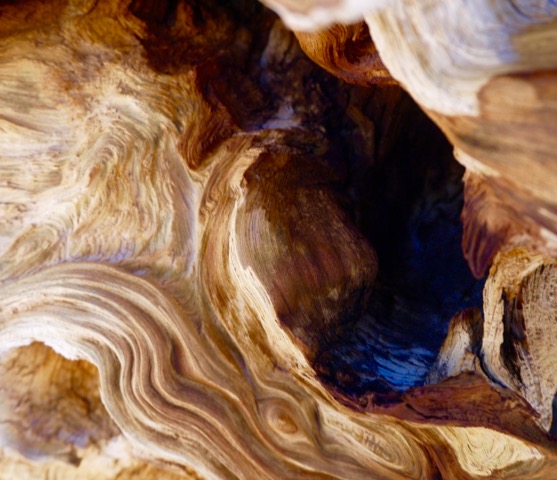
Malinsky’s reflections culminate in a powerful message about confronting what appears to be darkness. He suggests that once a deep trust in both nature and oneself is developed, "when you come across what appears to be a darkness you do not fear." This darkness, he clarifies, is merely a space "that is currently without illumination."
The implication is that individuals possess the inherent capacity to bring light to these unlit areas. By venturing forward with an "open spirit," the path can lead to a realization of one’s own inner potential. "Your path may well take you to where it was intended to all along – the place where it is you that are the light." This profound insight positions the individual not as a passive observer but as an active agent of illumination, capable of transforming perceived obstacles into sources of enlightenment.
Context and Significance: The Enduring Appeal of Ancient Trees
The Great Basin Bristlecone Pines have long captivated scientists, artists, and philosophers alike. Their extreme longevity makes them invaluable for climate research, as their annual growth rings provide a detailed record of past environmental conditions, extending back thousands of years. This scientific significance is underscored by the ongoing efforts to protect these fragile ecosystems, often situated in remote and challenging terrains.
Conservation efforts for Bristlecone Pine habitats are crucial, as these ancient forests face threats from climate change, increased visitation, and potential disease outbreaks. Organizations like the Bristlecone Pine Forest Association and the White Mountains Conservancy work to preserve these unique environments, educating the public about their ecological and historical importance. Malinsky’s engagement with these trees, therefore, is part of a broader cultural and scientific appreciation for their enduring legacy.
Broader Implications: Reconnecting with the Natural World
Malinsky’s personal reflections, though rooted in his individual experiences with Bristlecone Pines, carry broader implications for our collective relationship with the natural world. In an era increasingly dominated by digital interfaces and urban living, his emphasis on direct experience and deep observation serves as a potent reminder of the restorative and educational power of nature.
The philosophical underpinnings of his message – about embracing the unknown, expanding consciousness, and trusting inherent processes – resonate with contemporary discussions in ecopsychology and mindfulness. These fields explore the reciprocal relationship between human well-being and the health of the environment, suggesting that reconnecting with nature can foster greater self-awareness, resilience, and a more profound sense of purpose.
Malinsky’s invitation to join his listserve, to "contact David," suggests a desire to foster a community of like-minded individuals who are seeking to deepen their understanding of nature and their place within it. This communal aspect is vital, as shared experiences and perspectives can amplify the insights gained from individual journeys. The "Old Friends in High Places" offer not just a glimpse into the past but a profound lesson for the future, urging us to look beyond immediate goals and embrace the expansive, evolving journey of life.
Invitation to Engage
David Malinsky’s dedication to understanding and appreciating the Great Basin Bristlecone Pines offers a unique window into the wisdom held by the natural world. His philosophical musings, inspired by these ancient trees, encourage a more expansive and trusting approach to life’s journey. For those interested in delving deeper into these themes and sharing their own reflections, Malinsky can be contacted via email at [email protected] to join his listserve. This platform offers an opportunity to participate in a continuing conversation about nature, self-discovery, and the enduring majesty of life’s most ancient inhabitants.

