

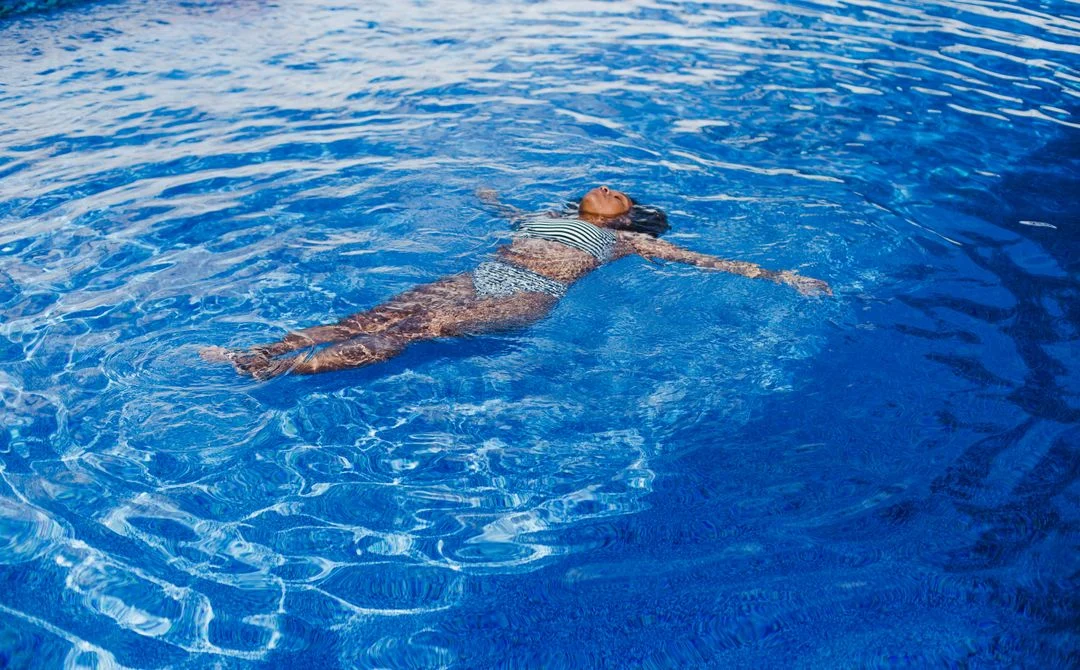
Traditional running, while lauded for its cardiovascular benefits and efficacy in weight management, presents significant biomechanical challenges, particularly as individuals age or contend with pre-existing conditions. The repetitive, high-impact forces generated by "pounding the pavement" can lead to a cascade of musculoskeletal issues, including increased risks of knee injuries, patellofemoral pain syndrome, shin splints, plantar fasciitis, and even hip pathologies such as bursitis or early-onset osteoarthritis. For many, these adverse effects eventually necessitate a search for alternative forms of vigorous exercise that mitigate joint stress without sacrificing physiological benefits. It is within this context that water running, often referred to as aqua jogging or deep-water running, has emerged as a scientifically supported and increasingly popular cross-training and rehabilitative modality. This method allows for robust muscular engagement and cardiovascular conditioning, all while leveraging the unique properties of water to drastically reduce gravitational impact.
The Biomechanics of Impact: Understanding Running’s Toll on the Body
To fully appreciate the benefits of water running, it is crucial to understand the inherent stresses of land-based running. Each stride involves a significant ground reaction force (GRF), which can be two to three times an individual’s body weight. This force is absorbed by the feet, ankles, knees, hips, and spine. Over time, and with increasing age or mileage, the cumulative effect of these forces can lead to microtraumas that manifest as common running injuries. A study published in the British Journal of Sports Medicine indicated that the incidence of running-related injuries can be as high as 79% annually, with the knee being the most commonly affected joint, followed by the lower leg and foot. Factors such as improper form, inadequate footwear, rapid increases in training volume, and insufficient recovery all contribute to this high injury rate. For older adults, the natural physiological changes associated with aging, such as decreased bone density, reduced cartilage elasticity, and muscle mass decline (sarcopenia), further exacerbate the risk of injury from high-impact activities. Similarly, individuals with chronic conditions like arthritis find the shock absorption capabilities of their joints severely compromised, making traditional running often painful or impossible.
Aqua Jogging: A Historical Perspective and Scientific Foundation
Water running is not a new concept, but its widespread adoption beyond elite athletic circles and specialized physical therapy clinics is a more recent phenomenon. Its origins can be traced back to the mid-20th century, initially utilized by athletes to maintain cardiovascular fitness during injury recovery. Pioneers in sports medicine recognized the potential of water’s buoyancy to offload weight, allowing for pain-free movement and early rehabilitation. Over the decades, scientific research has elucidated the precise mechanisms by which water running provides its therapeutic and training advantages.
The scientific principles underpinning aqua jogging are multifaceted:
- Buoyancy: When submerged in water, the body experiences an upward buoyant force equal to the weight of the water displaced. In deep water, where the feet do not touch the bottom, this force effectively reduces an individual’s body weight by approximately 90%. This dramatic reduction in gravitational load is the primary reason aqua jogging is considered a non-impact or minimal-impact exercise. It allows for full range of motion without the jarring forces that typically stress joints, bones, and connective tissues.
- Hydrostatic Pressure: Water exerts a uniform pressure on the submerged body, known as hydrostatic pressure. This pressure has several physiological benefits. It can help reduce swelling and inflammation in injured tissues by promoting fluid displacement. Furthermore, it aids venous return, improving circulation and potentially reducing delayed onset muscle soreness (DOMS). The external compression also supports muscles, potentially enhancing proprioception and stability.
- Water Resistance: Unlike air, water is a significantly denser medium, providing constant, multi-directional resistance to movement. This resistance engages muscles throughout the entire range of motion, both during the propulsive and recovery phases of a stride. This makes aqua jogging an excellent strength-building exercise, targeting core muscles, hip flexors, quadriceps, hamstrings, and calves without the need for external weights. The resistance is proportional to the speed of movement, allowing individuals to control the intensity of their workout simply by altering their effort.
- Thermoregulation: Exercising in water facilitates efficient heat dissipation, preventing overheating, which can be a limiting factor in intense land-based workouts, especially in hot climates. This allows for longer, more comfortable training sessions.
Medical and Athletic Endorsement: Evidence-Based Benefits
The efficacy of water running is supported by a growing body of research and endorsed by numerous sports medicine professionals. A seminal 2003 study published in the Journal of Sports Science and Medicine (often referenced in discussions of deep-water running) demonstrated that aqua jogging could elicit cardiovascular responses comparable to land running, provided sufficient intensity is maintained. Participants in deep-water running sessions achieved similar heart rates, oxygen consumption, and lactate levels to those performing equivalent intensity land-based running, confirming its potential as a robust cardiovascular training method.
Dr. Emily Thorne, a physical therapist specializing in sports rehabilitation, states, "Aqua jogging is an invaluable tool in our clinic. For patients recovering from stress fractures, ACL reconstruction, or severe joint pain, it allows us to initiate weight-bearing exercises much earlier than traditional protocols. The unique environment of water provides a safe space for controlled movement, promoting healing while preventing muscle atrophy and maintaining cardiovascular fitness." She emphasizes that the ability to mimic running mechanics in a gravity-reduced environment helps maintain neuromuscular pathways, crucial for a smooth transition back to land-based activities.
Beyond rehabilitation, elite athletes frequently incorporate aqua jogging into their training regimens. Marathon runners, triathletes, and sprinters use it for active recovery, injury prevention, and to add volume to their training without increasing impact stress. By integrating aqua jogging, athletes can maintain or even improve their aerobic capacity and muscular endurance without the cumulative wear and tear on their joints that often accompanies high-mileage land running. This allows for enhanced longevity in their respective sports.
Implementing an Aqua Jogging Regimen: Techniques and Training Protocols
To maximize the benefits of water running, proper technique is paramount. The goal is to replicate the natural running motion as closely as possible, even without ground contact.
Essential Equipment:
The most crucial piece of equipment for deep-water running is a flotation belt or vest. This device is worn around the waist and provides sufficient buoyancy to keep the head above water without requiring constant treading. This allows the individual to focus solely on their running form. While not strictly necessary for shallow water running, it is indispensable for deep-water sessions. Beyond this, a comfortable swimsuit and access to a pool are all that is truly needed to begin. As proficiency and intensity increase, waterproof weights (ankle weights, hand paddles, aquatic dumbbells) can be incorporated to enhance resistance and muscle engagement, further intensifying the workout.
Deep Water Running Technique:
- Posture: Maintain an upright posture, similar to land running, with a slight forward lean from the ankles, not the waist. Keep your head up, gaze forward, and shoulders relaxed. Avoid slouching or hunching over, which can compromise breathing and form.
- Arm Motion: Mimic the arm swing of land running. Arms should be bent at approximately a 90-degree angle, swinging forward and backward rhythmically and purposefully. The hands can be loosely cupped or open, moving against the water for added propulsion and balance. Allow them to float naturally a few inches from the body.
- Leg Motion: Drive the knees up towards the chest, mimicking a high-knee running drill. The recovery phase involves sweeping the leg back and down, working against the water’s resistance throughout the entire stride. Focus on a controlled, powerful "down thrust" as if pushing off an imaginary surface. Avoid bicycling motions; the movement should be forward and backward, not circular. The feet should remain relaxed, not pointed or flexed rigidly.
- Cadence and Effort: Aim for a high cadence, similar to land running (e.g., 160-180 steps per minute). The intensity is controlled by the speed and power of your movements against the water. The goal is to elevate your heart rate to your target training zone, just as you would during a land-based run.
Workout Protocols:
A typical aqua jogging session can range from 20 to 60 minutes, depending on fitness level and goals. For beginners or those in early rehabilitation, starting with shorter durations and focusing on proper form is advisable.
- Warm-up (5-10 minutes): Begin with gentle walking or light jogging in the water, gradually increasing movement speed and range.
- Main Set (20-45 minutes):
- Continuous Moderate Intensity: Maintain a steady, brisk pace for the duration, focusing on consistent effort.
- Interval Training: This is highly effective for cardiovascular conditioning. A common protocol involves alternating periods of high-intensity effort with periods of active recovery. For example:
- 5 minutes of high-intensity aqua jogging (sprinting effort) followed by 1 minute of active recovery (easy jogging). Repeat this cycle 3-7 times.
- Ladder intervals: 1 min hard, 1 min easy; 2 min hard, 1 min easy; 3 min hard, 1 min easy, then descend.
- Tempo Runs: Sustained efforts at a challenging but manageable pace for 15-30 minutes.
- Cool-down (5-10 minutes): Gradually decrease intensity to an easy jog, then transition to gentle stretching in the water. The buoyancy of water makes it an excellent environment for dynamic and static stretching, helping to improve flexibility and bring the heart rate down gradually.
Important Consideration: If aqua jogging is being used for physical therapy, injury recovery, or by individuals with significant health conditions, consultation with a healthcare professional (physician, physical therapist, or certified athletic trainer) is absolutely essential before beginning any new exercise regimen. They can provide tailored guidance and ensure the program aligns with specific rehabilitation goals and medical limitations.
Beyond Rehabilitation: Performance Enhancement and Longevity
The utility of aqua jogging extends far beyond injury recovery. For seasoned runners and athletes, it serves as a powerful tool for performance enhancement and career longevity.
- Active Recovery: After intense training sessions or races, aqua jogging can facilitate active recovery by promoting blood flow to fatigued muscles, aiding in waste product removal, and reducing muscle soreness without adding further impact stress.
- Increased Training Volume: Athletes can safely increase their overall training volume by substituting some land runs with aqua jogging sessions. This allows them to build aerobic capacity and muscular endurance without risking overuse injuries.
- Improved Running Form: The resistance of water exaggerates inefficient movements, making it easier to identify and correct flaws in running mechanics. For example, poor hip drive or an asymmetrical arm swing becomes more noticeable and can be consciously improved. The absence of ground impact also allows individuals to focus on core engagement and proper limb positioning without the distraction of absorbing shock.
- Strength Building: The constant resistance of water works all major muscle groups involved in running, acting as a dynamic form of strength training. This can lead to stronger hip flexors, glutes, quadriceps, and hamstrings, translating to more powerful strides on land.
- Mental Break: For athletes accustomed to the grind of daily pavement pounding, the change of scenery and sensation offered by water running can provide a valuable mental refresh, reducing burnout and making training more enjoyable.
- Training in Extreme Conditions: In hot and humid climates, exercising outdoors can be dangerous due to the risk of heatstroke. Aqua jogging provides a comfortable and safe alternative, allowing athletes to maintain their training schedule regardless of external weather conditions.
Accessibility and Future Outlook
The accessibility of water running is largely dependent on access to swimming pools. Public pools, fitness centers, and community recreation facilities often provide lane swimming or dedicated aquatic exercise areas. While not as universally accessible as a sidewalk, the increasing recognition of its benefits is leading to more structured aqua jogging programs and facilities.
The future of water running appears promising, particularly as populations age and awareness of sustainable, joint-friendly exercise grows. With advancements in wearable technology, integrating heart rate monitors and waterproof fitness trackers can further optimize aqua jogging workouts, allowing individuals to precisely track intensity and progress. As scientific understanding deepens, more refined protocols for specific injury types, athletic populations, and fitness goals will likely emerge, solidifying water running’s position as a cornerstone of comprehensive fitness and rehabilitation.
In conclusion, water running stands as a testament to innovative approaches in exercise science. It offers a unique blend of cardiovascular challenge, muscular strengthening, and joint protection, making it an ideal choice for a diverse range of individuals—from elite athletes seeking an edge, to individuals recovering from injury, to older adults striving for sustained mobility and wellness. By harnessing the life-giving properties of water, aqua jogging provides a powerful, low-impact pathway to enhanced physical health and enduring athletic performance.

