

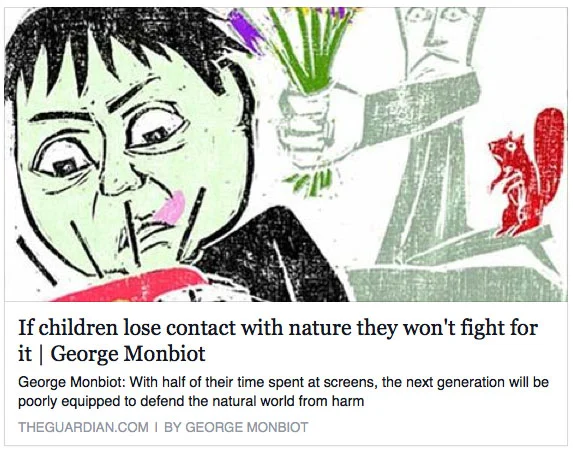
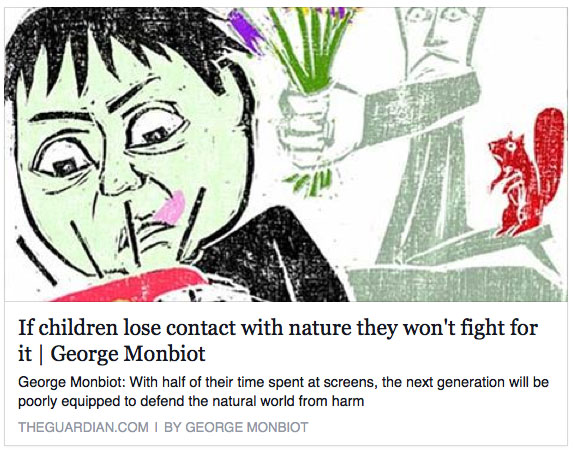
The assertion that children are losing their connection with nature, a sentiment echoed by many, recently gained prominent attention through an article by George Monbiot published in The Guardian. Monbiot’s piece, titled "If Children Lose Contact With Nature They Won’t Fight For It," posits a direct correlation between dwindling outdoor engagement and a diminished capacity for future environmental stewardship. While the premise of this correlation is widely accepted and resonates deeply with ecological advocates, the underlying analysis of the causes has sparked debate, with some critics arguing for a more nuanced understanding beyond a singular focus on digital distractions.
Amy Lenzo, a contributor to the ecopsychology community, has articulated a perspective that, while agreeing with Monbiot’s core concern, challenges the attribution of blame solely to the rise of on-screen engagement. Lenzo acknowledges the profound societal shifts that have altered children’s freedoms and access to the natural world, suggesting that these changes encompass more than just the internet’s ubiquity. Crucially, she posits that digital platforms, rather than being solely a cause of disconnection, may also offer pathways back to nature for contemporary youth. This viewpoint underscores a growing conversation about how technology, often perceived as an antagonist to nature connection, could potentially serve as a mediator and facilitator.
The Shifting Landscape of Childhood and Nature Exposure
Historically, children’s lives were intrinsically linked to the natural environment. For generations, outdoor play, exploration, and direct interaction with flora and fauna were not exceptional but rather a fundamental aspect of childhood development. The agrarian societies of the past, and even the more suburban environments of the mid-20th century, provided ample opportunities for unstructured outdoor experiences. Children learned about seasons, weather patterns, animal behaviors, and plant life through direct observation and participation. This immersion fostered an innate understanding and appreciation for the ecological systems that sustained them.
However, several converging factors have dramatically reshaped this landscape. Urbanization, leading to increased population density and a decline in accessible green spaces, has physically distanced many children from natural environments. Furthermore, heightened parental concerns about safety, coupled with the perceived need for structured, educational activities, have contributed to a reduction in unsupervised outdoor play. The rise of indoor entertainment, from television to video games and, more recently, a plethora of digital devices, has offered compelling alternatives to outdoor pursuits, drawing children’s attention and time.
Supporting Data:
Studies have consistently documented this trend. For instance, research published in Pediatrics has indicated a significant decrease in the amount of time children spend outdoors compared to previous generations. A report by the Children and Nature Network highlights that children in the United States spend, on average, only about 30 minutes a day in unstructured outdoor play, a stark contrast to the several hours commonly reported by their grandparents. Similarly, data from the UK suggests a concerning decline in children’s engagement with nature, with a significant percentage reporting infrequent visits to natural spaces. This decline is often correlated with increased screen time, with some estimates suggesting children can spend upwards of seven hours a day engaged with digital media.
Monbiot’s Argument: The Digital Divide and Environmental Advocacy
George Monbiot’s article argues that this erosion of direct experience with nature has profound implications for the future of environmentalism. He contends that the generation growing up with limited contact with the natural world will lack the visceral understanding and emotional connection necessary to become passionate advocates for its preservation. The argument posits that personal experiences of wonder, discovery, and even hardship in nature forge a deep-seated motivation to protect it. Without these formative experiences, Monbiot suggests, environmental issues may remain abstract concepts, devoid of the personal resonance needed to inspire meaningful action.
Monbiot’s critique of on-screen engagement suggests that digital media, by offering simulated or mediated experiences, fails to replicate the rich, multisensory, and often unpredictable realities of the natural world. He implies that this reliance on digital substitutes for real-world interaction can create a generation that is detached from the ecological crises they may eventually face. The implication is that if children do not "know" nature, they cannot "love" it, and if they cannot love it, they will not fight for it.
Lenzo’s Counterpoint: Technology as a Bridge, Not Just a Barrier
Amy Lenzo’s perspective offers a more optimistic and pragmatic view, suggesting that digital tools can, in fact, serve as valuable conduits to nature connection. Drawing from her own experience growing up as an introvert in the Arizona desert, where nature’s allure was perhaps less immediate and more challenging, Lenzo highlights the role of books in fostering her initial passion for the natural world. She extrapolates this to the present day, arguing that contemporary digital "books"—which encompass a vast array of multimedia content—can be even more effective in captivating young minds and drawing them into the "mystery and magic" of nature.
Lenzo’s argument is not to dismiss the importance of direct experience but to acknowledge the evolving landscape of information dissemination and engagement. She suggests that instead of lamenting the reality of digital immersion, we should focus on leveraging these platforms to cultivate ecological awareness and appreciation. This involves a conscious effort to imbue online interactions with a sense of connection to the natural world, rather than seeing them as inherently antithetical.
Analysis of Implications:
Lenzo’s viewpoint suggests a potential paradigm shift in how we approach environmental education and outreach. If technology can be effectively harnessed, it could democratize access to nature-related content, reaching children who may not have immediate physical access to diverse ecosystems. This could be particularly impactful for urban populations or those with limited mobility. The challenge, then, becomes one of developing high-quality, engaging, and authentic digital content that fosters genuine curiosity and a sense of belonging to the natural world. This requires a deeper understanding of how digital media can simulate sensory experiences, convey emotional resonance, and inspire curiosity, rather than simply presenting factual information.
The Indispensable Value of Direct Nature Engagement
Both Monbiot and Lenzo, despite their differing emphasis on the role of technology, unequivocally agree on the fundamental importance of children’s direct engagement with the natural world. The benefits of such engagement are well-documented and span multiple domains:
- Cognitive Development: Exposure to nature has been linked to improved cognitive functions, including attention, concentration, and problem-solving skills. Unstructured outdoor play encourages creativity and imaginative thinking.
- Physical Health: Outdoor activities promote physical fitness, reducing the risk of obesity and related health issues. Fresh air and sunlight contribute to overall well-being.
- Emotional and Mental Well-being: Spending time in nature has a demonstrable calming effect, reducing stress, anxiety, and symptoms of depression. It fosters a sense of awe, wonder, and a connection to something larger than oneself.
- Social Development: Outdoor play often involves collaboration, negotiation, and shared exploration, fostering essential social skills.
Supporting Data:
Numerous studies underscore these benefits. Research from the University of Illinois has shown that even short periods of time spent in nature can improve attention spans in children. Studies on "forest bathing" (Shinrin-yoku) in Japan have highlighted its therapeutic effects on stress reduction and immune function. Furthermore, ecological psychologists emphasize the concept of biophilia, the innate human tendency to connect with nature, suggesting that this connection is crucial for our psychological and physiological health.
Reimagining Connection: Integrating Digital and Physical Worlds
Lenzo’s call to action emphasizes the need to imbue our online engagement with nature-connection. This involves a conscious effort to remain grounded and present, even when interacting digitally. Key aspects of this approach include:
- Mindful Online Presence: Recognizing that our online interactions occur within a broader context of the physical world. Remembering that the individuals we are communicating with are embodied beings, situated within specific environments.
- Sensory Language and Imagery: Utilizing descriptive language and evocative photography that appeals to the senses, helping to bridge the gap between the digital and the physical. This could involve sharing detailed observations of textures, sounds, smells, and visual nuances of the natural world.
- Interactive Digital Tools: Developing and utilizing digital platforms that go beyond passive consumption. This could include interactive nature identification apps, virtual reality experiences of natural landscapes, or citizen science projects that engage users in data collection and analysis related to the environment.
- Storytelling and Narrative: Leveraging the power of stories to convey the wonder and importance of nature. Digital platforms can be powerful tools for sharing personal narratives of nature connection, scientific discoveries, and environmental challenges.
Chronology of Concern and Response:
The concern over children’s declining connection with nature is not new. The concept of "nature deficit disorder" was popularized by Richard Louv in his 2005 book, Last Child in the Woods. This brought the issue into mainstream discourse. Since then, a proliferation of research, advocacy groups (like the Children and Nature Network), and educational initiatives have emerged, aiming to reconnect children with the outdoors. Monbiot’s article represents a contemporary contribution to this ongoing conversation, reflecting the persistent nature of the problem and the search for effective solutions. Lenzo’s response, published in 2016, suggests an evolving perspective within the ecopsychology community, acknowledging the need to adapt strategies to the digital age.
The Imperative of a Holistic Approach
The debate between focusing solely on the perceived detriments of technology and embracing its potential as a tool for connection highlights the need for a holistic approach. While the allure of screens is undeniable and its impact on outdoor time significant, dismissing digital platforms entirely may be a disservice to their potential. The core imperative remains: to foster a deep and abiding love for the natural world in the next generation.
This requires a multi-pronged strategy:
- Advocacy for Accessible Green Spaces: Continuing to champion policies and urban planning that ensure ample and safe access to natural environments for children and families.
- Educational Reform: Integrating nature-based learning into school curricula, encouraging outdoor field trips, and supporting environmental education programs.
- Parental and Community Engagement: Raising awareness among parents and communities about the benefits of nature connection and providing resources and opportunities for families to engage outdoors.
- Innovative Digital Engagement: Thoughtfully developing and utilizing digital tools that complement, rather than replace, direct experiences in nature, fostering curiosity, learning, and a sense of stewardship.
Ultimately, the goal articulated by both Monbiot and Lenzo is to ensure that future generations understand, value, and actively protect the planet. The path to achieving this may involve navigating the complexities of our modern, digitally-infused world, finding creative ways to bridge the gap between the virtual and the visceral, and recognizing that our inherent connection to the land, as Lenzo so eloquently puts it, "we are all of the land, and belong to it." The challenge lies in effectively communicating this profound truth, utilizing every available tool, both digital and physical, to cultivate a generation of passionate environmental stewards.

