


On reconciling the incongruences of early parenting and dharma training, Adriana DiFazio reflects on a journey marked by unexpected challenges and evolving perspectives within her Buddhist practice.
Adriana DiFazio, a practitioner who has navigated the demanding terrain of early parenthood alongside her dedication to Buddhist teachings, recently shared her evolving relationship with dharma training in a personal reflection. The piece, originally published on her Substack "Radical Change," delves into the profound incongruences she experienced between the idealized tenets of her spiritual path and the visceral realities of raising young children. DiFazio’s narrative offers a candid exploration of the grief, shame, and eventual acceptance that have characterized her journey, providing a nuanced perspective for others grappling with similar dualities.
The catalyst for DiFazio’s reflection was a direct inquiry from a dharma friend: "Will you tell me about what it’s like to be a mom and practice the dharma?" This seemingly simple question prompted a significant internal reckoning, revealing a stark contrast between her current lived experience and the understanding she held just five years prior. "I was exhausted after a night of broken sleep, side-lying and nursing Uma, but I was surprised to realize how different my answer would be from the one I might have given five years ago," DiFazio writes. This initial statement sets the stage for a deeper examination of how the demands of motherhood reshaped her perception and integration of Buddhist practice.
An Unexpected Beginning and Early Struggles
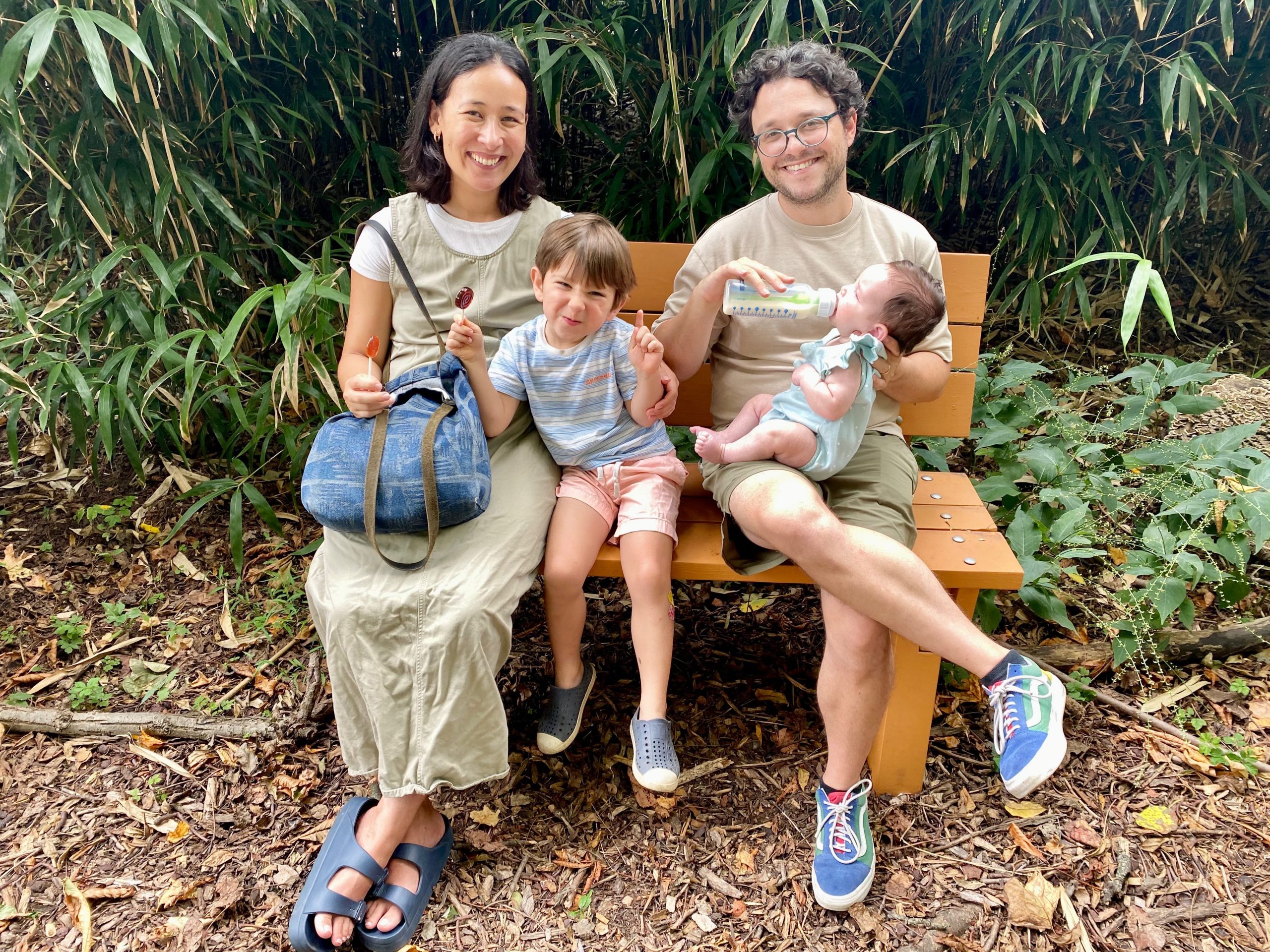
DiFazio recounts the unexpected discovery of her first pregnancy with her son, Bo, at 27, a period she described as a time of clarity and enthusiasm for her burgeoning academic future in graduate school. The news of being eleven weeks pregnant was, in her words, "devastating." Unprepared for parenthood in every conceivable way, she found herself unable to proceed with an abortion, leading to a period of profound internal conflict. "I spent the next six months smiling through clenched teeth and held back tears whenever someone congratulated me on my pregnancy," she reveals, articulating the pervasive sense of personal loss and the feeling that her dharma path, her very life, was irrevocably altered.
The challenges intensified with Bo’s arrival. His intense neediness—requiring constant physical proximity to fall asleep and being soothed exclusively by his mother—created an unsustainable cycle of exhaustion. "Bo could never be placed down without crying and only fell asleep while attached to me and nursing. No one could soothe him but me," DiFazio explains. This relentless demand on her physical and emotional resources left her questioning her own well-being and her capacity to engage with her spiritual life. She recalls a conversation with her therapist, who inquired about postpartum depression, to which DiFazio responded with a poignant observation: "no, I think I have the same type of depression anyone would develop if they only showered once a week, and spent their days in a dark room with an inconsolable infant attached to their nipple."
The Perceived Irrelevance of Formal Practice
During this period, DiFazio continued her academic study of Buddhism, but her faith in its practical application began to wane. Formal Buddhist training, particularly seated meditation, felt increasingly disconnected from her lived reality. The prevalent "mindful mama" advice, often promoted in spiritual circles, seemed either cliché or dismissive, catering to a perceived ideal of effortless, serene motherhood that bore no resemblance to her own experience. "Any type of ‘mindful mama’ advice felt like either a cliche or a mean joke, catered to a certain type of mom with a specific type of easygoing baby," she states.
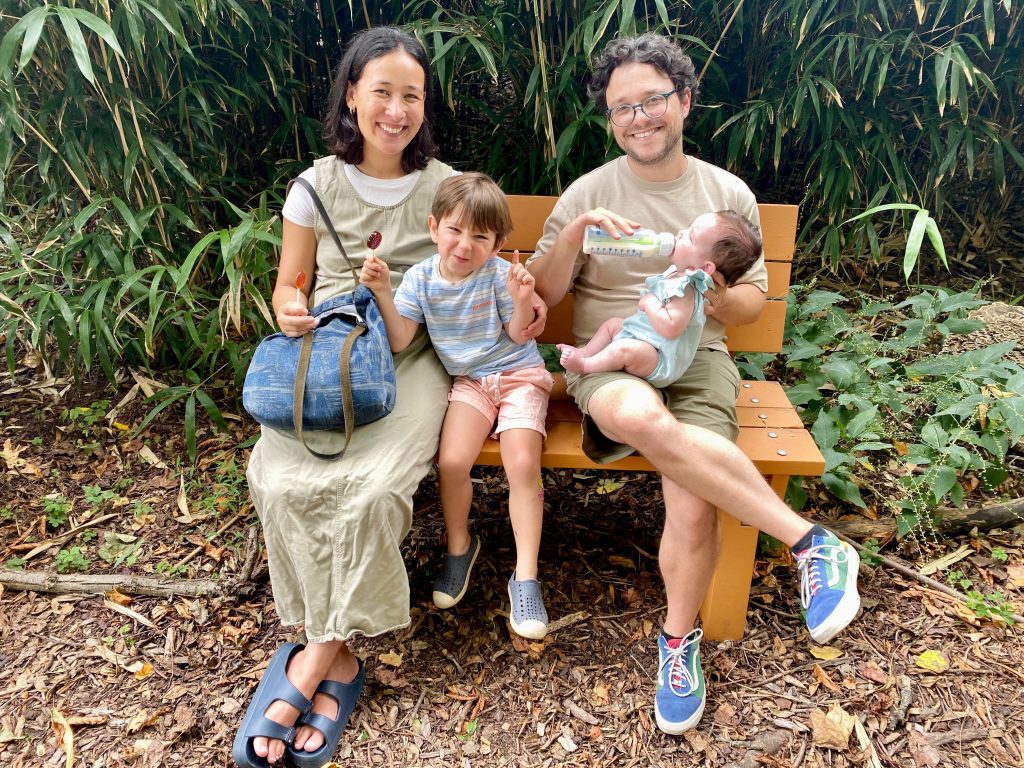
Her academic pursuits, specifically an independent study on the sacred feminine in Tibetan Buddhism, further amplified her feelings of inadequacy. While studying the autobiography of Yeshe Tsogyal, a revered female bodhisattva, DiFazio found herself more deeply entrenched in grief and resentment rather than empowerment. She notes with a touch of irony that Tsogyal repeatedly expressed a desire to avoid the entanglements of children and marriage, viewing them as obstacles to awakening. This stark contrast to her own situation led to a disheartening exchange with a female dharma teacher. When asked how she reconciled her practice with young children, the teacher shared that she had traveled to Nepal for a month, leaving her two-year-old behind due to the paramount importance of her practice. "I thought about my own almost-2-year-old, whom I could barely leave for one night, and felt like a failure," DiFazio confesses.
The author acknowledges that some might point to figures like Machig Labdron, who had children and was a prominent practitioner, as evidence that motherhood and dedicated spiritual practice are compatible. However, for DiFazio, these examples initially served to highlight her perceived shortcomings, representing mothers who were "more dedicated or disciplined or prioritized their spiritual practice." This perspective underscores the internal pressure and self-judgment she experienced.
Re-evaluating the Conditions for Practice
DiFazio’s experience led her to a crucial realization: the formal Buddhist training that had shaped her relied heavily on a specific set of life circumstances. "Parenting, and trying to incorporate elements of my former dharma practice into it, simply revealed to me how much the kind of formal Buddhist training that had shaped me relied on having a very specific set of conditions and circumstances," she articulates. She draws a clear distinction between the experiences of different parents, noting, "A parent whose child does not call for them throughout the night and is therefore able to wake up at 5 a.m. to sit before the rest of the house wakes up is having a radically different experience than a parent who is tending to a child multiple times a night and can barely function."

She clarifies that her critique is not an indictment of Buddhism itself but rather a recognition of how Western Buddhism has adapted monastic training for lay audiences, often emphasizing seated meditation. DiFazio concedes that families worldwide incorporate children into Buddhist practices through age-appropriate means like rituals, stories, chanting, and devotional practices. She even recalls instances at a monastery where children were present in the meditation hall, albeit with the inherent fidgeting and movement of young ones.
The Transformative Power of Parenting
Despite the challenges, DiFazio acknowledges the profound spiritual growth that parenting has facilitated. "Parenting has simultaneously blasted my heart wide open and demanded a bodhisattva level of patience," she observes. This intensive period of nurturing her children has compelled her to relinquish ego-driven preferences and has revealed her own inner strength, particularly through her experiences of giving birth at home.
However, she maintains that it is disingenuous to overlook the unique demands of systematic spiritual training. "Whatever form training takes, it requires a certain combination of time, energy, repetition. There is a difference between life giving us opportunities to exercise the fruits of practice and having the conditions to systematically train in them," she asserts. This highlights the distinction between experiencing the consequences of practice and having the dedicated time and space for its deliberate cultivation.
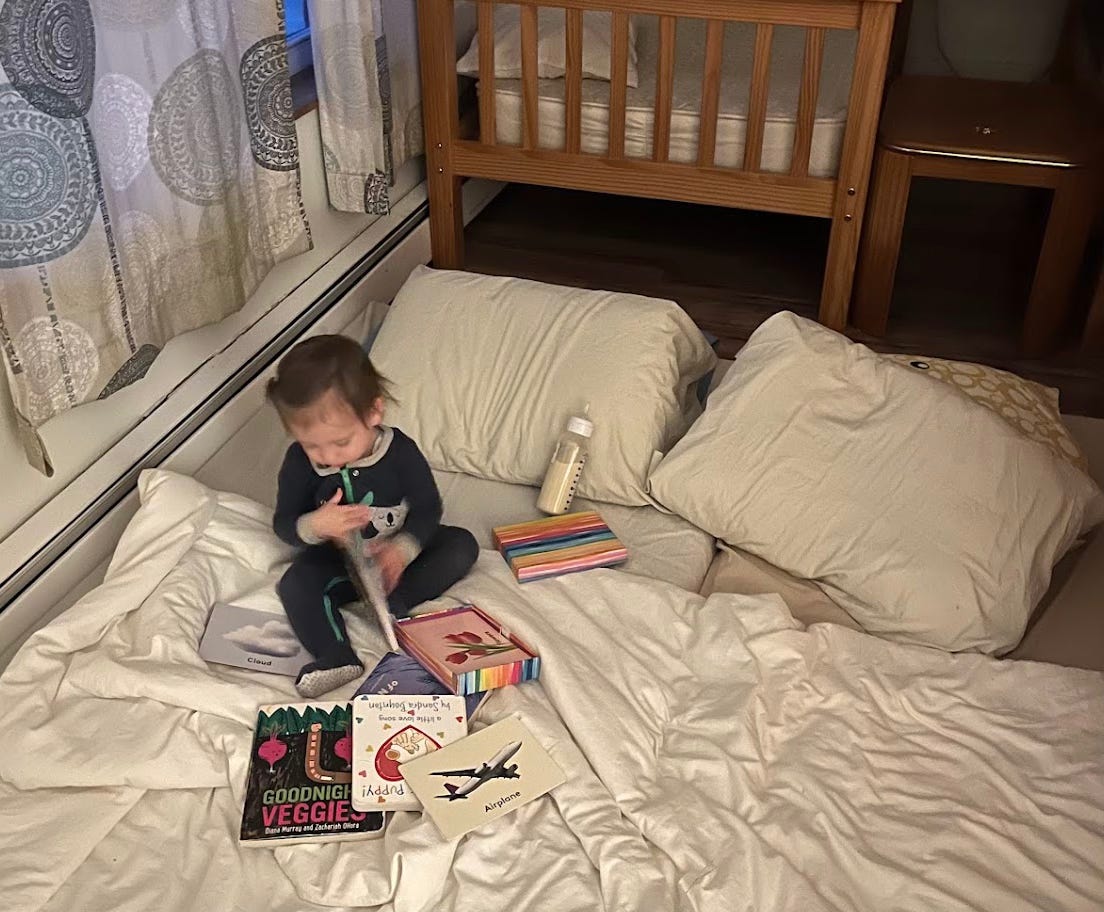
DiFazio also addresses the well-intentioned but often impractical advice of short mindfulness exercises, such as savoring a cup of coffee or mindfully washing dishes. While these practices can be supportive, she argues, they are most effective when grounded in a foundation of sustained formal practice, rather than being presented as a substitute. Furthermore, such suggestions can feel insufferable when a parent is already overwhelmed by a child’s demands and sensory overload.
Acceptance and Evolving Perspectives
For a significant period, DiFazio’s grief stemmed from the belief that she had to postpone her practice until her children were older or that her practitioner identity would be lost or irrevocably altered by parenthood. She struggled to maintain the continuity of her pre-Bo practitioner self, seeking ways to integrate parenting into her path without feeling a sense of loss.
Five years later, now with an infant and an older, more independent child, DiFazio’s response to her friend’s inquiry has transformed. She has found peace in releasing the need to force parenting into her established understanding or practice of Buddhism. "I finally don’t need to combine parenting and Buddhist training, or have them make sense to each other, in order to appreciate their independent value and meaning," she concludes. This acceptance signifies a profound shift, acknowledging that while the dharma permeates all aspects of life, the distinct nature and value of parenting and formal spiritual training can coexist without needing to be perfectly aligned or merged. This evolving perspective offers a valuable framework for many practitioners who find themselves navigating the complex interplay of family life and spiritual commitment.

