

The scientific and public understanding of protein quality, a cornerstone of nutritional guidance, is undergoing a critical re-evaluation, with emerging evidence suggesting that current definitions may be misaligned with optimal human health outcomes, particularly in industrialized nations. A growing body of research indicates that the prevailing methods for assessing protein quality, often rooted in biochemical considerations, may not adequately capture the complex interplay between protein sources and long-term well-being. This shift in perspective, spearheaded by public health advocates and researchers, argues for a modernization of protein quality definitions to prioritize their impact on chronic disease prevention and overall longevity, rather than solely focusing on amino acid profiles or digestibility.
The Historical Context of Protein Quality Assessment
For decades, the concept of "protein quality" has largely been determined by the essential amino acid composition of a protein source and its bioavailability. The Protein Digestibility Corrected Amino Acid Score (PDCAAS) and, more recently, the Digestible Indispensable Amino Acid Score (DIAAS) are prominent metrics that aim to quantify how well a protein source provides the essential amino acids humans require. These methods typically favor animal-derived proteins, such as meat, eggs, and dairy, which tend to possess a more complete and readily digestible profile of these crucial building blocks. This has, in turn, contributed to a pervasive public perception that animal proteins are inherently superior and that higher consumption of these sources is universally beneficial.
However, this biochemical focus has often overshadowed broader public health considerations. In many parts of the world, protein malnutrition, characterized by conditions like kwashiorkor, remains a significant concern. Yet, in industrialized nations, the primary public health challenges have shifted dramatically from acute malnutrition to the pervasive burden of chronic, non-communicable diseases. These include cardiovascular disease, type 2 diabetes, certain cancers, and obesity, which are now the leading causes of premature mortality.
Challenging the Status Quo: New Research and Shifting Paradigms
A pivotal moment in this discourse arrived in 2019 with the publication of a "public health case for modernizing the definition of protein quality" by Dr. David Katz and colleagues, a study that included contributions from prominent researchers like David Jenkins. This seminal work highlighted the disconnect between traditional protein quality metrics and the public health realities of affluent societies. It posited that the prevailing emphasis on animal protein, driven by older biochemical definitions, might be inadvertently conflicting with contemporary dietary guidelines that advocate for increased plant consumption.
The implications of this divergence are significant. If the dominant understanding of protein quality continues to implicitly favor animal products, it could perpetuate dietary patterns that contribute to the very chronic diseases that plague industrialized nations. This is especially concerning given the growing body of epidemiological evidence linking higher consumption of certain animal proteins to adverse health outcomes.
Landmark Studies Illuminate the Link Between Animal Protein and Mortality

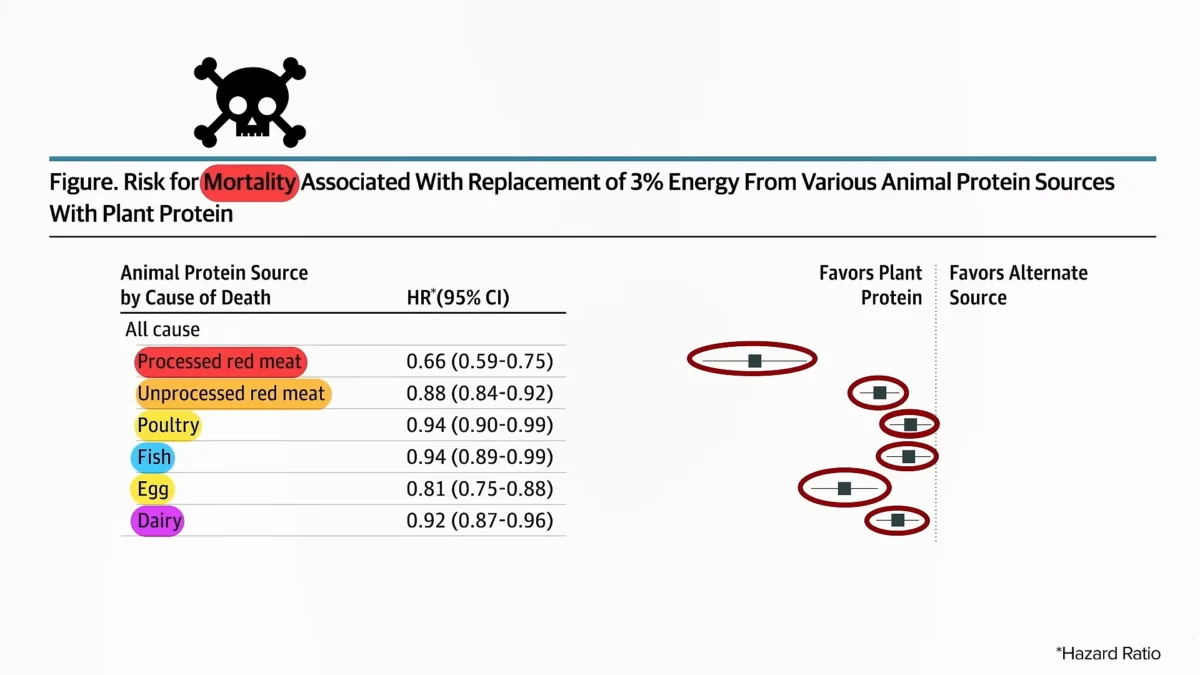
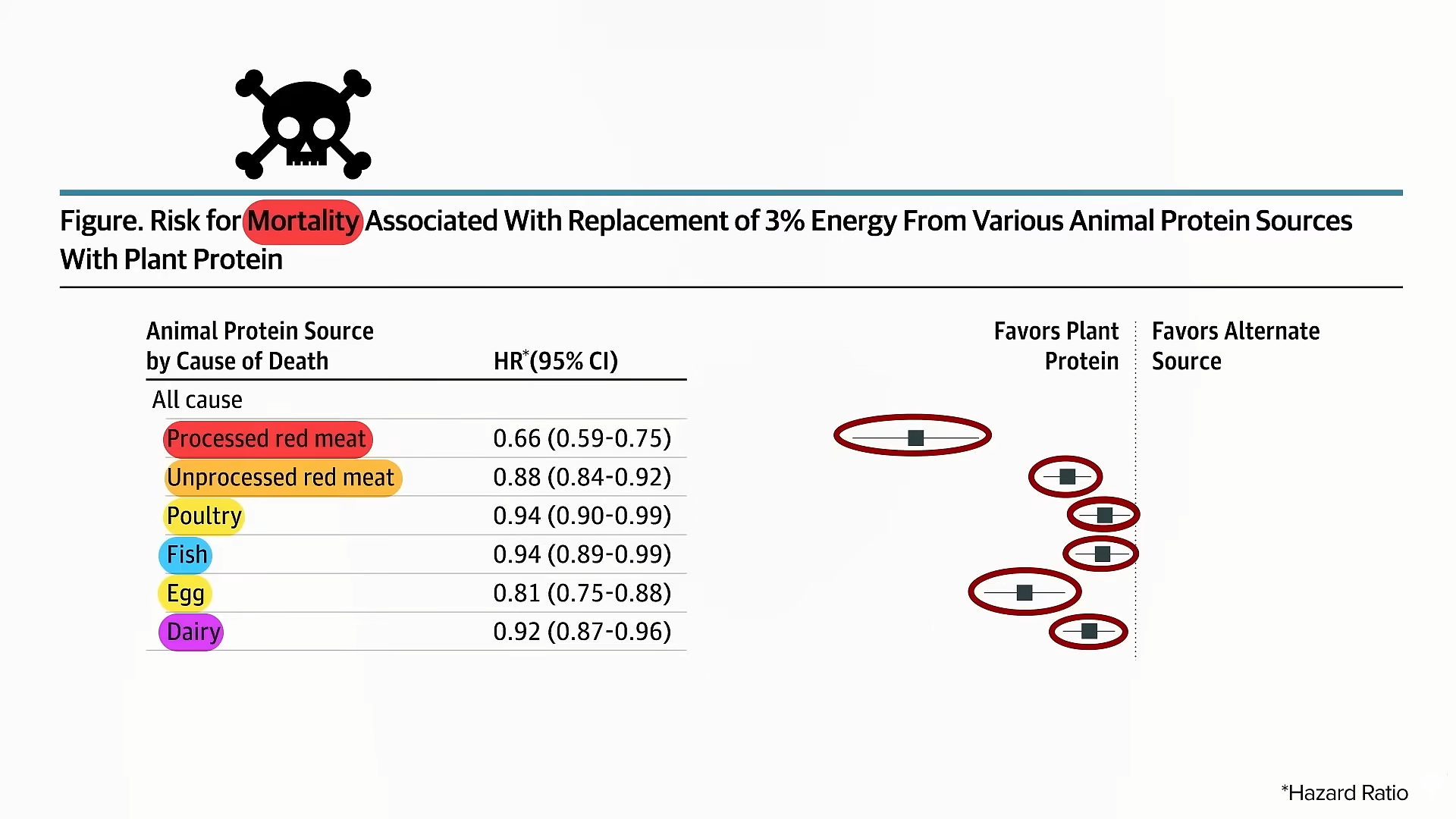
A landmark study published in 2016, involving over 100,000 participants, provided compelling data supporting the argument for a shift in dietary protein focus. This research, conducted by Harvard University researchers, found a significant association between replacing animal protein with plant-based protein and a reduced risk of premature death. The study meticulously analyzed dietary patterns and mortality rates, revealing that even a modest substitution of animal protein for plant protein could yield substantial health benefits.
Specifically, the research indicated that processed meats, such as bacon, and egg protein, particularly egg whites, were associated with the most significant negative health impacts when consumed in higher quantities. However, the benefits extended beyond these specific sources. Swapping as little as 3% of an individual’s total protein intake from animal sources—including unprocessed meat, poultry, fish, eggs, or dairy—to plant-based alternatives was linked to a significantly lower risk of mortality, arguably the most critical health endpoint.
This finding was further reinforced by the U.S. National Institutes of Health-AARP Diet and Health Study, one of the largest dietary cohort studies ever conducted, encompassing approximately 400,000 participants. This extensive research corroborated the earlier findings, demonstrating that replacing just 3% of calories from animal protein with plant protein was associated with a 10% reduction in overall mortality. The benefits were even more pronounced when egg consumption was also reduced or eliminated, with a potential doubling of the observed mortality reduction. This aligns with other research that has linked higher egg consumption to an increased risk of developing cardiovascular disease.
Unraveling the Mechanisms: Beyond Amino Acids
The crucial question then arises: if protein is protein, how can our bodies differentiate between sources, and what are the underlying mechanisms driving these observed health disparities? Researchers have begun to explore several potential explanations that extend beyond the simple amino acid profile.
One significant area of investigation focuses on branched-chain amino acids (BCAAs)—leucine, isoleucine, and valine. While essential for protein synthesis, studies suggest that plant proteins are generally lower in BCAAs compared to animal proteins. Research has indicated that a decreased consumption of BCAAs can improve metabolic health. This difference in BCAA content might be a key factor in the differential health impacts of animal versus plant proteins.
Another compelling hypothesis involves Insulin-like Growth Factor 1 (IGF-1). Animal proteins, particularly those deemed "high-quality" due to their amino acid profiles, have been shown to stimulate the production of IGF-1. This growth hormone, while crucial for development, has also been implicated in the promotion of certain cancers and has been linked to an increased risk of chronic diseases like type 2 diabetes and heart disease. Studies have shown that individuals born with naturally higher IGF-1 levels, irrespective of their diet, tend to experience higher rates of these debilitating conditions, suggesting a causal relationship.
Furthermore, the potential role of environmental contaminants cannot be overlooked. Pollutants such as dioxins and polychlorinated biphenyls (PCBs) are known to accumulate in fatty tissues and biomagnify up the food chain. Consequently, animal products, including meat, poultry, fish, and dairy, can carry a higher body burden of these toxic substances. Therefore, opting for plant-based proteins may not only offer nutritional advantages but also serve as a strategy to reduce exposure to these harmful environmental toxins. As researchers aptly put it, "plant-based protein, besides other health benefits, stands as an important step to lower the body burden of harmful pollutants of dietary animal-protein origin."
A Broader Perspective on Dietary Protein and Longevity
Synthesizing the findings from numerous studies on dietary protein intake and mortality paints a consistent picture. While a higher overall protein intake has been associated with shorter lifespans in some populations, this trend is largely driven by the detrimental effects of animal protein consumption. Conversely, plant protein intake appears to be inversely associated with mortality, meaning that individuals who consume more plant-based protein tend to live longer, healthier lives.
This distinction is critical. It suggests that the narrative of simply consuming "more protein" is an oversimplification. The focus must shift to the type of protein consumed. Increased animal protein intake may correlate with increased mortality, whereas increased plant protein intake is consistently linked to decreased mortality.
Implications for Public Health Policy and Individual Choices
The implications of this evolving understanding of protein quality are far-reaching for both public health policy and individual dietary choices.
Public Health Policy and Nutritional Guidelines
Nutritional guidelines, which are instrumental in shaping public health campaigns and food recommendations, need to reflect this emerging scientific consensus. The current emphasis on traditional protein quality metrics, which may inadvertently favor animal products, requires re-examination. Policymakers and public health organizations should consider:
- Modernizing Protein Quality Definitions: Incorporating health outcomes and disease risk into the definition of protein quality, moving beyond purely biochemical assessments. This could involve developing new metrics or refining existing ones to better account for the complex health impacts of different protein sources.
- Promoting Plant-Based Protein Sources: Actively encouraging the consumption of diverse plant-based protein sources, such as legumes, nuts, seeds, and whole grains, through public awareness campaigns, educational initiatives, and potentially policy interventions.
- Revising Dietary Recommendations: Adjusting official dietary recommendations to reflect the evidence linking plant protein to longevity and reduced chronic disease risk, and potentially advising a reduction in the consumption of high-risk animal protein sources.
Individual Dietary Choices and Health Outcomes
For individuals, this research offers a clear directive: prioritize plant-based protein sources. This shift does not necessarily necessitate complete veganism or vegetarianism but rather a conscious effort to increase the proportion of plant protein in one’s diet.
- Strategic Substitution: Making simple swaps, such as incorporating lentils into soups, adding beans to salads, or choosing tofu or tempeh as meat alternatives, can have a significant cumulative impact on health.
- Reducing High-Risk Animal Proteins: Limiting the intake of processed meats and potentially moderating consumption of eggs and other red meats can contribute to a lower risk of chronic diseases.
- Holistic Dietary Approach: Recognizing that protein is just one component of a healthy diet. A balanced intake of fruits, vegetables, whole grains, and healthy fats, alongside a focus on plant-based proteins, offers the most comprehensive approach to well-being.
The notion that one needs to meticulously combine specific plant proteins, such as rice and beans, to obtain a "complete" protein profile has been largely debunked by scientific consensus. The body is adept at obtaining all necessary amino acids over the course of a day through a varied diet. The focus should be on overall dietary patterns rather than rigid rules about protein combining.
Looking Ahead: The Future of Protein Nutrition
The ongoing re-evaluation of protein quality represents a significant evolution in our understanding of nutrition and its impact on public health. As research continues to unveil the intricate mechanisms linking diet to disease, it is imperative that our nutritional frameworks adapt. By embracing modernized definitions of protein quality that prioritize health outcomes and longevity, and by encouraging a greater reliance on plant-based protein sources, individuals and societies can take a proactive step towards mitigating the growing burden of chronic diseases and fostering a healthier future. The evidence strongly suggests that shifting towards plant protein is not merely a dietary trend but a public health imperative with profound implications for human well-being.

