

The global health landscape is dominated by a silent epidemic, one intricately linked to our daily dietary habits. Among the myriad of detrimental food choices contributing to chronic diseases, high dietary sodium intake, commonly known as excessive salt consumption, stands as the paramount risk factor. Scientific consensus points to this ubiquitous ingredient as a leading cause of preventable deaths worldwide, estimated to be responsible for millions of fatalities annually. Its insidious impact primarily manifests through adverse effects on blood pressure regulation, significantly elevating the risk of stroke, heart attack, and irreversible kidney damage. Hypertension, or high blood pressure, continues to be tragically labeled the "silent and invisible killer" due to its often asymptomatic nature. Despite its lack of overt symptoms, hypertension remains one of the most potent independent predictors of mortality, underpinning many of the leading causes of death.
Our evolutionary past paints a starkly different picture of human dietary patterns. For millennia, humans thrived on diets rich in potassium and remarkably low in sodium. This fundamental balance has been dramatically inverted in the modern era. This profound dietary shift reflects a departure from traditional, plant-based eating patterns, which were naturally abundant in potassium and scarce in sodium. The decline in consumption of fruits, leafy greens, root vegetables, and tubers— staples of ancestral diets—has been paralleled by a surge in the intake of highly processed, sodium-laden foods that have been systematically stripped of their natural potassium content. Consequently, potassium has been designated a "nutrient of public health concern," with an alarming statistic revealing that a staggering 98% of the U.S. population fails to meet the recommended minimum daily intake. The deficiency in potassium intake itself is not a minor concern; it is increasingly implicated in the development of high blood pressure and cardiovascular disease. Despite this growing body of evidence, a significant gap persists in clinical practice, with few physicians actively recommending increased consumption of potassium-rich foods, such as fruits and vegetables, as a primary strategy for blood pressure management. This is particularly concerning given that numerous meta-analyses have consistently confirmed a correlation between higher potassium intake and a reduced risk of stroke.
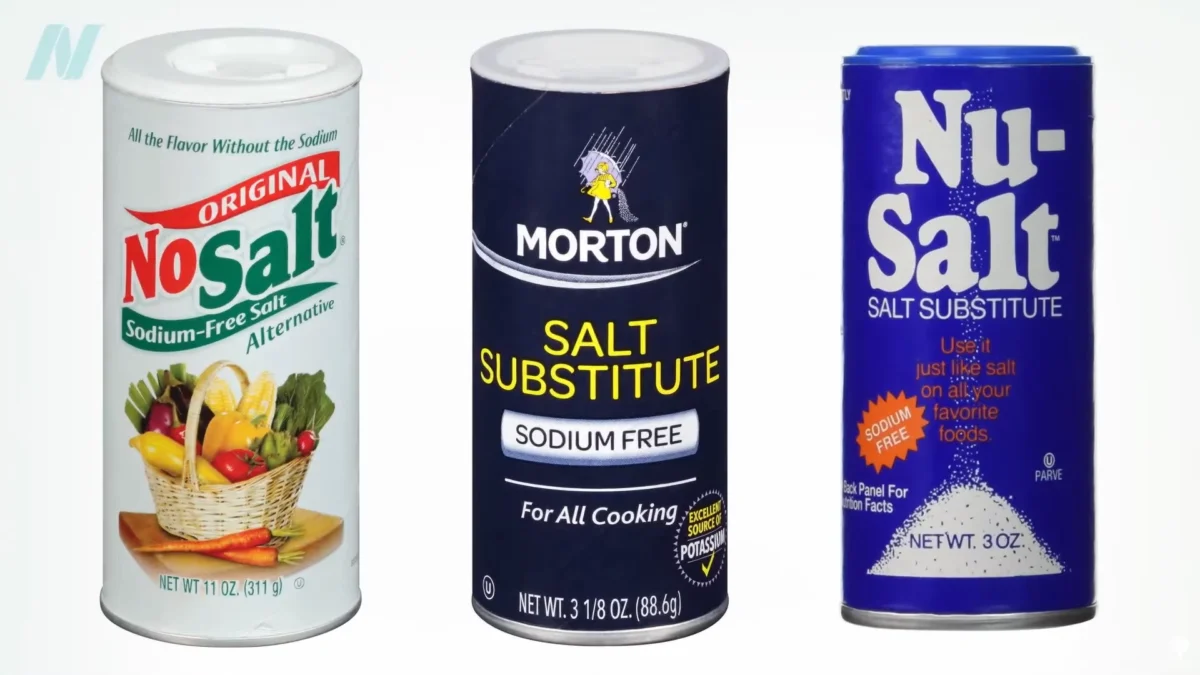
The protective effects of potassium extend beyond its influence on blood pressure. Research indicates a reduction in stroke risk that is independent of its blood pressure-lowering capabilities. This suggests additional protective mechanisms, including the mitigation of blood clot formation, the reduction of arterial stiffness, and the inhibition of free radical generation, all crucial for cardiovascular health. Conversely, elevated sodium intake is linked to a significant 20% increase in the risk of premature death. In a striking parallel, higher potassium intake is associated with a 20% reduction in the risk of premature mortality. This dichotomy raises a pertinent question: given that processed foods are a primary source of sodium while nutrient-dense foods like beans and greens are rich in potassium, could the combination of low sodium and high potassium intake simply be a marker for a healthier overall diet, characterized by a greater reliance on plant-based foods and a reduced consumption of processed "junk" food? The causal link between sodium and adverse health outcomes is firmly established through rigorous scientific inquiry. Randomized controlled trials have unequivocally demonstrated that reducing sodium intake leads to a measurable decrease in blood pressure. Similarly, randomized controlled trials have shown that supplementation with potassium can effectively lower blood pressure. This leads to a compelling inquiry: what about the potential of utilizing potassium chloride as a salt substitute, replacing traditional sodium chloride? This is the fundamental premise behind many "zero-sodium" salt substitutes, a topic explored in depth within nutritional science and public health discourse.
The Rise of Potassium Chloride as a Salt Substitute
Potassium chloride is recognized as a naturally occurring mineral salt, harvested and processed through methods akin to those used for conventional sodium salt. In a world grappling with the dual challenges of excessive sodium consumption and insufficient potassium intake, the adoption of potassium chloride presents a seemingly straightforward, "win-win" solution.
While the optimal strategy for increasing potassium intake remains the consumption of whole, unprocessed plant foods—which offer a rich matrix of vitamins, minerals, and fiber—the practical implications of potassium chloride as a salt substitute are becoming increasingly evident. Currently, a substantial body of evidence, comprising over ten studies and eleven randomized controlled trials, indicates that the simple act of substituting a portion of regular salt with potassium chloride can lead to significant reductions in blood pressure among individuals diagnosed with hypertension. Furthermore, these findings suggest that salt substitutes may play a crucial role in the primary prevention of hypertension itself. The efficacy of salt substitutes in lowering blood pressure is well-documented. However, the critical question remains whether this translates into a tangible decrease in the incidence of hypertension and, more importantly, a reduction in severe disease endpoints such as stroke and overall mortality. Establishing such a link requires rigorous, long-term investigation.
Landmark Trials Illuminate the Impact of Salt Substitution
A pivotal randomized controlled trial provided compelling evidence for the preventative benefits of salt substitution. In this study, households were instructed to replace their regular salt with a mixture containing a quarter potassium chloride. The results were remarkable: the majority of participants either could not discern the difference in taste or even expressed a preference for the potassium-modified salt. More significantly, the adoption of this reduced-sodium, potassium-enriched salt was associated with a dramatic halving of the risk of developing hypertension.
The investigation did not stop at blood pressure; subsequent research delved into the long-term effects on cardiovascular disease mortality. In a meticulously designed study involving five kitchens within a veterans’ retirement home, meals were prepared for approximately two and a half years using either regular salt or, unbeknownst to the cooks and residents, a 50/50 blend of sodium chloride and potassium chloride. The findings were profound: individuals in the group consuming the half-potassium salt experienced a remarkable 40% reduction in their risk of dying from cardiovascular disease. This intervention was also associated with an increased average lifespan, extending life expectancy by nearly a year. The researchers calculated that the difference in life expectancy at age 70 was "equivalent to that which would have naturally occurred in 14 [years]," suggesting that merely switching to a half-potassium salt substitute could effectively make individuals appear more than a decade younger in terms of their risk of premature death.
Further reinforcing these findings, a recent, large-scale randomized controlled trial conducted in China, involving over 20,000 participants across 600 villages over a five-year period, yielded similarly impactful results. Participants were assigned to receive either a salt substitute composed of a quarter potassium chloride or regular salt. The study revealed that the salt substitute not only significantly reduced the incidence of strokes and overall cardiovascular events but also led to a decrease in mortality from all causes.
China’s Context and the Global Food Industry
The setting of the Chinese trial is particularly relevant. In China, up to 75% of the population’s sodium intake originates from salt added during home cooking or dining. This contrasts with the American diet, where a substantial portion of sodium is derived from pre-packaged meats and processed foods. Nevertheless, the potential for food manufacturers to voluntarily transition to potassium chloride-based seasonings remains a significant avenue for public health intervention. The persistent question remains: why have major food corporations been slow to embrace these beneficial salt substitutes, and why has widespread public adoption not materialized, particularly given their comparable taste profiles and demonstrable health benefits?
A review published by the Mayo Clinic aptly highlights this potential, with the title "Achieving the Benefits of a High-Potassium, Paleolithic Diet, Without the Toxicity." This encapsulates the promise of salt substitution as a means to harness the health advantages of ancestral diets without the associated risks. The integration of salt substitutes into mainstream dietary recommendations and culinary practices is a topic of ongoing discussion, prompting commentaries such as "Is Salt Substitution Ready for Prime Time?"
Navigating the Safety Landscape
While the evidence supporting the benefits of salt substitution is compelling, a crucial aspect that warrants thorough examination is safety. Concerns have been raised regarding the "inclusion of potentially fatal salt substitutes in the food supply." This apprehension stems from the potential for potassium chloride to pose risks to individuals with certain pre-existing health conditions, particularly those with impaired kidney function or those taking specific medications that can affect potassium levels. Hyperkalemia, a condition characterized by dangerously high potassium levels in the blood, can have serious, even life-threatening, consequences, including cardiac arrhythmias. Therefore, responsible implementation and informed consumer choice are paramount.
A Continuing Dialogue on Salt and Potassium
This article represents the second installment in a three-part series dedicated to exploring the complex relationship between salt and potassium and their profound impact on public health. The initial segment, "The Mineral Intake Recommendations Only 1 in 6,000 U.S. Adults Meet," laid the groundwork by detailing the pervasive mineral deficiencies that plague modern diets. The series will conclude with an in-depth examination of the safety and efficacy of potassium chloride salt substitutes in "Are Potassium Chloride Salt Substitutes Safe and Effective?" For those seeking a deeper understanding of the direct impact of sodium on blood pressure, the video presentation "The Evidence That Salt Raises Blood Pressure" offers a comprehensive review of the relevant randomized controlled trials.
The ongoing scientific exploration into the benefits and potential risks of salt substitution underscores the critical need for public awareness and informed dietary choices. As research continues to illuminate the intricate mechanisms by which sodium and potassium influence human health, the potential for simple dietary adjustments to yield significant improvements in cardiovascular outcomes and overall longevity becomes increasingly apparent. The journey towards a healthier population hinges on translating this scientific knowledge into actionable strategies that empower individuals and influence the food industry at large.

