

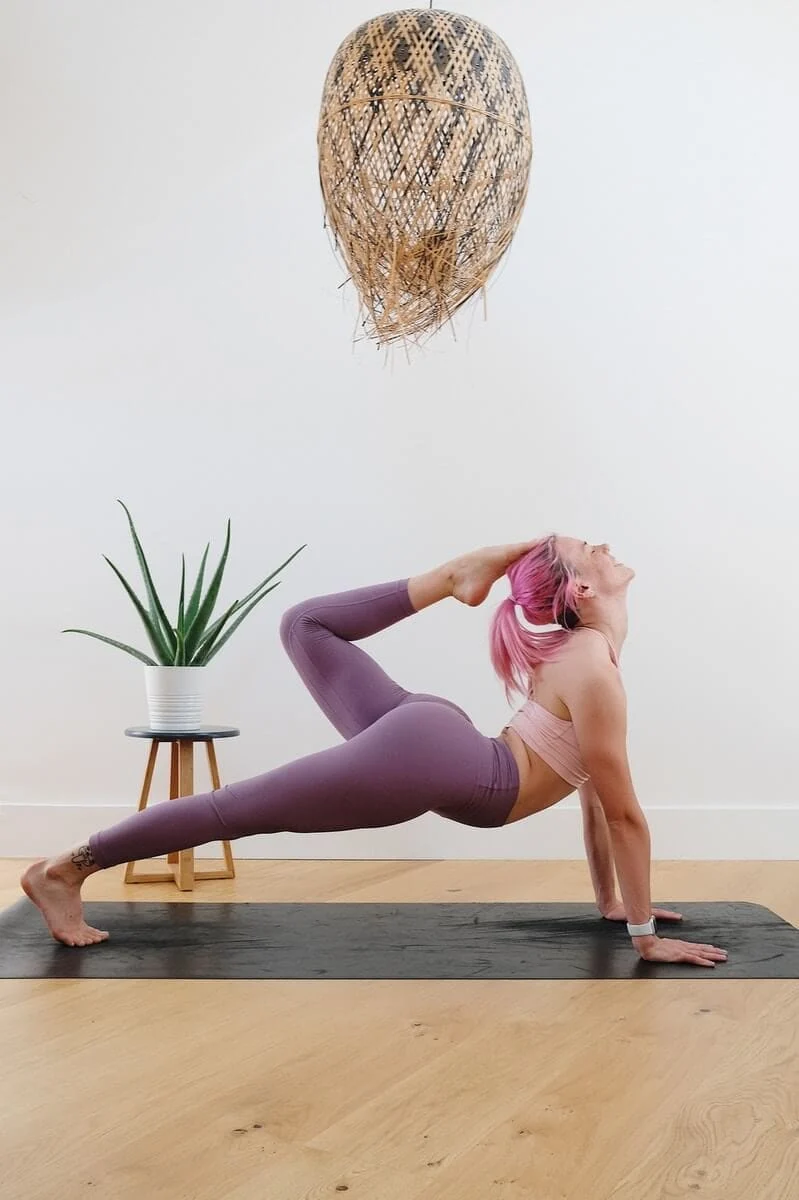
The DoYou Global Yoga Survey 2021, a comprehensive study encompassing over 10,000 respondents from 124 countries, has unveiled compelling insights into contemporary yoga practices worldwide, most notably a pronounced and accelerating trend towards home-based practice. A remarkable 85% of surveyed individuals indicated they primarily engage in yoga within their residences, a figure that underscores a fundamental reorientation in how individuals approach their wellness routines. This paradigm shift, observed during a period of unprecedented global upheaval, is attributed to a confluence of factors, with convenience, affordability, privacy, and control emerging as the predominant drivers.
Background and Context: The Pandemic’s Influence on Global Wellness
The survey, conducted in 2021, unfolded against the backdrop of the ongoing COVID-19 pandemic, a critical detail explicitly acknowledged by the organizers. The global health crisis, characterized by widespread lockdowns, social distancing mandates, and the temporary closure or operational restrictions of public venues, including yoga studios and fitness centers, undeniably served as a powerful catalyst for the adoption of home-based activities. Before the pandemic, while online fitness resources existed, in-person studio attendance remained the cornerstone of many practitioners’ routines. The forced pivot to digital and home-centric solutions accelerated an underlying trend, transforming what might have been a gradual evolution into a rapid, widespread adoption. This period saw an unprecedented surge in demand for at-home fitness equipment, virtual classes, and digital wellness platforms, positioning home yoga as a natural beneficiary of this broader societal shift. The survey’s timing thus provides a unique snapshot of a global community adapting to new realities, with yoga emerging as a resilient and adaptable practice.
Key Drivers of the Home Yoga Trend
The survey meticulously identified four primary motivations behind the overwhelming preference for home practice, each reflecting significant shifts in consumer behavior and lifestyle priorities:
1. Convenience: The Appeal of Unrestricted Accessibility
Foremost among the reasons cited by respondents was convenience, with 71% of home practitioners emphasizing its importance. The demands of modern life, often characterized by extended work hours, lengthy commutes, and competing personal responsibilities, frequently leave individuals with limited time and energy. The prospect of navigating traffic, adhering to fixed studio schedules, and preparing for an external outing after a long day can be a significant deterrent. Home practice eliminates these logistical hurdles, offering unparalleled flexibility. Practitioners can unroll their mats at any hour, fitting their sessions seamlessly into their daily rhythms – whether it’s an early morning stretch, a midday break, or a late-night wind-down. The freedom to practice in comfortable attire, from pajamas to athletic wear, or even in privacy, further enhances this sense of ease and removes potential psychological barriers associated with public appearance. This level of accessibility democratizes yoga, making it viable for individuals who might otherwise struggle to commit to studio-based routines.
2. Affordability: Economic Considerations in Wellness
The financial aspect emerged as a significant motivator for 46% of home practitioners. Studio memberships and drop-in class fees can represent a substantial recurring expense, particularly in urban centers. In contrast, the digital landscape offers a wealth of free and low-cost alternatives. Platforms like YouTube host an extensive library of yoga tutorials, ranging from beginner-friendly flows to advanced sequences, all accessible without charge. Beyond free content, subscription-based apps and online platforms often provide a broader selection of classes, instructors, and programs at a fraction of the cost of a typical studio membership. Furthermore, the elimination of transportation costs, parking fees, and specialized attire associated with studio visits contributes to the overall economic appeal of home practice. In an era where household budgets are often constrained, especially following economic uncertainties exacerbated by the pandemic, the cost-effectiveness of home yoga makes it an attractive and sustainable option for many.
3. Privacy and Personal Space: Overcoming Barriers to Entry
For 33% of respondents, the privacy afforded by home practice was a critical factor. Public yoga classes, despite their intended inclusive atmosphere, can sometimes inadvertently create feelings of self-consciousness, comparison, or even perceived judgment among participants. Beginners, individuals with body image concerns, or those recovering from injuries may feel particularly vulnerable in a group setting. The privacy of one’s home provides a safe, non-judgmental sanctuary where practitioners can explore poses, experiment with their bodies, and connect with their inner selves without external scrutiny. This sense of security can be instrumental in fostering a deeper, more authentic practice, allowing individuals to focus entirely on their breath and movement rather than on how they might appear to others. For many, privacy removes a significant psychological barrier, making yoga more approachable and enjoyable.
4. Personalized Practice: The Quest for Control and Customization
A substantial 60% of the overall survey participants underscored the importance of the instructor and atmosphere to their enjoyment of a yoga class. Home practice empowers individuals to exercise complete control over these elements. Practitioners can meticulously curate their experience, selecting instructors whose teaching style resonates with them, choosing specific class types (e.g., Vinyasa, Hatha, Yin), and adjusting the pace and intensity to match their daily needs and energy levels. This level of customization extends to the physical environment as well – controlling lighting, music, temperature, and even the scent of their practice space. The ability to dictate every aspect of the session ensures a consistently positive and effective experience, eliminating the unpredictability often associated with group classes. This autonomy fosters a deeper engagement with the practice, allowing individuals to tailor their yoga journey precisely to their evolving preferences and goals.
The Digital Revolution in Yoga: Enabling the Home Practice Surge
The dramatic increase in home yoga practice would not have been possible without the parallel explosion of digital wellness platforms and accessible technology. The early 2010s saw the nascent growth of online yoga content, but the late 2010s and early 2020s witnessed its maturation. High-quality production, diverse instructor offerings, and interactive features became standard. Platforms like YouTube, Peloton, Glo, and Yoga With Adriene transformed from niche offerings to mainstream resources. Mobile applications provide structured programs, progress tracking, and community features, further enhancing the at-home experience. This technological infrastructure provided the essential backbone for millions to transition their practice from studios to living rooms, offering a vast, on-demand library of classes tailored to every skill level and preference.
Expert Perspectives and Industry Reactions
The findings of the DoYou Global Yoga Survey 2021 have prompted significant discussion within the wellness industry. Industry analysts suggest that while the 85% home practice figure is notably high due to the pandemic’s immediate influence, it reflects an enduring shift rather than a temporary anomaly. "This survey highlights the irreversible impact of digital transformation on personal wellness," commented a hypothetical wellness industry observer. "Consumers have discovered the profound benefits of integrating health practices directly into their daily lives, and the convenience factor will continue to drive this trend even as studios reopen."
Yoga instructors, while acknowledging the economic challenges faced by studios, also recognize the broader accessibility that home practice offers. "Our goal has always been to make yoga accessible to everyone," an inferred statement from a prominent online yoga instructor might read. "The proliferation of online resources, as evidenced by this survey, means more people are discovering yoga and integrating it into their lives, which is ultimately a positive development for global well-being." Organizers of the DoYou survey could also emphasize the resilience and adaptability of the yoga community. "The data shows that practitioners are deeply committed to their well-being, finding innovative ways to maintain their practice even in challenging times," a DoYou spokesperson might highlight, underscoring the survey’s contribution to understanding evolving global health behaviors.
Challenges and Considerations of Exclusive Home Practice
Despite the undeniable advantages, an exclusive reliance on home yoga practice presents its own set of challenges, warranting careful consideration:
1. Safety and Form: The Importance of Expert Guidance
One of the most significant drawbacks is the absence of immediate, personalized feedback from a trained instructor. While online tutorials can guide movements, they cannot correct subtle misalignments or provide real-time adjustments that prevent injury. Holding a pose with incorrect form over time can lead to strain or more serious physical harm. This risk is particularly elevated for beginners who are still learning fundamental postures, or for individuals with pre-existing injuries or chronic conditions who require modifications. A qualified instructor in a studio setting can offer crucial verbal cues, hands-on adjustments, and tailored recommendations, ensuring the safety and efficacy of the practice. Without this expert oversight, practitioners might inadvertently reinforce poor habits or exacerbate physical vulnerabilities.
2. Loss of Community: The Social Dimension of Wellness
Another profound aspect that home practice often lacks is the sense of community and shared energy found in a group class. Yoga studios frequently foster a supportive environment where individuals connect, share experiences, and draw motivation from collective practice. The communal aspect can provide a powerful mood boost, reduce feelings of isolation, and offer a space for social interaction that transcends the physical benefits of yoga. For many, attending a studio class is as much about the shared experience and camaraderie as it is about the physical workout. Practicing in isolation, while offering privacy, can mean missing out on these vital social and emotional benefits, which are increasingly recognized as crucial components of holistic well-being.
Hybrid Models: A Path Forward for the Evolving Yogi
Recognizing both the advantages of home practice and the invaluable benefits of studio engagement, many practitioners are increasingly adopting a hybrid approach. This blended model allows individuals to leverage the flexibility and cost-effectiveness of home sessions for regular, supplementary practice, while still attending studio classes for expert guidance, community connection, and deeper immersion. This approach offers optimal scheduling flexibility, enabling practitioners to maintain consistency even when life’s demands fluctuate. Studio owners are also adapting, often offering hybrid memberships that combine in-person classes with access to online content, thus catering to the evolving preferences of their clientele. This adaptability suggests that the rise of home practice does not necessarily detract from studio attendance but rather complements it, broadening the overall reach and appeal of yoga.
Broader Implications for the Wellness Industry
The insights from the DoYou Global Yoga Survey have significant implications for the broader wellness industry. Yoga studios are re-evaluating their business models, focusing on enhancing the in-person experience to differentiate themselves from readily available online content. This could involve specialized workshops, personalized coaching, unique atmospheric elements, and intensified community-building efforts. Instructor training programs may need to incorporate skills for effective online teaching and cueing, alongside traditional in-person instruction. The survey also highlights the continued democratization of yoga, making it accessible to a wider demographic regardless of geographical location or financial constraints. This expansion of the yoga community presents both opportunities for growth and challenges for maintaining quality and authenticity across diverse practice environments. The integration of technology, once a supplementary tool, is now a fundamental component of the modern yoga landscape.
Looking Ahead: The Evolving Landscape of Yoga
The DoYou Global Yoga Survey 2021 serves as a pivotal indicator of yoga’s enduring adaptability and its capacity to integrate seamlessly into contemporary lifestyles. While the immediate context of the pandemic undoubtedly amplified the shift to home practice, the underlying drivers – convenience, affordability, privacy, and control – are deeply rooted in modern societal trends. As the world navigates a post-pandemic era, it is highly probable that a hybrid model will define the future of yoga, allowing practitioners to harness the best of both worlds: the personalized autonomy of home practice and the expert guidance and communal spirit of studio classes. The survey’s findings reinforce that yoga, in its myriad forms, remains a powerful tool for health and lifestyle improvement, continually evolving to meet the needs of a dynamic global community.

