

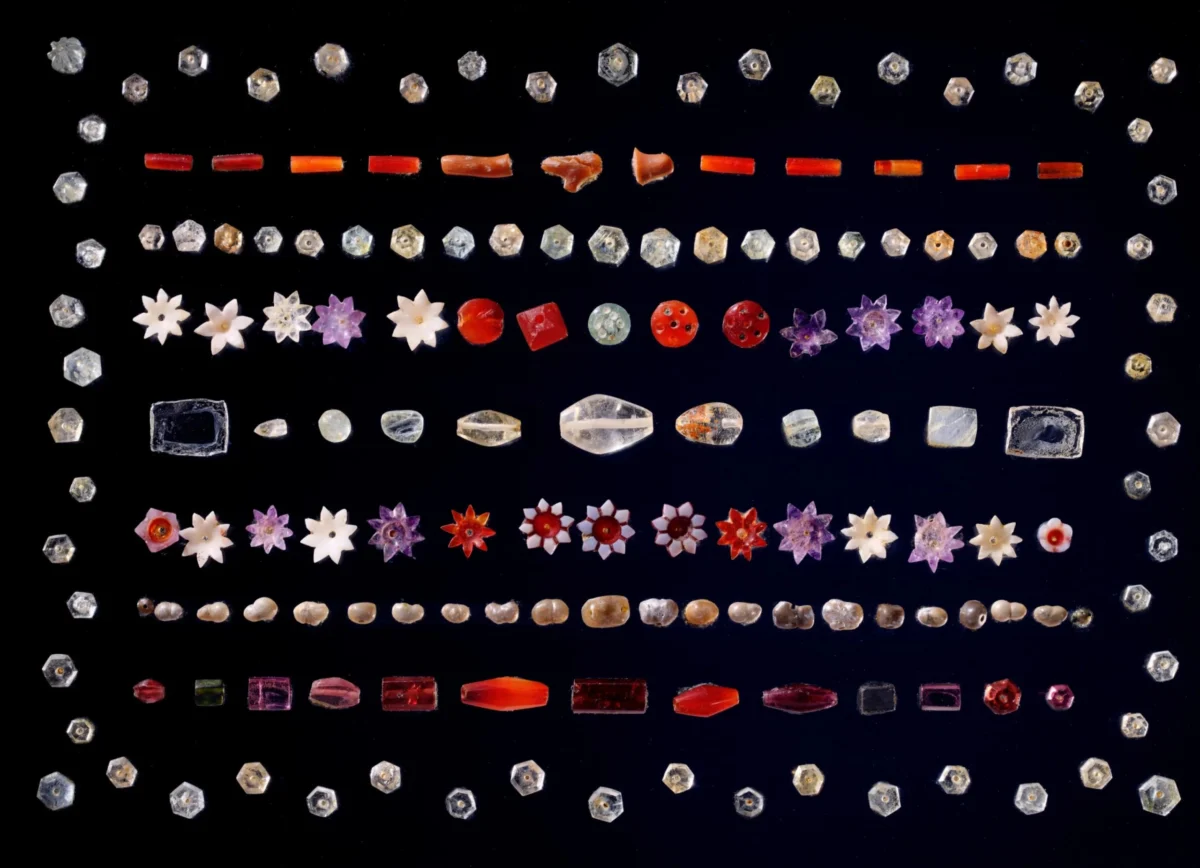
In May 2025, the prestigious auction house Sotheby’s, operating from its opulent Maison in Hong Kong, found itself at the center of a significant controversy when it abruptly halted the planned auction of a collection of Buddhist relics. These artifacts, described as gems and gold ornaments, were reportedly unearthed from the Piprahwa Stupa in India in 1898. The proposed sale ignited a firestorm of ethical, historical, and spiritual debate, fundamentally challenging the very definition of what constitutes a sacred Buddhist relic and the responsibilities that accompany their possession. For a considerable segment of the Buddhist world, these Piprahwa jewels are not mere historical curiosities but are considered sarira—corporeal relics, tangible embodiments of the Buddha that are believed to persist in the world. Sotheby’s, however, initially framed them as material artifacts, distinct from human remains, and therefore suitable for market transaction.
The auction’s cancellation followed swift and unified opposition from Buddhist leaders and scholars, culminating in a legal notice issued by the Indian government demanding the return of the relics. In July 2025, a collaborative effort involving public and private entities facilitated the repatriation of these artifacts to India. They were subsequently put on public display in New Delhi, marking a significant moment in the ongoing discourse surrounding cultural heritage and religious artifacts. However, as scholar Conan Cheong has critically observed in Tricycle, repatriation, while addressing historical claims, is not synonymous with restitution. The core issue of custodianship and the obligation to make relics available for veneration remains largely unsettled, underscoring the persistent ambiguity surrounding the definition of a relic and the duties associated with its care.
The Buddha’s Enduring Presence: Defining Buddhist Relics
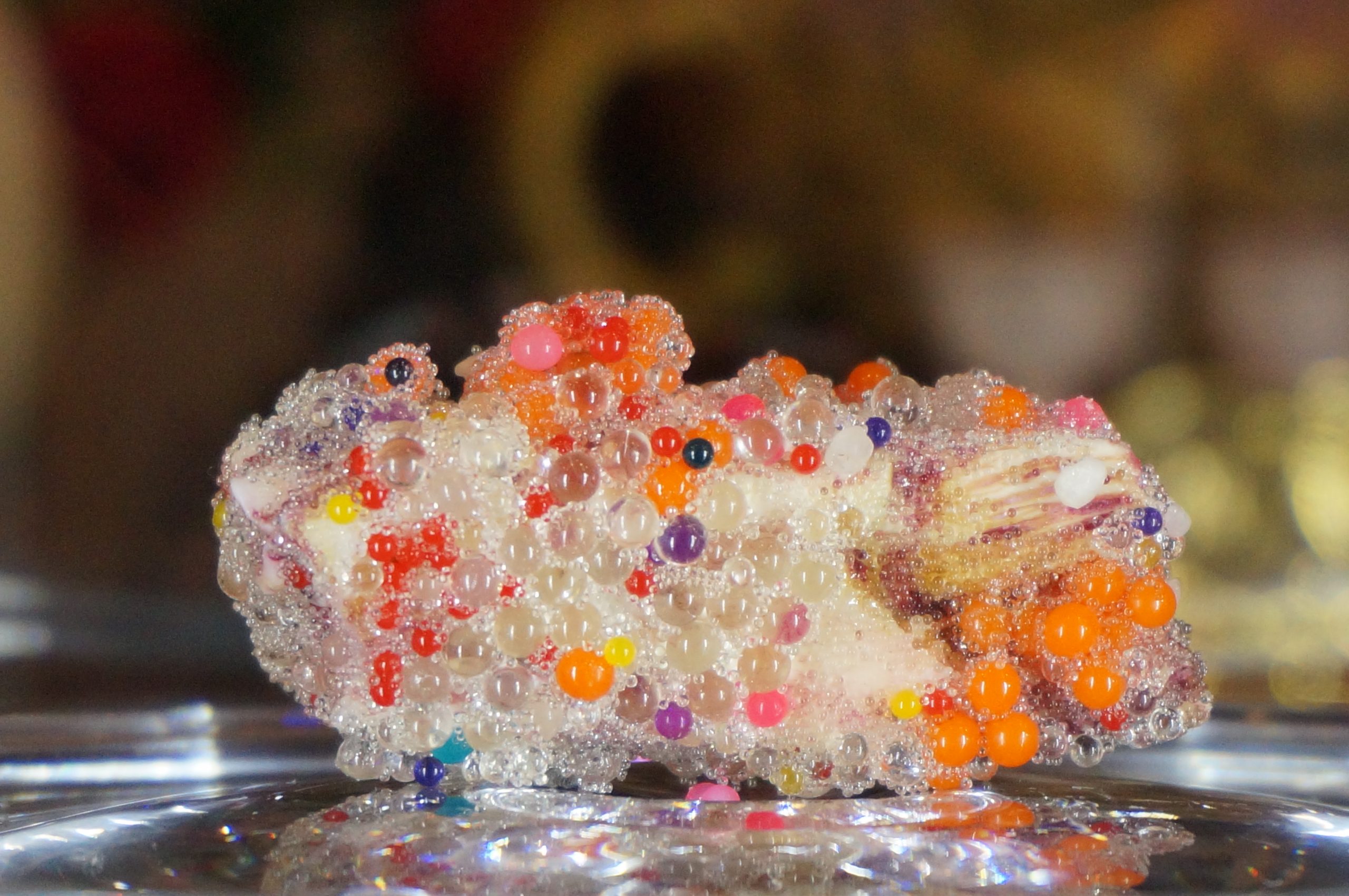
Across the diverse tapestry of Buddhist traditions, relics serve as powerful conduits, embodying the presence of the Buddha and other revered figures from the past. The ancient Sri Lankan Buddhist chronicle, the Mahavamsa, eloquently captures this sentiment, stating, "If we see the relic, we behold the Buddha." This profound belief underpins the classification of a wide array of materials as relics. These can range from fragments of bone and crystalline formations, often described as "pearls," found within cremated remains, to more personal items such as a master’s garments or cherished possessions. Buddhists hold that the Piprahwa jewels possess the same sacred significance as the bone fragments and ashes discovered alongside them. Crucially, an inscription on the reliquary found at the Piprahwa Stupa explicitly identifies these items as relics of the Buddha himself, further solidifying their spiritual importance.
Stupas, the iconic dome-shaped structures, are traditionally built to enshrine relics, serving as literal repositories of enlightened presence. They are designed to inspire devotion, facilitate prayers and aspirations, and encourage practices such as circumambulation and devotional rituals. More broadly, the concept of relics highlights how objects, places, and symbols accrue sacredness through the profound ways in which people engage with them. For countless practitioners, this perceived presence is not merely symbolic; it is a palpable reality. Relics are understood as living connections to the Buddha, inviting reverence, offerings, and an ongoing, dynamic relationship.
A Historical Trajectory: Relics in Transit and Under Imperial Influence
The movement of relics, like other facets of religious life, is intricately woven into broader historical currents of trade, travel, and the exercise of political power. King Asoka, a pivotal figure in 3rd century BCE Indian history, is renowned for his role in distributing the Buddha’s relics across his vast empire, establishing numerous stupas that helped delineate his dominion. As potent embodiments of the Buddha, relics were instrumental in accompanying monks and merchants, playing a crucial role in the legitimization and dissemination of Buddhism across diverse cultures. Beyond corporeal remains, Buddhists have also accorded profound reverence to the garments and ritual implements of past masters, viewing them as objects capable of transmitting blessings and spiritual authority.
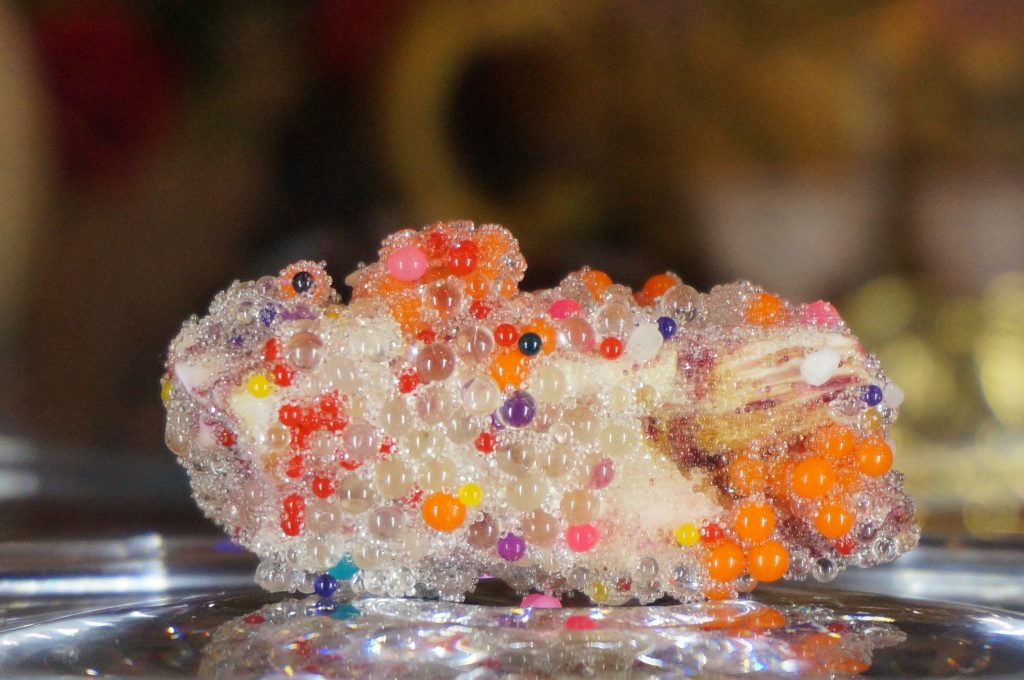
The historical context of the Piprahwa relics’ discovery adds another layer to this complex narrative. Excavated in 1898 by William Claxton Peppé, a colonial landowner, the find occurred during a period of significant British influence in India. The excavation itself, while yielding invaluable artifacts, also occurred within the framework of colonial archaeology, raising questions about ownership and the subsequent removal of sacred objects from their original context. The inscribed reliquary, identifying the Sakya clan—kinsmen of the Buddha—as the original recipients, underscores the deeply personal and familial connection to the Buddha embedded within these relics, making their potential commodification particularly sensitive.
The Complexities of Ownership and Access
Even in contemporary times, Buddhist communities continue to display and venerate relics on significant ceremonial occasions. The practice of touring relics, while capable of generating revenue and enhancing prestige, invariably introduces ethical quandaries concerning control and access. These concerns often intersect with issues of religious authority and national sovereignty, creating intricate diplomatic and cultural challenges. A notable instance in 2025 involved an illicit image of the Buddha’s tooth, which sparked considerable debate and highlighted the difficulties in managing and authenticating sacred objects when they are removed from their traditional ritualistic settings.
Outside the consecrated environment of a stupa or shrine, the profound religious significance of relics can be easily obscured. In the postcolonial era, the removal of sacred objects from their traditional sites and their subsequent marketing as art or collectibles has become a highly contentious issue. Repatriation offers a partial remedy to this historical injustice, addressing the immediate claim of rightful ownership. However, it does not fully resolve the lingering questions of custodianship and the right of access for veneration. Returning a relic to its country of origin does not automatically ensure its return to the communities for whom it holds deep spiritual meaning.
Perceiving the Sacred: Faith, Perception, and the Shaping of Reality
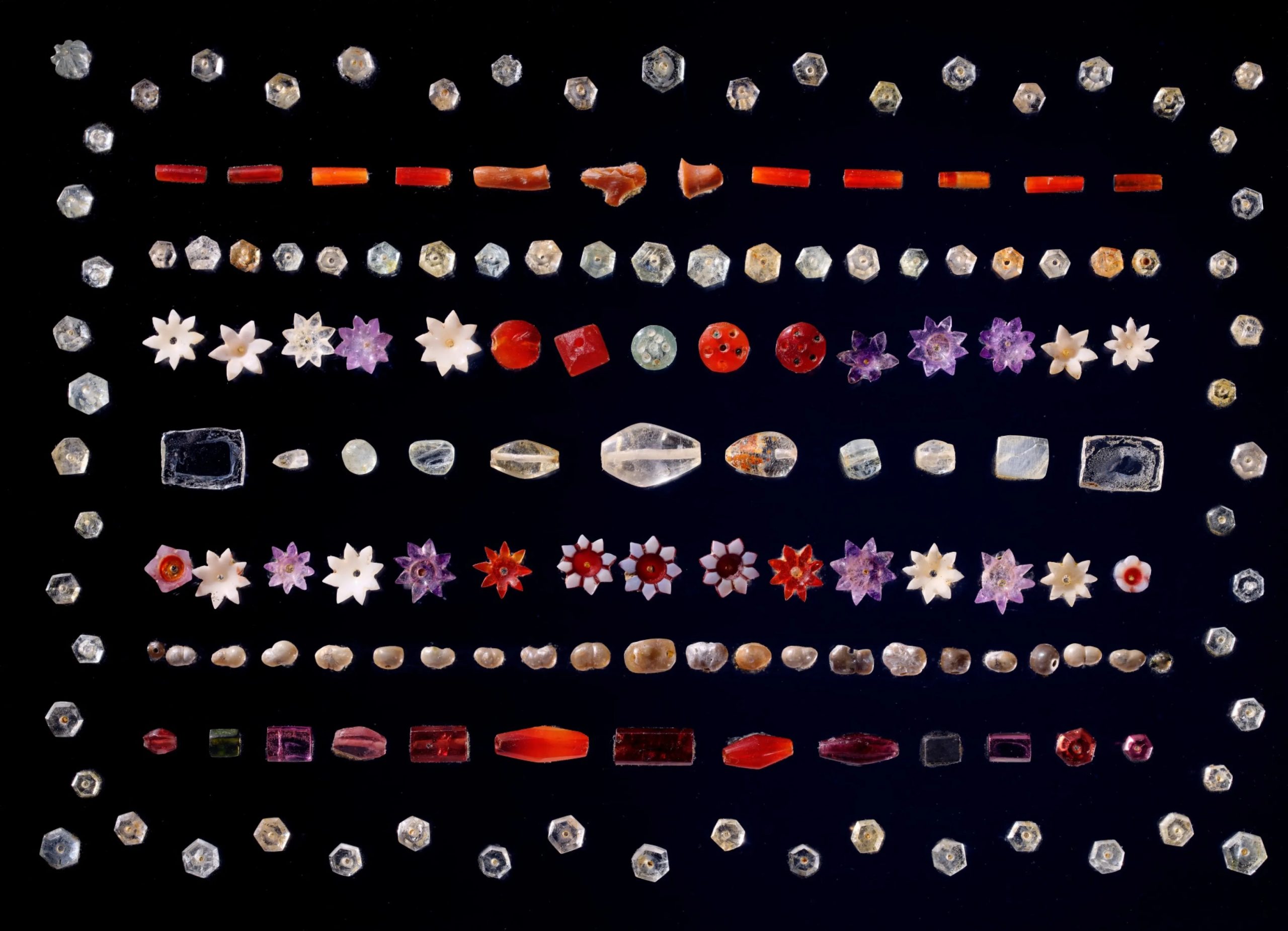
The interpretation and veneration of relics often elicit varied responses, ranging from perceptions of superstition or idolatry to profound sources of devotion, faith, and inspiration. This divergence raises a fundamental question: are sacred objects inherently imbued with power, or does their power derive from the way individuals perceive and interact with them? The answer to this question profoundly shapes our relationship with relics and, by extension, our understanding of the sacred. Traditional Buddhist narratives and contemporary literary works alike acknowledge this inherent ambiguity. The principle that even seemingly mundane objects can offer blessings when imbued with reverence underscores a core tenet of Buddhist philosophy: perception, in many crucial ways, actively shapes our reality.
The Piprahwa relics incident, therefore, transcends a simple dispute over property. It probes the very essence of what it means to be a relic, the ethical obligations of custodianship, and the enduring power of faith in shaping our understanding of the sacred. As these artifacts are returned to India and made accessible to the public, the dialogue surrounding their spiritual significance, their historical context, and their place in the modern world will undoubtedly continue, offering valuable insights into the dynamic interplay between tradition, materiality, and devotion. The questions raised by the proposed sale are far from settled; indeed, their reverberations promise to inform Buddhist practice and discourse for years to come.

