

The profound lessons embedded within the ephemeral beauty of flowers offer a powerful lens through which to understand core human values like gratitude, generosity, and the practice of letting go. This exploration draws from personal reflections and Buddhist teachings, illustrating how the natural cycles of growth, bloom, and decay in the botanical world serve as potent metaphors for navigating life’s complexities.
The Enduring Allure of Botanical Beauty
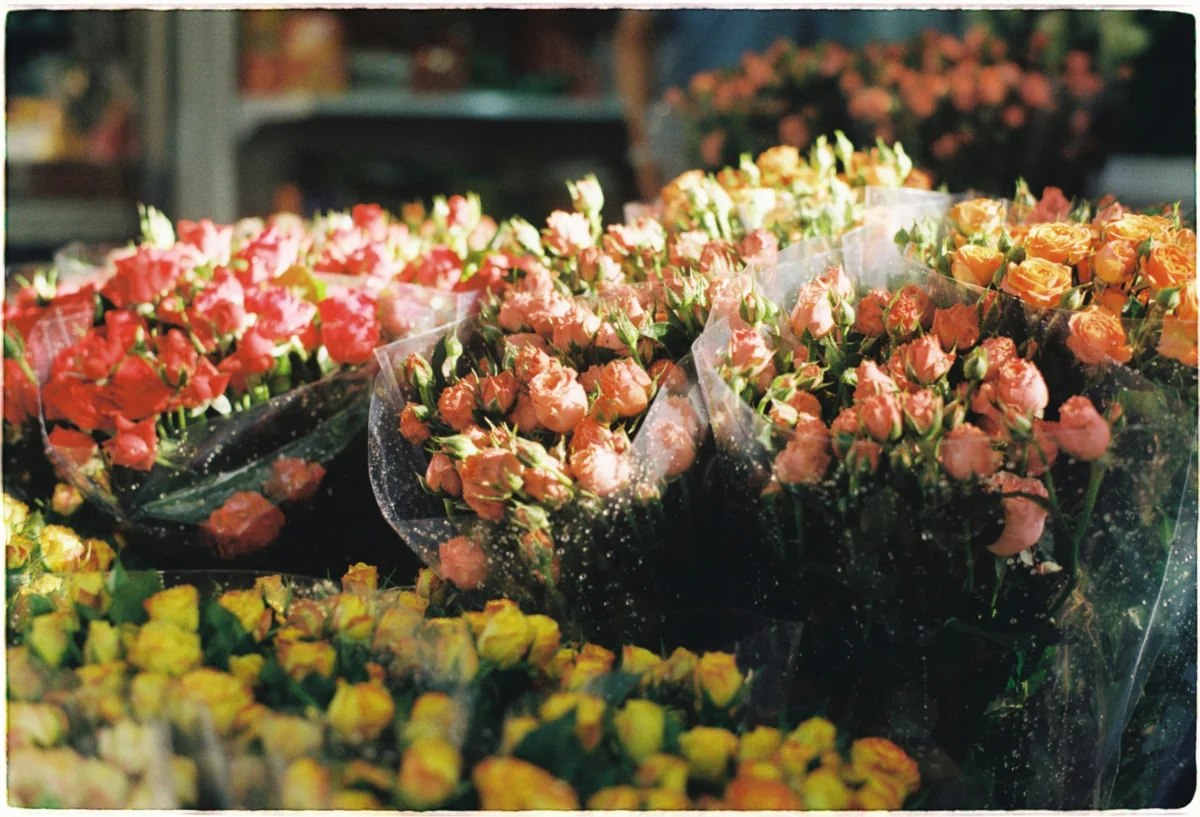
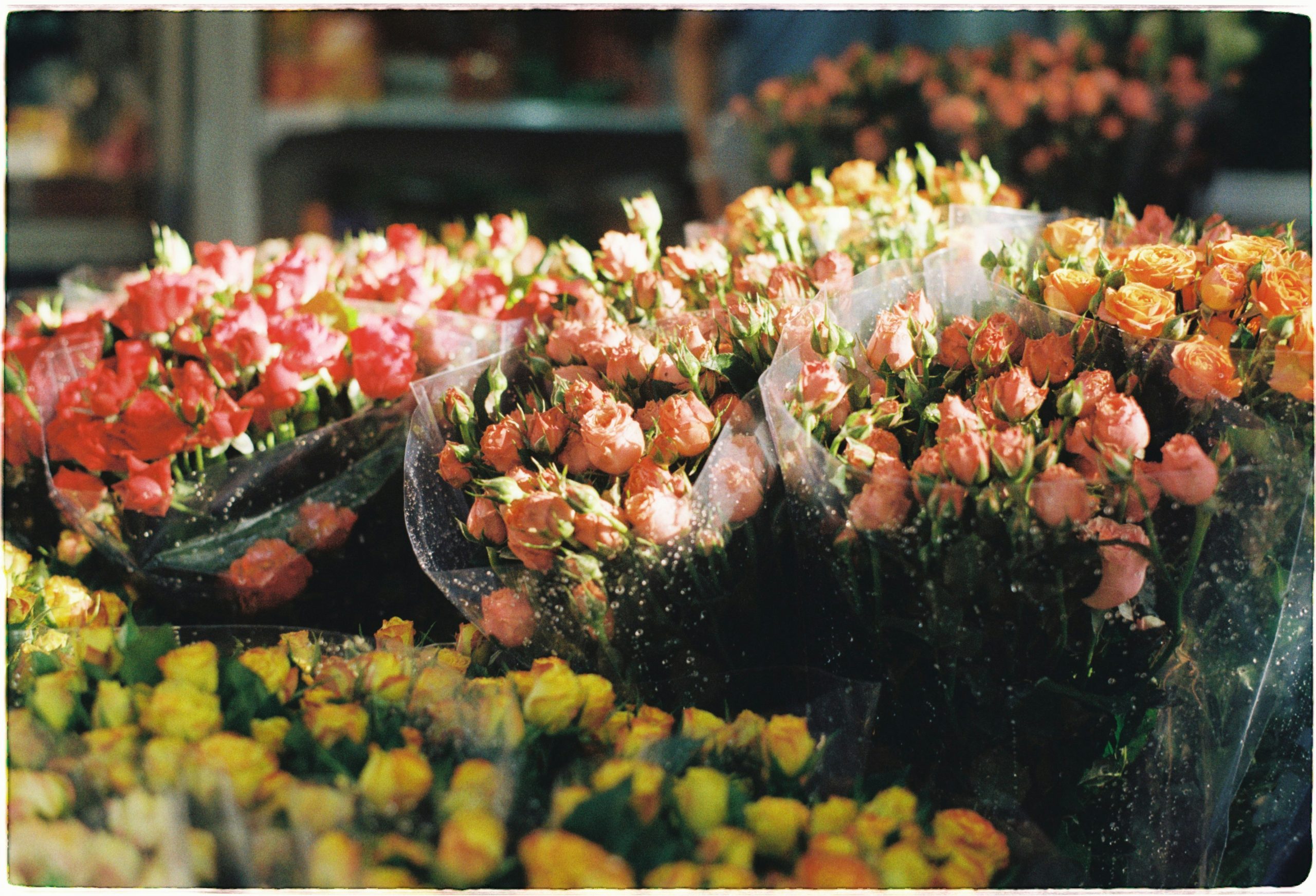
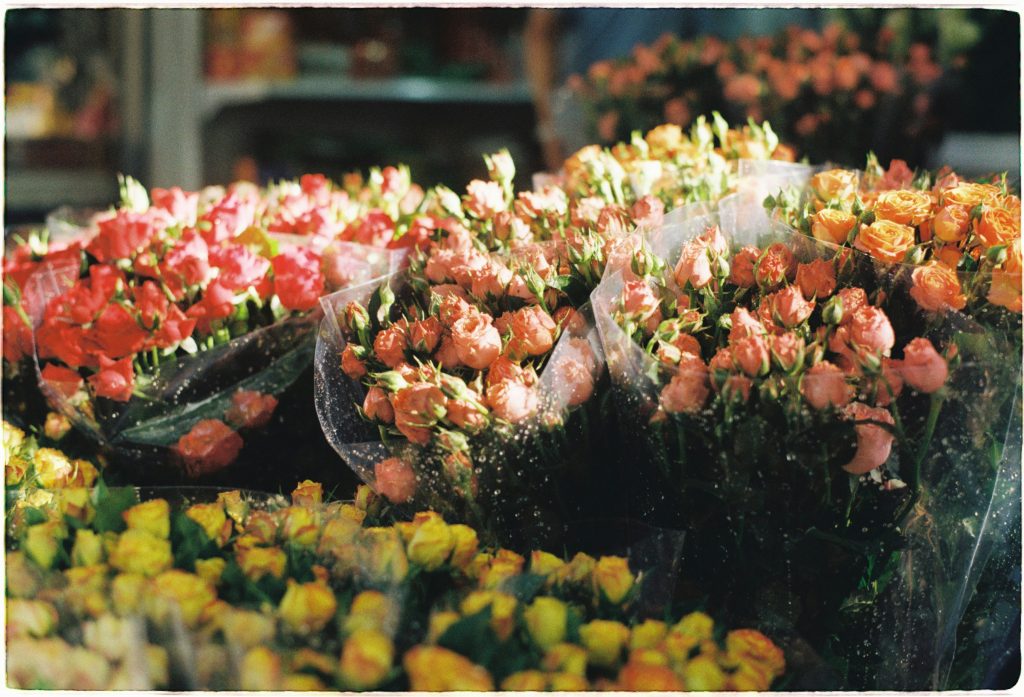
From a young age, the author, Valerie Brown, developed a deep-seated appreciation for the natural world, particularly its floral manifestations. This affinity was so pronounced that it superseded even basic needs, as exemplified by a poignant memory from her youth. While living in a modest room in Queens and juggling work at Burger King with night classes at the City University of New York, Brown encountered a street vendor selling bundles of roses in vibrant hues of peach, scarlet, and magenta. The sight of these blossoms arrested her attention, evoking a powerful, almost visceral, plea to "Take me."
At the time, her financial resources were extremely limited, with her diet often consisting of inexpensive chicken livers. The twenty-dollar cost of the roses represented her entire weekly food budget. Despite this stark economic reality, the encounter highlighted a fundamental truth: the flowers offered something beyond mere material acquisition. They represented an "overabundant desire to touch and smell something beautiful," a sensation akin to experiencing the ephemeral beauty of spring wind, moonlight, or lifting fog. In this context, the roses were not just a purchase; they were a bargain for an experience of the sublime, a moment of transcendent beauty that transcended monetary value.
This early experience solidified for Brown the importance of "beauty for beauty’s sake." She posits that beauty, in its purest form, is complete and generous, acting as a catalyst for an "inner sensitivity and sureness." Growing up in Brooklyn, the natural world, while acknowledged, often felt distant and inaccessible amidst the urban landscape of row homes, concrete sidewalks, and chain-link fences. The gentle sun rising and setting over the parched terrain of Bushwick provided a stark contrast to the vibrant natural world she craved.
Seeking Solace in Urban Oases
To connect with nature, Brown and her brothers, Alex and Robert, would frequent Evergreens Cemetery in Bushwick, a significant urban forest in New York City. Here, amidst the tombstones, they sought the sensory experience of "smell[ing] the green, green grass and feel[ing] it squishy under [their] sneakers," and drawing close to mature trees like sweet gums, black oaks, and white ash. These excursions were not merely about escaping the city; they were a quest for "an emerging feeling, a fleeting sense of the timeless present," moments of luminous presence that could not be possessed but were deeply lived.
This sanctuary within the cemetery offered a profound sense of safety, particularly during a period of significant personal trauma. Brown recounts living in a home where her single mother, working multiple jobs, took in boarders. These were often older alcoholic Black men who had experienced hardship. As a child, she was left in the house and subjected to sexual abuse by these tenants. The terror of these experiences was juxtaposed with the inherent beauty of Evergreens – the daffodils and cherry blossoms of spring, the vibrant autumn leaves. The enduring beauty of the natural world, which demanded nothing in return and offered its splendor as a "birthright," became a steadfast anchor. This beauty, she realized, was not bound by the physical landscape but pointed towards an inner horizon that remained "tranquil and unstained."
Gardening as a Path to Transformation and Impermanence
The profound impact of this early connection to nature, rekindled by the street vendor’s roses, led Brown to a lifelong passion for flower gardening. Upon relocating to a home outside Philadelphia, and following a divorce, she embarked on a journey to transform the perceived "mud" of her marital dissolution into a "lotus" garden. This endeavor mirrored the wisdom of Wendy Johnson, a co-founder of the Green Gulch Zen Center’s Garden Program, who identified three key reasons for growing flowers: "for beauty, for the coming apart of beauty, and to begin again."
This philosophy deeply resonates with Buddhist teachings, particularly the concept of impermanence (anitya). Brown views the cultivation of flowers as a living embodiment of this principle. The Buddha himself urged practitioners to cultivate an awareness of impermanence "moment-to-moment," not as an abstract theory but as a lived realization. As a Dharmacharya in the Plum Village tradition, Brown emphasizes the inescapable reality that "everything and everyone changes." Flowers decompose, children mature, and day yields to night. This constant flux necessitates a cultivated practice of engaging with the shifting nature of reality through love, care, acceptance, presence, and, crucially, release.
The Wisteria and the Cycle of Release
The process of gardening became a continuous relearning of these lessons. Brown recounts an experience with an old Wisteria sinensis vine that had aggressively overgrown her cottage roof, its woody tendrils threatening to dislodge shingles. Through gradual pruning and careful training over a pergola, she transformed its potentially destructive force into a source of abundant beauty. The late spring brought a "voluptuous cascade of blue to purple flowers, perfuming the air." This transformation served as a powerful illustration of impermanence: things ripen, bloom in their designated time, and eventually fade, engaging in a continuous cycle of "beauty, being, becoming, and nonbeing." This cycle, Brown observes, cultivates gratitude and a profound appreciation for the unique wonder of each passing moment.
Reconciling Beauty and Violence Through Impermanence
The lessons learned from the wisteria and the broader practice of gardening have profoundly shaped Brown’s relationship with her past traumas. She states, "Because of impermanence, I have learned that I can change my relationship to the abuse that happened to me." This transformation involves acknowledging the inherent "beauty and violence inherent in life." She now understands that those who inflicted abuse were themselves often victims, caught within systemic structures that perpetuated their despair. This awareness allows her to hold both the experience of violence and the enduring beauty of Evergreens simultaneously. Today, both aspects are integrated, serving to "support me in transforming my life to be of service to others," fostering compassion not only for herself but also for victims and perpetrators of violence and abuse.
This personal journey underscores the transformative power of engaging with the natural world and its inherent cycles. The ephemeral beauty of flowers, their generous offering of color and fragrance, and their ultimate return to the earth, provide a tangible and accessible model for cultivating gratitude for the present, practicing generosity in our interactions, and embracing the essential wisdom of letting go. This understanding, deeply rooted in both personal experience and contemplative practice, offers a pathway to resilience, healing, and a more compassionate engagement with the world.
Implications for Personal and Societal Well-being

The narrative presented by Valerie Brown transcends personal reflection, offering broader implications for understanding human resilience and the cultivation of well-being. Her experience highlights the critical role of nature as a therapeutic agent, capable of fostering inner peace and providing solace amidst profound adversity. The economic and social conditions described—limited resources, urban environments, and personal trauma—are not unique, yet Brown’s ability to find transformative beauty and meaning within these challenges is a testament to the human capacity for growth and adaptation.
Data on Urban Green Spaces and Mental Health: Studies consistently demonstrate the positive correlation between access to green spaces and improved mental health outcomes. For instance, research published in Environmental Health Perspectives (2019) found that spending at least 120 minutes per week in nature was associated with significantly higher levels of self-reported health and well-being. This underscores the inherent value of places like Evergreens Cemetery, not just as aesthetic locales but as vital components of urban infrastructure that support psychological resilience.
The Budding Field of Eco-Therapy: The principles explored in Brown’s reflections align with the growing field of eco-therapy, which utilizes nature-based interventions to address mental health concerns. Organizations like the American Horticultural Therapy Association report on the efficacy of horticultural therapy in reducing symptoms of depression, anxiety, and stress, and in improving cognitive function. Brown’s gardening practice can be seen as a form of self-directed eco-therapy, where the act of cultivation becomes a vehicle for personal healing and transformation.
Buddhist Principles in Practice: The integration of Buddhist teachings on impermanence offers a philosophical framework for processing difficult life experiences. The concept of anitya encourages acceptance of change, reducing suffering caused by resistance to inevitable transitions. This resonates with findings in positive psychology, which emphasize the importance of acceptance and mindfulness in fostering emotional well-being. Research in mindfulness-based interventions, such as Mindfulness-Based Stress Reduction (MBSR), has shown significant reductions in perceived stress and improvements in emotional regulation.
Generosity and Gratitude as Cultivated Virtues: Brown’s articulation of beauty as an act of generosity and her cultivation of gratitude for each moment highlight the reciprocal relationship between giving and receiving. This aligns with research on the psychological benefits of gratitude, which has been linked to increased happiness, optimism, and stronger social connections. Similarly, studies on prosocial behavior suggest that acts of generosity can enhance the well-being of the giver, creating a positive feedback loop.
Broader Societal Impact: The insights gleaned from Brown’s narrative have implications for urban planning, mental health initiatives, and educational curricula. By recognizing the profound impact of nature on human well-being, societies can prioritize the creation and preservation of green spaces. Furthermore, integrating principles of mindfulness, gratitude, and acceptance into educational programs could equip future generations with essential tools for navigating life’s challenges. The story serves as a powerful reminder that even in the face of significant hardship, the cultivation of inner resources, often inspired by the natural world, can lead to profound personal growth and a more compassionate engagement with life.

