

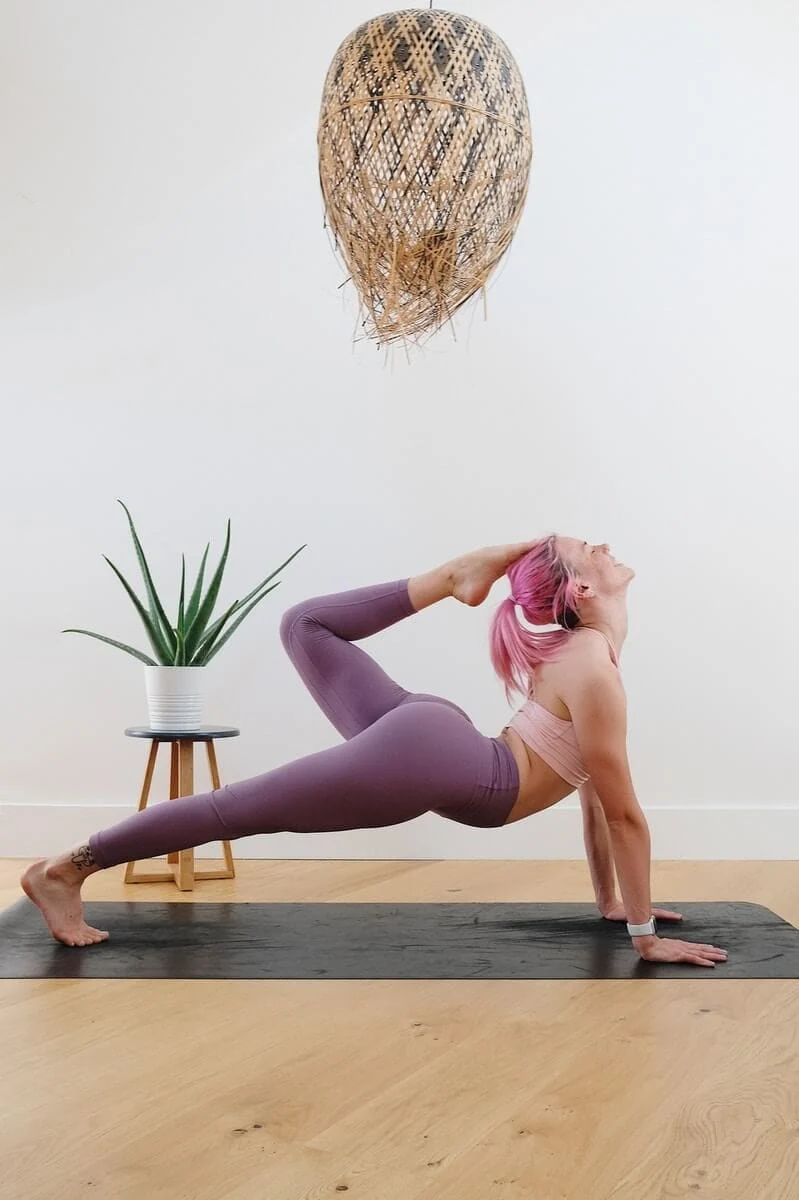
The DoYou Global Yoga Survey 2021, encompassing over 10,000 respondents from 124 countries, has unveiled a significant and accelerating trend: the overwhelming preference for practicing yoga at home. This comprehensive study, conducted during a period of unprecedented global change, indicates that an astounding 85% of yoga practitioners now choose their personal space for their yoga regimen. This figure not only highlights a substantial shift in consumer behavior but also underscores the profound impact of modern lifestyles and technological advancements on traditional wellness practices.
The Rise of Home-Based Yoga: A Confluence of Factors
The pivot towards home-based yoga is not merely a transient phenomenon but a trend driven by a multifaceted array of practical considerations and evolving personal preferences. The survey identified four primary drivers for this shift: convenience, affordability, privacy, and control. These factors collectively illustrate a broader societal movement towards personalized and accessible wellness solutions, amplified by recent global events.
Contextualizing the Shift: The Pandemic as a Catalyst
While the seeds of home fitness were sown long before, the COVID-19 pandemic served as an undeniable accelerant for the trend of at-home yoga practice. With widespread lockdowns, social distancing mandates, and the temporary closure of many public facilities, including yoga studios, millions worldwide were compelled to seek alternative ways to maintain their physical and mental well-being. Digital platforms, which had been steadily growing, experienced an exponential surge in usage. The DoYou Global Yoga Survey 2021, conducted within this challenging period, inherently reflects these altered circumstances, providing a snapshot of a wellness landscape undergoing rapid transformation. Even as restrictions ease, the habits formed during the pandemic appear to be enduring, suggesting a lasting impact on how individuals choose to engage with yoga.
Key Drivers Behind the Home Practice Phenomenon
The survey meticulously broke down the motivations behind this widespread adoption of home yoga, revealing distinct advantages that resonate deeply with contemporary lifestyles.
1. Unparalleled Convenience and Flexibility
Convenience emerged as the leading factor, cited by 71% of those who practice yoga at home. In an increasingly fast-paced world, the prospect of navigating traffic, adhering to fixed studio schedules, and preparing for an external outing can be a significant deterrent. Home practice eliminates these logistical hurdles entirely. Practitioners gain the freedom to roll out their mat at any time of day or night, fitting their practice seamlessly into demanding work schedules, family commitments, or personal energy levels. This flexibility extends to attire—whether in pajamas, workout gear, or even in the nude, the home environment offers an unparalleled level of comfort and freedom from external judgment. The elimination of commute time translates into more time for practice itself or other daily activities, enhancing overall life efficiency. This intrinsic adaptability makes yoga more accessible to a broader demographic, including those with limited mobility, childcare responsibilities, or unconventional work hours.
2. Economic Accessibility and Affordability
Financial considerations play a crucial role in the decision-making process for many, with 46% of home practitioners citing affordability as a primary motivator. Studio memberships, often ranging from $50 to $200 per month depending on location and amenities, can represent a significant recurring expense. Supplementary costs such as travel, parking, and specialized clothing further inflate the overall investment. In stark contrast, the digital landscape offers a wealth of free resources, most notably YouTube tutorials, which have democratized access to high-quality yoga instruction. Beyond free content, subscription-based online platforms typically offer a much lower monthly fee than studio memberships, providing an extensive library of classes for a fraction of the cost. This economic advantage lowers the barrier to entry for newcomers and allows seasoned practitioners to maintain a consistent practice without undue financial strain.
3. The Sanctuary of Privacy
For 33% of respondents, the privacy offered by home practice is a paramount benefit. The public nature of studio classes can be intimidating, particularly for beginners or individuals grappling with body image concerns, self-consciousness, or a perceived lack of flexibility. The fear of judgment or the pressure to perform can detract from the introspective and meditative aspects of yoga. Practicing in the solitude of one’s home removes these anxieties, creating a safe and secure environment where individuals can explore poses, stumble, and experiment without external scrutiny. This sense of psychological safety fosters a deeper connection to the practice, allowing individuals to focus on their breath, alignment, and internal experience rather than external comparisons. It empowers practitioners to embrace their vulnerability and progress at their own pace, fostering a more authentic and personal yoga journey.
4. Unfettered Control Over the Practice
The ability to dictate every aspect of their yoga session was highly valued, with over 60% of overall survey respondents emphasizing the importance of instructor quality and atmosphere to their enjoyment. Home practice grants practitioners complete autonomy. They can choose their preferred style of yoga, select an instructor whose teaching resonates with them (whether live online or through recorded content), adjust the duration of their session, curate their own music, and control their immediate environment—from lighting and temperature to scent. This level of personalization ensures that each practice session is perfectly tailored to their physical and mental state on any given day. For those with specific health conditions or injuries, this control is invaluable, allowing them to modify poses or focus on particular areas without the pressure of keeping up with a group class. This bespoke approach fosters a deeper sense of engagement and satisfaction, eliminating the risk of being "let down" by an unsuitable class or instructor.
Challenges and Considerations of Exclusive Home Practice
While the benefits of home practice are compelling, it is crucial to acknowledge its inherent limitations and potential pitfalls. Exclusive reliance on self-guided or online instruction can present several challenges, particularly concerning safety, progression, and community engagement.
1. Risk of Injury and Lack of Personalized Feedback
One of the most significant drawbacks of home practice is the absence of immediate, personalized feedback from a qualified instructor. If a practitioner is holding a pose with incorrect form or pushing their body beyond its safe limits, there is no expert eye to offer real-time adjustments or corrections. This can increase the risk of strain, injury, or the exacerbation of pre-existing conditions. While online tutorials offer visual guidance, they cannot replicate the nuanced, hands-on adjustments or verbal cues that a skilled instructor provides in a studio setting. This is particularly critical for beginners who are still learning fundamental alignment principles or for individuals recovering from injuries or managing chronic conditions, where modifications are essential for safe practice.
2. Absence of Community and Accountability
Yoga studios traditionally serve as more than just places to practice; they are community hubs where individuals connect, share energy, and find mutual support. The camaraderie of practicing alongside others, the shared experience of a challenging sequence, and the post-class interactions contribute significantly to a practitioner’s sense of belonging and motivation. Exclusive home practice can lead to a sense of isolation, diminishing the social and energetic benefits that group classes offer. Moreover, the accountability inherent in a scheduled studio class—the commitment to show up—can be a powerful motivator. Without this external structure, self-discipline becomes paramount, and some practitioners may find it challenging to maintain consistency or push themselves beyond their comfort zones.
3. Limitations in Progression and Advanced Practice
For advanced practitioners seeking to deepen their understanding of complex poses or explore intricate sequencing, home practice, especially without personalized guidance, can present limitations. Certain inversions, arm balances, or highly technical postures often require spotting, hands-on adjustments, or specialized props that are more readily available and safely utilized in a studio environment under expert supervision. The journey of yoga is often enhanced by the wisdom and experience of a seasoned teacher who can guide students through advanced techniques and philosophical concepts, which can be difficult to fully absorb from purely digital resources.
Industry Reactions and Adaptations: A Hybrid Future
The insights from the DoYou Global Yoga Survey 2021 have significant implications for the yoga industry, prompting studios, instructors, and online platforms to adapt and innovate. Many brick-and-mortar studios, initially hit hard by the pandemic, have recognized the staying power of home practice and are pivoting towards hybrid models. This often involves offering a combination of in-person classes, live-streamed sessions, and on-demand content libraries, allowing practitioners to choose the format that best suits their needs on any given day.
Yoga instructors are increasingly diversifying their skills, becoming adept at teaching both in-person and online, learning to effectively cue and engage students through a screen. This evolution also highlights a growing demand for specialized online certifications for instructors, ensuring quality and safety in the digital realm.
For online platforms, the survey results affirm their growth trajectory, spurring further investment in high-quality content, interactive features, and personalized programming. The competition in the digital space is intensifying, driving innovation in user experience and accessibility.
The Hybrid Practitioner: Embracing "Why Not Do Both?"
The article posits a pragmatic solution to the dichotomy of home versus studio practice: "Why Not Do Both?" Many practitioners are already embracing a hybrid approach, leveraging the convenience and affordability of home practice for daily consistency while attending studio classes for deeper instruction, community connection, and hands-on adjustments. This flexible model allows individuals to maximize the benefits of both worlds, tailoring their yoga journey to their unique needs and preferences.
Yoga classes, by their very nature, should embody a welcoming and non-judgmental ethos. If a particular studio or instructor does not resonate, practitioners are encouraged to explore various options until they find a space that feels right. The journey to finding the perfect yoga environment, whether physical or digital, is often one of exploration and personal discovery. The ongoing growth of both home and studio practices suggests that rather than being mutually exclusive, they are increasingly complementary, contributing to a richer and more accessible global yoga landscape.
Broader Implications for Wellness and Society
The trend revealed by the DoYou Global Yoga Survey 2021 transcends the yoga community, reflecting broader societal shifts in wellness, technology, and personal autonomy. It underscores a growing desire for accessible, personalized, and flexible health solutions that integrate seamlessly into modern life. As digital platforms continue to evolve and offer increasingly sophisticated experiences, the line between traditional and home-based fitness will likely blur further. This democratization of yoga, driven by technological innovation and consumer demand, has the potential to make the practice more inclusive and widespread than ever before, fostering greater physical and mental well-being across diverse populations worldwide.
Disclaimer: It is important to reiterate that The Global Yoga Survey 2021 was conducted during the height of the COVID-19 pandemic. While the findings indicate a strong and likely enduring shift, the unprecedented global restrictions at the time undoubtedly influenced the reported numbers, potentially accelerating trends that were already underway. Future surveys will be crucial in understanding the long-term trajectory of these evolving practice preferences in a post-pandemic world.

