

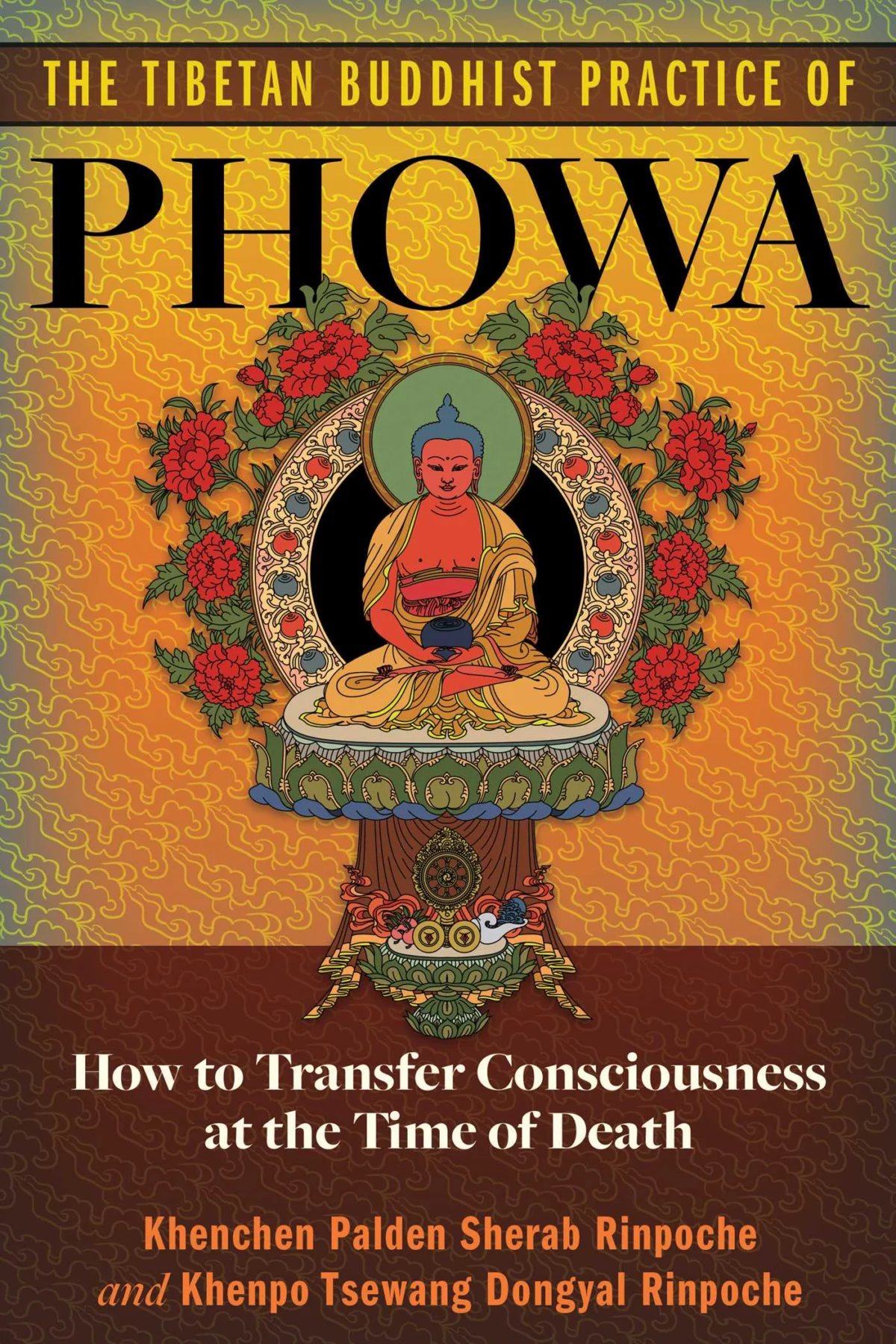
The practice of phowa, a profound and transformative technique within Vajrayana Buddhism, offers a unique approach to navigating the inevitable transition of death. Considered one of the most potent and significant of all Vajrayana teachings, phowa, when accomplished, provides a direct pathway to bypass the intermediate states of consciousness known as the bardos. This practice is fundamentally understood as a spiritual "shortcut" to enlightenment, or more specifically, a method to avoid rebirth within the cycle of samsara, the continuous process of birth, death, and rebirth. The analogy often employed is that of utilizing an emergency exit or a private lounge at an airport, signifying a swift and deliberate passage.
Understanding the Bardos and the Dissolution of Elements
The concept of the bardo is central to understanding the significance of phowa. The first and perhaps most critical bardo is the bardo of the moment of death. This is the experiential phase that occurs as the constituent elements of the physical body begin to dissolve and the final breath is exhaled. The cessation of inhalation following exhalation conventionally marks the moment of death. While life can conclude abruptly, leading to an immediate transition to this final breath, many experiences of dying are more gradual. During a gradual death, the dissolution of the physical elements within the body unfolds in distinct stages.
These five fundamental elements—earth, water, fire, wind, and space—form the very composition of our physical existence and govern its functions. The earth element constitutes our solid structures like flesh, bones, and muscles. The water element is represented by bodily fluids such as blood. The body’s intrinsic warmth is attributed to the fire element. Respiration and all internal bodily movements are governed by the wind or air element. Finally, the cavities within the body, such as the mouth, nostrils, and internal organs, represent the space element. As the process of dying commences, the essence of these elements begins to deplete and disintegrate, with each element dissolving into the next in a specific sequence.
The initial stage of dissolution involves the earth element merging into the water element. This phase is often characterized by a profound sense of heaviness and lethargy, or a feeling of sinking. Individuals may experience a desire to be helped into a sitting position, indicative of the diminishing structural integrity of the earth element.
Following this, the water element dissolves into the fire element. Physical manifestations of this transition can include intense thirst and a dry mouth, often accompanied by a request for liquids.

The subsequent stage sees the fire element dissolving into the wind element. This is typically marked by a sensation of coldness, leading to a desire for additional clothing or blankets. Externally, observers may notice a decline in body heat, beginning from the extremities and moving inward towards the core.
Finally, the wind element dissolves into the space element. This dissolution results in a significant slowing and heaviness of physical movements, potentially leading to complete immobility. Speech may become labored and slow, and the ability to move the eyeballs diminishes. Internally, a pervasive heaviness and slowness are experienced. Externally, breathing can become labored and noisy, with a struggle to inhale. These are all signs that the wind element is merging into the space element.
The Four Inner Visions and the Dissolution of Consciousness
The cessation of the external breath, the last exhalation, signifies the complete dissolution of the wind element into space. While conventionally considered the point of death, Vajrayana teachings posit that subtle inner energies continue to function even after the cessation of external respiration. At this juncture, individuals may experience a sequence of four distinct inner visions, known in Tibetan as nangwa, chepa, topa, and nyertob. These terms translate, respectively, to "clear visions" or "manifestation," "arising visions" or "increase," "gaining visions" or "attainment," and "regaining visions" or "full attainment."
These visionary experiences correspond to the progressive dissolution of the eight consciousnesses described in Buddhist philosophy. The first seven consciousnesses merge back into the eighth, the fundamental consciousness or "storehouse consciousness" (alayavijnana in Sanskrit, kunzhi nampar shepa in Tibetan).
The first stage, nangwa or "manifestation," occurs as the five sense consciousnesses—sight, hearing, smell, taste, and touch—dissolve into the sixth consciousness, the mental consciousness. This merging can result in a brief, intensely clear visual experience, akin to a flash of brilliant light that quickly fades. It is often described as a momentary flare-up, similar to a butter lamp or candle flaring brightly before extinguishing, or as fleeting internal flashes like fireflies.

The second stage, chepa or "increase," unfolds when the sixth consciousness merges into the seventh, the emotional consciousness. During this phase, the three primary emotions—anger, attachment, and ignorance—may briefly manifest. Typically, anger arises first, followed by attachment and ignorance, each appearing for a fleeting moment before subsiding.
The third stage, topa or "attainment," occurs when the seventh consciousness dissolves into the eighth consciousness, the ground of mind. At this point, there can be a profound feeling of completeness, as if everything has been achieved. The dualities of hope and fear may cease to exist, replaced by a state of pure presence. This brief experience of absolute being is known as the experience of attainment.
Finally, the eighth consciousness, the ground of awareness, merges into the clear light of the Dharmakaya or Dharmadhatu, often referred to as buddha nature. This stage, nyertob or "full attainment," is characterized by an experience of profound luminosity, vividness, calmness, peace, and tranquility. It is at this point that the opportunity for liberation from samsara is most potent.
The Practice of Phowa: A Direct Pathway
The practice of phowa is specifically designed to intentionally direct consciousness at the moment of death. By cultivating this practice during life, an individual can, at the time of dying, consciously transfer their consciousness to a pure realm or a desired rebirth, thus bypassing the intermediate bardos and the potential for unfavorable rebirths. This deliberate act is believed to prevent the uncontrolled dissolution of consciousness and the subsequent uncontrolled journey through the bardo states.
The efficacy of phowa is deeply rooted in the understanding that the moment of death is a critical juncture where consciousness is highly susceptible to direction. By training the mind to recognize the nature of consciousness and to intentionally direct its dissolution, practitioners aim to achieve a conscious and liberated transition. The practice often involves specific visualizations, mantras, and meditations that prepare the mind for this ultimate act.
The historical development of phowa practices can be traced back through generations of Tibetan Buddhist masters. Teachings on phowa have been transmitted through unbroken lineages, ensuring the preservation and integrity of the practice. Prominent figures such as Padmasambhava, Milarepa, and many others are associated with the transmission and practice of phowa, highlighting its long-standing importance within the Buddhist tradition.
Supporting Data and Broader Implications
While the direct measurement of the experiences described in phowa practice is beyond the scope of current scientific instrumentation, numerous anecdotal accounts and the consistent transmission of these teachings across centuries suggest a profound subjective reality for practitioners. The emphasis on the dissolution of the five elements and the stages of consciousness aligns with some interpretations of near-death experiences, although the Vajrayana framework offers a more detailed and directed approach to these phenomena.
The implications of successfully engaging in phowa practice extend beyond individual liberation. By achieving a favorable rebirth or direct liberation, practitioners contribute to the collective spiritual well-being of all sentient beings, a core tenet of Mahayana and Vajrayana Buddhism. Furthermore, the practice encourages a proactive engagement with mortality, fostering a sense of agency and purpose in confronting life’s ultimate certainty.
The publication of works like "The Tibetan Buddhist Practice of Phowa" by Ven. Khenchen Palden Sherab Rinpoche and Ven. Khenpo Tsewang Dongyal Rinpoche serves to disseminate these profound teachings to a wider audience. These texts offer detailed instructions and explanations, making the practice accessible to those seeking to understand and engage with this powerful tradition. The continued interest in such teachings reflects a growing global curiosity about Buddhist philosophy and its practical applications for navigating life and death.
The practice of phowa, therefore, stands as a testament to the sophisticated understanding of consciousness and the human condition within Vajrayana Buddhism. It offers not a passive acceptance of death, but an active and empowered engagement with the transition, aiming for liberation and the highest spiritual attainment.

