

Healthy kidneys are essential for the efficient excretion of potassium, a vital mineral that plays a crucial role in numerous bodily functions, including nerve signaling, muscle contraction, and maintaining fluid balance. For individuals concerned about their potassium levels or those with pre-existing health conditions, consulting a healthcare professional for a kidney function assessment is a prudent step to ensure proper potassium regulation.
The evolutionary trajectory of human dietary habits suggests that optimal potassium intake levels likely far exceed current dietary guidelines and typical consumption patterns. Historically, our diets were rich in potassium-dense plant-based foods such as fruits, vegetables, leafy greens, roots, and tubers. However, a significant dietary shift has occurred, with many individuals now consuming calorie-dense processed foods high in added fats and sugars. These modern "junk foods" are often stripped of essential nutrients, including fiber and potassium, thereby contributing to a widespread deficiency.
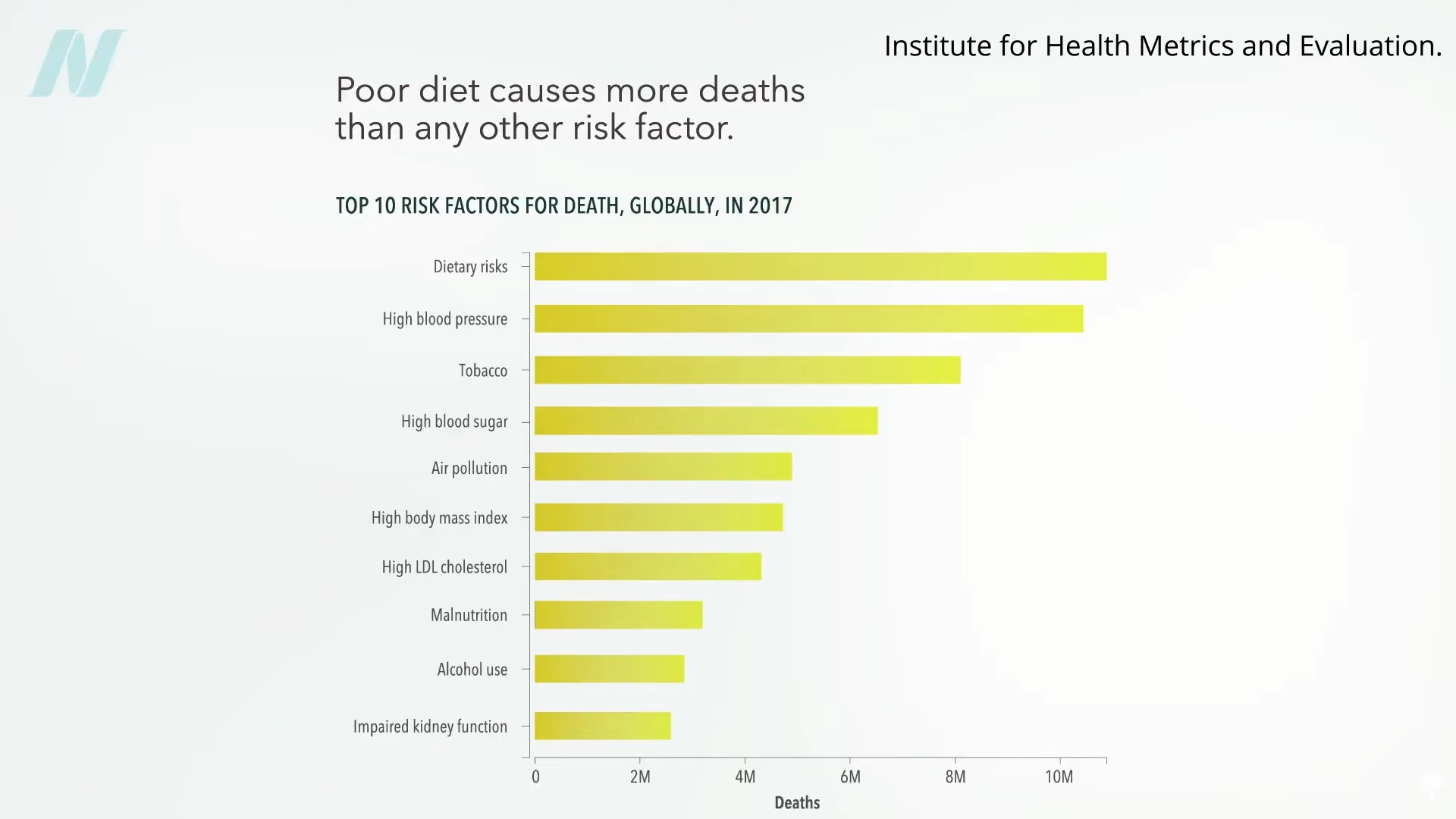
In stark contrast to contemporary diets, traditional, predominantly plant-based eating patterns were characterized by high potassium intake and remarkably low sodium consumption. This dietary balance is intrinsically linked to cardiovascular health. The global health crisis of high blood pressure, now the second leading cause of death worldwide and responsible for over 10 million fatalities annually, underscores the critical importance of dietary sodium and potassium balance. Unhealthy dietary habits are recognized as a primary global risk factor for mortality, exceeding the impact of many other lifestyle-related conditions.
Rebalancing the Sodium-Potassium Ratio for Cardiovascular Health
Improving both sodium and potassium intake can be achieved through the increased consumption of whole, unprocessed plant foods. Nutrient-rich options like leafy greens and legumes are naturally abundant in potassium and have demonstrated efficacy in lowering blood pressure. The pervasive issue of excessive sodium intake coupled with insufficient potassium consumption necessitates a re-evaluation of dietary strategies. This has brought attention to the potential role of salt substitutes as a means to recalibrate this crucial mineral balance. Potassium chloride, the most common salt substitute, offers a way to reduce sodium intake while simultaneously increasing potassium consumption.
The Efficacy of Potassium Chloride Salt Substitutes
Scientific evidence supports the effectiveness of potassium chloride as a tool for blood pressure management. A comprehensive meta-analysis of over a dozen randomized controlled trials has revealed that replacing sodium chloride with potassium chloride leads to a measurable reduction in blood pressure. Notably, even trials utilizing substitutes containing less than 30% potassium chloride demonstrated significant positive outcomes. For the majority of individuals, salt substitutes with a potassium chloride concentration below this threshold remain perceptually indistinguishable from regular salt, preserving palatability while offering health benefits. This raises the question of potential drawbacks or compromises associated with this seemingly straightforward solution.
The U.S. Food and Drug Administration (FDA) generally regards potassium chloride as "Generally Recognized as Safe" (GRAS). For healthy individuals, the primary consideration is a potential alteration in taste. Some users report a bitter or metallic aftertaste, particularly when using 100% potassium chloride substitutes exclusively. Individual sensory perception can vary, and the compatibility of potassium chloride with different foods is also subjective. Anecdotal evidence suggests that while it may perform exceptionally well with certain dishes and snacks, its flavor profile may render other foods less palatable.

The transition away from sodium chloride, often referred to as "throwing out the salt shaker," can lead to a significant shift in palate over time. What might initially seem bland can become flavorful as the taste buds adapt. For some, however, certain dishes may retain a perceived need for the distinct taste of sodium. In such instances, potassium chloride substitutes have proven effective in bridging this gap, offering a way to enjoy familiar flavors without the adverse health consequences of excessive sodium. Conversely, the application of potassium chloride to foods like watermelon, traditionally enhanced by a touch of salt to amplify sweetness, can result in an unpleasant taste experience, highlighting its limitations for certain culinary uses.
The Role of Kidneys in Potassium Regulation
The inherent ability of healthy kidneys to excrete excess potassium is the primary reason why most individuals do not face risks associated with high potassium intake from food sources. This regulatory mechanism is remarkably robust. Studies on potassium supplementation have indicated no adverse effects even at doses as high as 3,000 mg per day for extended periods. Furthermore, healthy kidneys can maintain normal blood potassium levels even when intake reaches approximately 15,000 mg per day, a level consistent with the estimated ancestral human diet.
The normal physiological range for blood potassium levels is between 3.5 and 5.0 millimoles per liter (mmol/L). Levels approaching 6 mmol/L begin to raise concerns. However, even when individuals consume potassium supplements, such as those in salt substitution trials averaging around 2,000 mg daily, blood potassium levels typically increase by a modest 0.14 mmol/L. This slight elevation, for instance from 4.0 to 4.14 mmol/L, generally does not push levels into a dangerous range.
Extreme Dietary Habits and Potassium Levels
While the body’s regulatory mechanisms are highly effective, there are extreme scenarios where potassium levels can become problematic. An individual consuming an exceptionally high quantity of potassium-rich foods, such as up to 20 bananas daily for an extended period, could theoretically elevate their potassium levels beyond the safe threshold. Similarly, the excessive consumption of large quantities of certain vegetables, such as ten pounds of carrots daily, often facilitated by juicing, has been documented in cases linked to unconventional health treatments and could potentially impact potassium balance.
Historical Context and Safety of Salt Substitutes
Historical accounts offer cautionary tales regarding the early use of salt substitutes. A 1940s report detailed cases of lithium poisoning stemming from the use of lithium chloride as a salt substitute, underscoring the importance of identifying the active ingredient in such products. While potassium chloride is the standard today, isolated incidents of severe toxicity have been reported. One case involved a deliberate ingestion of slightly more than a tablespoon of potassium chloride salt substitute, leading to fatality. However, it is crucial to contextualize this risk: even comparatively small amounts of regular sodium chloride, if ingested rapidly, can be lethal. Historical practices, such as the ingestion of saltwater as a suicide method in ancient China, illustrate the inherent toxicity of concentrated electrolytes when consumed in excessive quantities.
Identifying At-Risk Populations for Potassium Imbalance
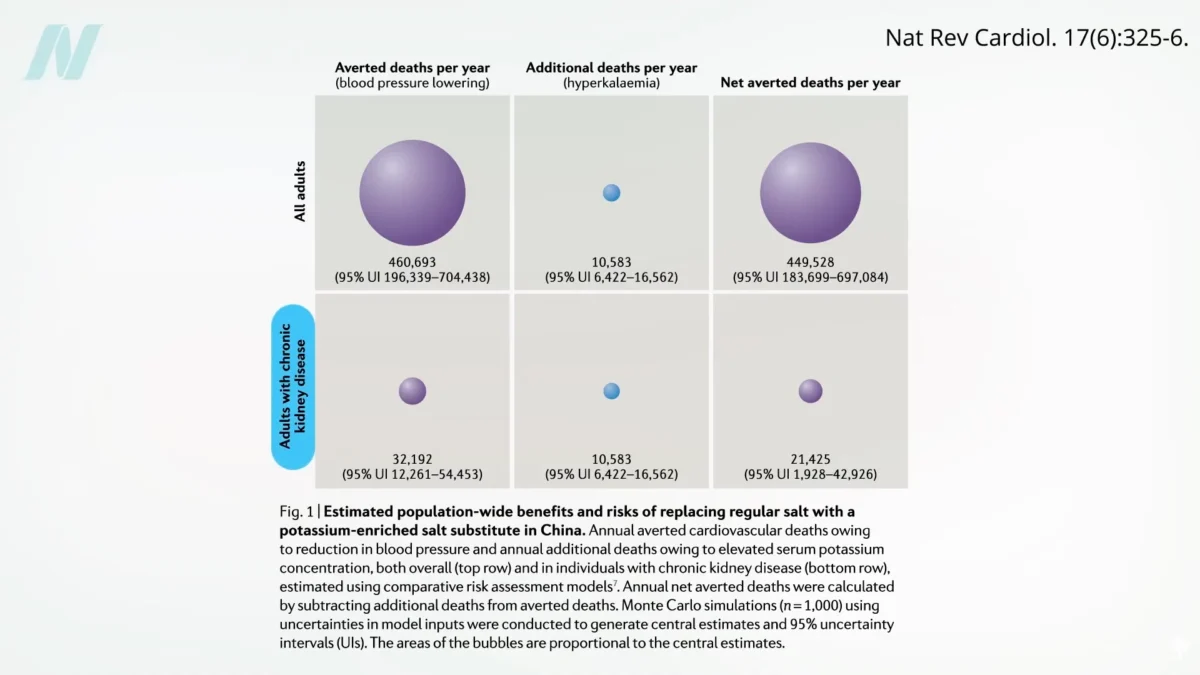
Despite the general safety profile, a subset of the population may encounter challenges with elevated potassium levels, primarily those with compromised kidney function. This vulnerability has historically led to a cautious approach in recommending potassium-based salt substitutes on a broad scale. When the kidneys’ ability to regulate potassium is impaired, hyperkalemia (dangerously high potassium levels) can develop into a serious health issue.
Individuals at higher risk include those with:
- Diagnosed kidney disease: Impaired kidney function directly affects potassium excretion.
- Diabetes: Diabetes can lead to kidney damage, increasing the risk of potassium dysregulation.
- Severe heart failure: The cardiovascular system and kidney function are closely intertwined.
- Medications affecting potassium excretion: Certain pharmaceuticals can interfere with the kidneys’ ability to eliminate potassium.
- Older adults: Age-related changes can affect kidney efficiency.
- Adrenal insufficiency: Conditions affecting the adrenal glands can impact electrolyte balance.
For individuals within these groups, or anyone uncertain about their risk profile, undergoing a kidney function test as recommended by their physician is paramount.
The Evolving Paradigm of Potassium and Kidney Health
Paradoxically, potassium’s efficacy in reducing deaths related to high blood pressure extends even to individuals with kidney disease. Emerging research suggests that the benefits of potassium chloride salt substitutes may still outweigh the risks for this population, potentially saving more lives despite the heightened vulnerability.
Traditional dietary recommendations for individuals with chronic kidney disease often included restrictions on fruits and vegetables due to their potassium content. However, this approach is undergoing a significant re-evaluation. The profound benefits of a fundamentally plant-based diet are increasingly recognized, with growing evidence indicating that a whole-food, plant-based eating pattern may not only slow the progression of chronic kidney disease but could also delay the onset of kidney failure. Consequently, the practice of universally restricting dietary potassium in kidney patients is becoming outdated. Current medical consensus suggests that such restrictions should be reserved for individuals with documented hyperkalemia (potassium levels of 6 mmol/L or higher). The key to preserving kidney function and potentially halting the progression of chronic kidney disease may, in fact, lie in embracing, rather than restricting, the consumption of produce.
Doctor’s Note:
In the event of a mental health crisis, the National Suicide Prevention Lifeline is available 24/7 at 800-273-8255.
This article is the concluding segment of a three-part series. The preceding installments, "The Mineral Intake Recommendations Only 1 in 6,000 U.S. Adults Meet" and "Are Potassium Chloride Salt Substitutes Worth Trying?", offer further insights into related health topics.

