

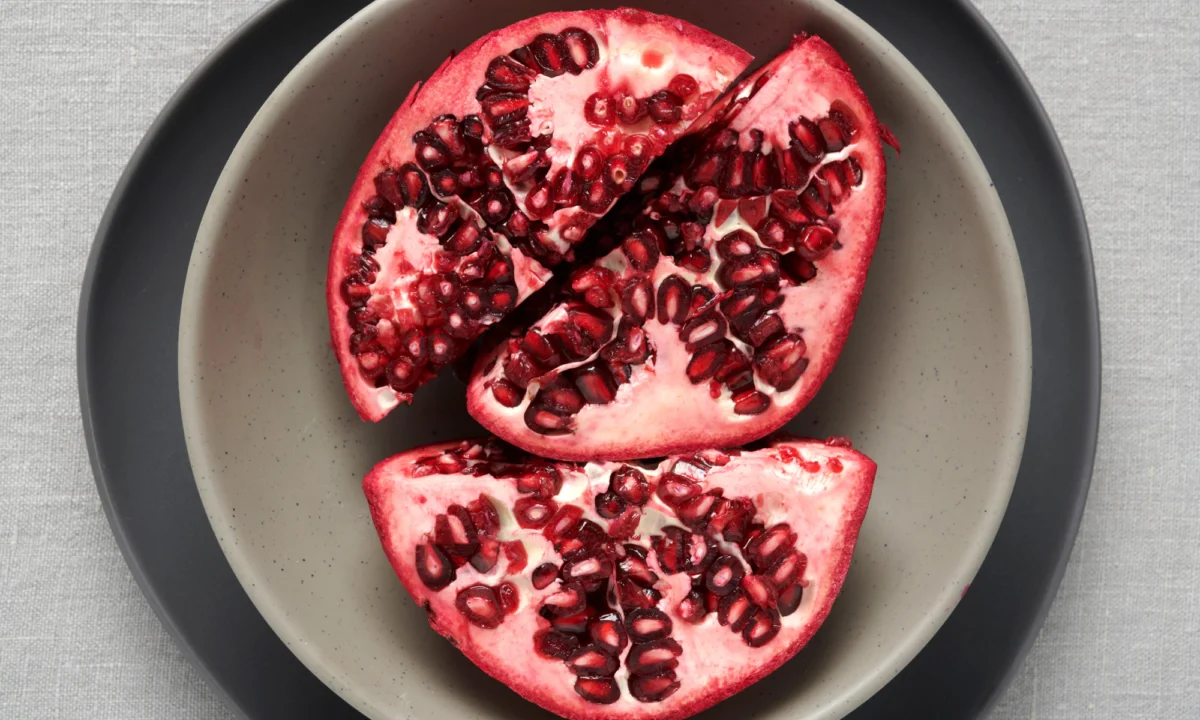
The vibrant hue of the pomegranate has long been associated with a heart-healthy diet, largely attributed to its rich profile of plant compounds known as polyphenols. However, emerging research suggests that the true cardiovascular benefits of this ancient fruit may not stem directly from the fruit itself, but rather from the intricate metabolic processes undertaken by our gut bacteria after consumption. A groundbreaking study, published in the esteemed journal Nutrients on September 20, 2026, has shed new light on how a specific compound derived from pomegranate polyphenols impacts artery health, potentially revolutionizing our understanding of diet and cardiovascular disease prevention.
This pioneering research, conducted by scientists at Cardiff University, delved into the complex interplay between dietary intake, the gut microbiome, and the development of atherosclerosis, the leading cause of heart disease worldwide. While pomegranates are laden with polyphenols, their large molecular structure renders them largely unabsorbable by the human body in their native form. Instead, the digestive journey initiates a remarkable transformation, where resident gut bacteria break down these complex compounds into smaller, more bioavailable molecules called urolithins. The central question driving this investigation was to pinpoint which of these gut-derived metabolites offers the most significant protective effects on arterial health.
Unraveling the Urolithin Mystery: From Bench to Artery
The study commenced with in vitro experiments, where researchers exposed human cells to the original pomegranate polyphenol alongside several of its known breakdown products. The objective was to assess their capacity to mitigate cellular damage, quell inflammatory responses, and impede the uptake of detrimental cholesterol by arterial cells. Across these crucial cellular assays, one metabolite consistently emerged as the frontrunner: urolithin A. Its demonstrated efficacy in reducing inflammation and protecting against cellular injury positioned it as a prime candidate for further investigation.
Buoyed by these promising in vitro results, the research team advanced to in vivo studies, administering purified urolithin A to a cohort of mice specifically bred to be susceptible to arterial plaque formation. These mice were subjected to a high-fat diet for a period of 12 weeks, a regimen known to accelerate the development of atherosclerosis. This experimental design allowed scientists to observe the direct impact of urolithin A on established arterial disease markers in a living organism.
Significant Plaque Reduction and Inflammation Control, Independent of Cholesterol
The findings from the mouse model were compelling and offered a tangible glimpse into the potential of urolithin A in combating cardiovascular disease. Mice that received daily doses of urolithin A exhibited a statistically significant reduction in arterial plaque burden compared to their control counterparts. The atherosclerotic lesions were notably smaller, and the overall degree of arterial blockage was substantially diminished.
Perhaps more critically, the study provided detailed insights into the underlying mechanisms driving these beneficial effects. Histological analysis of the arterial plaques revealed a marked decrease in the infiltration of inflammatory immune cells, specifically macrophages, which are key drivers of plaque progression and instability. Conversely, the plaques in the urolithin A-treated mice demonstrated an increase in structural components such as smooth muscle cells and collagen. These components are vital for plaque stabilization, reducing the risk of rupture, a dangerous event that can lead to heart attack or stroke.

A particularly striking revelation from the research was the complete independence of these protective effects from changes in lipid profiles. The study found no significant alterations in total cholesterol, LDL (low-density lipoprotein) cholesterol, HDL (high-density lipoprotein) cholesterol, or triglyceride levels in the urolithin A group. This finding is of immense importance, suggesting that urolithin A offers a novel pathway to cardiovascular protection that complements, rather than replaces, traditional cholesterol-lowering strategies. The observed benefits were directly attributable to a reduction in inflammation and cellular damage, highlighting a distinct therapeutic avenue for managing atherosclerosis.
Implications for Human Health: A Cautious Optimism
While the study’s results in mice are highly encouraging, the researchers and the wider scientific community emphasize the need for cautious optimism when extrapolating these findings to humans. Nevertheless, several factors underpin the optimism surrounding the potential human applicability of urolithin A. The dosage administered to the mice, when extrapolated to human body weight, falls within a range that is already being investigated in ongoing human clinical trials for other health benefits, such as enhancing muscle function and mitigating aspects of the aging process.
Previous human trials have successfully utilized doses of approximately 1,000 mg of urolithin A per day, administered over periods ranging from four weeks to four months. These studies have consistently demonstrated improvements in muscle performance and mitochondrial health, indicating that urolithin A is both safe and bioavailable in humans. The critical missing piece of the puzzle is direct human data specifically addressing its impact on arterial plaques.
The fact that urolithin A targets mechanisms – inflammation, oxidative stress, and immune cell activity – that are centrally implicated in the pathogenesis of human heart disease lends significant weight to its potential. Furthermore, the observed lack of dependence on cholesterol modulation offers a compelling alternative or complementary approach to existing cardiovascular interventions. This suggests that urolithin A could offer a unique benefit for individuals who may not achieve adequate cardiovascular protection through statin therapy alone, or for those who experience side effects from cholesterol-lowering medications.
The Gut Microbiome: A Personal Predictor of Pomegranate’s Power
A fundamental insight derived from this research is the critical role of the gut microbiome in mediating the benefits of pomegranate consumption. Urolithin A is not inherently present in the pomegranate fruit; rather, it is synthesized by the host’s gut bacteria. This microbial dependency explains the variability observed in previous studies investigating the cardiovascular effects of pomegranates. The efficacy of the fruit can differ dramatically from person to person, contingent upon the individual’s unique gut microbial composition and their capacity to convert pomegranate polyphenols into urolithin A.
Individuals possessing the requisite microbial enzymes are better equipped to produce substantial amounts of urolithin A, thereby potentially reaping greater cardiovascular benefits from pomegranate intake. Conversely, those with a less conducive gut environment may derive minimal advantage. This discovery underscores the growing recognition of the gut microbiome as a crucial determinant of individual health outcomes and dietary responses.
Pomegranates stand out as one of the most potent dietary sources of the specific polyphenols that serve as precursors for urolithin A synthesis. While the Cardiff University study utilized isolated urolithin A, the underlying biological pathway remains clear: the beneficial transformation of pomegranate polyphenols into urolithin A occurs within the gut of susceptible individuals. For those seeking a more direct route to urolithin A, supplements are now available and have been explored in human trials for muscle and mitochondrial health, though their specific impact on arterial health requires further dedicated investigation.

The Takeaway: A Gut-Led Revolution in Heart Health
In conclusion, this pivotal research offers a paradigm shift in how we perceive the cardiovascular benefits of pomegranates. It strongly suggests that the protective effects are not a direct consequence of consuming the fruit itself, but rather a testament to the symbiotic relationship between our diet and our gut microbiota. The study’s findings in mice demonstrate that urolithin A, a key metabolite derived from pomegranate polyphenols, possesses the remarkable ability to shrink arterial plaques and significantly reduce inflammation, all without altering cholesterol levels.
While further human clinical trials are indispensable to confirm these effects in people, the current evidence points towards a profound gut-heart connection. This research paves the way for a more personalized approach to cardiovascular health, where understanding and modulating the gut microbiome could become as crucial as managing cholesterol or blood pressure. The future of heart disease prevention may well lie in harnessing the metabolic power of our own internal microbial ecosystems, transforming seemingly ordinary foods into potent therapeutic agents. The journey from pomegranate to healthy arteries, it appears, is paved by the unseen work of our gut bacteria, offering a tantalizing glimpse into a new era of dietary science.
The scientific community is keenly awaiting the results of ongoing and future human trials. Dr. Eleanor Vance, a leading cardiologist and researcher not directly involved in the study, commented, "This research is exceptionally promising. The independent effect on plaque inflammation, bypassing cholesterol, is particularly exciting. It opens up new avenues for therapeutic intervention, especially for patients who struggle with statin intolerance or who have residual risk despite optimal lipid management. We are entering an era where understanding the microbiome’s role in chronic disease is paramount."
The implications extend beyond individual dietary choices. Pharmaceutical companies are reportedly exploring the development of urolithin A-based supplements and potentially even drug therapies. "The safety and bioavailability data from existing human trials are very encouraging," noted a representative from a biotechnology firm specializing in gut microbiome research. "If further studies confirm cardiovascular benefits, urolithin A could become a significant tool in our arsenal against heart disease."
The timeline of this research highlights a rapid evolution in our understanding. Initial work on pomegranate polyphenols and their health benefits began decades ago, but it was only with advancements in microbiome sequencing and metabolomics that the intricate role of gut bacteria could be elucidated. This Cardiff University study, building upon years of foundational research, represents a significant leap forward, potentially shifting the focus from direct dietary components to their metabolically transformed derivatives. The publication date of September 20, 2026, places this discovery firmly within a contemporary scientific landscape increasingly attuned to the complexities of host-microbe interactions.
Ultimately, this research serves as a powerful reminder that the benefits of food are often more complex and nuanced than they appear on the surface. The humble pomegranate, through the diligent work of our gut microbes, may hold a secret key to a healthier heart, a testament to the intricate and often surprising collaborations happening within our bodies every day.

