

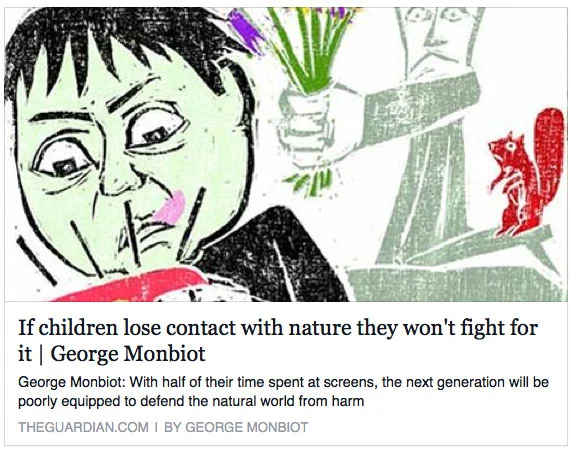
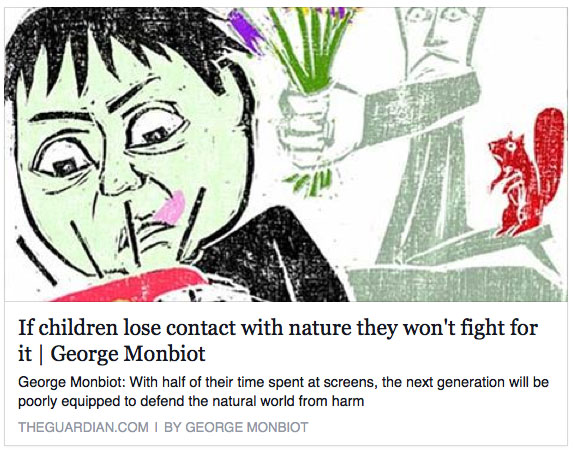
A recent commentary by George Monbiot published in The Guardian has ignited a significant discussion regarding the disconnect between contemporary youth and the natural world, and its potential consequences for environmental stewardship. While Monbiot’s assertion that a diminished connection to nature could undermine future conservation efforts resonates with many, the article’s primary focus on digital engagement as the sole culprit has drawn nuanced critique. This analysis delves deeper into the multifaceted issue, examining the broader societal shifts, the role of technology, and potential pathways toward fostering a robust eco-consciousness in younger generations.
The Core Argument and Emerging Counterpoints
George Monbiot’s article, published in November 2012, posited a direct correlation between children’s increasing immersion in digital media and a declining engagement with the outdoors. His central thesis, captured in the title "If Children Lose Contact With Nature They Won’t Fight For It," suggests that the fundamental experiences of interacting with the natural environment are essential for cultivating a lifelong commitment to its protection. The implication is that without these formative experiences, future generations will lack the intrinsic motivation and emotional connection necessary to champion environmental causes.
However, this perspective has been met with a counter-argument that posits a more complex interplay of factors. Critics, such as Amy Lenzo, author of an accompanying opinion piece on ecopsychology.org, acknowledge the validity of Monbiot’s concern about the nature deficit but take issue with what they perceive as an oversimplified attribution of blame to screen time. Lenzo argues that while societal conditions have indeed curtailed children’s freedoms and access to natural spaces – a phenomenon extending far beyond the rise of the internet – digital platforms themselves may also offer avenues for reconnection. This viewpoint suggests that technology, often cast as the antagonist, could paradoxically serve as a bridge to the natural world for many, including young people.
Broader Societal Shifts: Beyond the Digital
The notion that children are losing contact with nature is not a new one. Decades of research and observation have pointed to a significant decline in unstructured outdoor play and a rise in sedentary indoor activities. This trend predates the widespread adoption of smartphones and high-speed internet, pointing to deeper societal transformations.
Urbanization and Suburban Sprawl: A significant driver of this disconnect is the increasing concentration of populations in urban and suburban environments. As cities expand, accessible green spaces diminish, and the opportunities for spontaneous exploration of natural habitats become rarer. According to the United Nations, by 2050, 68% of the world’s population is projected to live in urban areas. This demographic shift inherently limits children’s proximity to wild or semi-wild environments.
Parental Concerns and Safety: Modern parenting often involves heightened concerns about child safety. This can lead to increased supervision and a reluctance to allow children the freedom to roam and explore unsupervised, a practice that was more common in previous generations. Studies have indicated that parents’ perceptions of risk often outweigh actual dangers, leading to a reduction in outdoor play opportunities.
Educational Curricula: While some educational institutions incorporate nature-based learning, many curricula remain heavily focused on indoor academic pursuits, often with a greater emphasis on standardized testing. This can further marginalize outdoor education and experiential learning in natural settings.
Economic Factors: For many families, particularly those in lower socioeconomic brackets, access to natural spaces may be limited by transportation costs, time constraints due to multiple jobs, or the availability of safe and engaging outdoor environments within their communities.
The Dual Nature of Digital Engagement
The critique of digital engagement as the primary driver of nature deficit overlooks the potential of these very platforms to foster curiosity and knowledge about the natural world. While excessive screen time can indeed be detrimental, digital media also offers unprecedented access to information, imagery, and interactive experiences related to nature.
Educational Resources: Numerous online platforms, documentaries, and interactive games are designed to educate children about biodiversity, ecological systems, and environmental issues. These resources can supplement and, in some cases, even inspire a desire for direct experience. For example, virtual tours of national parks, detailed scientific simulations, and high-definition nature documentaries can spark initial interest and provide a foundational understanding.
Community Building and Advocacy: The internet facilitates the formation of online communities united by shared interests, including environmentalism. Social media platforms can be used to organize local clean-up drives, share information about conservation initiatives, and mobilize support for environmental causes. This creates a sense of collective action and empowers individuals, including young people, to become advocates for nature.
Personalized Learning and Inspiration: For introverted individuals or those with limited access to natural environments, digital media can serve as a crucial entry point. As exemplified by Amy Lenzo’s personal journey, a passion for nature can be ignited through books and, in today’s context, through multimedia. Online content can cater to diverse learning styles and interests, making the wonders of the natural world accessible to a wider audience. The rise of platforms like YouTube, with channels dedicated to wildlife, botany, and outdoor exploration, demonstrates this potential.
Re-envisioning Nature Connection: A Synthesis
The path forward likely lies not in a simplistic dichotomy between the digital and the natural, but in a synthesis that leverages the strengths of both. The goal is to create a holistic approach that encourages direct engagement with the natural world while acknowledging and utilizing the connective power of digital tools.
Immersive Digital Experiences: The development of more sophisticated virtual reality (VR) and augmented reality (AR) experiences could offer highly immersive and educational encounters with nature. Imagine students virtually exploring the Amazon rainforest or diving in the Great Barrier Reef, fostering a deeper appreciation that might then translate into a desire for real-world engagement.
Gamification of Outdoor Activities: Mobile applications that gamify outdoor exploration, such as nature scavenger hunts, citizen science data collection apps, or geocaching with an ecological focus, can make outdoor activities more engaging for tech-savvy youth.
Hybrid Learning Models: Educational institutions can integrate digital tools to enhance outdoor learning. For instance, students could use tablets to identify plants and animals in a local park, access real-time weather data, or document their findings through photography and video, which they then share and discuss online.
Mindful Online Engagement: The emphasis should be on cultivating a mindful and intentional use of digital platforms when it comes to nature connection. This includes:
- Sense-Based Language and Imagery: Encouraging the use of vivid, sensory language and high-quality photography or videography that evokes the tactile, olfactory, and auditory experiences of nature.
- Connecting Online Interactions to Real-World Actions: Facilitating online discussions that lead to concrete actions, such as organizing local events, participating in citizen science projects, or advocating for policy changes.
- Recognizing Embodiment: Reminding individuals that online interactions are with other humans situated within specific environments. This fosters empathy and a sense of shared responsibility for the planet.
The Imperative for Environmental Stewardship
The underlying concern voiced by Monbiot – that a loss of connection to nature will diminish the will to protect it – remains a critical point. Scientific consensus underscores the vital importance of biodiversity and healthy ecosystems for human well-being and the planet’s stability. A generation that does not understand or appreciate the intrinsic value of the natural world is less likely to prioritize its conservation.
The Role of Personal Experience: Research consistently shows that personal experiences in nature are powerful motivators for environmental action. The emotional connection forged through direct interaction can lead to a deeper sense of stewardship and a commitment to protecting natural resources. This aligns with the principles of ecopsychology, which explores the reciprocal relationship between human psychology and the natural environment.
Intergenerational Responsibility: The responsibility to foster this connection falls on multiple stakeholders: parents, educators, policymakers, and the broader community. Creating opportunities for children to engage with nature, both through direct experience and through informed digital engagement, is an investment in the future of our planet.
Broader Implications and Future Outlook
The debate surrounding children’s contact with nature highlights a fundamental tension in our increasingly digitized world. It compels us to reconsider how we define engagement, learning, and advocacy in the 21st century. The challenge is not to reject technology, but to harness its potential thoughtfully, ensuring that it serves to deepen, rather than dilute, our connection to the natural world.
Ultimately, the ability of future generations to address complex environmental challenges will depend on their understanding, appreciation, and love for the planet. Whether this connection is forged through the rustling of leaves or the glow of a screen, the imperative remains: to cultivate a generation of informed, passionate, and dedicated environmental stewards. The conversation initiated by Monbiot, and expanded upon by those offering nuanced perspectives, serves as a crucial reminder of this enduring human and planetary need. The integration of digital tools with experiential learning offers a promising avenue to ensure that the vital link between humanity and nature is not severed, but strengthened for generations to come.

